





.jpeg/178d8497-a3ff-7b77-9730-f7e26f15c77c?width=456)
.jpg/3e43402e-6b11-3948-c191-6ac4e25db089?width=456)

Valle Umbra e Sibillini, un viaggio nel cuore autentico dell’Umbria
Valle Umbra e Sibillini, un viaggio nel cuore autentico dell’Umbria
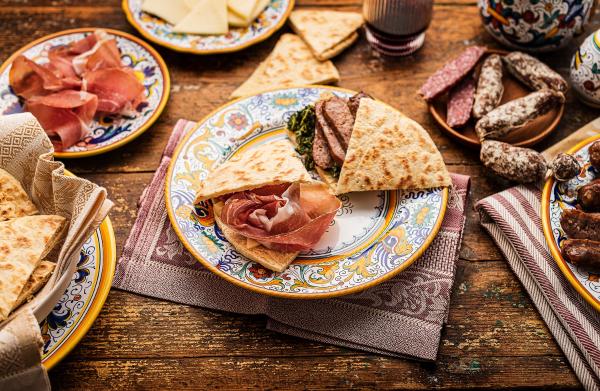
L’identità di un territorio dal sapore speziato Prosciutto di Norcia IGP, Capocollo, Lombetto, Barbozzo, Ciauscolo, Sanguinaccio
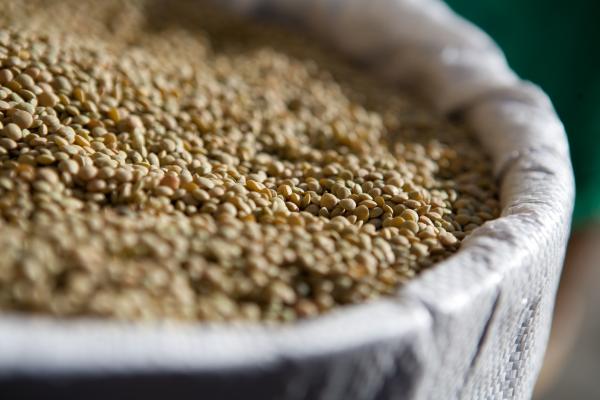
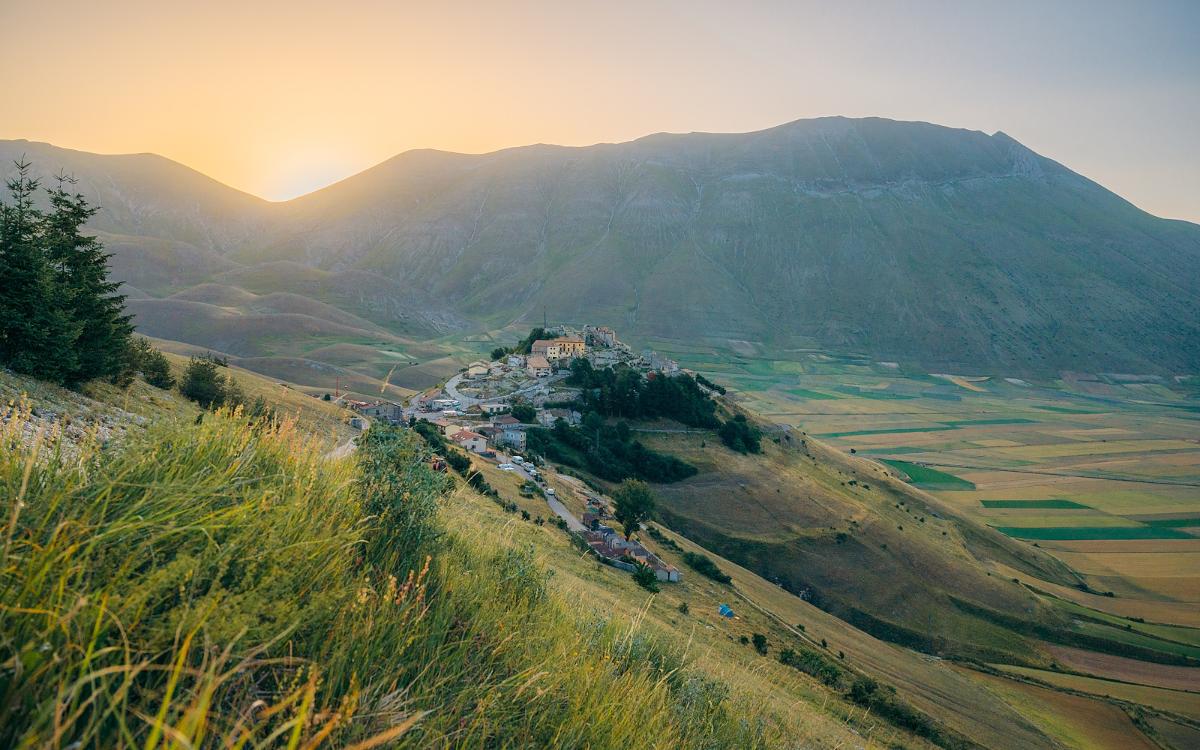
Un legume prezioso e unico, dalle piccole dimensioni e dal sapore inconfondibile, coltivato sui Piani carsici di Castelluccio di Norcia.
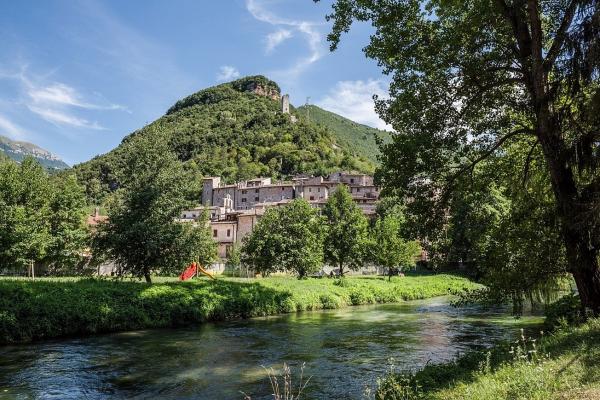
Una passeggiata in Valnerina costeggiando il Fiume Nera
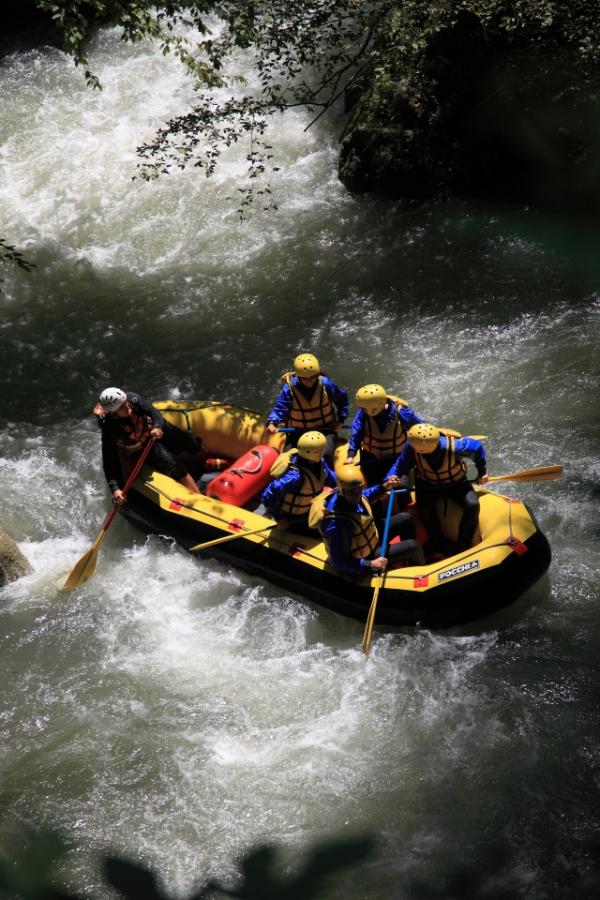
Tra gole e canyon scavate tra le rocce, tanta adrenalina e divertimento per dominare le acque impetuose e spumeggianti dei fiumi; sport acquatici, Valnerina, rafting, canoa, kayak, torrentismo, hydrospeed;
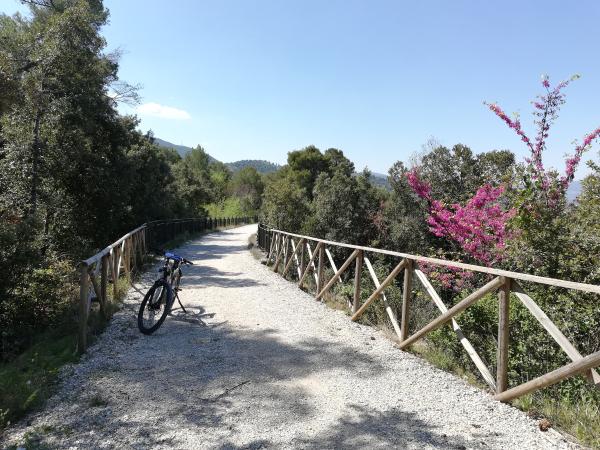
Una vecchia ferrovia riconvertita in un suggestivo percorso ciclabile sterrato, che collega Spoleto alla Valnerina attraverso colline, gallerie e viadotti
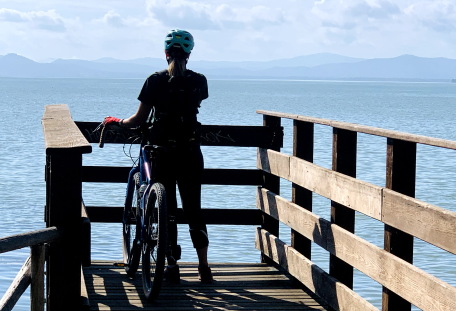
Un itinerario facile da percorrere in MTB o E-MTB. 26 chilometri, 450 m. di dislivello, 55% sterrato e 45% asfalto, con partenza e arrivo a Castelluccio di Norcia.

Gusto e tradizione raccontati attraverso quattro prodotti d’eccellenza
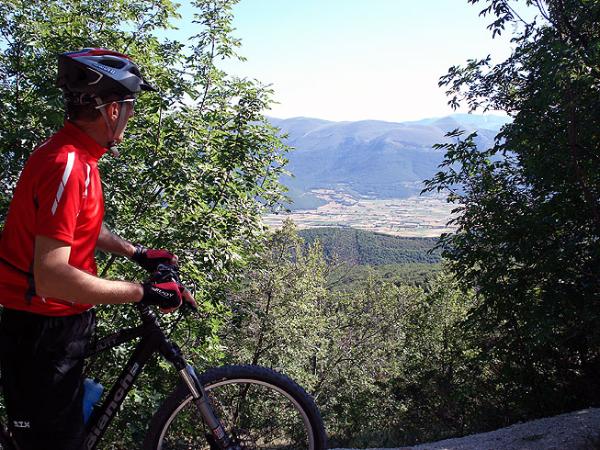
Nei dintorni della cittadina di Cascia, al limite sud orientale della regione, attraverso una delle zone più montagnose e incontaminate dell'Umbria, immersi nell’atmosfera rigenerante dei luoghi di Santa Rita.
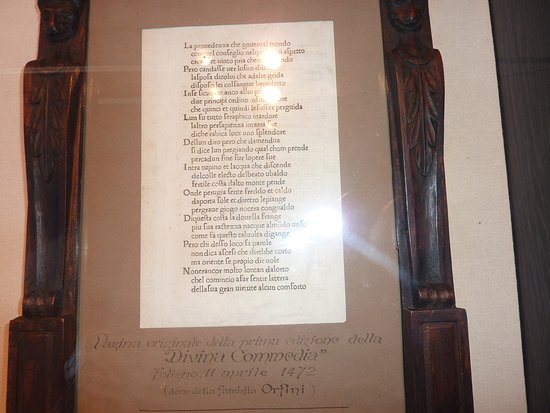
Nel centro di Foligno, Palazzo Orfini ospita il Museo della Stampa. Qui l’11 aprile 1472 venne stampata la prima edizione della Divina Commedia,
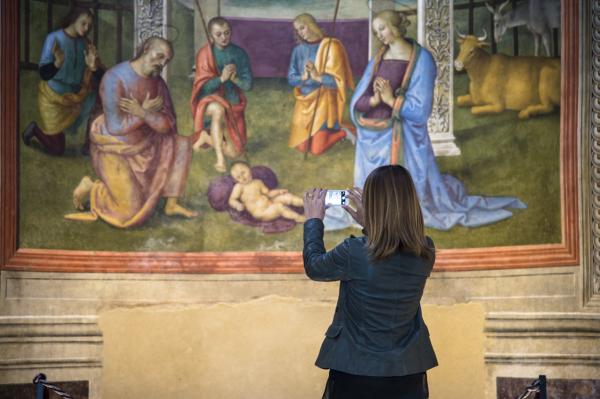
Tutta la bellezza della pittura umbra del Rinascimento in uno scrigno di opere d’arte in cui, fra tutte, spicca la firma del “padrone di casa”, Benozzo Gozzoli, fortemente legato a questo territorio.
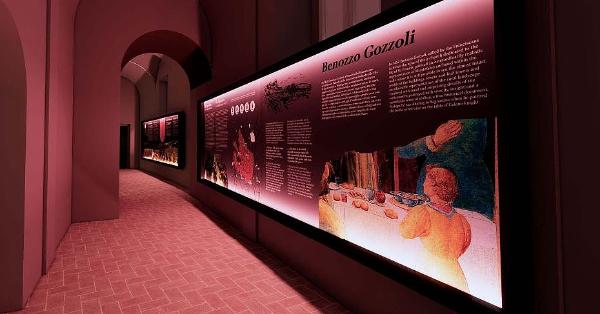
A Montefalco, uno dei “Borghi più Belli d’Italia”, ad aprile del 2024 nello splendido Complesso Museale di San Francesco è stato inaugurato il Museo del Sagrantino.
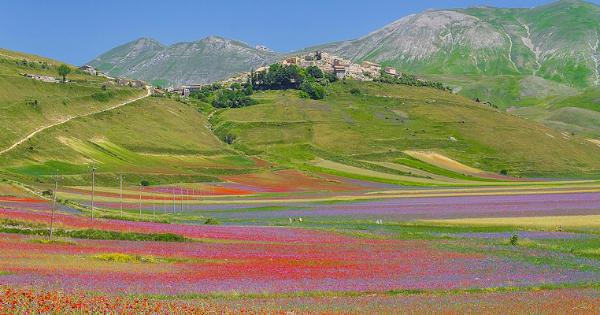
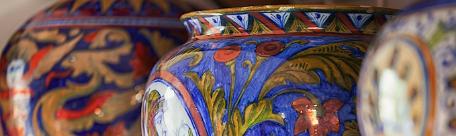
Un concerto di colori
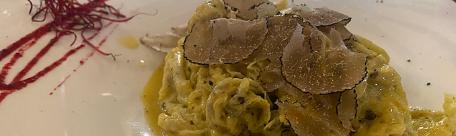
La nostra ricetta originale per la pasta alla norcina
L'utilizzo delle lenticchie di Castelluccio di Norcia è antichissimo e la preparazione in zuppa è la più tradizionale possibile. La lenticchia, appartenente alla famiglia delle leguminose, è una pianta che viene seminata appena la neve si scioglie e che fiorisce tra maggio ed agosto, quando viene raccolta e messa da parte per essere cucinata durante tutto l'anno.
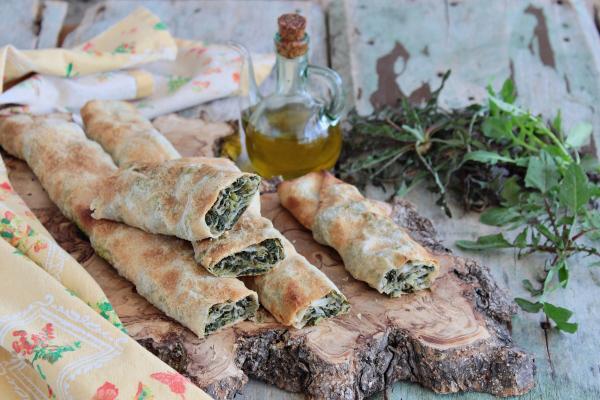
Non perdere la visita al famoso Ponte delle Torri, uno dei simboli di Spoleto, e passeggia ammirando il suggestivo panorama
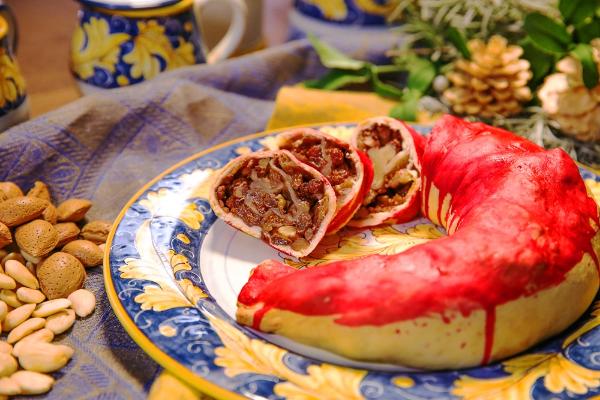
Dolce tradizionale del periodo delle festività invernali (dall’inizio di novembre fino a Carnevale), preparato soprattutto a Natale, la rocciata è una ricetta tipica di Foligno, Assisi e Spello. La sua forma a spirale ricorda quella di un serpente arrotolato su se stesso, il cui colore rosso viene dato dall’alchermes. All’interno della pasta, un ricco ripieno di mele cotte con noci, mandorle, pinoli, fichi secchi, uva sultanina e cioccolato. Naturalmente non mancano le varianti in base alla zona e alle tradizioni di famiglia, che solitamente rimangono segrete!
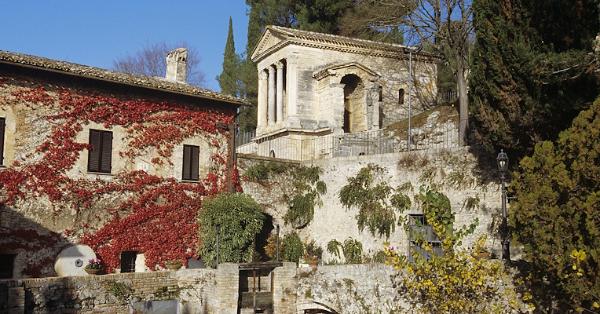
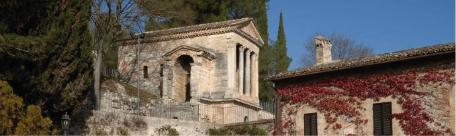
La chiesa longobarda costruita come un tempio romano
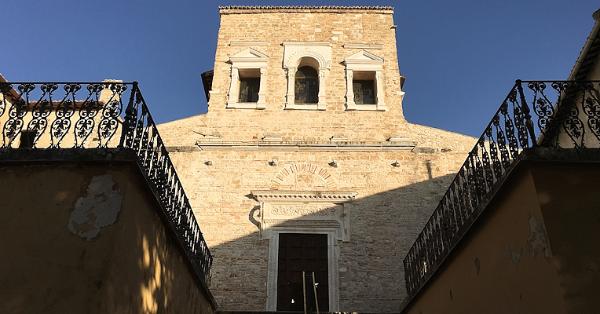
Il monumento longobardo che ha attraversato i secoli
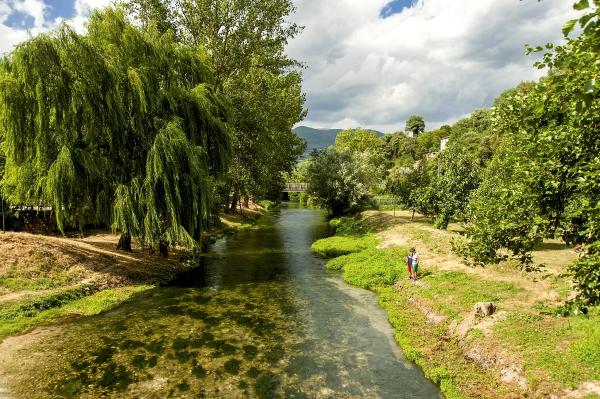
Un grande giardino naturale con fonti d'acqua cristallina a pochi passi da Scheggino fuori dalla Porta Valcasana
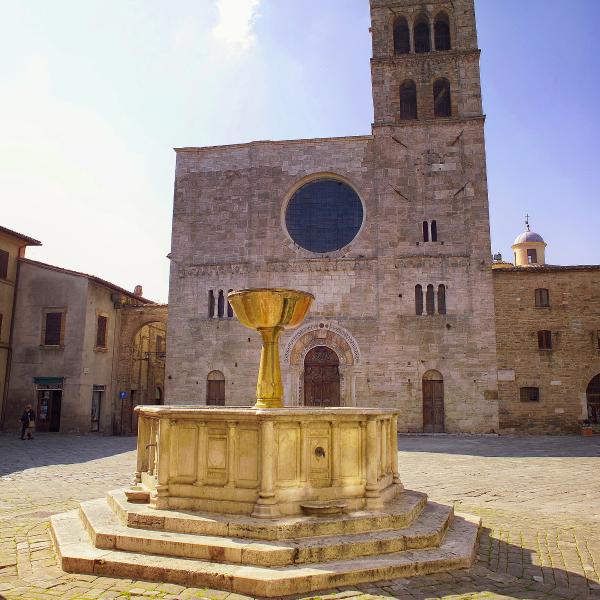
Situata nel cuore dell'Umbria, Bevagna è collocata nella piana di Foligno, ai piedi del gruppo collinare dove sorge Montefalco, presso l'ansa del fiume Timia. La città è circondata da una fertile pianura ricca di acque e coltivata a grano, viti ed olivi. Per il notevole patrimonio ambientale, culturale ed artistico fa parte del club de "I Borghi più Belli d'Italia".
Città dell’olio, tra antichità longobarde e fonti sacre

Situato nella parte centro-meridionale dell'Umbria, Castel Ritaldi è un piccolo borgo adagiato in cima alla collina di Scigliano, ai piedi dei Monti Martani.
Collocato lungo la strada che da Spoleto conduce a Montefalco, domina un territorio in gran parte agricolo con boschi e suggestivi declivi collinari tappezzati da uliveti ed attraversati da una rete di stradine percorribili a piedi, a cavallo o in bicicletta.
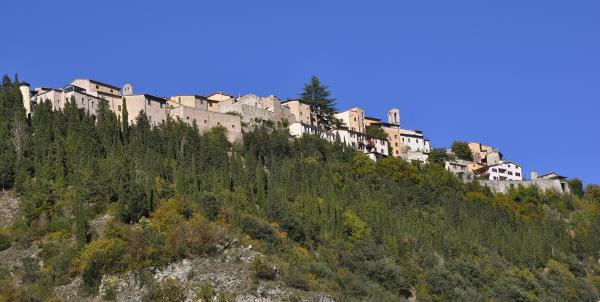
Il paese dei Ciarlatani
La città della Quintana ha origini antiche, rintracciabili in eleganti architetture e preziosi dipinti. Non mancano curiosità storiche: qui fu stampata la prima edizione della Divina Commedia (1472).
Terza città della regione per numero di abitanti dopo Perugia e Terni, situata nella parte centro-orientale dell'Umbria, Foligno si distende ai piedi dell'Appennino umbro-marchigiano, adagiata nella piana della confluenza dei fiumi Topino e Menotre.
Il territorio comprende la bella pianura della Valle Umbra, con i dolci rilievi collinari e i contrafforti della dorsale appenninica.
Situato nella parte centro-meridionale dell'Umbria, Giano dell'Umbria si staglia su un colle dal quale, tra distese di uliveti, offre una vista spettacolare sulla valle del Clitunno e sul Monte Martano.
Seguendo le vie dell'olio è possibile scoprire le radici di questo territorio e leggerne la storia attraverso i suoi borghi, ed apprezzare le bellezze naturali del Monte Martano.
Situato nella parte centrale dell'Umbria, Gualdo Cattaneo è un piccolo borgo medievale arroccato su una collina alle pendici dei Monti Martani in una posizione particolarmente suggestiva. Il toponimo si fa derivare da "Wald" (selva, bosco) e testimonia la ricchezza di foreste che circondano questo territorio.
Situato nell'area centro-orientale dell'Umbria, Montefalco sorge sul vertice di un colle ricoperto di olivi e viti che si erge al centro delle valli del Clitunno, del Topino e del Tevere. Per la sua splendida posizione panoramica Montefalco è definita la "Ringhiera dell'Umbria". Per il notevole patrimonio ambientale, culturale e artistico fa parte del club de "I Borghi più Belli d'Italia".
Il borgo della biga d'oro
Situata sulla sommità di uno sperone roccioso dal quale domina l'alta valle del fiume Topino, Nocera Umbra si trova lungo la via Flaminia che collega Foligno e Gualdo Tadino. La risorsa naturale più significativa del territorio sono le acque naturali: le qualità terapeutiche sono note fin dal XVI secolo, quando furono costruiti stabilimenti, sistemi di prelievo e di trasporto.
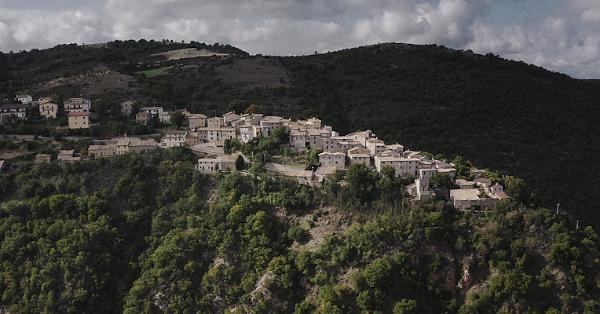
Il borgo arroccato su uno sperone di roccia
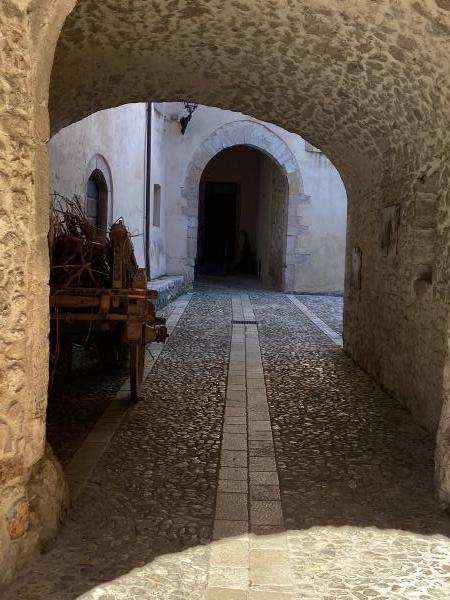
Il borgo del Drago
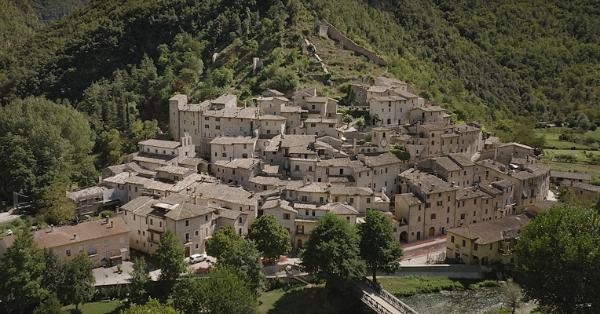
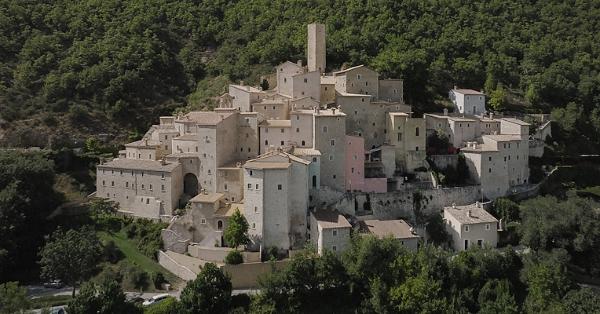
Situato tra Assisi e Foligno, Spello si trova sulle pendici meridionali del Monte Subasio. Famosa per i suoi vicoli fioriti e per le Infiorate di Spello in occasione del Corpus Domini. E' caratterizzata da un bellissimo centro storico medievale ma conserva anche mura ed altri monumenti romani che raccontano la sua importanza storica. E' uno dei Borghi più belli d'Italia.
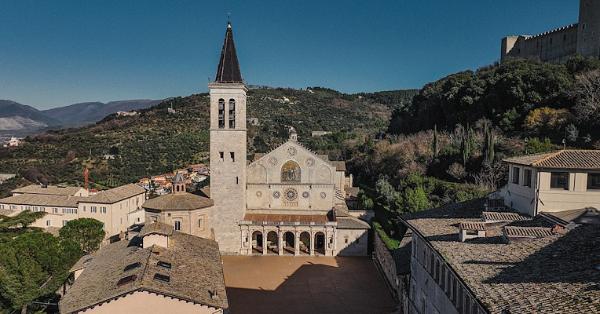
.png/7ec2d600-58ba-f857-c015-6a8c87f9c809)
.png/d3c8ef9c-3c02-2e60-3e57-72edd95b4a72)
.png/20d8c28a-61ef-cc68-2ee8-90d14cfc8c2e)