




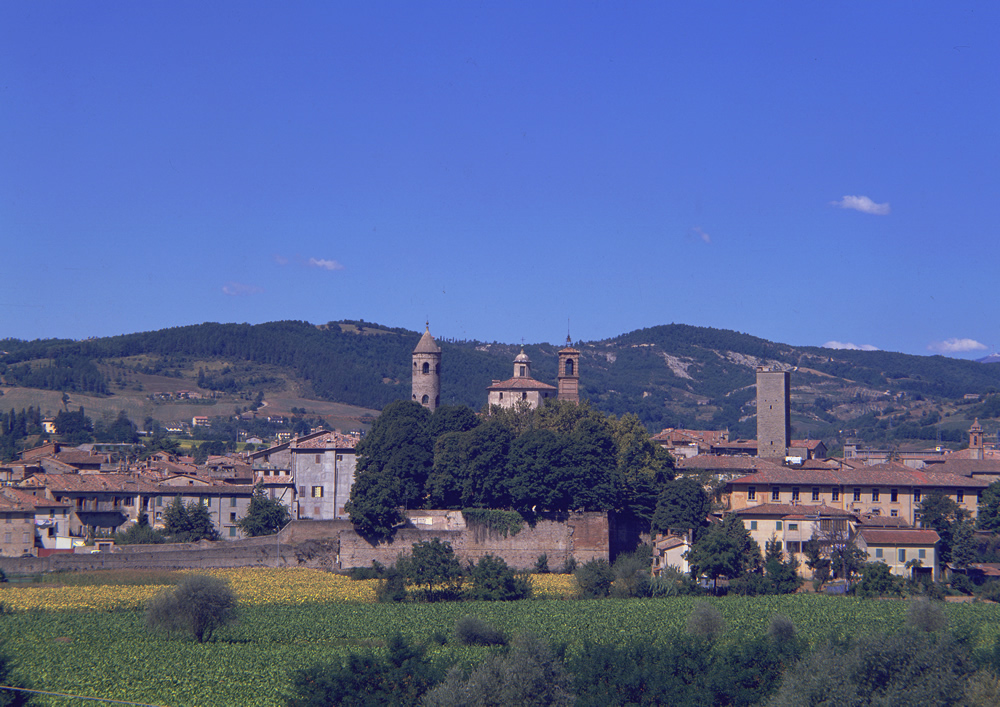
Se pensi che l'Umbria sia solo borghi medievali arroccati e colline silenziose, preparati a cambiare idea. Adagiata nella suggestiva Alta Valle del Tevere, Città di Castello è una rivelazione. Elegante e inaspettata, custodisce un segreto: un perfetto equilibrio tra i fasti del Rinascimento e la forza rivoluzionaria dell'arte contemporanea, in un ambiente dove il rispetto della natura è accompagnato a una vivace realtà industriale.
Città di confine, a pochi chilometri dalla Toscana e poco distante dalle Marche e dalla Romagna, unisce in sé le principali caratteristiche paesaggistiche e architettoniche di tali territori.
La ‘Città della felicità’
Fondata dagli Umbri sulla riva sinistra del Tevere, nel III secolo a.C. divenne federata di Roma. Nel I secolo a.C. fu municipio romano con il nome di Tifernum Tiberinum. Nel I secolo Gaio Plinio Cecilio Secondo, noto come Plinio il Giovane, ne fu patronus municipii (il patronato era un istituto romano in base al quale una cittadina si poneva sotto la protezione di un personaggio influente). Certamente la gens Plinia possedeva una villa in città, più volte ricordata dallo stesso Plinio il Giovane nelle sue lettere, le cui vestigia sono state identificate in località Colle Plinio, nel comune di San Giustino. Plinio, peraltro, secondo quanto affermato in una lettera, fece anche erigere un tempio tra il 103 o il 104, di cui non è nota l’ubicazione.
Secondo la tradizione, la cittadina romana venne evangelizzata da san Crescentino o Crescenziano, martirizzato proprio a Tifernum, tra il III e il IV secolo. Saccheggiata e distrutta dai Goti di Totila nel VI secolo, venne successivamente ricostruita dal vescovo Florido, in seguito dichiarato santo e proclamato patrono della città. La città fu infine conquistata dai Longobardi, che la chiamarono Castrum Felicitatis e la annessero al Ducato della Tuscia. Subì diverse dominazioni, ma nel XII secolo si organizzò in libero Comune, assumendo dalla prima metà del 1200 l’appellativo di Civitas Castelli. Nonostante fosse al centro di una contesa tra Impero, Stato della Chiesa, Firenze e Perugia, nel XIII secolo godette di una certa prosperità, che si riflette negli edifici pubblici del periodo.
Nel 1367 perse la sua autonomia: venne infatti annessa allo Stato della Chiesa dal cardinale Albornoz. Nel 1422 papa Martino V la affidò al condottiero Braccio Fortebraccio da Montone, la cui famiglia tenne il potere per circa vent’anni. In seguito, Castrum Castelli venne contesa tra le famiglie più importanti della città, che inizialmente costituirono un governo oligarchico; tuttavia, a causa di varie lotte e faide intestine assunse il potere una di queste: i Vitelli. Tale famiglia ebbe un’influenza notevole nello sviluppo economico e artistico della città. Mecenati e condottieri, i Vitelli ornarono Città di Castello con molti palazzi ove chiamarono a lavorare importanti artisti del Rinascimento.
Nel 1502, Cesare Borgia, detto il Valentino, si autoproclamò duca della città e la assoggettò definitivamente allo Stato della Chiesa, che la tenne tra i suoi domini – con brevi parentesi – fino all’Unità d’Italia (1861).
Durante la seconda guerra mondiale, il rettore del Seminario della città, don Beniamino Schivo, si prodigò per accogliere profughi e perseguitati, tra cui una famiglia di ebrei; per questo è stato annoverato Giusto tra le nazioni. Fra gli altri che trovarono asilo presso don Schivo nel periodo delle deportazioni fu anche Elio Toaff, rabbino capo della comunità ebraica di Roma, nominato cittadino onorario di Città di Castello nel 1999.
Un viaggio nel tempo tra i palazzi e le opere rinascimentali
Le possenti mura cinquecentesche, conservate per buona parte, racchiudono un centro storico ancora intatto nel suo aspetto tardo medievale e rinascimentale.
La cittadina si sviluppa attorno a due piazze principali, che gli abitanti indicano semplicemente come ‘piazza di sopra’ e ‘piazza di sotto’.
La ‘piazza di sopra’, o Piazza Matteotti, è il cuore pulsante della città, sede, ieri e oggi, del potere civile. Ospita infatti il Palazzo del Podestà, opera del 1368 di Angelo da Orvieto. La fiancata del palazzo che affaccia verso Corso Cavour è quanto rimane della costruzione medievale, ornata da nove volte a sesto acuto, arricchite da fregi e stemmi. Un arco più ampio indica il voltone d'ingresso al palazzo e comunica con il bel loggiato seicentesco che si apre sulla retrostante piazza Fanti. Sopra ogni porta è posta una piccola finestra a tutto sesto e al piano nobile si aprono delle bellissime bifore. L’interessante facciata in stile neoclassico con campaniletto centrale che prospetta sulla piazza è invece più tarda: venne infatti completata dall’architetto Nicola Barbioni nel 1687. È decorata da un doppio orologio, uno per le ore e l’altro per i minuti, e dal quadrante della Rosa dei venti. Si affacciano sulla piazza i bei palazzi Bondi – Mancini e Cappelletti, e una delle tante residenze dei Vitelli in città, il palazzo Vitelli in piazza, che si caratterizza per le forme più severe rispetto alle altre costruzioni fatte erigere dalla famiglia.
Poco lontano da piazza Matteotti, in Corso Cavour, potrete ammirare una vera e propria eccellenza nelle arti grafiche, che sono un’attività tradizionale in quest’area dell’Umbria: la Tipografia Grifani Donati, esistente fin dal 1799, dal 2005 Museo delle Arti grafiche.
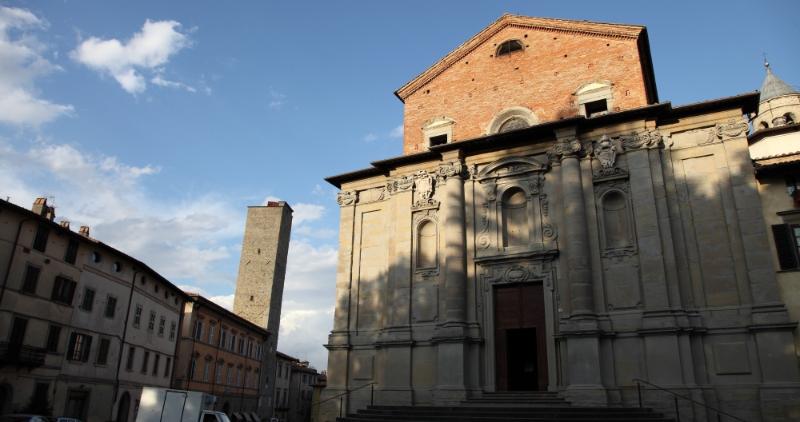
La ‘piazza di sotto’, sede del potere religioso e politico, è intitolata a Venanzio Gabriotti (Città di Castello, 1883 – 1944), medaglia d’oro al valore militare e punto di riferimento per gli antifascisti dell’alta Valle del Tevere durante la Resistenza. Vi si affacciano la cattedrale dei SS. Florido e Amanzio, con il singolare campanile di forma cilindrica in stile ravennate; il Palazzo del Comune, opera trecentesca di Angelo da Orvieto, contraddistinto da pianta rettangolare e facciata di conci di pietra bugnata ove si apre una sequenza di bellissime bifore; la Torre civica, del XIII secolo, da cui si gode di una splendida vista sulla città, che reca ancora tracce dell’affresco commissionato dal Comune a Luca Signorelli nel 1474, e il Palazzo Arcivescovile, riedificato più volte, il cui attuale aspetto risale al Settecento.
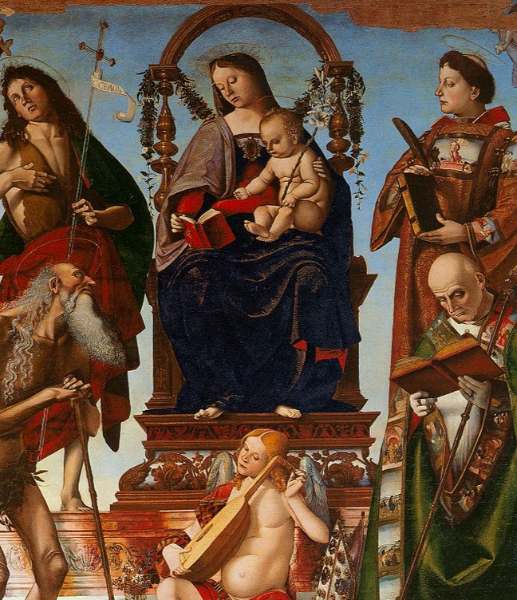
Da non perdere, nel centro storico, la Pinacoteca comunale, ospitata presso il bel palazzo Vitelli alla Cannoniera, definita, non a torto, ‘gli Uffizi dell’Umbria’: ampliata di recente con nuove sale espositive, conserva capolavori di Raffaello, Luca Signorelli, Ghirlandaio, Raffaellino del Colle e Pomarancio.
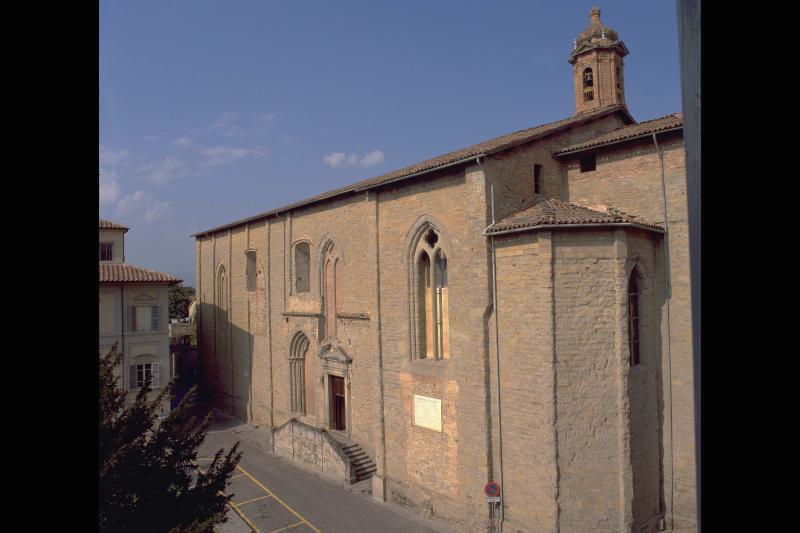
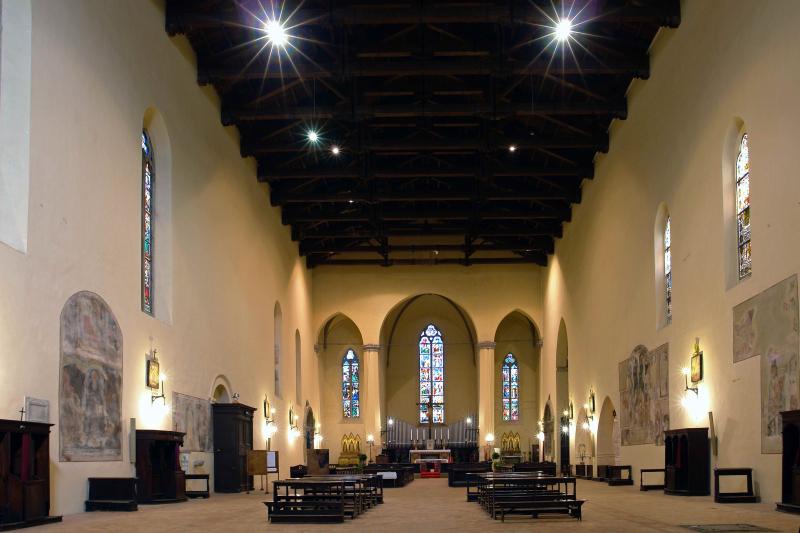
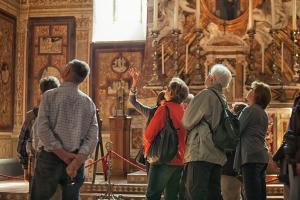
Il nostro consiglio è comunque quello di perdersi nella suggestiva atmosfera del centro storico, nelle eleganti architetture rinascimentali, nei cortili e nei loggiati dei palazzi gentilizi, nei chiostri e nelle navate delle chiese, come Santa Maria Maggiore, Santa Maria delle Grazie, San Francesco e San Domenico.
Infine, dedicate un giro alle botteghe artigiane: Città di Castello vanta ancora una gloriosa tradizione legata alla stampa d'arte e alla tessitura artigianale, dove la passione si tramanda di generazione in generazione. Tra queste, merita certamente una sosta la Collezione tessile, al secondo piano di palazzo Tommasini, in cui viene ripercorsa la preziosa storia dell'azienda "Tela Umbra”.
Per i visitatori più giovani, ma non solo, il Museo Malacologico Malakos offre una collezione di conchiglie tra le più grandi d’Europa, con laboratori e attività dedicate.
L'inaspettato cuore dell'arte contemporanea: l'effetto Burri
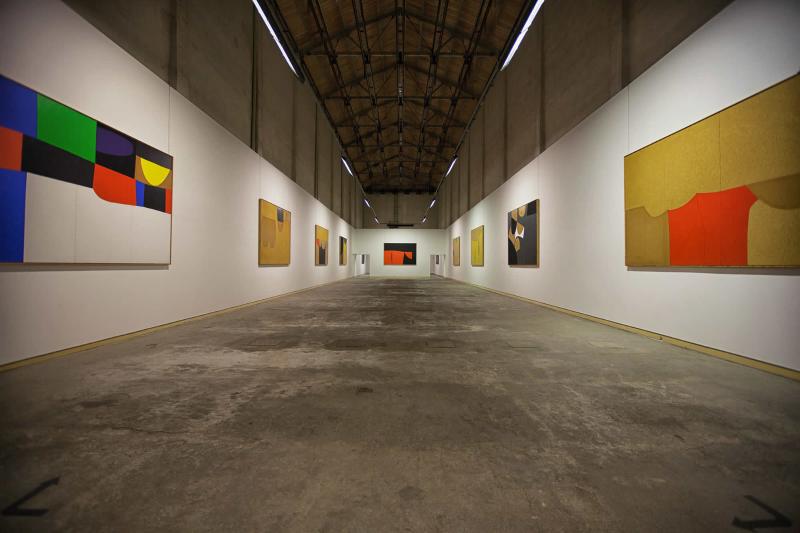
Città di Castello toglie il fiato agli amanti dell'arte moderna. Questa è infatti la terra natale di Alberto Burri, uno dei più grandi maestri del Novecento. La fondazione a lui dedicata è un'esperienza monumentale divisa in due sedi straordinarie: Palazzo Albizzini e gli Ex Seccatoi del Tabacco. Palazzo Albizzini è un’elegante costruzione rinascimentale le cui sale creano un contrasto magnetico con i celebri Catrami, Muffe e Sacchi dell'artista; gli ex Seccatoi del tabacco, come spiega il nome, sono un immenso complesso di archeologia industriale, dipinto interamente di nero all'esterno, che ospita i cicli pittorici giganti di Burri, allestiti e predisposti direttamente dall’artista: un luogo monumentale che non ha nulla da invidiare ai grandi musei di New York o Londra.
Ma non finisce qui…
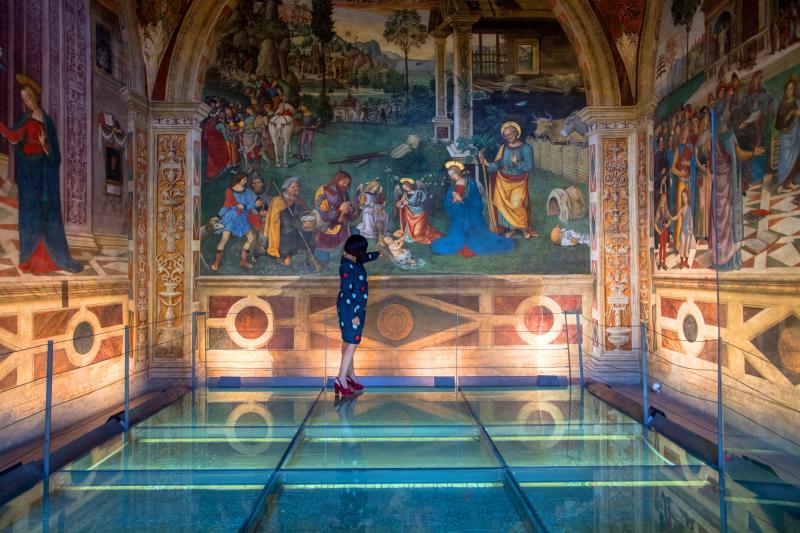
I dintorni di Città di Castello sono ricchi di arte, storia e natura. Meritano una visita l'oratorio di San Crescentino a Morra, al cui interno sono leggibili alcuni affreschi di Luca Signorelli e bottega, la pieve di Canoscio, uno dei punti di riferimento più importanti della devozione mariana in Umbria, il santuario della Madonna di Belvedere, l'abbazia di Badia Petroia, notevole esempio di costruzione romanica (XI-XII secolo) e villa Franchetti "La Montesca", attorniata da un parco secolare ricco di specie botaniche rarissime. A Garavelle, nella casa colonica prospiciente villa Capelletti, si trova il Centro delle Tradizioni Popolari "Livio Dalla Ragione", uno dei primi esempi in Italia di raccolta di oggetti legati alla tradizione contadina.
Non solo arte: i sapori dell'Alta Valle del Tevere
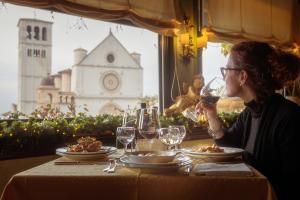
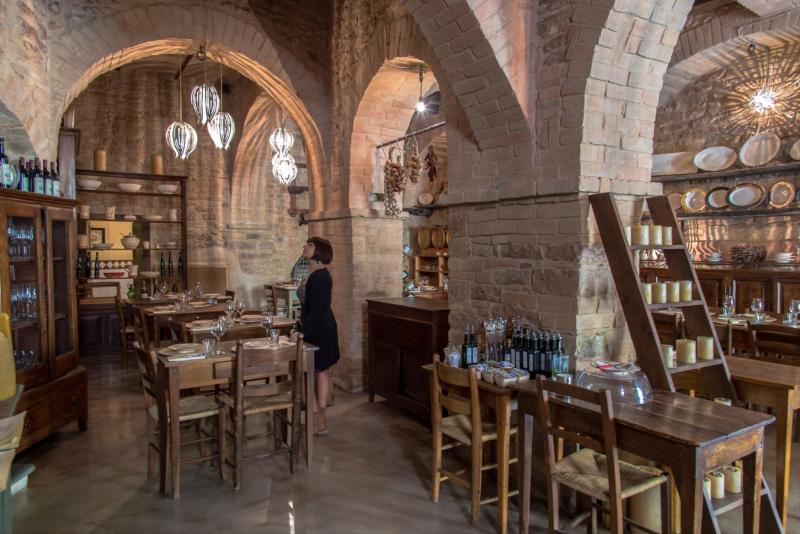
Un viaggio a Città di Castello è anche un'esperienza per il palato. Qui la tradizione culinaria umbra incontra le influenze toscane in un mix irresistibile.
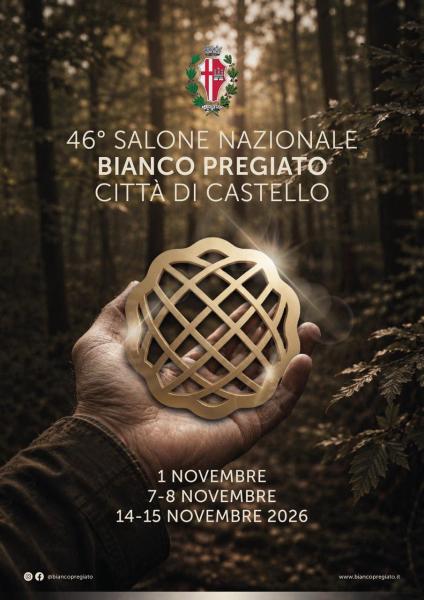
Potrete assaggiare dell’ottimo tartufo bianco: è il re indiscusso della tavola locale, celebrato ogni anno in autunno con una mostra mercato di rilievo nazionale.
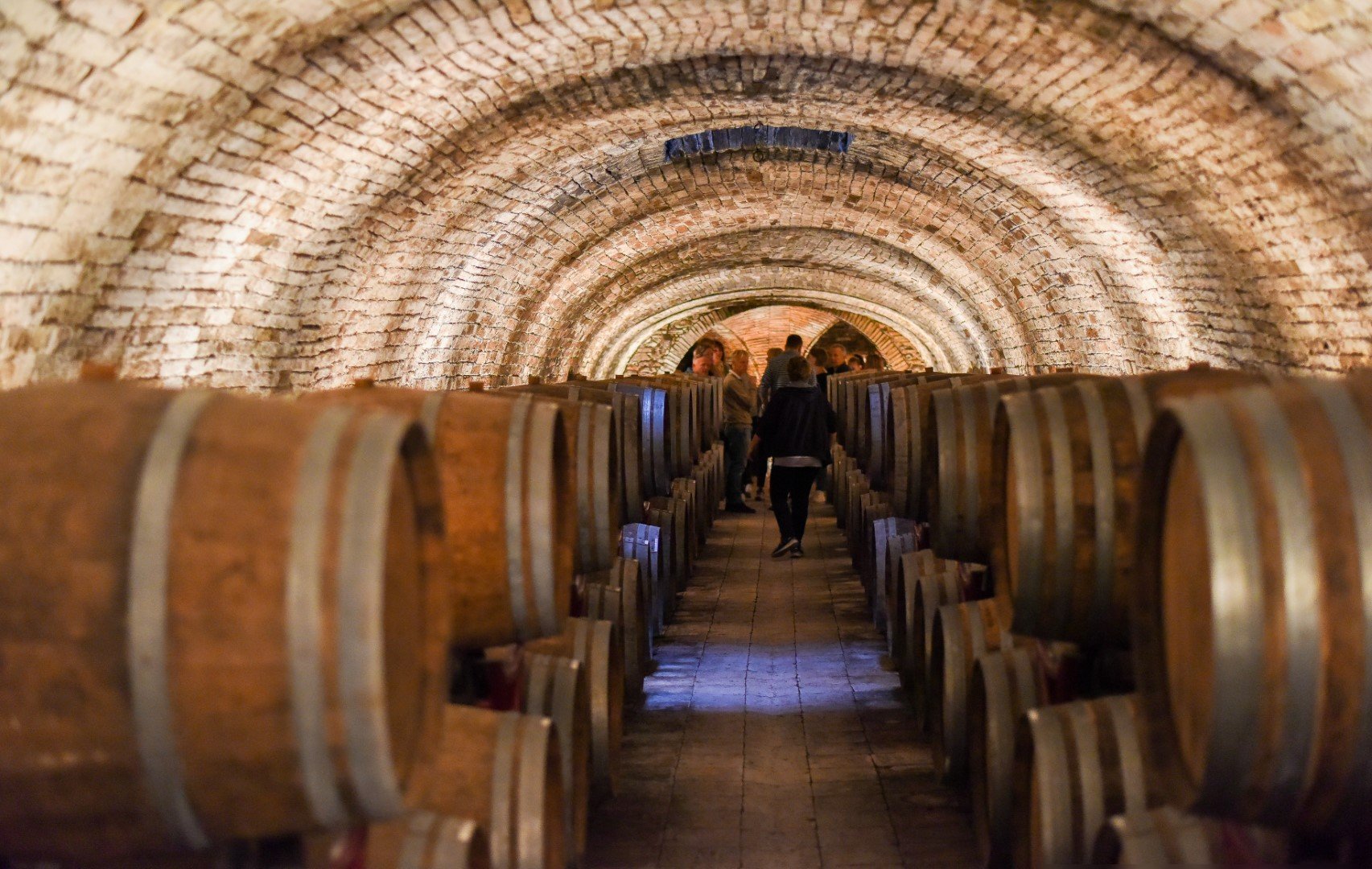
Non ripartite senza aver assaggiato la baggiana (un piatto a base di fave, pomodori e basilico), servita con la tigella (una piccola piadina), e la classica ciaccia sul panaro (una focaccia irresistibile da farcire con salumi locali). Tipico dell’alta valle del Tevere è anche il mazzafegato, una salsiccia nera realizzata principalmente con fegato di maiale, altre interiora (milza, rene, cuore) e piccole quantità di carne bianca. A fine pasto, poi, non dimenticate di fare un brindisi con il vino affumicato, un vino liquoroso presidio Slow Food prodotto esclusivamente con uve di tipo trebbiano, insieme a malvasia e grechetto.
Città di Castello ti aspetta per mostrarti che la bellezza non ha tempo, ma sa rinnovarsi sempre. Che tu sia un cacciatore di mostre d'arte, un amante della buona cucina o un viaggiatore curioso, questo angolo d’Umbria saprà stupirti.