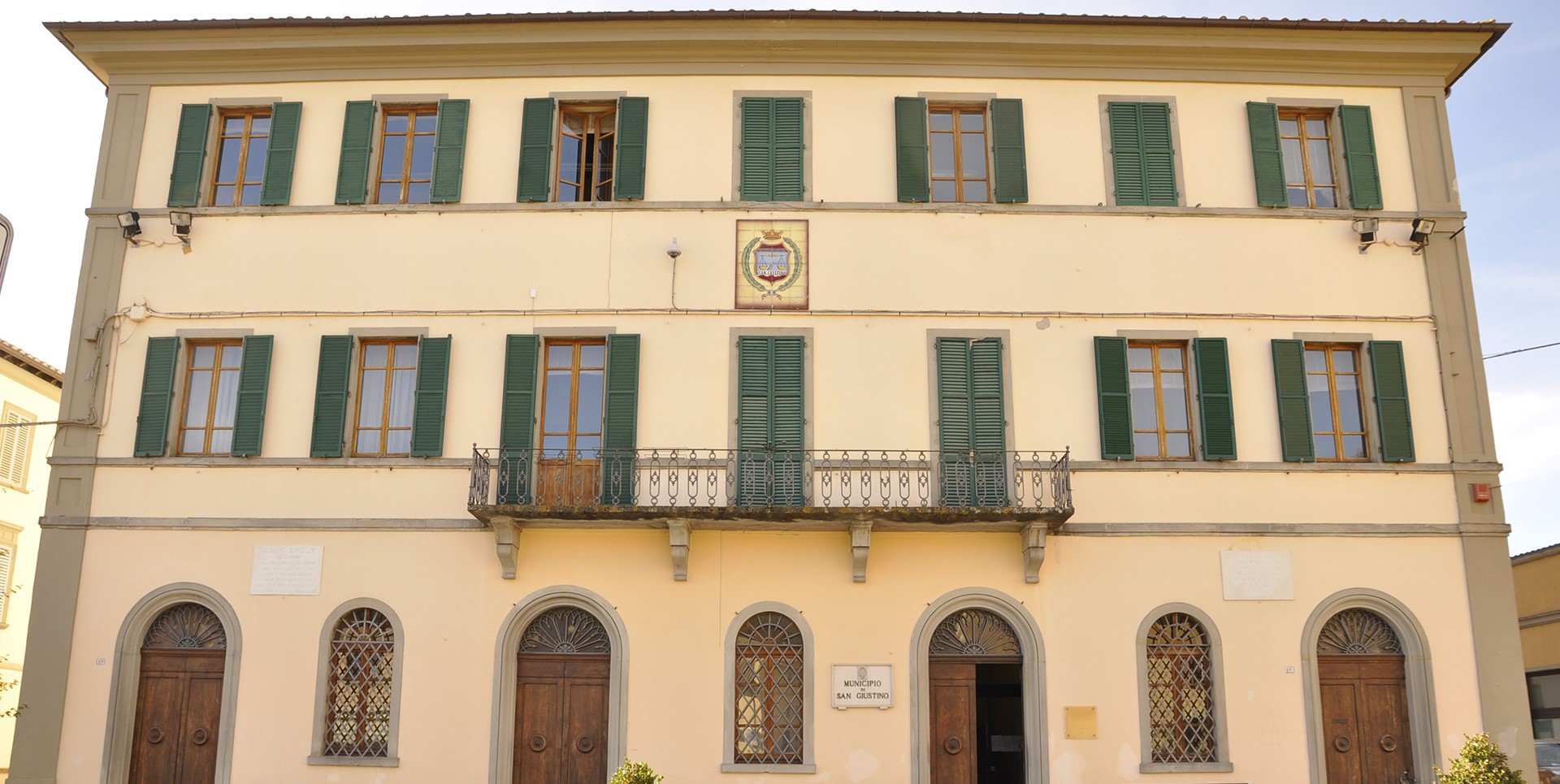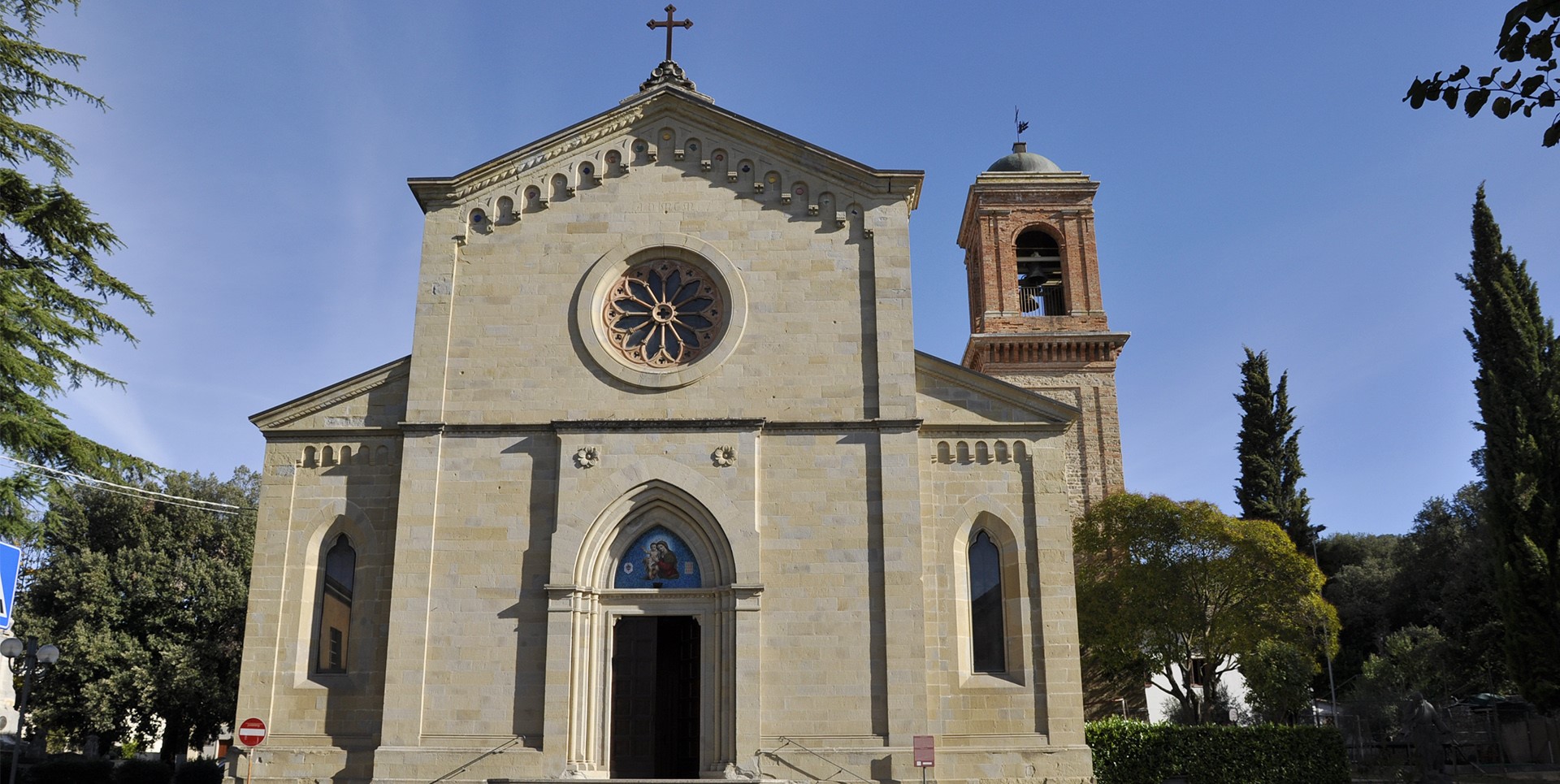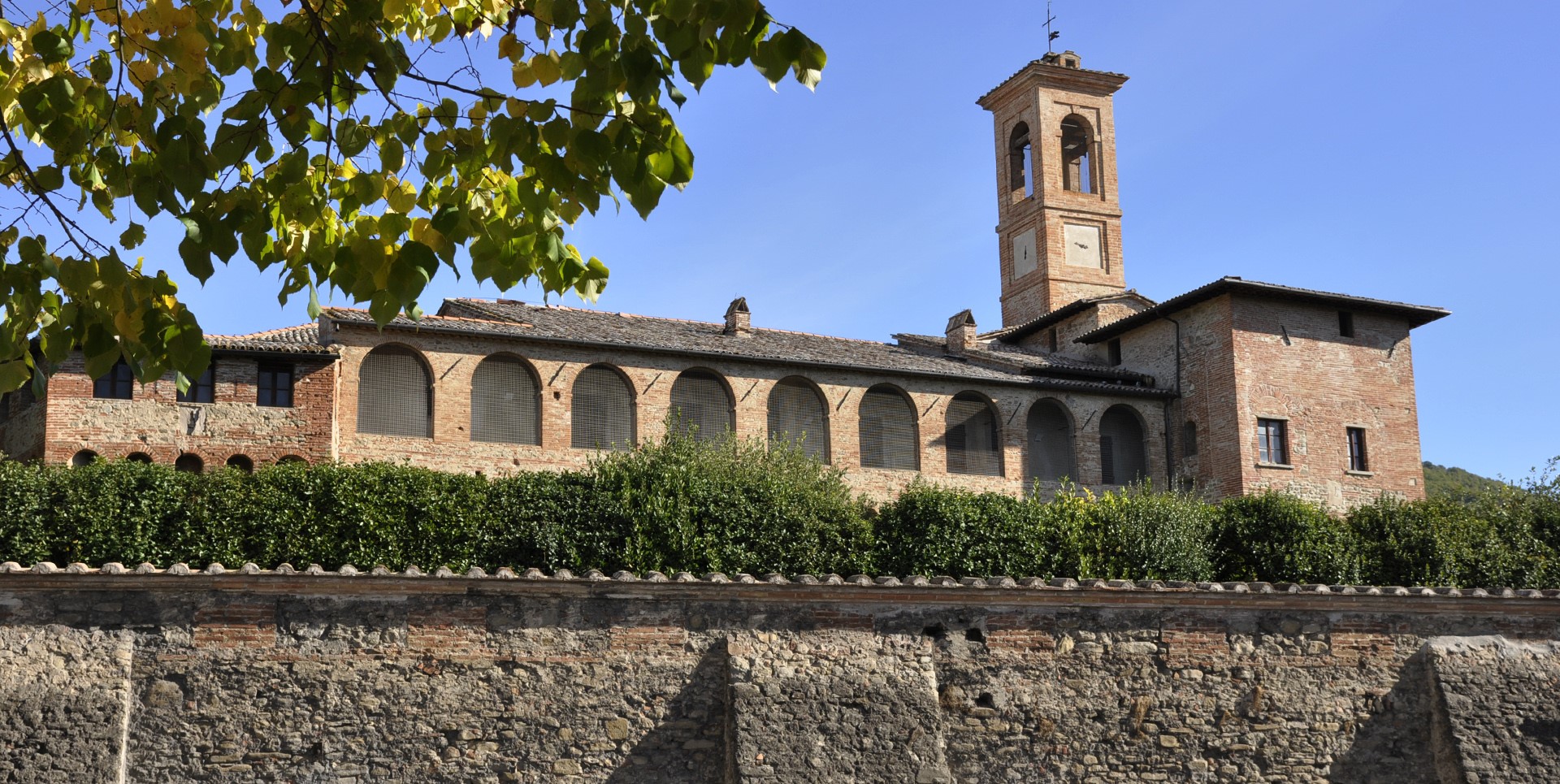






Located in the far north of Umbria, just a few kilometres from Città di Castello and the border with Tuscany, San Giustino is a key centre in the Upper Tiber Valley: a village where Renaissance elegance intertwines with a truly remarkable history.
History of a border village
Probably of Umbrian origin, the town’s most significant ancient remains date back to the Roman period. It was near the Roman settlement that Pliny the Younger chose to build his famous country residence, the villa in Tuscis, attracted by the mild climate and the gentle beauty of the hilly landscape.
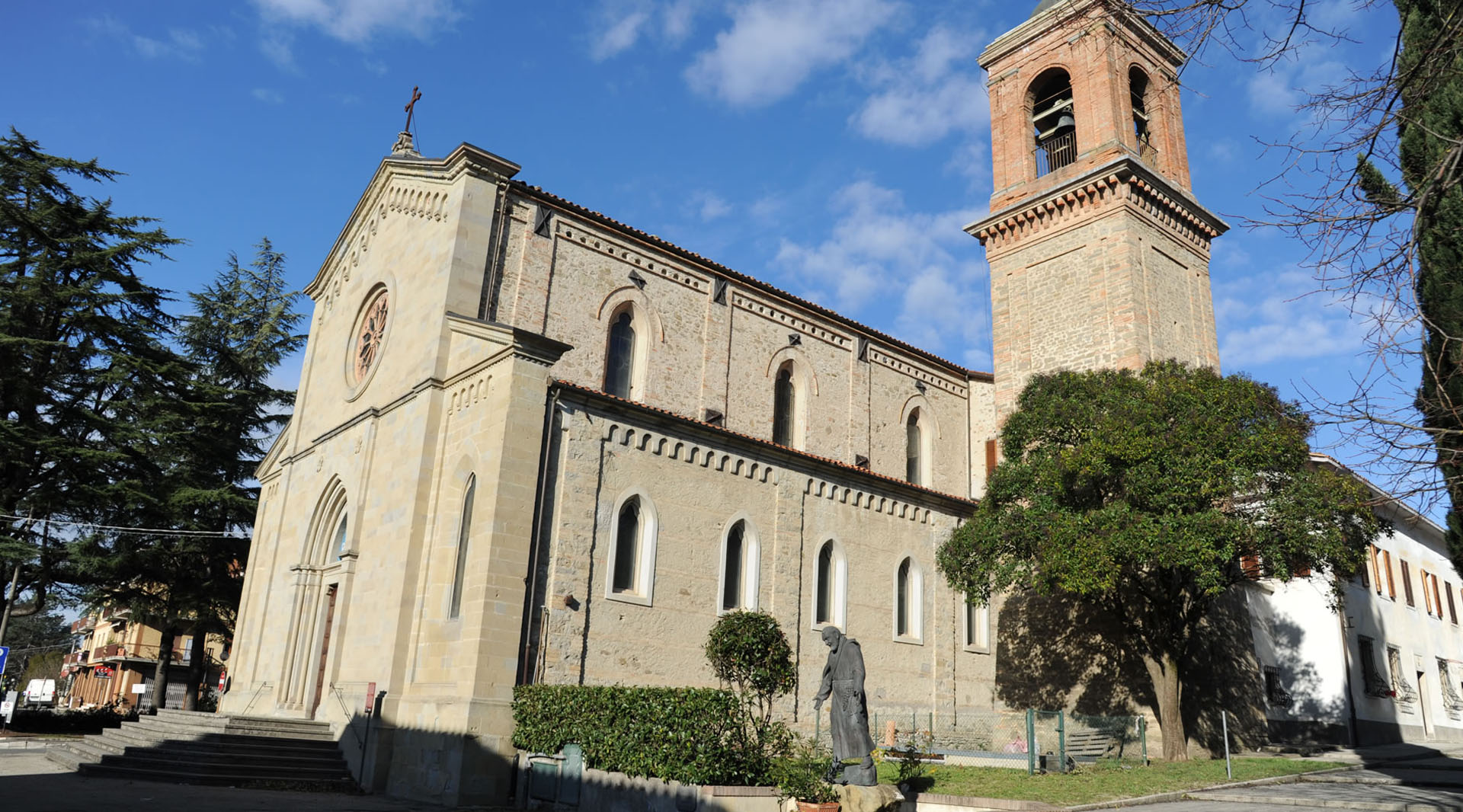
After a period of abandonment and decline following the fall of the Roman Empire and the barbarian invasions, the settlement was rebuilt in the 7th century on the remains of a large parish church dedicated to Giustino, one of the companions of Saint Crescentinus, who evangelised the Upper Tiber Valley. Both were martyred near the Pieve de’ Saddi, now in the municipality of Pietralunga.
During the Middle Ages, San Giustino became a fief of the noble Dotti family from Sansepolcro. It later served as a defensive outpost of Città di Castello under the Bufalini, a wealthy local landowning family who rebuilt and embellished a fortress there, and subsequently under the Vitelli family. Finally, in the 16th century, it became definitively part of the Papal States.
The events of the Risorgimento strengthened the ties between San Giustino and Città di Castello, as both were occupied by Manfredo Fanti’s troops in 1860 and jointly annexed to the Kingdom of Italy.
Cospaia: the republic born by mistake
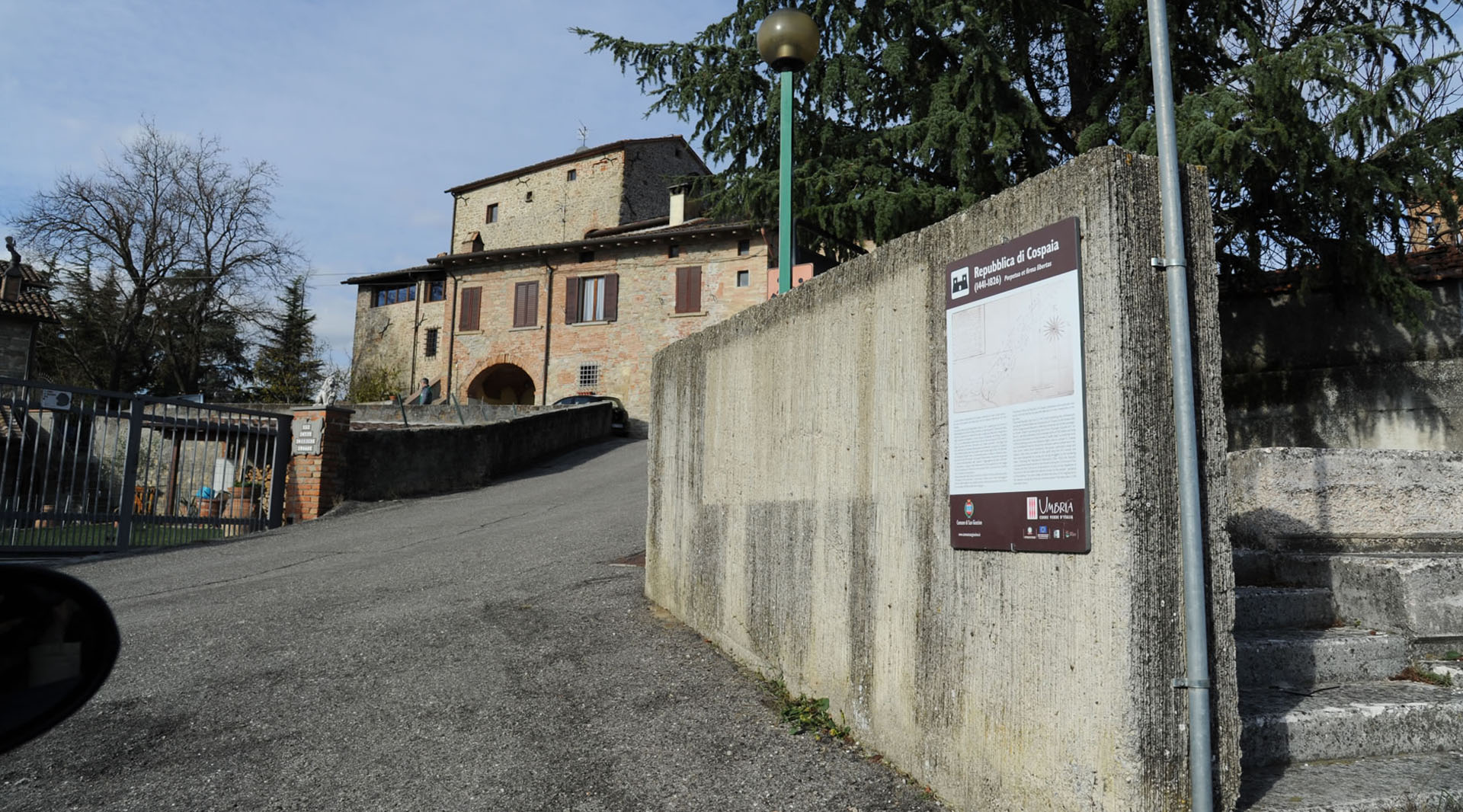
The most unusual chapter in the long history of this corner of Umbria dates back to 1440. Due to an error in defining the border between the Florentine Republic and the Papal States, a strip of land measuring just 3.3 km² was left outside both territories. Thus the Republic of Cospaia was born: a legendary tax-free land that offered refuge to exiles and remained independent until 1826.
In 1575, Cospaia became the site of Italy’s first tobacco cultivation, grown from seeds sent from Spain by Abbot Nicolò Tornabuoni. This marked the beginning of an agricultural and industrial tradition that would profoundly shape the economy and landscape of the entire valley.
The gem of the Upper Tiber Valley
The artistic heart of San Giustino is undoubtedly Bufalini Castle. Originally built in the Middle Ages as a military fortification, it was transformed into an elegant country villa during the 16th century. Its interiors feature rooms finely decorated by painters of the late Renaissance school, including Cristofano Gherardi, known as Il Doceno, and house true masterpieces such as the Madonna and Child with Saints by Luca Signorelli, a Madonna by Andrea del Sarto, and other works by Guido Reni. The villa is surrounded by a magnificent monumental park, with a moat, an Italian-style garden and a lemon house. The grounds also contain one of the rare historic boxwood hedge mazes still surviving in Italy.
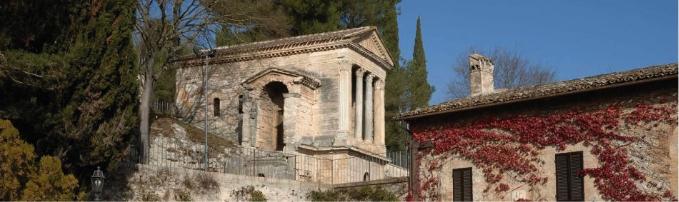
Numerous traces of ancient Roman villas have been unearthed in the surrounding area. Pliny the Younger is believed to have spent long periods on the hill that still bears his name, Colle Plinio, where the remains of the Villa in Tuscis, the famous summer residence described in his letters, can be found. Excavations in the area have uncovered private thermal baths and other luxurious rooms decorated with precious marble from the eastern Mediterranean.
In the nearby locality of Celalba stands Villa Magherini Graziani, a splendid late Renaissance building dating from 1616, created by converting an old castle according to a design by the architect Antonio Cantagallina, a pupil of Vasari. Today, the villa houses the Archaeological Museum of the Villa of Pliny the Younger, which preserves artefacts and finds unearthed during archaeological excavations in the area of the Villa in Tuscis.
Reflecting the area's agricultural vocation and the importance of tobacco cultivation to the local economy, the Historical and Scientific Tobacco Museum was established in 2004 in the former Tobacco Growers' Consortium. The first of its kind in Umbria and one of only a few in Italy, it was created to preserve and promote the historical and cultural heritage associated with the cultivation of this plant.
Food and wine traditions on the border between two regions
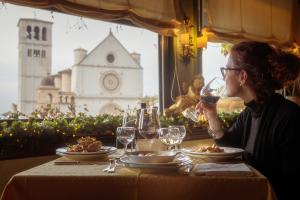
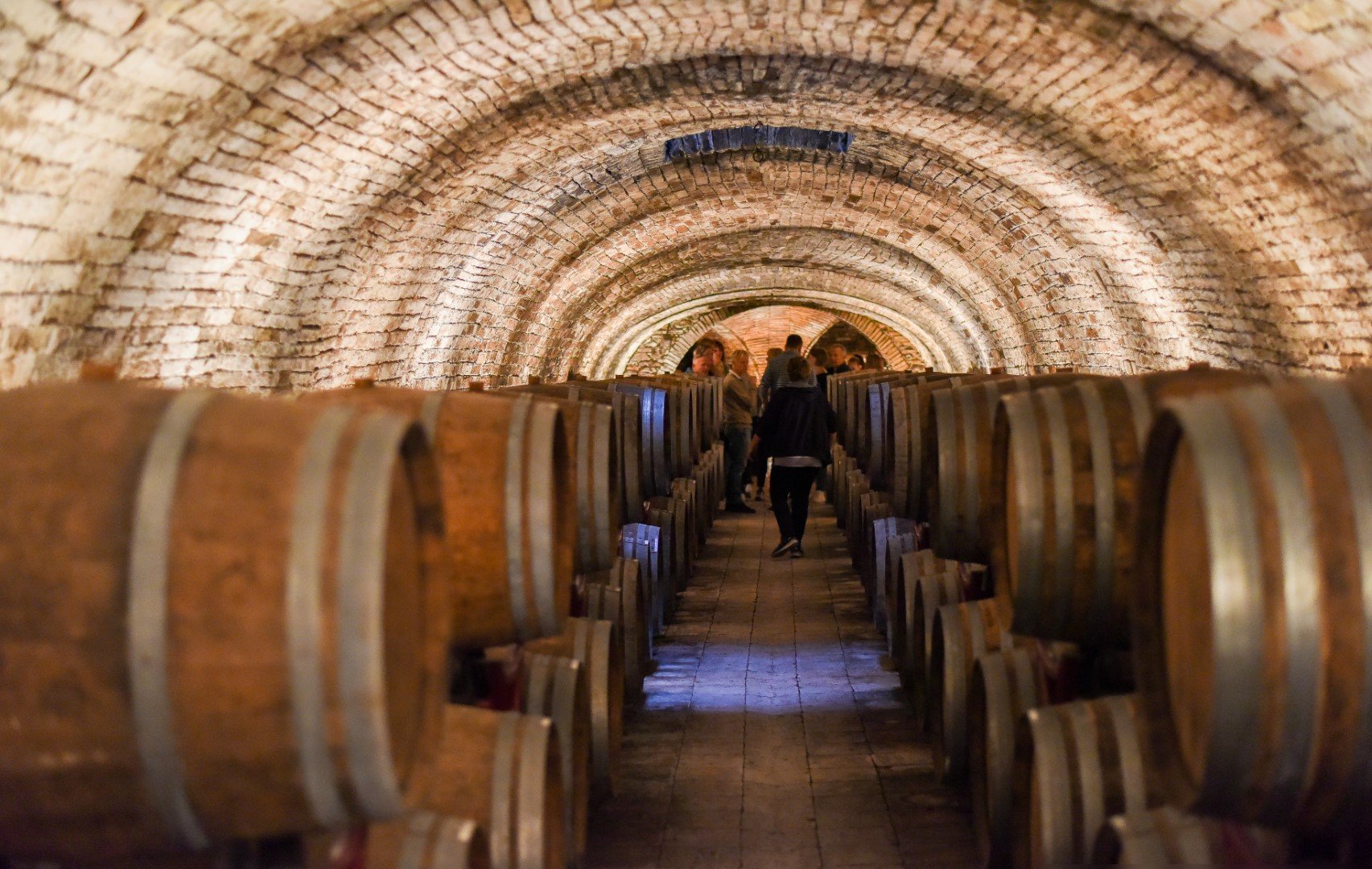
San Giustino’s cuisine brings together the rich traditions of both Umbria and the Tuscan Valtiberina. Local specialities showcase fresh truffles (both black and white), hand-rolled fresh pasta, artisanal cured meats and Chianina beef, accompanied by excellent extra virgin olive oil from the surrounding hills.