



Bettona, natürliche Terrasse über Umbrien
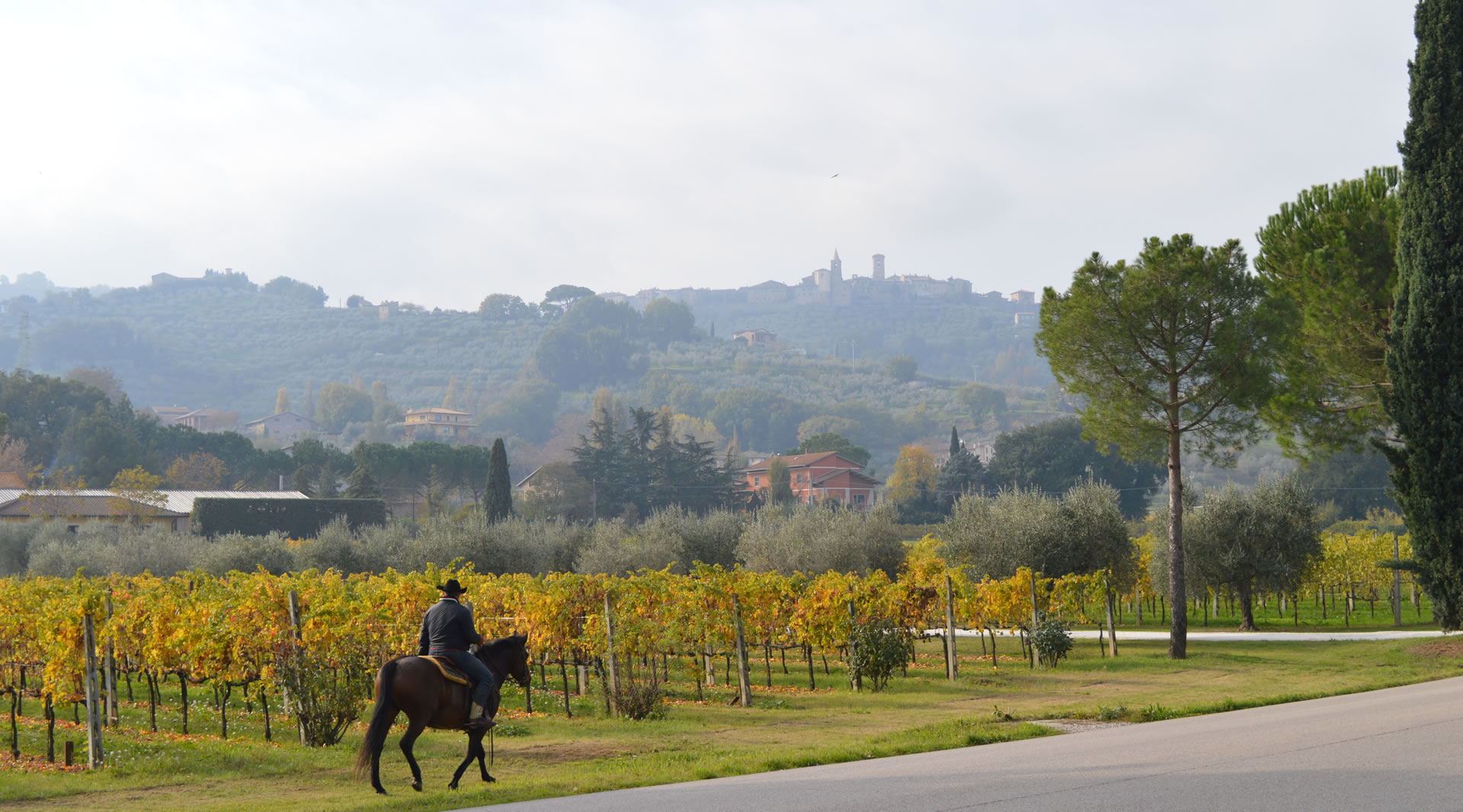
Ein kleines Dorf mit uraltem Herzen, wie schon sein Name andeutet: Bettona soll sich vom Etruskischen „Vetumna“ ableiten, was „Ort der Alten“ bedeutet. Aufgenommen in die Liste der „Schönsten Dörfer Italiens“, erhebt es sich auf dem Gipfel eines Hügels, der zu den Monti Martani gehört, am Zusammenfluss der Flüsse Chiascio und Topino: dies verleiht ihm einen außergewöhnlichen Blick auf das Umbriatal, auf die umliegenden Städte und auf die fernen Berge, die es wie in einer Umarmung zu umschließen scheinen.
Das antike Vettona, neuralgisches Zentrum Etruriens in exzentrischer und geheimnisvoller Lage
Die Geschichte des antiken Umbrien ist stark geprägt von den Beziehungen zwischen den Umbrern und den Etruskern, die den Tiber als natürliche Grenze gewählt hatten und sich jeweils am östlichen und westlichen Ufer des „blonden“ Flusses niederließen. Bettona ist, zusammen mit Arna und Todi, ein etruskisches Zentrum, das sich jedoch am östlichen Ufer des Tibers befindet – aus welchem geheimnisvollen Grund auch immer…
Die etruskische Stadt stammt aus einer Zeit zwischen dem 8. und 7. Jh. v. Chr. Ihre Bewohner, die sogenannten Vettonenses, werden von Plinius und anderen antiken Autoren erwähnt. Im Jahr 90 v. Chr. erhielt sie das römische Bürgerrecht und wurde ein Municipium von gewisser Bedeutung, auch dank ihrer strategischen Lage entlang der Via Amerina. Der Überlieferung nach wurde sie bereits im 1. Jh. von dem aus Asien stammenden heiligen Crispolto evangelisiert, der in der Ortschaft Badia den Märtyrertod erlitt, wo seit dem 11. Jh. eine ihm geweihte Kirche existiert. Im 12. Jh., nach den Barbareninvasionen, wurde sie Freie Kommune, doch 1198 kam sie unter die Herrschaft der Kirche.
Eine lange Geschichte von Belagerungen und Herrschaften
1352, nach einer langen Belagerung, wurde Bettona von Perugia erobert und zerstört. Der Überlieferung nach wurden die verbliebenen Steine für den Ausbau des Palazzo dei Priori verwendet, mehr als 150 Notable des Ortes gefangen genommen und sogar die Reliquien des heiligen Crispolto nach Perugia gebracht. 1367 beauftragte der Kirchenstaat Kardinal Albornoz mit dem Wiederaufbau der Stadt in einem kleineren Raum, jedoch mit stärkeren Befestigungen; 1371 erhielt sie auch die Reliquien des Schutzheiligen zurück.
Die Geschichte der umbrischen Kleinstadt war jedoch dazu bestimmt, sich mit jener mächtiger lokaler Herren zu kreuzen: Von 1389 bis 1425 stand sie unter der Herrschaft der Trinci von Foligno; gleich danach wurde sie vom Papst der Herrschaft von Perugia und deren mächtigen Herren, den Baglioni, zugeteilt. 1648 wurde sie endgültig Teil des Kirchenstaates, in dem sie bis 1860 verblieb.
Das Dorf besichtigen, zwischen etruskischen Mauern, Gartenhäusern und atemberaubenden Ausblicken
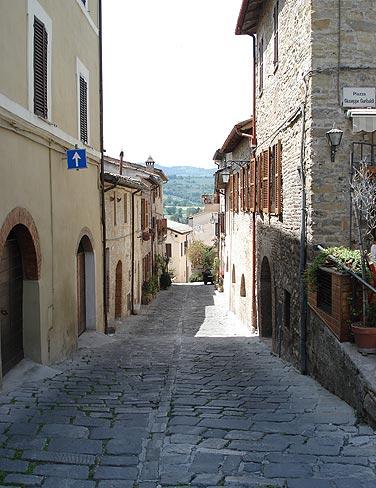
Die Schönheit der umbrischen Stadt entfaltet sich in ihren Gassen und kleinen Plätzen, wo antike und mitunter bedeutende öffentliche und private Bauten aufragen, geschmückt mit Blumen und Pflanzen, und wo stellenweise die mächtigen Mauern etruskischer Zeit hervortreten.
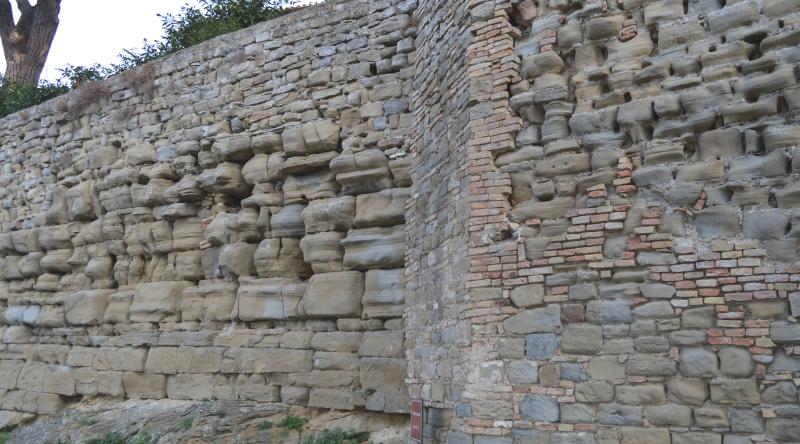
Das mittelalterliche Dorf fällt nämlich mit dem Standort der etruskischen und römischen Stadt zusammen und ist vollständig von der mittelalterlichen Stadtmauer umgeben, die verschiedene Abschnitte der etruskischen Mauern umfasst, die aus dem 6. Jh. v. Chr. stammen und aus großen Sandsteinblöcken errichtet wurden.
Die Siedlung ist vollständig um einen zentralen Raum organisiert, der aus zwei Plätzen besteht: der Piazza Cavour, dem Ort des antiken Forums, und der Piazza Garibaldi, an der die wichtigsten zivilen und religiösen Gebäude liegen.
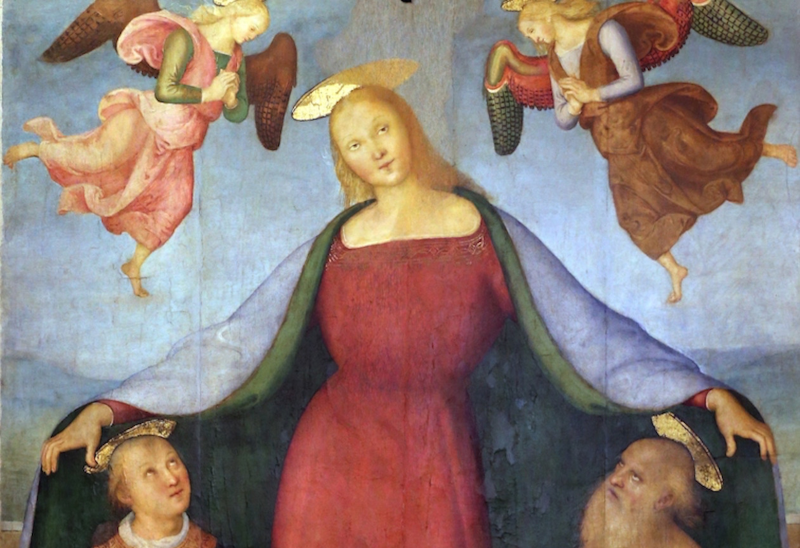
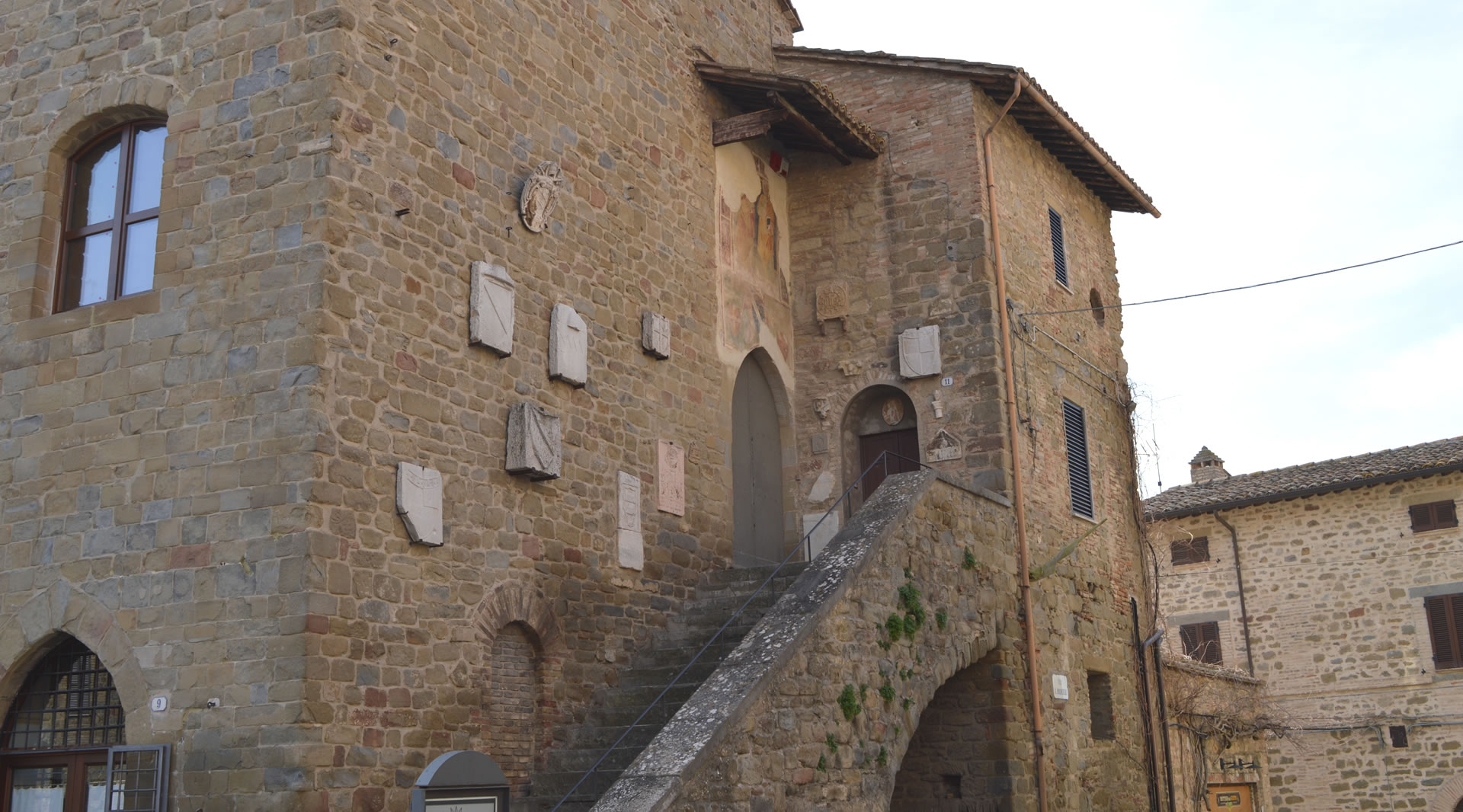
An der Piazza Cavour erhebt sich der Palazzo del Podestà, 1371 fertiggestellt: ein typisch mittelalterliches Steingebäude mit Außentreppe, heute Sitz des Stadtmuseums. Dieses nimmt auch einige Räume der Residenz der Familie Biancalana ein, ein schönes neoklassizistisches Gebäude des 19. Jh. Es gliedert sich in eine Städtische Pinakothek und eine Archäologische Abteilung. Zu den in der Pinakothek aufbewahrten Werken zählen der Heilige Antonius von Padua und die Madonna der Barmherzigkeit mit den Heiligen Stephanus, Hieronymus und den Stiftern, Werke von Pietro Vannucci, genannt Perugino; die glasierte Terrakotta mit Darstellung des Heiligen Antonius von Padua, zuzuschreiben dem Umkreis der Della Robbia; und eine wertvolle Büste von Antonio Canova, signiert und datiert 1812. Es gibt zudem Werke von Künstlern wie l’Alunno, Tiberio d’Assisi, El Greco und Dono Doni. Ein Teil dieser Meisterwerke wurde 1987 aus der Pinakothek gestohlen, glücklicherweise einige Jahre später in Jamaika wiedergefunden.
Auf der linken Seite des Platzes befindet sich die Kirche Santa Maria Maggiore: der Überlieferung nach errichtet auf den Überresten des Hauses einer Frau, die durch den heiligen Crispolto geheilt worden war; sie wurde 1225 erweitert und erneut geweiht. Von der ursprünglichen Konstruktion ist heute nur die gotische Kapelle der heiligen Rita erhalten. Tiefgreifend im 17. und dann im 19. Jh. umgestaltet, besitzt sie eine Apsis, die 1939 vom Futuristen Gerardo Dottori ausgemalt wurde. Daneben steht die Kirche San Francesco aus dem 12. Jh., gekennzeichnet durch ein lebhaftes Inneres, das im 16. Jh. gestaltet wurde. Sie bewahrt das verehrte Holzkruzifix, das am Karfreitag für den Ritus der sogenannten „scavigliazione“ verwendet wird. Gegenüber erhebt sich das Oratorium Sant’Andrea, ursprünglich aus dem 12. Jh., jedoch vollständig in barocker Zeit erneuert, mit einer schönen Kassettendecke aus dem 16. Jh., Werk von Benedetto da Montepulciano, und einem bedeutenden Freskenzyklus der Giotto-Schule, datiert 1394, der Szenen der Passion darstellt.
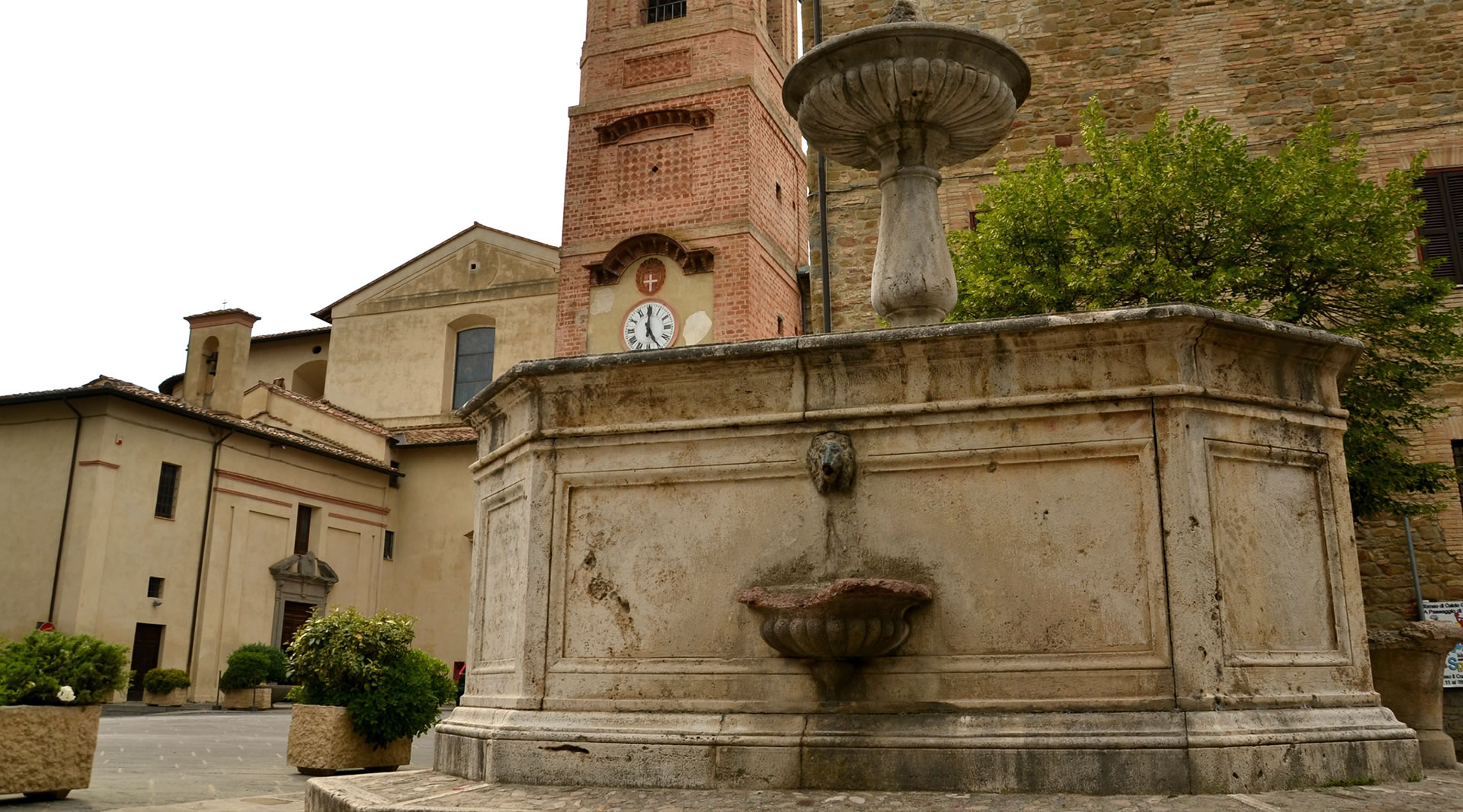
An der Piazza Garibaldi befindet sich das Rathaus, aus der zweiten Hälfte des 14. Jh., jedoch im Laufe der Jahrhunderte mehrfach umgebaut. Im Ratssaal kann man einen schönen Holzchor aus dem 16. Jh. bewundern, der aus der Kirche Sant’Antonio stammt. Ebenfalls an der Piazza Garibaldi liegt eines der ältesten Gebäude der umbrischen Stadt: die Kirche San Crispolto, aus dem 8. Jh., errichtet von Benediktinermönchen, um die Reliquien des Schutzheiligen zu bewahren. Von der romanischen Kirche ist heute nur der spitze Glockenturm erhalten; der Rest des Baus ist Ergebnis späterer Umbauten. In der wunderbaren Stille des umbrischen Platzes kann man das Murmeln des schönen zentralen Brunnens hören, achteckig im Grundriss, Werk des einheimischen Künstlers Garibaldo Mancini, 1890 errichtet als Ersatz für einen alten Brunnen aus dem 15. Jh.
Nicht nur Prestigebauten und Wehrwerke: Noch heute zeichnet sich das historische Zentrum durch Häuser mit kleinem ummauertem Nutzgarten, einer Regenwasserzisterne und einem Brunnen aus. Ein Ensemble, das ein glückliches Gleichgewicht zwischen Wohnhäusern und Grünflächen schafft.
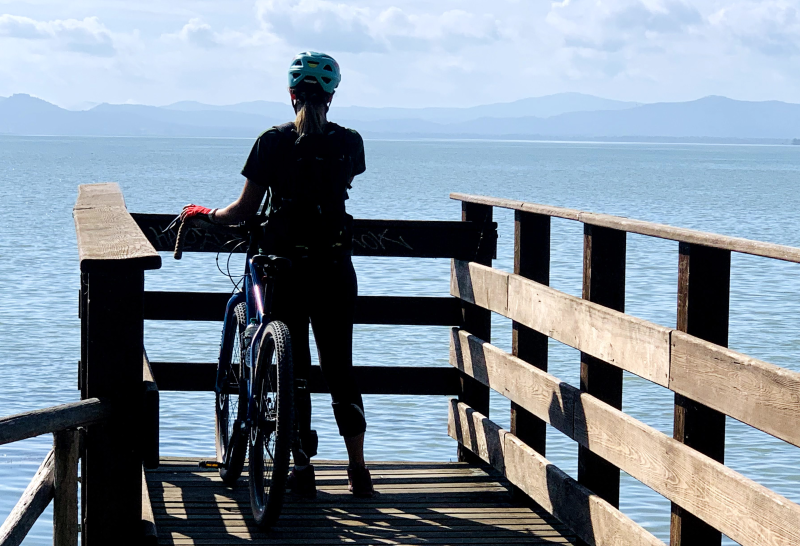
Vom Porta 1 Maggio, wegen der angrenzenden Renaissance-Kirche auch Porta San Giacomo genannt, gelangt man leicht zu dem weiten Platz, der „Balkon von Umbrien“ genannt wird, von dem aus man die herrliche Landschaft und den Blick über das umbrische Tal und „die sich im Kreis absenkenden Berge“ bewundern kann.
Rund um das Dorf: Spaziergänge zwischen wertvollen etruskischen Gräbern und alten mittelalterlichen Abteien
Verlässt man das Dorf durch das nördliche Tor, erreicht man den Klosterkomplex von Sant’Antonio, 1502 von den Franziskanern auf den Resten einer alten Festung errichtet, im späten 18. Jh. erneuert. Am Festtag des Heiligen, dem 17. Januar, werden in der Kirche die Brote geweiht und verteilt; nach der Segnung beginnt der traditionelle „cavalcata“: die von den Priores geführten Pferde galoppieren bis nach Bettona.
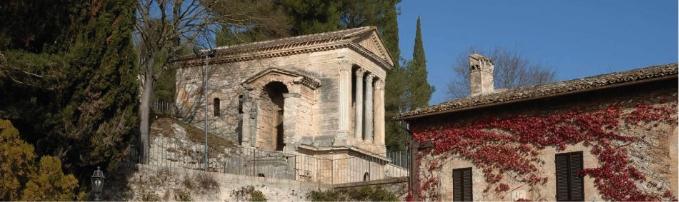
Im Ortsteil Colle, an einer Flussschleife des Chiascio, befand sich die antike etruskische Nekropole von Vettona. Hier kann man das wertvolle etruskische Kammergrab mit Tonnengewölbe bewundern, das aus dem 2.–1. Jh. v. Chr. stammt. Vollständig aus lokalem Sandstein errichtet, enthielt es ein Grabensemble aus Urnen, Gold, Glas und Bronzen, die heute im Nationalen Archäologischen Museum von Perugia ausgestellt sind.
Entlang des Sambro trifft man auf die kleine romanische Kirche San Gregorio aus dem 13. Jh., mit charakteristischem Glockengiebel und vorgelagertem Portikus, im Mittelalter als Lazarett genutzt. In der Ortschaft Cerreto befindet sich die Abtei San Quirico, ein Benediktinerkloster aus dem 12. Jh.; vom alten Komplex ist die kleine romanische Kirche mit einem schönen mittelalterlichen Fresko an der Fassade erhalten.
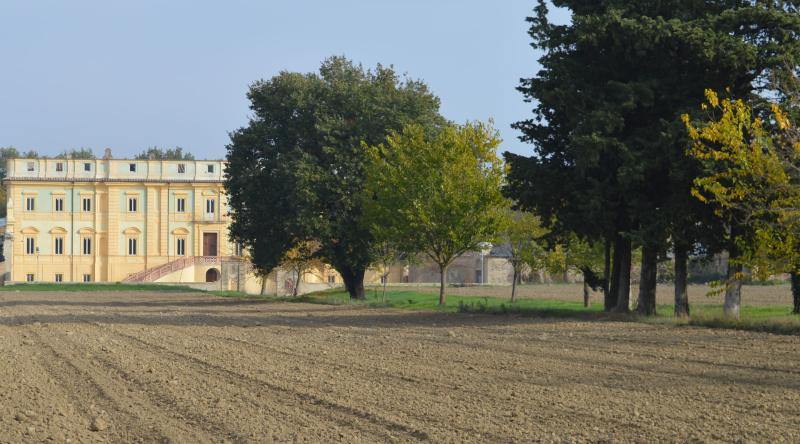
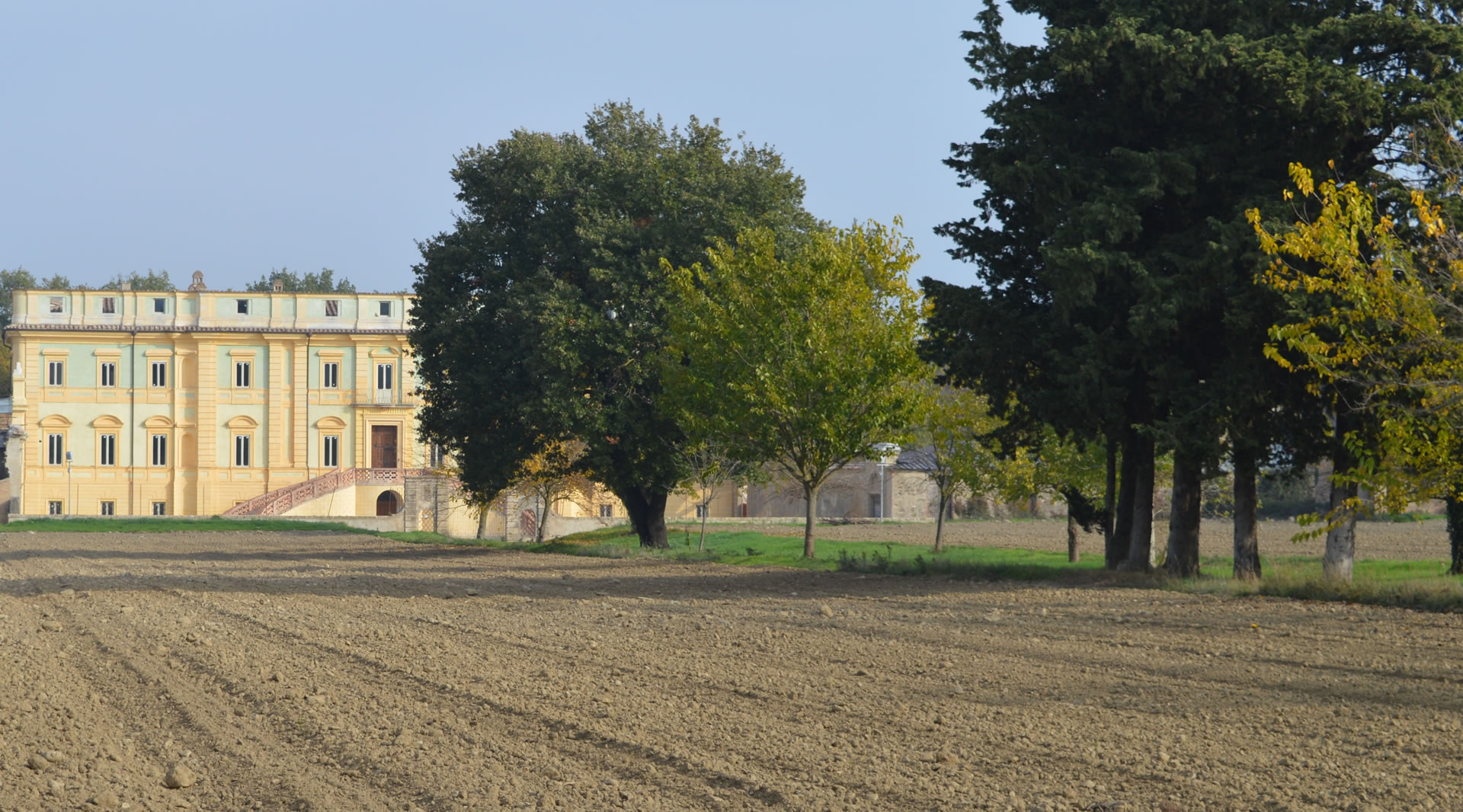
Wenn man in Richtung des Ortsteils Passaggio di Bettona hinabsteigt, stößt man auf den Turm des Molinaccio aus dem 13. Jh. Aussichtsturm in den Kriegen gegen Perugia und zugleich zum Schutz einer Mühle errichtet – daher der Name – bewahrt er noch seine ursprüngliche Struktur und den schönen Zinnenkranz. Weiter unten liegt die Villa del Boccaglione, eine großartige Landresidenz des 18. Jh., entworfen von Piermarini für die Adelsfamilie der Crispolti aus Bettona.
Im Ortszentrum von Passaggio, an der Piazza Garibaldi, befindet sich der interessante Komplex der Badia di San Crispolto al Piano, heute ein Privathaus, erbaut vor dem Jahr 1000 auf einem römischen Gebäude, in dem der Überlieferung nach das Martyrium des heiligen Crispolto und seiner Gefährten stattfand.