





Cesi
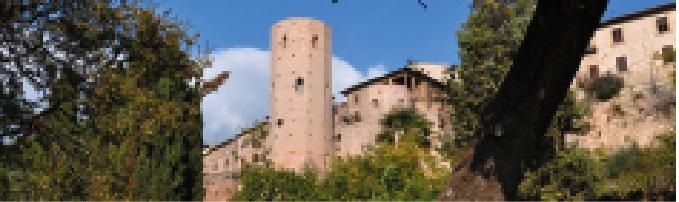
Arroccato tra le pieghe verdi dell’Umbria, Cesi è un piccolo gioiello sospeso tra Terni e San Gemini e adagiato sulle pendici del Monte Torre Maggiore, una delle ultime e più alte vette dei Monti Martani, conosciuto come Monte Eolo, dimora del dio dei venti.
Ammirato per secoli proprio per la sua caratteristica posizione, Cesi incanta fin dal primo passo: passeggiando tra chiese e palazzi, vie interne e piazze dai nomi altisonanti – come quella dedicata a Federico Cesi, illustre esponente dell’omonima casata dei duchi di Acquasparta e fondatore dell’Accademia Nazionale dei Lincei – si può respirare l’atmosfera di un luogo dalla storia millenaria che si perde nella leggenda.
Da rifugio degli esuli della perduta Carsulae a capitale delle Terre Arnolfe
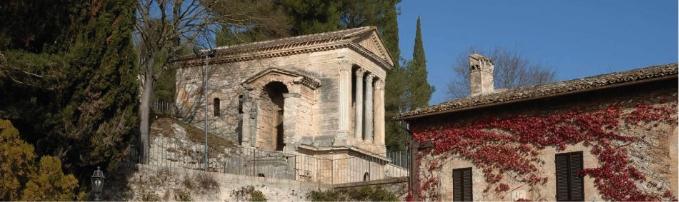
Le origini di Cesi vengono fatte risalire agli Umbri, come testimonia la presenza di una necropoli, i templi di Monte Torre Maggiore e resti di imponenti mura poligonali, interpretati come la prova che qui sorgeva una città umbro-romana, identificata con il centro di Clusiolum.
Con la dominazione romana, alla fine del III secolo a.C. il territorio della città umbra ricadde sotto il controllo di Carsulae. Solo dopo il suo abbandono, avvenuto intorno al IV-V sec., avvenne la fondazione di Cesi, toponimo che probabilmente deriva dal latino caesa, “luogo diboscato”.
Dopo il periodo di dominazione longobarda, nel 962 l’Imperatore Ottone I di Sassonia trasformò la zona in un dominio feudale, affidandolo ad Arnolfo, suo consigliere e vicario imperiale. Da questo momento fino al XVIII secolo Cesi diventa il fulcro delle Terre Arnolfe, un territorio fortificato che comprendeva numerosi castelli come quello di San Gemini, Acquasparta, e Montecastrilli.
La Rocca di Cesi, situata sul monte Sant’Erasmo, ospitava il castellano o governatore, nominato dal Papa, che esercitava la giurisdizione sulle Terre Arnolfe. Il ruolo strategico di Cesi fu così importante che la città nei secoli successivi fu contesa da Terni, Todi e Spoleto. Nel 1525 il Papa Clemente VII ne assegnò la signoria a Paolo Cesi, a cui si deve la costruzione del palazzo che domina il centro storico di Acquasparta.
Durante il XVI e XVII secolo, Cesi raggiunse il suo massimo splendore, come dimostra la costruzione dei numerosi palazzi nobiliari e, sotto il controllo dello Stato Pontificio, mantenne il ruolo di capitale delle Terre Arnolfe fino a inizio Settecento. Cesi mantenne l’autonomia comunale dal 1861 al 1927, quando fu annesso al comune di Terni, di cui oggi rappresenta una delle frazioni dalla storia più affascinante.