







.jpg/e9571273-0e35-1ff2-0713-76c7fd4e3cc5?width=456)

Terni area, among ancient villages and local flavours
Ternano, fra antichi borghi e sapori locali

Typical of Terni, Panpepato (or Pampepato) is a dessert with very ancient origins. This round-shaped specialty is based on walnuts, hazelnuts, almonds, cinnamon, nutmeg, chocolate, honey and raisins: a real concentrate of energy that makes it, in fact, a very popular dessert during the Christmas period.
Each family uses a revised version of the traditional recipe which is also why it is considered a popular dessert.
Recently the Panpepato di Terni received the important recognition of PGI product - Protected Geographical Indication precisely for its typicality, for its ancient origins that date back to at least 1500 and for the strong link with the territory of the entire province of Terni and municipalities of Massa Martana, Marsciano, Todi, Fratta Todina, Montecastello di Vibio and Deruta.
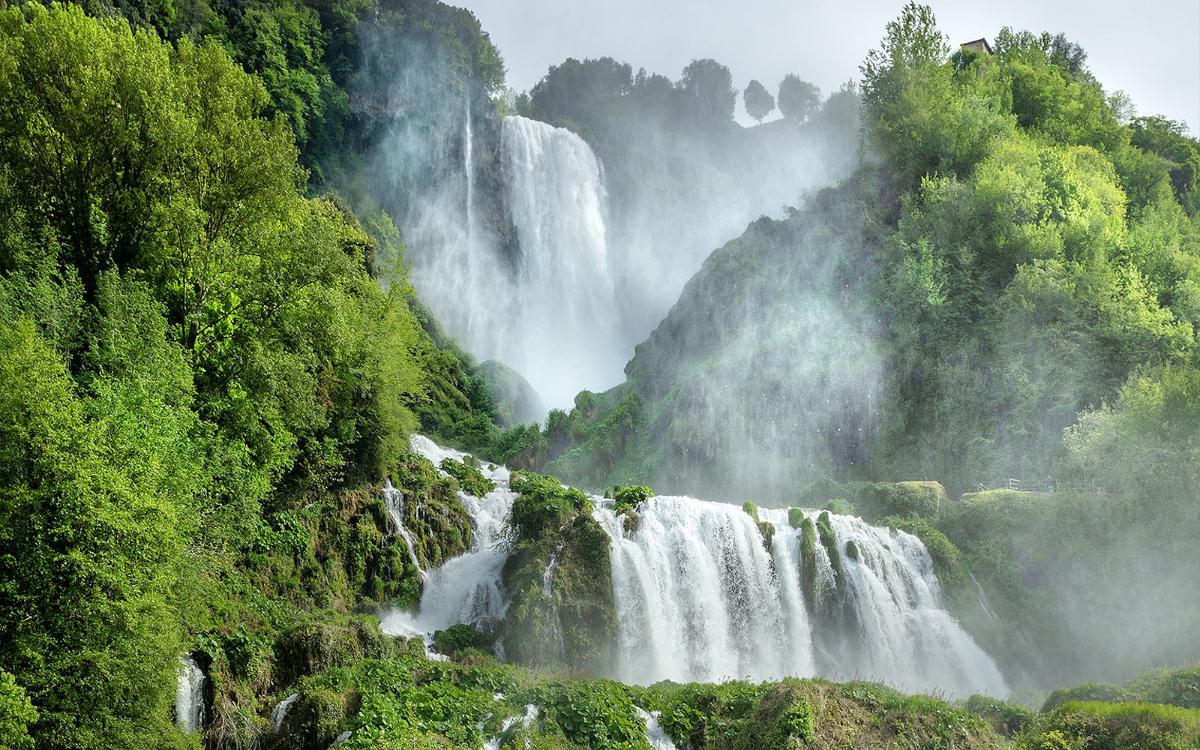
The Nera River Park offers visitors a myriad of activities to choose from: you can visit the Marmore Falls, or go for a lovely hike along the many trails deep within pristine nature. If you love adventurous sports, choose from among the many water sports and even rock climbing and caving.

A moderately easy walking route through the Valnerina valley near Terni. A journey through history, nature and olive-growing traditions.
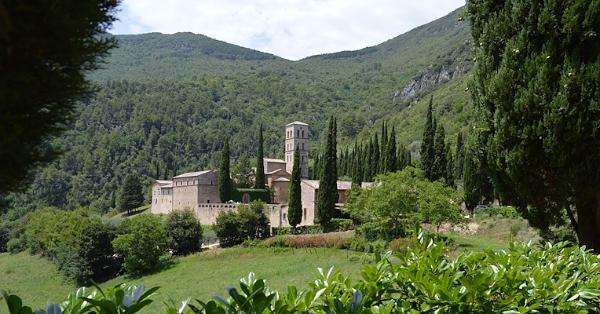
A historical and spiritual itinerary along an ancient mule track, once an important trade route connecting the Spoleto Valley, the Valnerina, and the Leonessa Valley.
The Lost City on the Via Flaminia

The destination par excellence for birdwatching and nature photography.
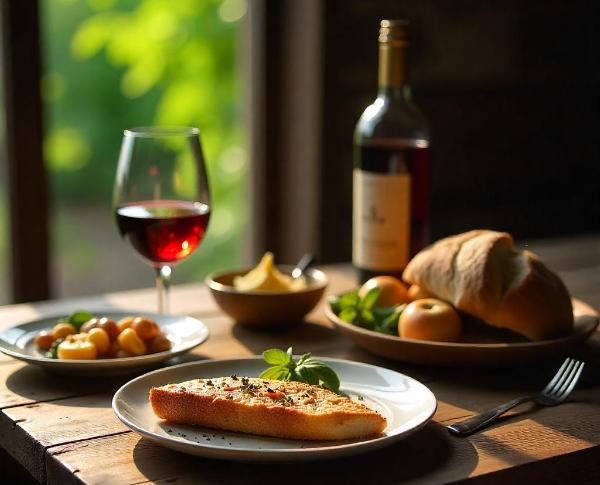
Every road leads to a story to be tasted; a journey through ancient olive trees, forgotten wines, and unchanged flavors.
The ring of stone defending the city of Amelia
The great work of underground hydraulic engineering: water reservoir of the Roman city of Ameria
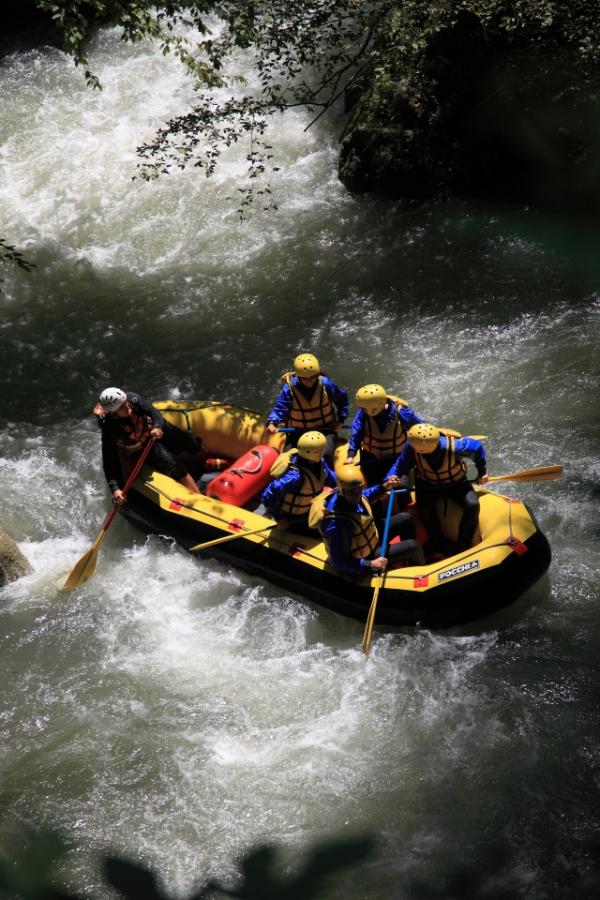
Between gorges and canyons carved out of rocks, plenty of adrenaline and fun to master the rushing, foaming waters of the rivers; water sports, Valnerina, rafting, canoeing, kayaking, canyoning, hydrospeed
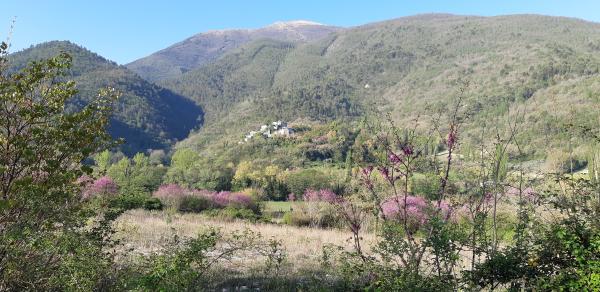
From Sant'Anatolia di Narco to Marmore Falls, an easy itinerary suitable to everyone with a minimum level of training who wishes to enjoy a day immersed in nature in the Valnerina.
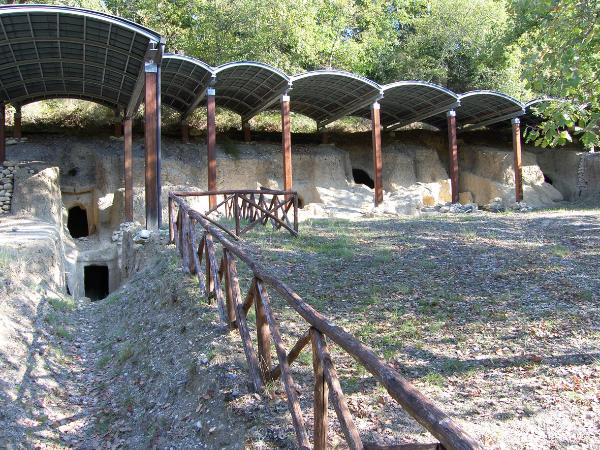
A huge burial area of Umbrian – Etruscan civilization dating back to VI – IV centuries B.C. along the hills sloping down towards the Tiber. A wonderful archaeological heritage which brings unexpected surprises.
The extensive Scoppieto archaelogical site just outside of Baschi is situated on a plateau overlooking the Tiber Valley, an area rich in clay deposits, blessed with water and fertile farmland.

The interior of this church, ancient seat of the St. Anthony’s Confraternity, hosts the monumental Christmas crib in itsbowl-shaped vault of the apse. The nativity scene is made of polychrome terracotta and including more than 30 statues, executed between 1541 and 1546 by the brothers Giacomo and Raffaele da Montereale from Abruzzo..
In the heart of the Valnerina, in the lush Nera River Park, lies the village of Ferentillo, known for the discovery of some mummified bodies inside the crypt of the Church-Museum of Santo Stefano.
The Abbey of San Pietro in Valle, Ferentillo, a historic monastery in the Valnerina valley: treasure trove of art and history
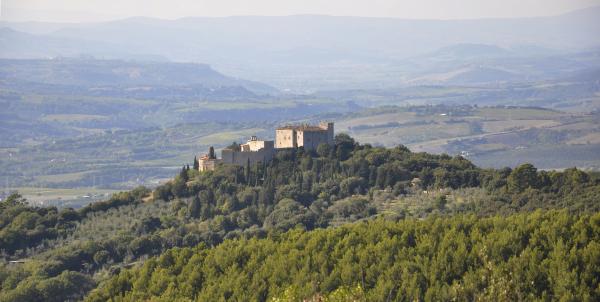
On top of a hill, almost opposite from Guardea Vecchia, is the castle of Poggiorimasto, unchanged for over a thousand years. It was probably built at the beginning of the 11th century, incorporating existing structures.
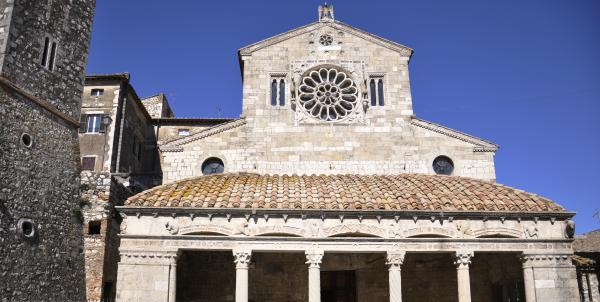
A Romanesque masterpiece in southern Umbria
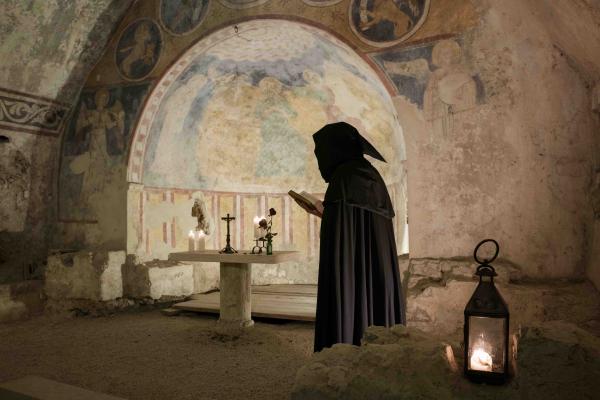
Mysteries and Wonders Below the Surface
The Cardinal’s Last Stronghold
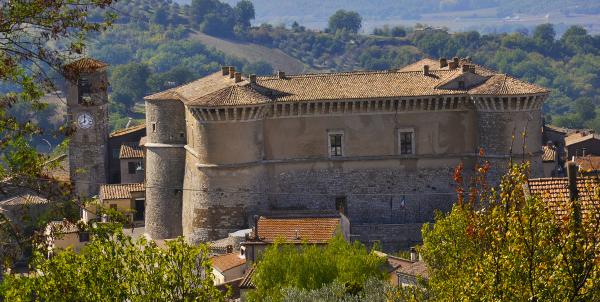
Perched at the top of a rocky hill in the midst of the Tiber and Nera river valleys, Amelia is one of the most interesting historic towns in Umbria. Periods and styles come together inside the mighty polygonal city walls encircling the town, creating an original, aesthetically pleasing atmosphere, illustrating the seasons of art and architecture from Roman times up through the 18th century. The churches and buildings provide evidence of the importance Amelia had in the period between the 16th and 18th centuries, especially as a center of Mannerist and Baroque art. The entire surrounding area is a harmonious succession of landscapes that seem like a series of natural frescoes. The hills sloping down to the Tiber valley are covered with maquis and centuries-old ilexes.
Located at the southwestern border of Umbria, Attigliano is a small village of medieval origin, set on the edge of a natural terrace with a beautiful view of the Tiber River Valley. According to popular tradition the name comes from the Latin "ad tilium," because of the many linden trees (genus Tilia) on the banks of the Tiber flowing below the village. Partially enclosed by walls, Attigliano has a compact form with streets laid out in a system of circular rings centering on piazza della Rocca.
Located in southwestern Umbria at the border with Lazio, Baschi is perched on top of a spur of rock rising high over the valley of the Tiber not far from where it is joined by the Paglia river. Along the road leading to Todi there are luxuriant woods teeming with wildlife and deep karstic sinkholes and chasms.
Calvi dell'Umbria is the most southern municipality of Umbria. It is a small community set on the slopes of Mount San Pancrazio from the top of which can be seen the woods and green hills that continue down to the Tiber Valley. It is an oasis of peace and has been given the name "Delighful Gateway to Umbria" because of its position on the border between Lazio and Umbria.
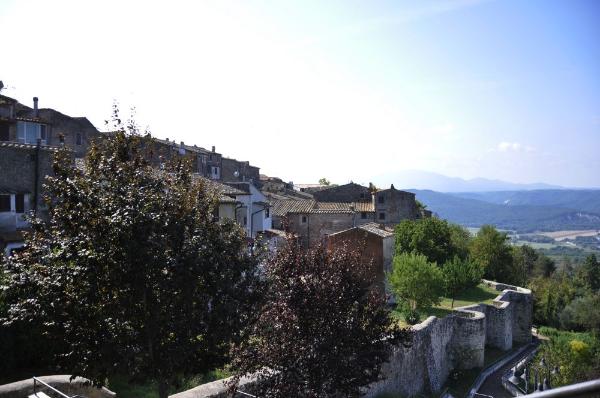
On the south-western border of Umbria, Guardea is a small town that offers a splendid panorama of the Tiber River Valley that in large part is taken up by Lake Alviano. The Alviano Nature Reserve, protected by the WWF, extends from the territory of Guardea into the Municipality of Avigliano.
Located in the southwestern part of Umbria not far from the border with Lazio, Lugnano in Teverina is a small village set gently on a hill that in ancient times might have been a "wood dedicated to Janus" (Lucus Jani), from which the name Lugnano may have derived. The town is entirely enclosed by walls, and commands a splendid scenic view of the Lower Tiber Valley.
Situated in a charming hill area, Montecastrilli has the appearance of a typical medieval village in south-central Umbria, perched at the top of a knoll. The municipal territory includes the outlying hamlets of Castel dell'Aquila, Castel Todino, Farnetta, Quadrelli and Collesecco.
Situated in south-western Umbria, Montecchio is a medieval hamlet set on the slopes of Monte Croce di Serra that looks down onto a section of the Tiber River Valley. The territory is covered in dense forests of incomparable beauty that are particularly appealing because of the uncontaminated woods where mother nature still reigns.
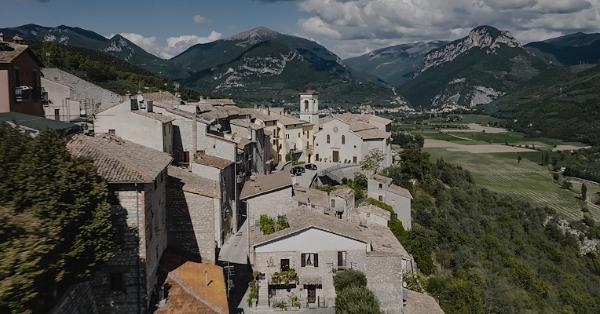
The “free” terrace overlooking the Valnerina
.jpg/c6bab9aa-be78-5180-7290-9ac328073ad1?width=600)
Situated in southern Umbria, Narni is a splendid town rich in history, secured on a calcareous rocky spur overlooking the Nera river, considered the geographical centre of Italy. The town's rich artistic heritage, accrued over three thousand years, is visible above-ground, while below-ground it reveals the past of the entire region: from the Etruscans and the Romans to the Middle Ages.
Straddling the crest of a hill in the southern Umbrian countryside at the border with Lazio, Penna in Teverina rises on a promontory with a magnificent view of the Tiber River flowing below in the valley. This small center is a peaceful, friendly medieval village, the ideal place for Sunday outings in search of genuine foods and wines, peace and relaxation.
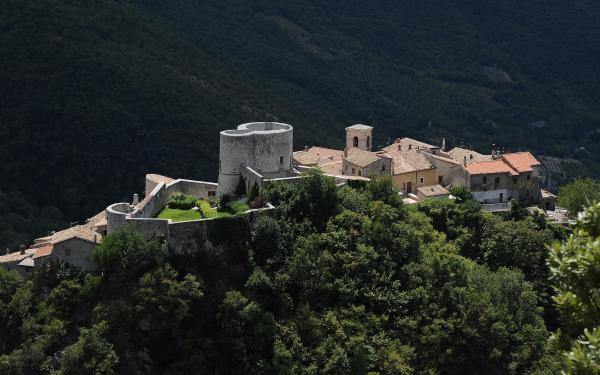
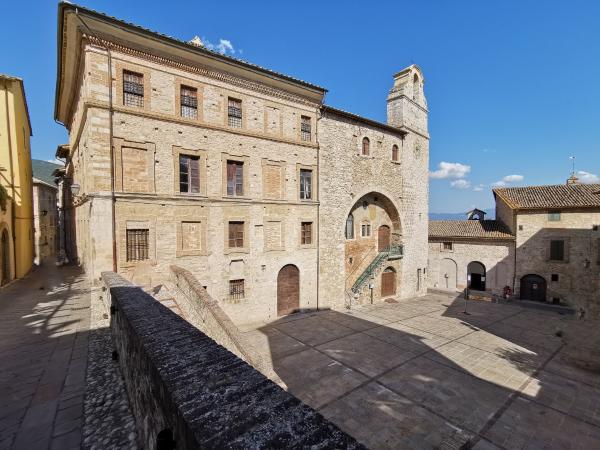
Situated in southern Umbria, San Gemini sits on a hill stretching along the ancient Via Flaminius. Rich is history, it owes much of its fame to a mineral water spring that has been utilised commercially since 1889, which is well-known for its curative properties deriving from the unspoiled habitat of the Martani Mountains.
Stroncone is an enchanting medieval village near Umbria's southern border with Lazio, clinging to the side of a beautiful hill covered with olive groves. Securely enclosed by solid castle walls, it offers visitors history, art, culture, and an evocative Franciscan spirituality. Stroncone is in a wonderful position at an elevation of 450 meters, making it an excellent health resort for spending a peaceful, relaxing summer holiday.
.png/7ec2d600-58ba-f857-c015-6a8c87f9c809)
.png/d3c8ef9c-3c02-2e60-3e57-72edd95b4a72)
.png/20d8c28a-61ef-cc68-2ee8-90d14cfc8c2e)