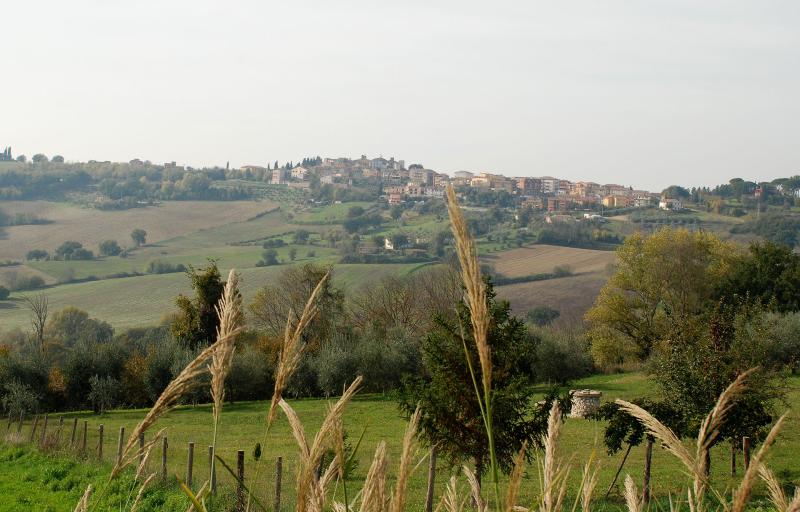
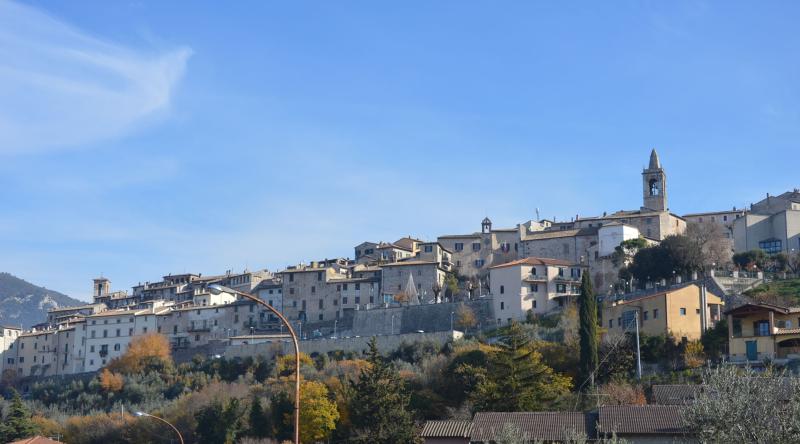
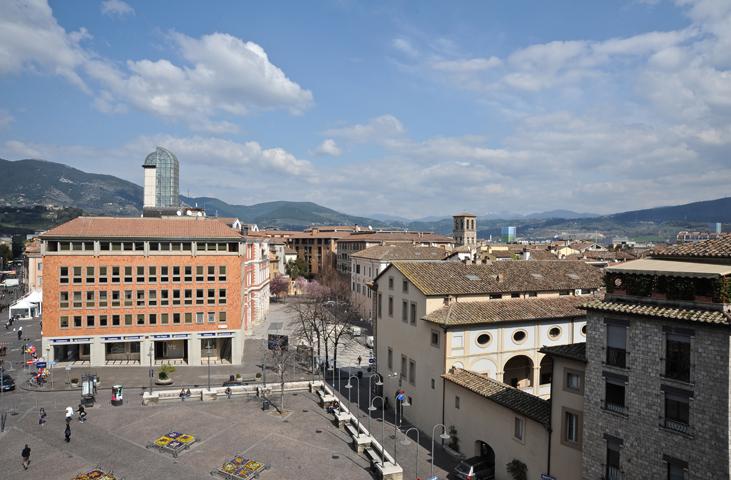
Région de Terni, entre villages anciens et saveurs locales
Ternano, fra antichi borghi e sapori locali
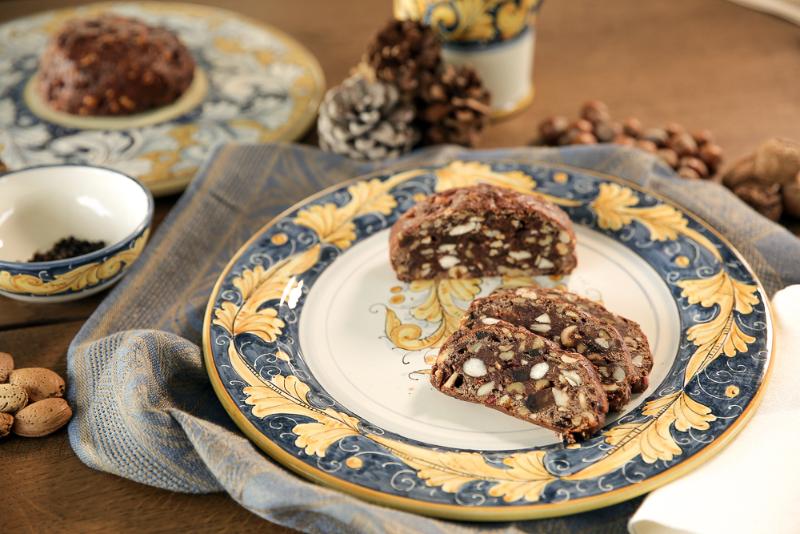
Typique de Terni, le Panpepato (ou Pampepato) est un dessert aux origines très anciennes. Cette spécialité de forme ronde est à base de noix, de noisettes, d'amandes, de cannelle, de muscade, de chocolat, de miel et de raisins secs : un véritable concentré d'énergie qui en fait, de fait, un dessert très apprécié pendant la période de Noël.
Chaque famille utilise une version révisée de la recette traditionnelle, ce qui explique également pourquoi elle est considérée comme un dessert populaire.
Récemment, le Panpepato di Terni a reçu l'importante reconnaissance du produit IGP - Indication Géographique Protégée précisément pour sa typicité, pour ses origines anciennes qui remontent à au moins 1500 et pour le lien fort avec le territoire de toute la province de Terni et les municipalités de Massa Martana, Marsciano, Todi, Fratta Todina, Montecastello di Vibio et Deruta.
Le parc de la rivière Nera : nature, activités sportives et saveurs
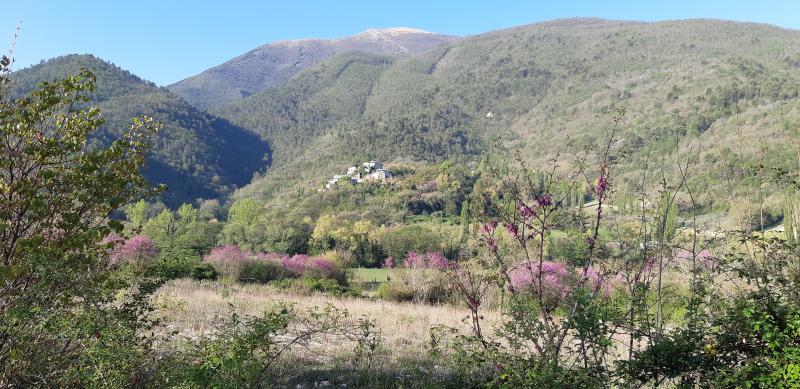
Un itinéraire de randonnée peu exigeant dans la Valnerina près de Terni. Un voyage entre histoire, nature et traditions liées à la culture de l'olivier.
Un itinéraire historique et spirituel le long d’un ancien chemin de mule, autrefois une voie de communication très importante pour le commerce entre la vallée de Spoleto, la Valnerina et la vallée de Leonessa.
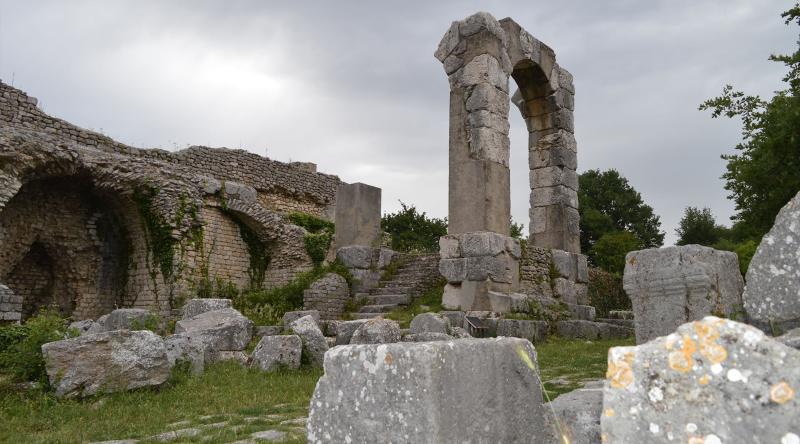
La ville perdue sur la Via Flaminia
La destination par excellence pour l'observation des oiseaux et la photographie nature.
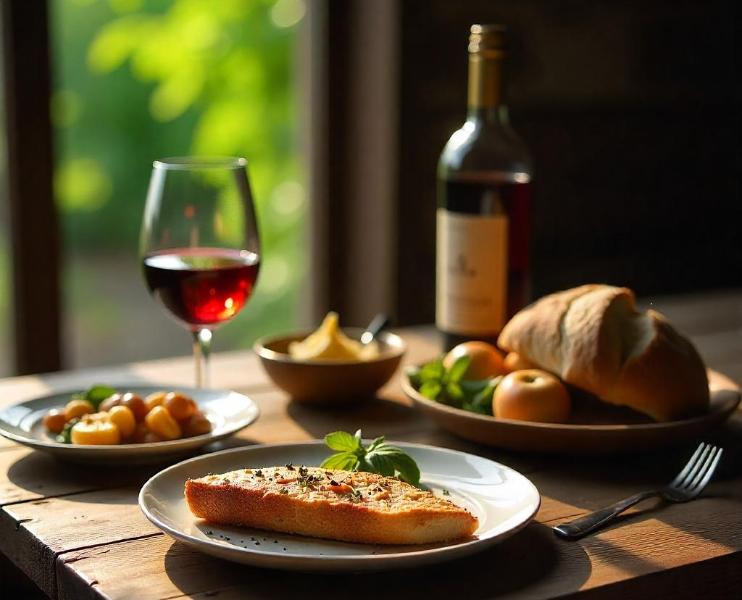
Chaque route mène à une histoire à savourer ; un voyage entre oliviers millénaires, vins oubliés et saveurs intactes.
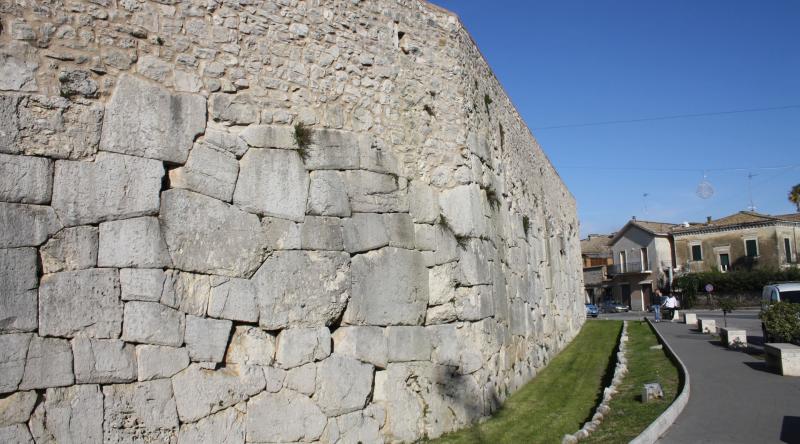
L’anneau de pierre qui défend la ville d’Amelia
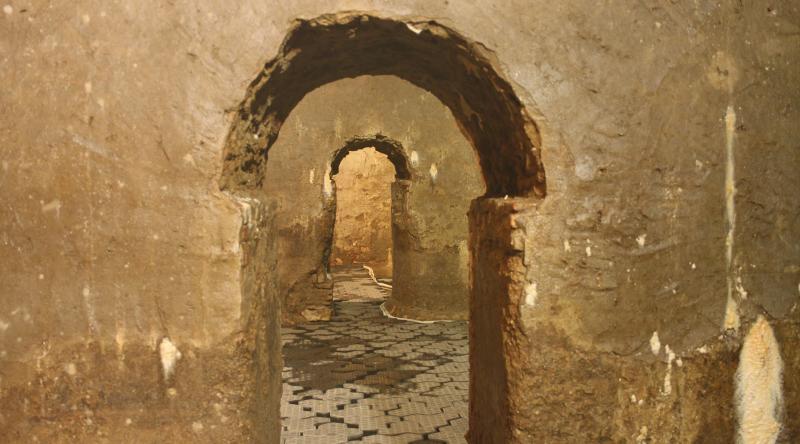
Le grand ouvrage d’hydraulique souterraine: réservoir d’eau de la cité romaine d’Ameria
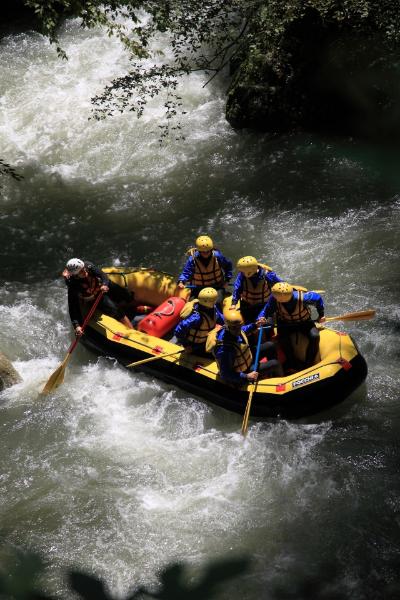
Entre gorges et canyons taillés dans la roche, beaucoup d’adrénaline et de plaisir à maîtriser les eaux vives et écumantes des rivières; sports aquatiques, Valnerina, rafting, canoë, kayak, canyoning, hydrospeed
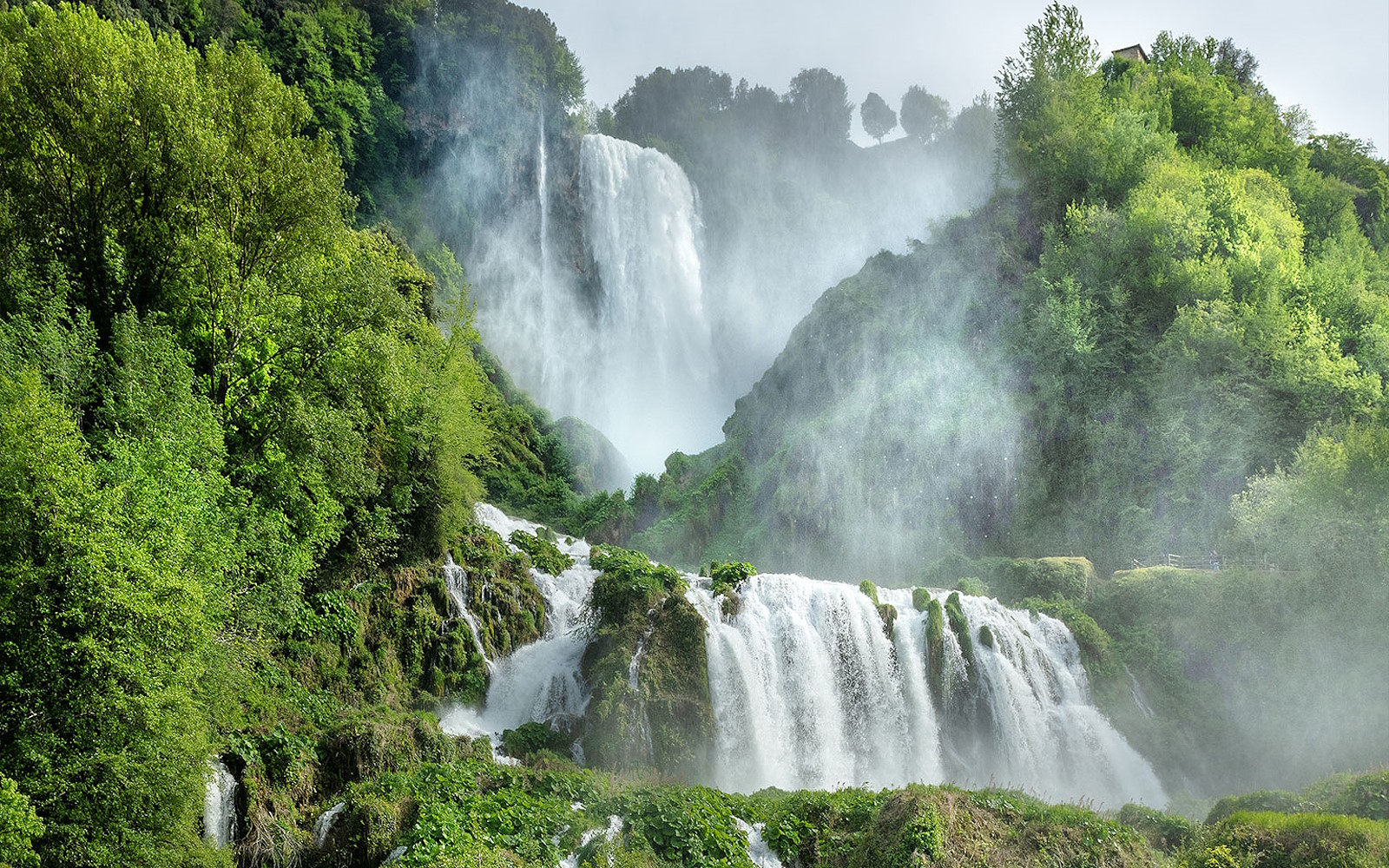
De Sant’Anatolia di Narco à la Cascade des Marmore un itinéraire facile, adapté à tous ceux qui veulent profiter d’une journée immergés dans la nature de la Valnerina.
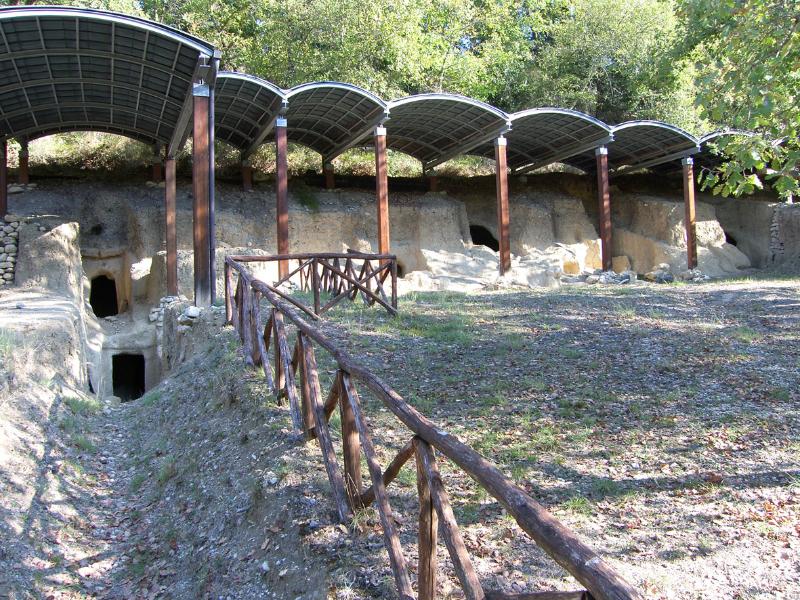
Une très vaste zone funéraire de la civilisation ombrienne – étrusque remontant au VI – IV siècle avant J. –C sure les collines qui descendent vers le Tibre. Un magnifique patrimoine archéologique qui conserve des surprises inattendues.
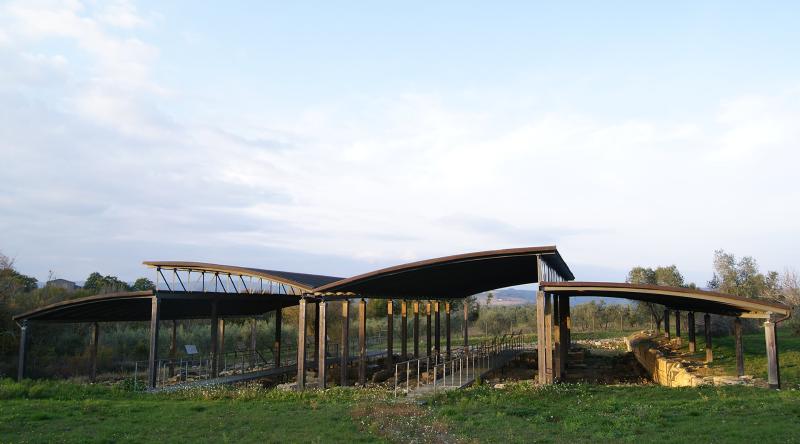
Le vaste site archéologique de Scoppieto, situé juste à l’extérieur de Baschi, s’étend sur un plateau dominant la vallée du Tibre, une zone riche en gisements d’argile, dotée de ressources en eau et de terres agricoles fertiles.
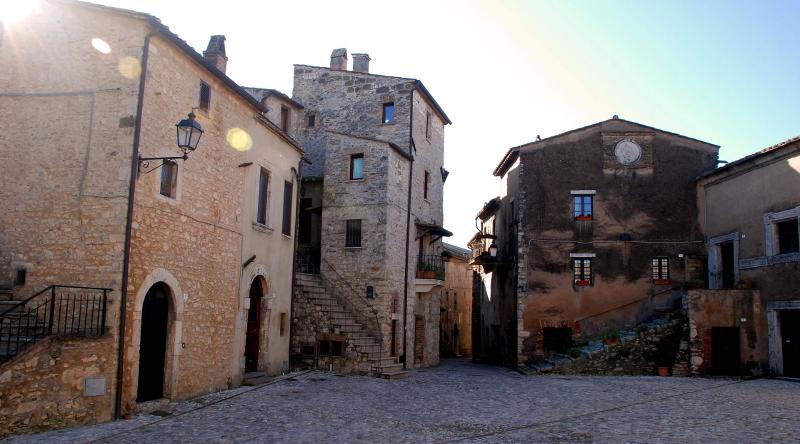
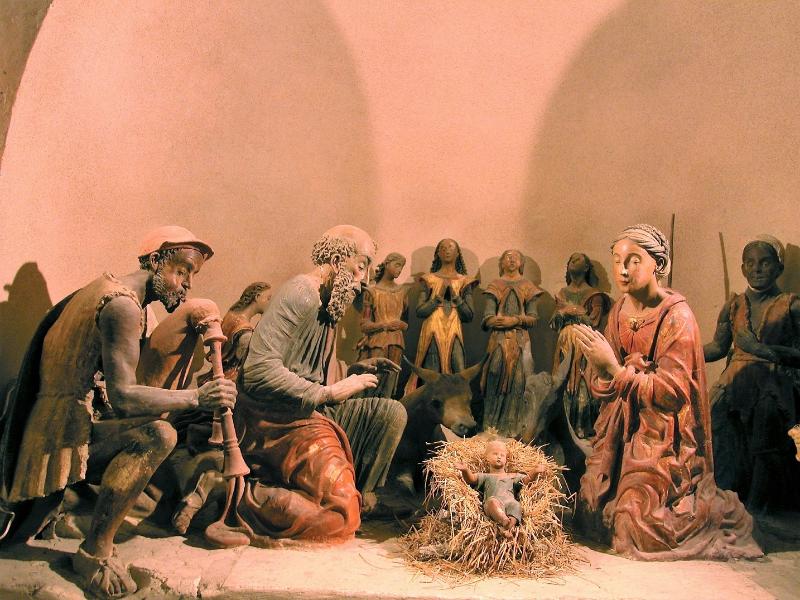
La crèche monumentale, les crèches du Musée des Ursulines et le parcours des fresques sur la Nativité dans le centre historique.
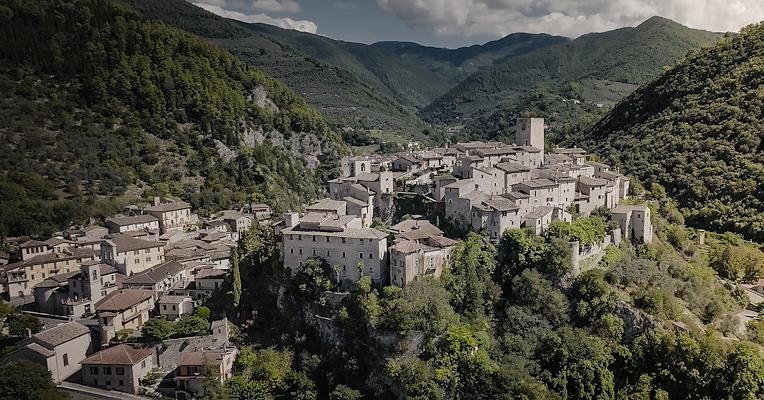
Au cœur de la Valnerina, dans le luxuriant parc du fleuve Nera, se trouve le village de Ferentillo, connu pour la découverte de plusieurs corps momifiés à l'intérieur de la crypte de l'église-musée de Santo Stefano
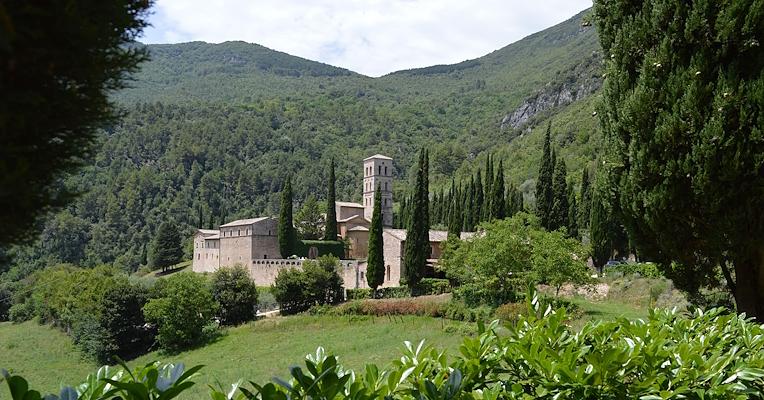
Visite de l'abbaye bénédictine de San Pietro in Valle, un trésor d'art et d'histoire
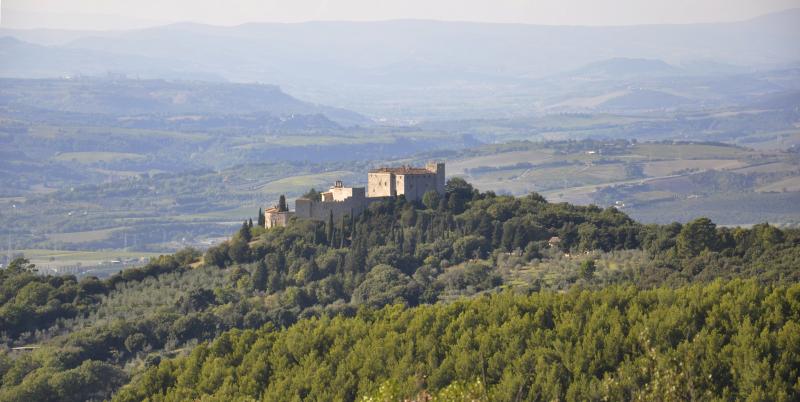
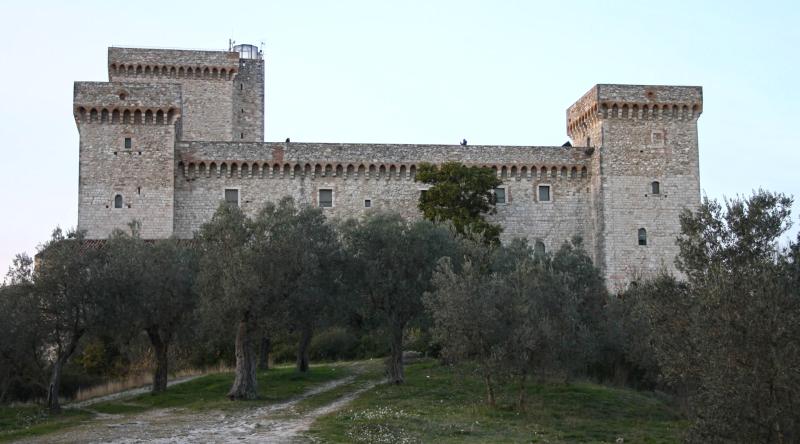
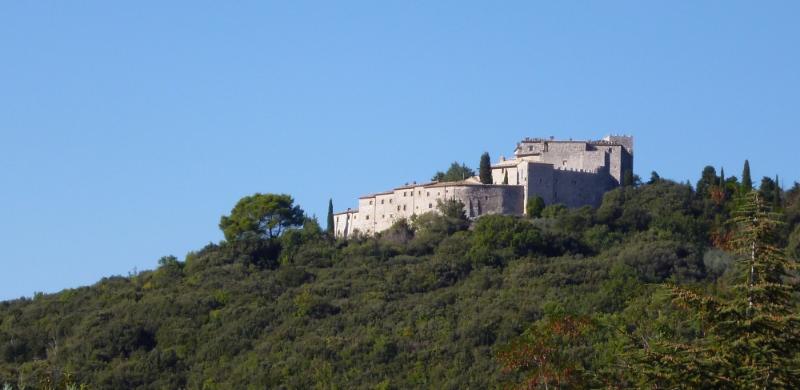
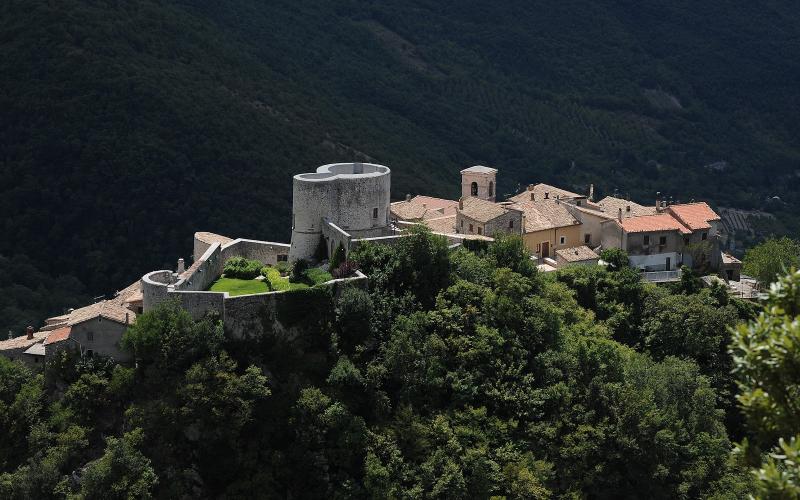
Dominant avec une majesté austère le sommet d'une colline solitaire, le Castello del Poggio se dresse à l’horizon comme un témoin silencieux de siècles d’histoire.
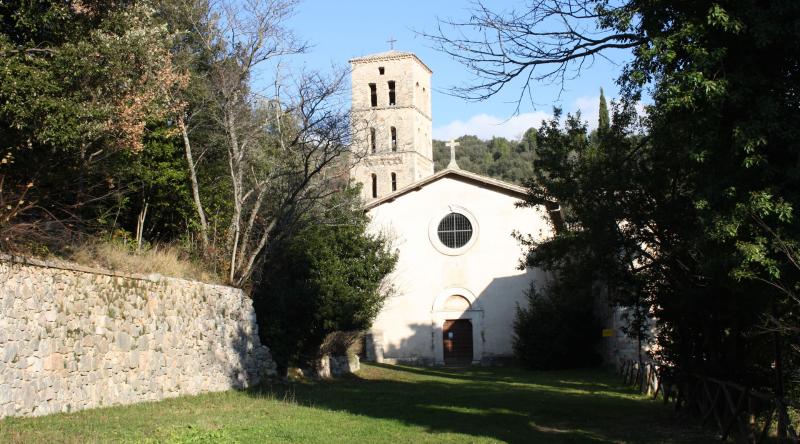
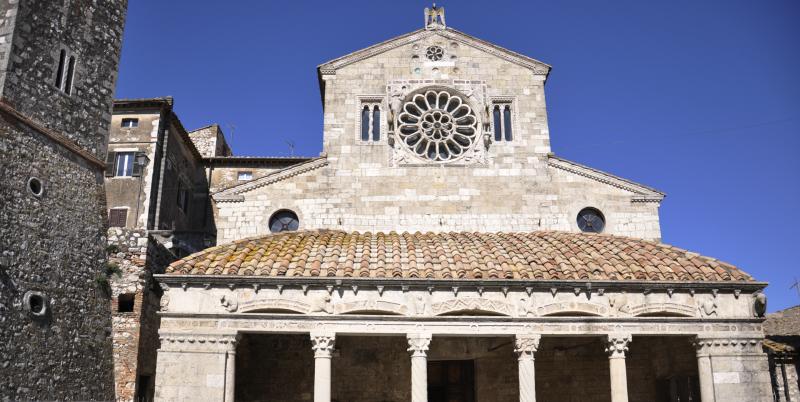
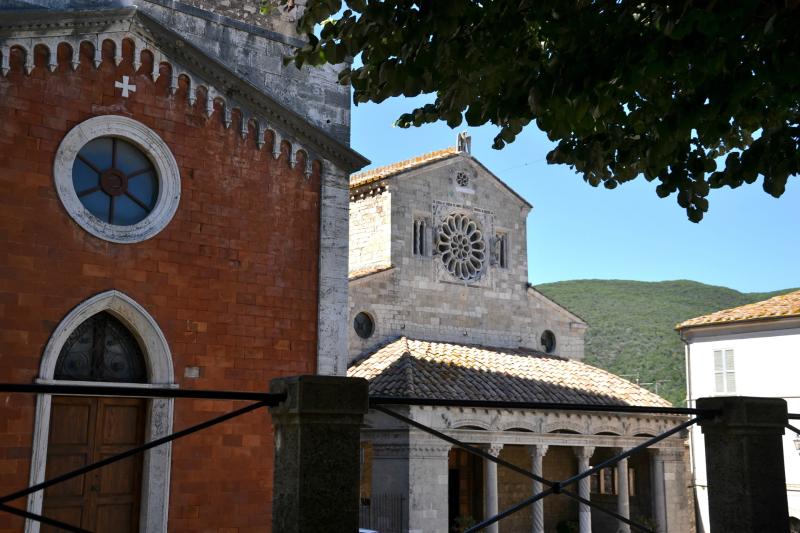
Un chef-d'œuvre roman dans le sud de l'Ombrie
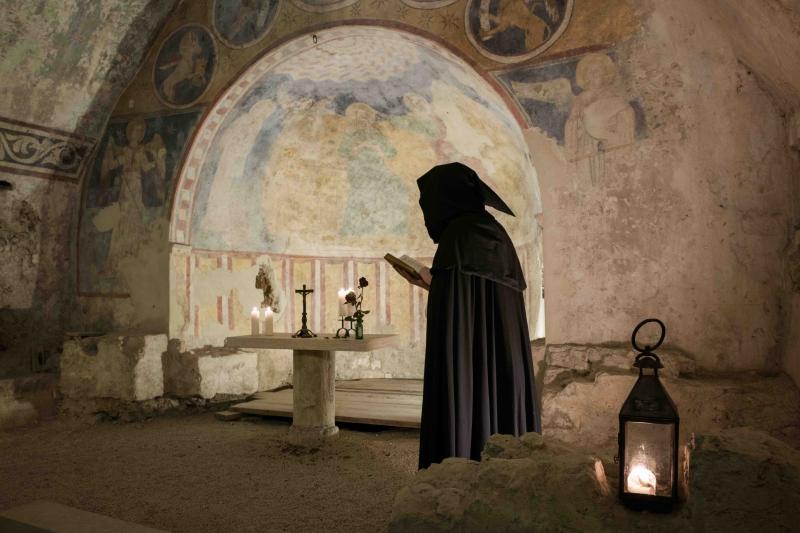
Mystères et merveilles sous la surface
Une fenêtre sur le moyen-âge
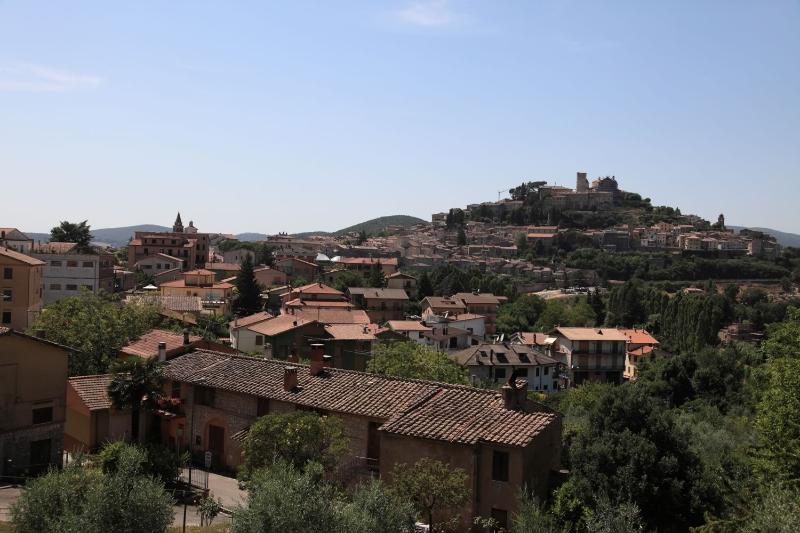
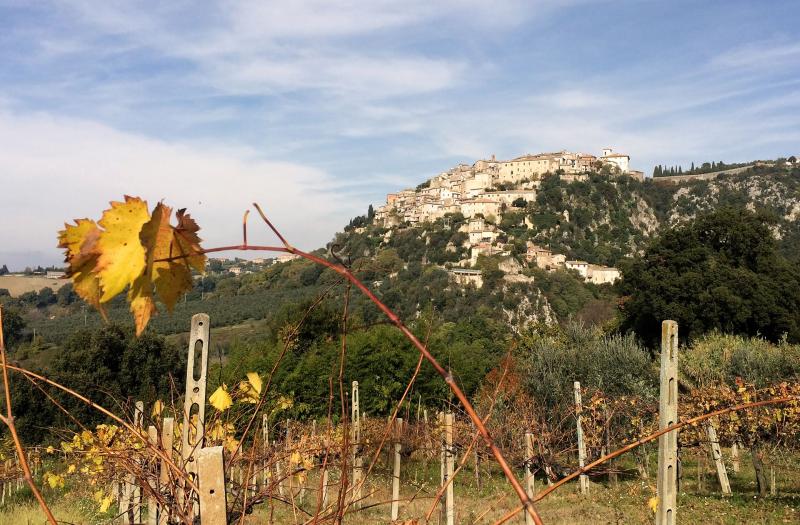
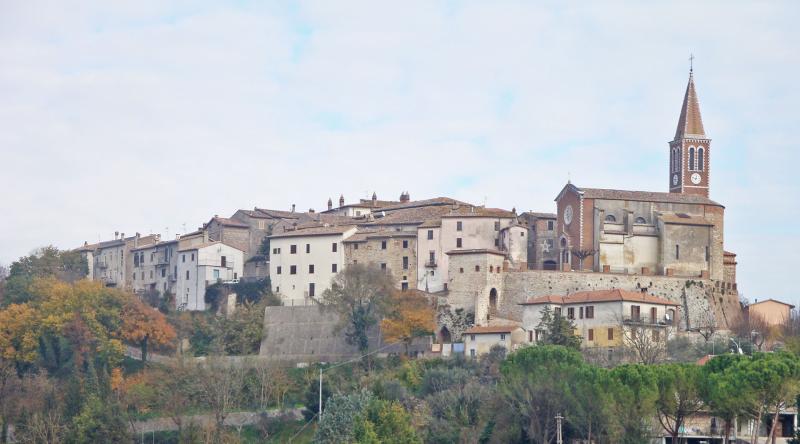
Perched at the top of a rocky hill in the midst of the Tiber and Nera river valleys, Amelia is one of the most interesting historic towns in Umbria. Periods and styles come together inside the mighty polygonal city walls encircling the town, creating an original, aesthetically pleasing atmosphere, illustrating the seasons of art and architecture from Roman times up through the 18th century. The churches and buildings provide evidence of the importance Amelia had in the period between the 16th and 18th centuries, especially as a center of Mannerist and Baroque art. The entire surrounding area is a harmonious succession of landscapes that seem like a series of natural frescoes. The hills sloping down to the Tiber valley are covered with maquis and centuries-old ilexes.
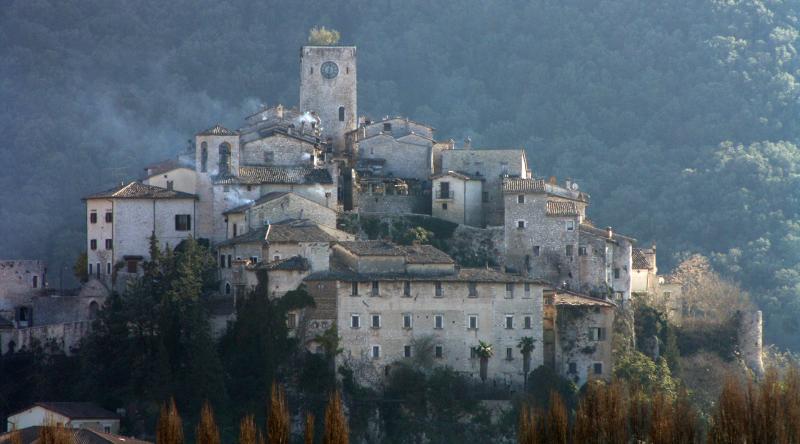
Located at the southwestern border of Umbria, Attigliano is a small village of medieval origin, set on the edge of a natural terrace with a beautiful view of the Tiber River Valley. According to popular tradition the name comes from the Latin "ad tilium," because of the many linden trees (genus Tilia) on the banks of the Tiber flowing below the village. Partially enclosed by walls, Attigliano has a compact form with streets laid out in a system of circular rings centering on piazza della Rocca.
Located in southwestern Umbria at the border with Lazio, Baschi is perched on top of a spur of rock rising high over the valley of the Tiber not far from where it is joined by the Paglia river. Along the road leading to Todi there are luxuriant woods teeming with wildlife and deep karstic sinkholes and chasms.
Calvi dell'Umbria is the most southern municipality of Umbria. It is a small community set on the slopes of Mount San Pancrazio from the top of which can be seen the woods and green hills that continue down to the Tiber Valley. It is an oasis of peace and has been given the name "Delighful Gateway to Umbria" because of its position on the border between Lazio and Umbria.
Situated on the south-western border of Umbria, Giove is a characteristic hamlet set within a series of hills sloping down to the Tiber River. The town name derives from a temple dedicated to Zeus who fathered many gods and had numerous hills dedicated to him before the ethnic division between the Umbrii and Etruscans.
On the south-western border of Umbria, Guardea is a small town that offers a splendid panorama of the Tiber River Valley that in large part is taken up by Lake Alviano. The Alviano Nature Reserve, protected by the WWF, extends from the territory of Guardea into the Municipality of Avigliano.
Located in the southwestern part of Umbria not far from the border with Lazio, Lugnano in Teverina is a small village set gently on a hill that in ancient times might have been a "wood dedicated to Janus" (Lucus Jani), from which the name Lugnano may have derived. The town is entirely enclosed by walls, and commands a splendid scenic view of the Lower Tiber Valley.
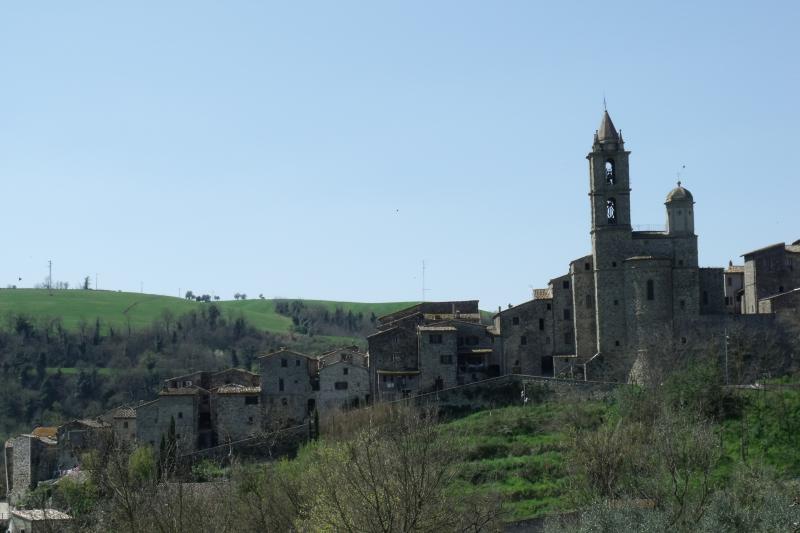
Situated in a charming hill area, Montecastrilli has the appearance of a typical medieval village in south-central Umbria, perched at the top of a knoll. The municipal territory includes the outlying hamlets of Castel dell'Aquila, Castel Todino, Farnetta, Quadrelli and Collesecco.
Situated in south-western Umbria, Montecchio is a medieval hamlet set on the slopes of Monte Croce di Serra that looks down onto a section of the Tiber River Valley. The territory is covered in dense forests of incomparable beauty that are particularly appealing because of the uncontaminated woods where mother nature still reigns.
La terrasse « libre » de la Valnerina
Située dans le sud de l'Ombrie, Narni est une splendide ville riche en histoire, située sur un éperon rocheux calcaire qui domine la rivière Nera, considérée comme le centre géographique de l'Italie. Le riche patrimoine artistique de la ville, accumulé au cours de trois mille ans, est visible en surface, tandis qu'en sous-sol, il révèle le passé de toute la région : des Étrusques et des Romains au Moyen Âge.
Straddling the crest of a hill in the southern Umbrian countryside at the border with Lazio, Penna in Teverina rises on a promontory with a magnificent view of the Tiber River flowing below in the valley. This small center is a peaceful, friendly medieval village, the ideal place for Sunday outings in search of genuine foods and wines, peace and relaxation.
San Gemini est situé dans la partie méridionale de l’Ombrie, sur une petite colline le long de l’ancien tracé de la Via Flaminia. Ville riche en histoire, elle doit une grande partie de sa notoriété à la présence d’une source d’eau minérale, exploitée depuis 1889 et célèbre pour ses propriétés curatives, issues de l’environnement naturel et préservé des Monts Martani.
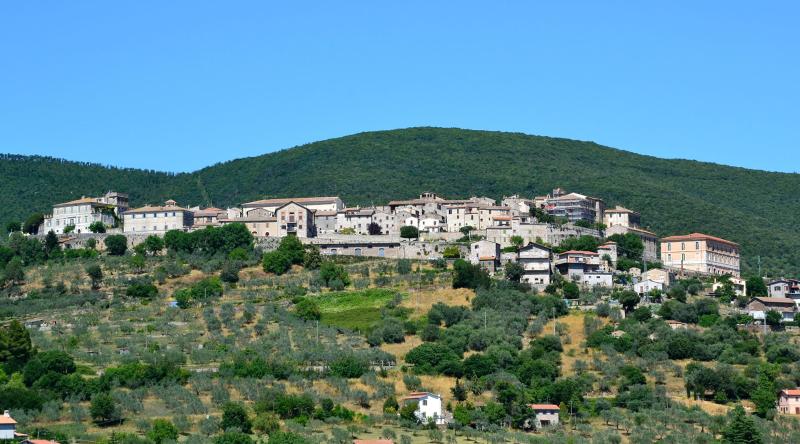
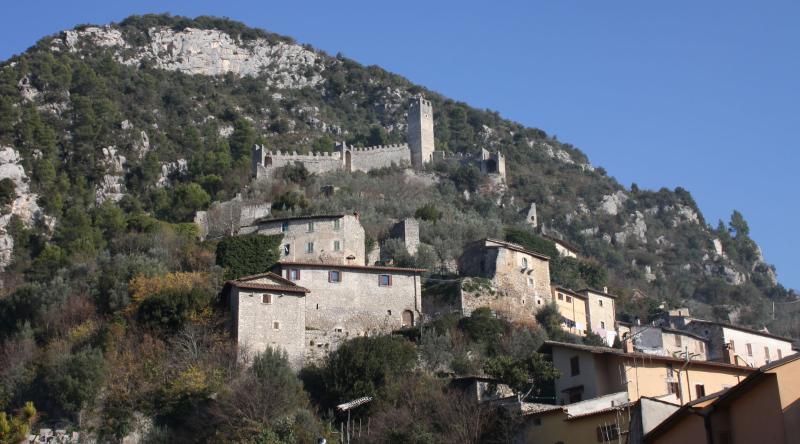
Stroncone is an enchanting medieval village near Umbria's southern border with Lazio, clinging to the side of a beautiful hill covered with olive groves. Securely enclosed by solid castle walls, it offers visitors history, art, culture, and an evocative Franciscan spirituality. Stroncone is in a wonderful position at an elevation of 450 meters, making it an excellent health resort for spending a peaceful, relaxing summer holiday.