







.jpeg/178d8497-a3ff-7b77-9730-f7e26f15c77c?width=456)
.jpg/3e43402e-6b11-3948-c191-6ac4e25db089?width=456)

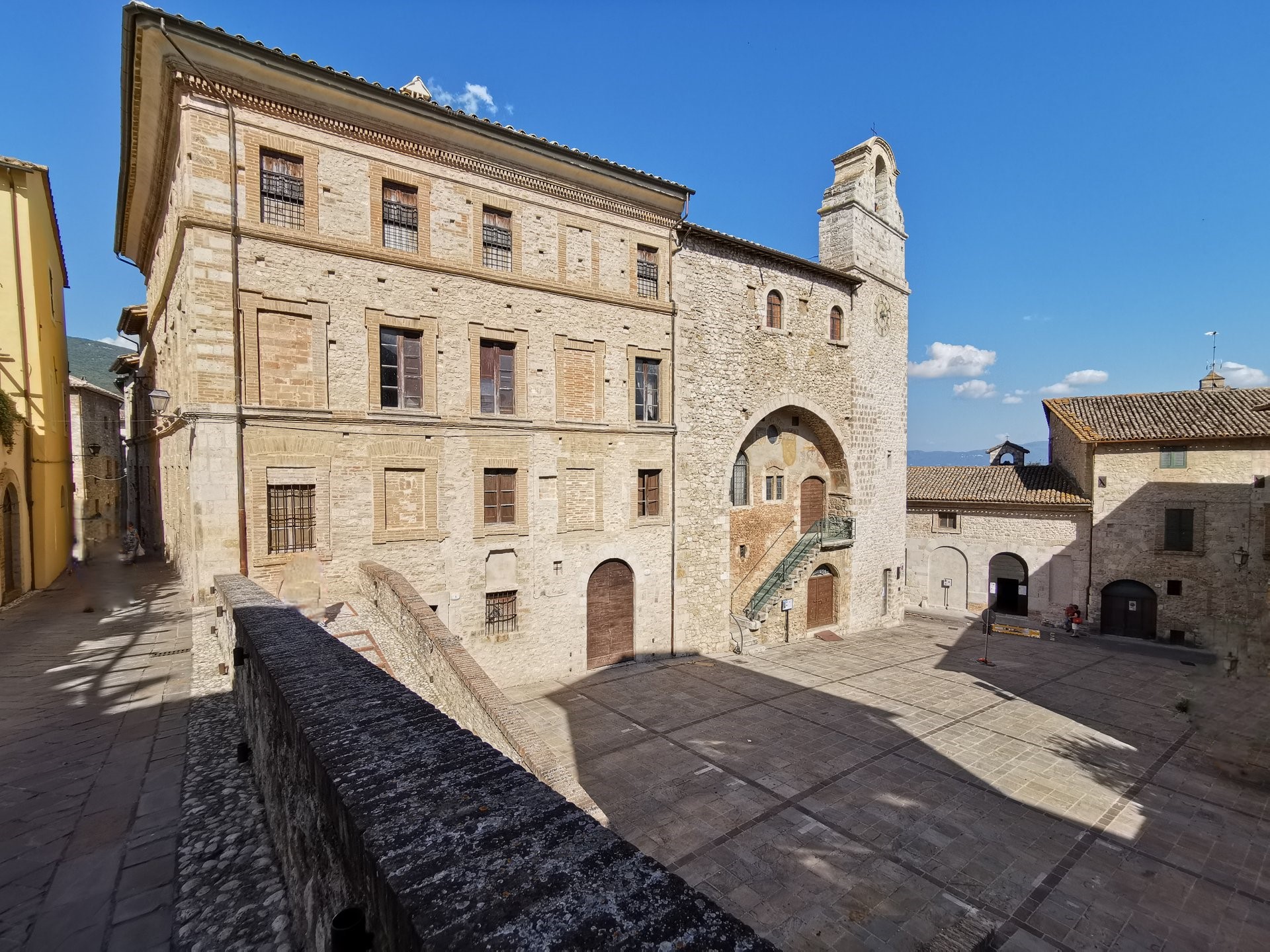
Tra "I Borghi più Belli d'Italia" per il suo ricco patrimonio storico e culturale, è particolarmente noto per le sue acque minerali, che devono le proprie proprietà curative all’ambiente naturale dei Monti Martani da cui hanno origine. Lungo l’antica via Flaminia, su cui sorge il borgo di San Gemini, si trova lo splendido Parco archeologico di Carsulae.
LA SUA STORIA
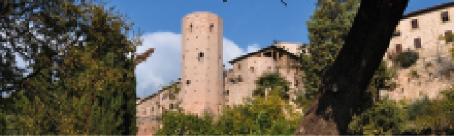
Il borgo di San Gemini sorse in età medievale sul sito di una villa romana della seconda metà del I secolo a.C. I resti del complesso (visibili all'interno di un edificio in via del Tribunale) si trovano a breve distanza dall'antico percorso della via Flaminia, in posizione sopraelevata, e sono formati da diversi ambienti pavimentati con ricche decorazioni a mosaico. Il borgo assunse il nome di San Gemini nel IX secolo, quando un monaco di nome Gemine, proveniente dalla Siria, vi cominciò a predicare, istruendo e aiutando la comunità a tal punto da far prendere al borgo il nome di città di “Santo Gemine”. Le notizie storiche narrano di una devastazione da parte dei Saraceni nell'882 e di un'alternanza di dominazioni tra la città di Narni e la Chiesa. Quando il territorio passò definitivamente sotto lo Stato Pontificio nel XVI secolo, San Gemini divenne feudo di varie famiglie (Orsini, Santacroce) fino all'Unità d'Italia (1861).
UN VIAGGIO TRA LE SUE BELLEZZE ARTISTICHE E CULTURALI
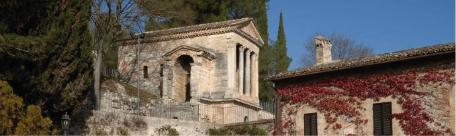
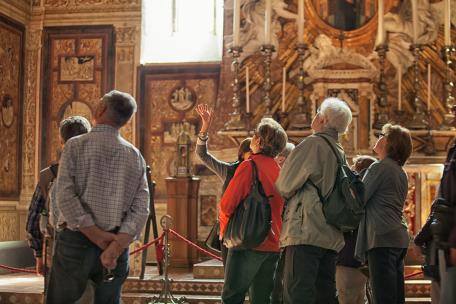
Il cuore cittadino medievale conserva monumenti di notevole valore storico e artistico, simboli del potere laico e religioso: la duecentesca chiesa di San Francesco, sulla omonima piazza, dedicata al Santo che più volte soggiornò in città; la chiesetta Priorale di San Carlo; la chiesa di San Giovanni Battista, ricostruita nel VI secolo in una caratteristica forma ottagonale per ricordare la sua iniziale funzione di battistero, che si presenta con una notevole facciata in stile romanico su cui è incisa la data di costruzione (1199); il palazzo del Capitano del Popolo o palazzo Vecchio, a ridosso del quale sorge la Torre Esperia, con la campana delle adunanze realizzata nel 1318 da Maestro Stefano da Orvieto.
Fate una tappa anche alla chiesa di San Gemine (Duomo), che conserva le reliquie del Santo, e all'abbazia di San Nicolò (XI secolo), il cui portale originale, venduto ad un antiquario negli anni '30, si trova oggi al Metropolitan Museum di New York: la copia perfetta che troverete in sostituzione risale al 1967.
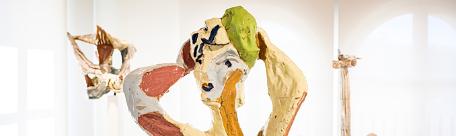
Da visitare, poi, il museo di scienze della terra Geolab, interessante spazio espositivo permanente, quasi un laboratorio, nel quale una serie di macchine interattive vi guideranno all’osservazione e alla sperimentazione scientifica, e il museo dell'Opera di Guido Calori, che propone la collezione delle opere pittoriche e scultoree dell’artista, oltre all'archivio, i disegni, i bozzetti e gli strumenti di lavoro che erano conservati nei suoi studi romani.
COSA VEDERE E COSA FARE NEI DINTORNI
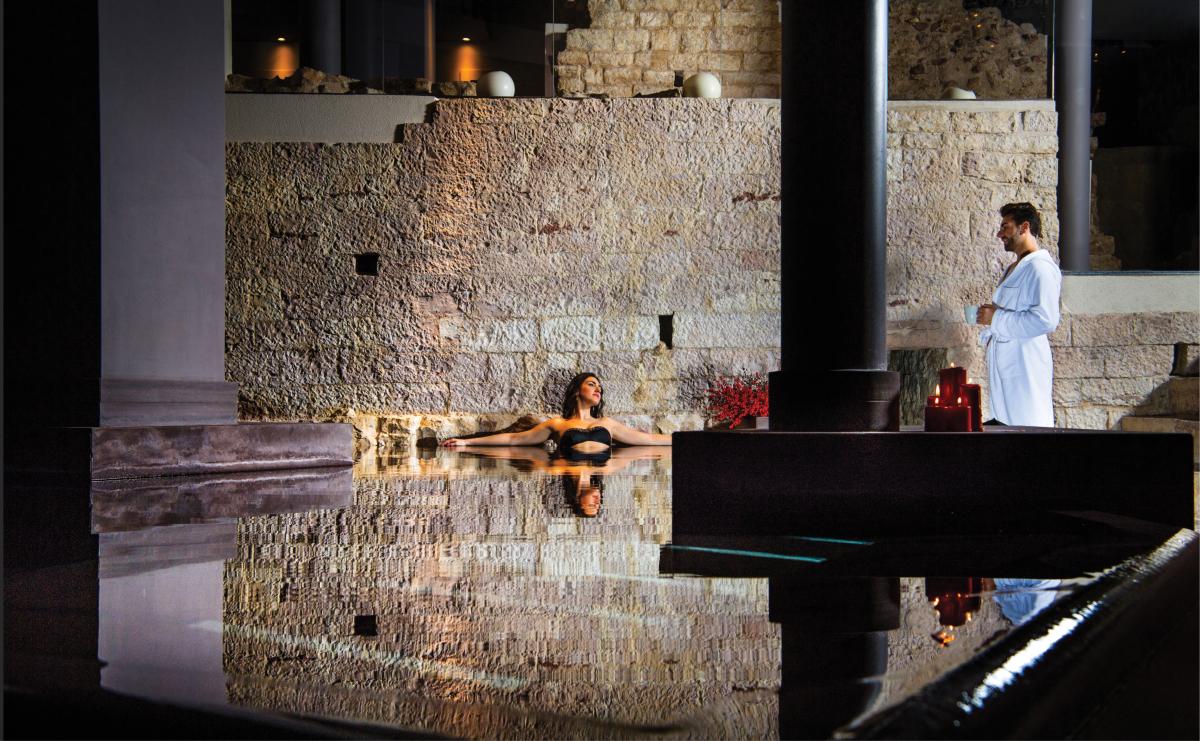
San Gemini è molto nota per le sue terme e per l’omonima acqua, ricca di sali minerali, famosa sin dall’epoca romana. Dalle pendici del Monte Torre Maggiore sgorgando dal sottosuolo dà vita a due fonti, San Gemini e Fabia. Le particolari caratteristiche biochimiche di queste acque favoriscono l’assimilazione del calcio e le rendono ideali per patologie dell’apparato motorio, di quello gastro-intestinale, di quello scheletrico e per patologie del fegato e disturbi del metabolismo. A breve distanza dal borgo di San Gemini si trova il Parco delle Acque Minerali o Parco della Fonte, dove troverete fontanelle da cui bere le acque Fabia e Sangemini. All’entrata del parco l’antica fonte riporta l'anno di fondazione dell'acqua minerale, 1889.
Notevole, infine, tra Terni e San Gemini, il parco archeologico di Carsulae, antico municipio romano sorto lungo il tracciato della via Flaminia: gli scavi e le ricerche hanno permesso di riportare alla luce una buona parte della zona del Foro, con i resti della basilica e di due templi gemelli, il Teatro, l'Anfiteatro e l'arco di San Damiano che marca l'uscita dalla città della via Flaminia, oltre il quale si trovano dei monumenti sepolcrali molto interessanti. Poco distante dalla basilica è la chiesa medioevale di San Damiano edificata nell'XI secolo con massiccio reimpiego di materiale edilizio di età romana.