
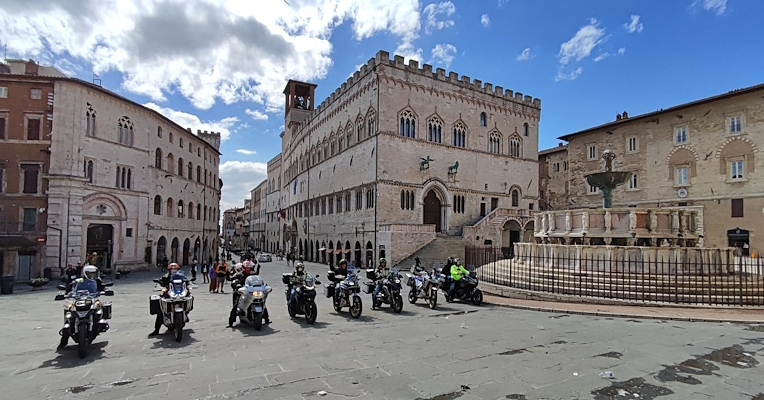
Piazza IV Novembre in Perugia crowded with motorcyclists and motorcycles during a rally; historic buildings in the background.
Umbria by motorcycle

From Perugia to Città di Castello: a motorbike itinerary through art and nature

An adventure on two wheels to discover Northern Umbria

Hop on your motorbike and enjoy breath-taking views and picturesque villages along this route of curves, switchbacks, and hairpin bends. Covering approximately 137 kilometres, the itinerary begins in Perugia and ends in Città di Castello, with a final stop at the Bocca Serriola pass, a must-see for motorbike enthusiasts. A tip: park your motorbike along the way and take time to explore the Umbrian villages.

Marker
Stop 1
Perugia

The journey begins in Perugia, a city that preserves the remains of ancient civilisations: it was a significant Etruscan centre, a prosperous Roman municipality and a renowned medieval city. Exploring its five districts with their ups and downs, streets, underground passages, alleys, and stairways, you can discover the city’s artistic and cultural heritage. The Etruscan-Roman city walls, the medieval walls, and the unique Rocca Paolina, a Renaissance-era papal fortress leading to the city centre, are particularly impressive. In the central Piazza IV Novembre, you’ll find the majestic Palazzo dei Priori, home to the Municipality of Perugia, and the National Gallery of Umbria, alongside the Gothic masterpiece, the Fontana Maggiore. The square is also flanked by the Cathedral of San Lorenzo and the Museo del Capitolo (Chapter Museum). The city, perched on a hill, offers enchanting views and breathtaking panoramas of the Umbrian valley below.

Leaving Perugia, take Via Enrico dal Pozzo to Ponte Valleceppi, where you cross the Tiber River. Continue on Strada Tiberina Nord to Bosco, then take the SR298 and proceed towards Gubbio.

Read more
Marker
Stop 2
Gubbio

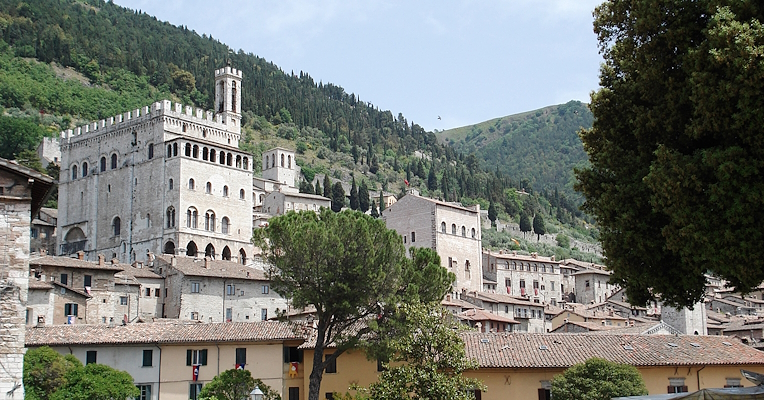
Continuing along the SS219, you’ll arrive at Gubbio, one of Umbria's oldest towns. In the Guastuglia archaeological area, you can admire late Roman remains of the Theatre and the Antiquarium. Moving uphill, you’ll arrive at Piazza Grande, an impressive elevated terrace where the Palazzo dei Consoli, towering over the city and home to the famous Eugubine Tables, stands alongside the Palazzo del Podestà, a masterpiece of engineering by Andrea di Orvieto and Gattapane. In the upper part of the city, you’ll find the Gothic Gubbio Cathedral, dedicated to Saints Mariano and Giacomo, and the Palazzo Ducale, the only example of Renaissance architecture in Gubbio, commissioned by Federico da Montefeltro. Another must-see is the Church of Santa Maria Nuova, with its Gothic interiors, offering visitors a glimpse into the centuries-old history of the town. Outside the medieval centre lies the Basilica of Sant’Ubaldo, housing the remains of Gubbio’s patron saint. It can be reached on foot or by cable car. Continuing your journey along the panoramic SR298 road to the next stage, you’ll pass through the Bottaccione Gorge, where rock formations testify to the ancient history of our planet.

Read more
Marker
Stop 3
Scheggia

From Gubbio, the journey continues along the scenic SR298, which leads to Scheggia, a small village nestled in the heart of the Umbrian-Marchean Apennines and located within the Monte Cucco Park. The tiny village, rich in history, is well worth a stop to admire the Civic Tower, the only preserved gate of the ancient Luceoli castle, the Church of Sant’Antonio Abate, and the parish church of Saints Filippo and Giacomo. It is also recommended to take some detours from the suggested itinerary to visit the Abbey of Saints Emiliano and Bartolomeo in Congiuntoli, the Abbey of Santa Maria di Sitria, and the Hermitage of San Girolamo. Then, heading west from the village, you can take the SS3 to reach the famous Ponte delle Botti. Finally, retracing your steps along the same road, you can rejoin the SR298 back towards Gubbio.

Read more
Marker
Stop 4
Pietralunga

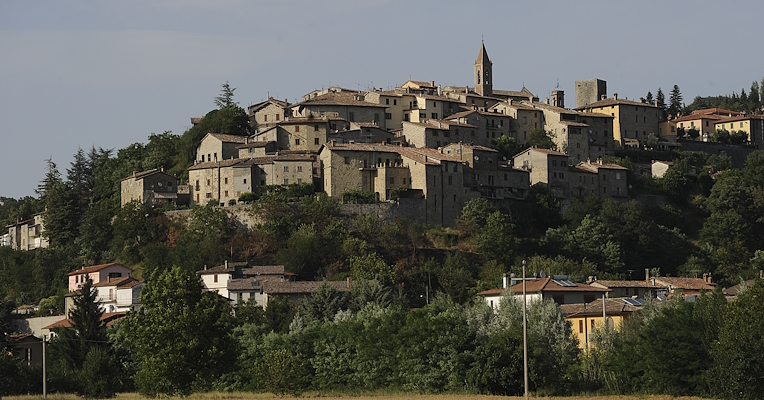
From here, continue along the SS219 and take the SP204 near the junction for Pietralunga until you reach the village. Nestled among the Umbrian hills and surrounded by woods and trekking paths, Pietralunga retains its Roman roots, visible in the ruins of the Lombard castle and the Sanctuary of Madonna dei Rimedi. Strolling through its narrow streets, you can also admire historic buildings such as Palazzo Fiorucci and the Parish Church of Santa Maria, adorned with ancient frescoes.

Read more
Marker
Stop 5
Città di Castello

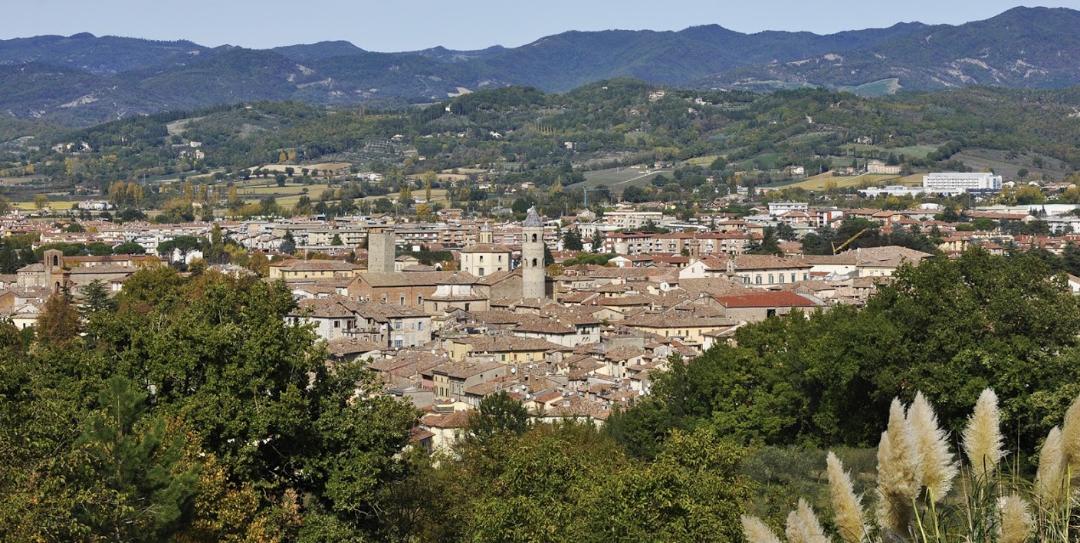
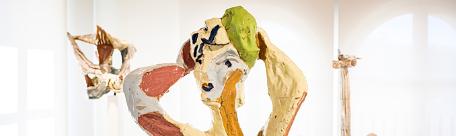
Then, continue along the SP106 towards Città di Castello, a lively town known as the birthplace of the artist Alberto Burri, whose contemporary artworks are exhibited at Palazzo Albizzini and the former Seccatoi del Tabacco (Tobacco Drying Houses). Also noteworthy are the monumental cathedral dedicated to Saints Florido and Amanzio, as well as Palazzo Vitelli alla Cannoniera, home to the Pinacoteca Comunale (Municipal Art Gallery), which houses Renaissance masterpieces by Raphael, Luca Signorelli, Ghirlandaio, Raffaellino del Colle, and Pomarancio.

Read more
Marker
Stop 6
Bocca Serriola Pass

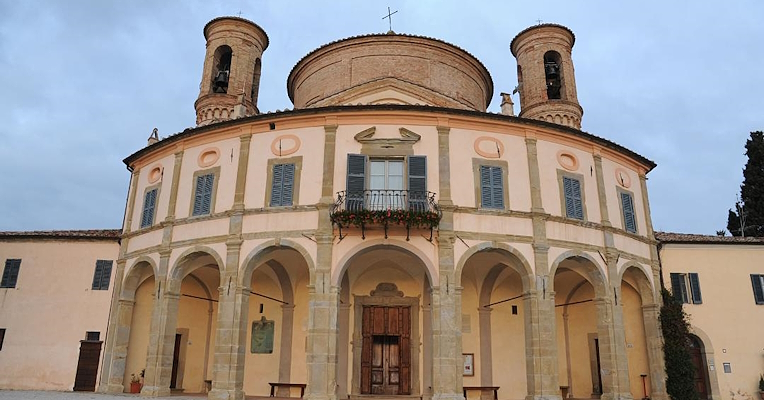
From Città di Castello, continue along the scenic SR257 towards the Bocca Serriola Pass. Along the route, you’ll pass through Belvedere, a hamlet of Città di Castello, home to the Sanctuary of the Madonna di Belvedere. Built in the Baroque style, the church houses a miraculous image of the Madonna and features a forecourt offering a stunning view not only of Città di Castello but also of the Upper Tiber Valley, stretching from Monte della Verna to Monte Acuto.

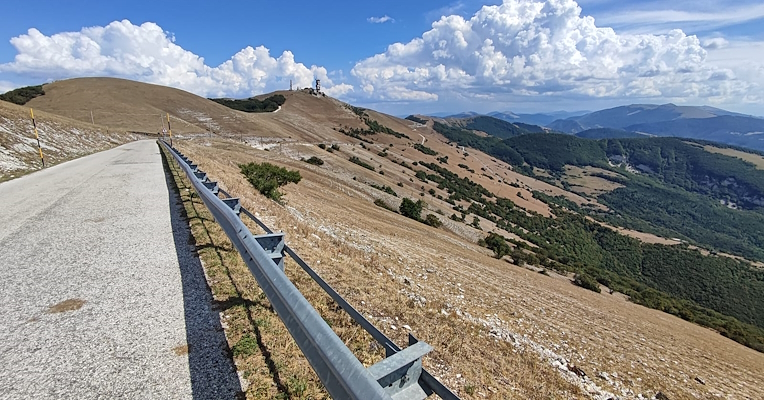
After visiting the sanctuary, return to the panoramic road, which is characterised by its picturesque and winding route, and proceed to the Bocca Serriola Pass. Here, you’ll find a café where you can enjoy a coffee and chat with fellow motorcyclists while taking in the spectacular view.

To return, retrace your route along the SR257 back to Città di Castello and then take the E45 highway, which will bring you to Perugia in approximately half an hour.

Read more