





.jpg/e9571273-0e35-1ff2-0713-76c7fd4e3cc5?width=456)

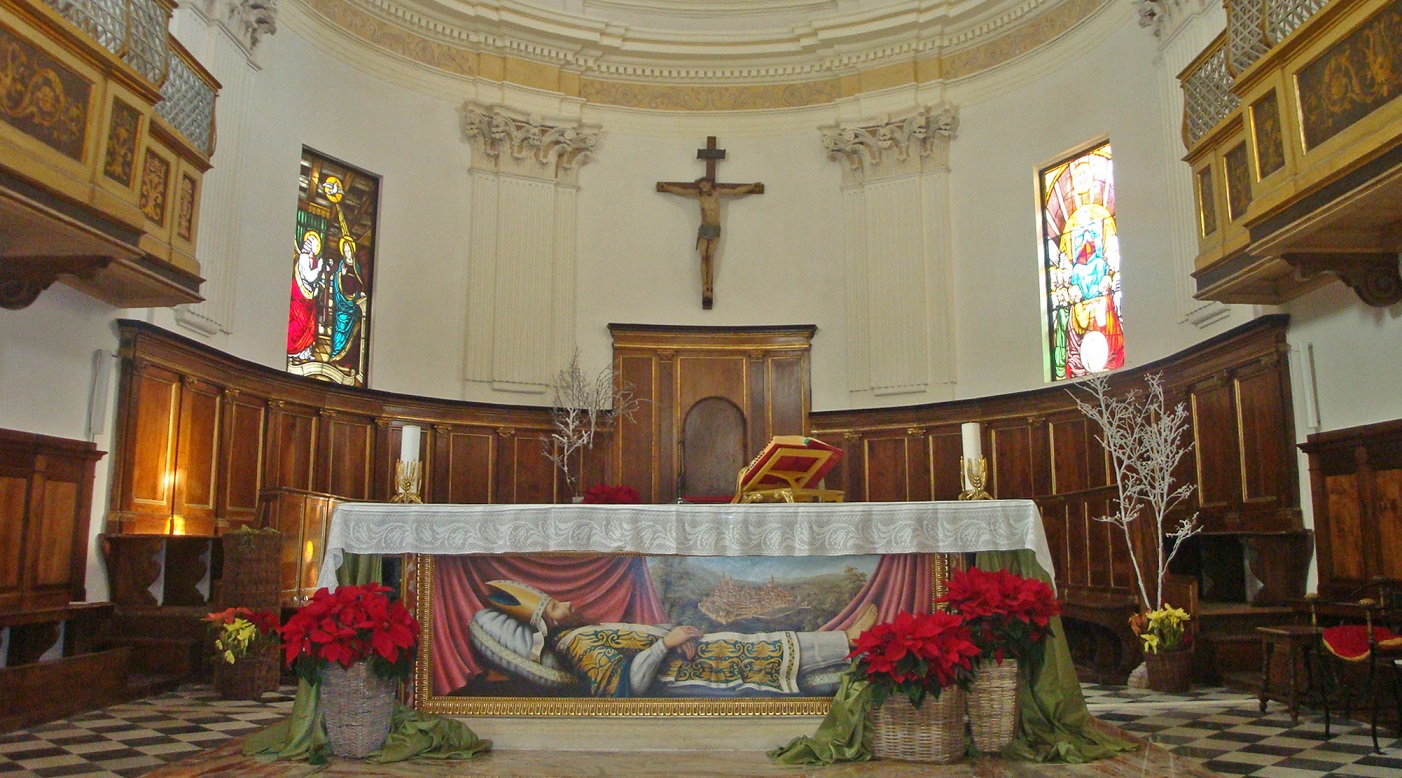
Duomo Santa Maria - Nocera Umbra
Duomo di Santa Maria Assunta: The Millennial Palimpsest of Nocera Umbra
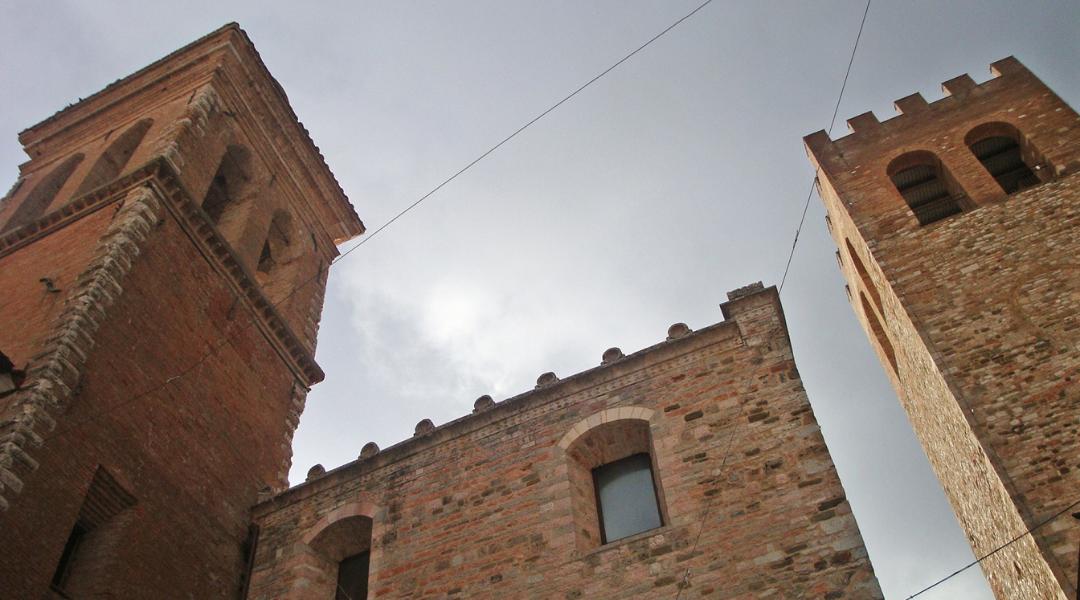
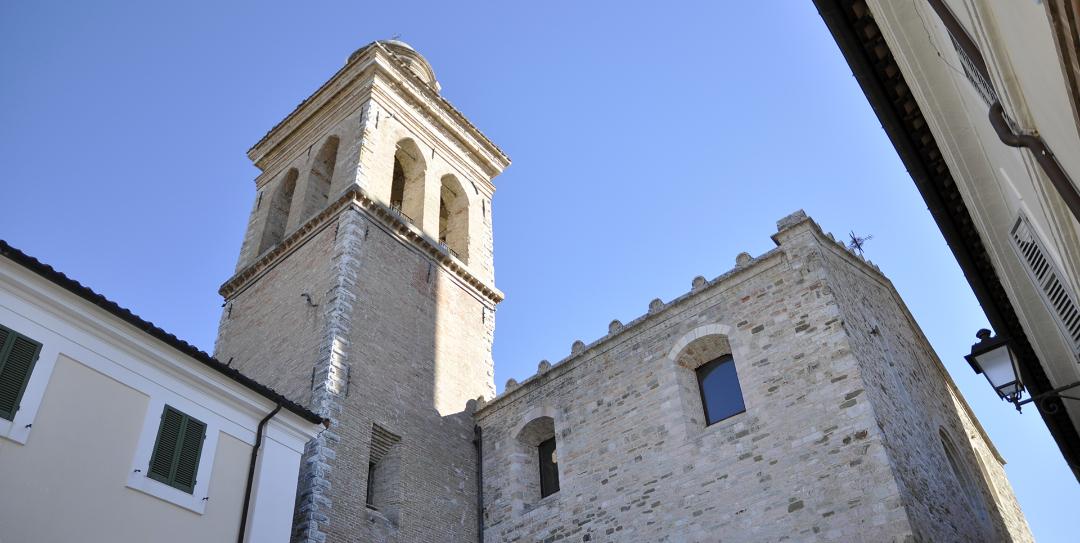
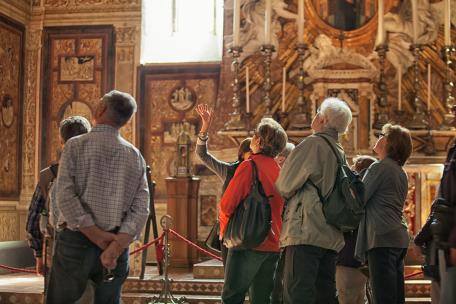
A hill, a summit, a statement of faith and power. The Duomo of Santa Maria Assunta is not merely a church; it is a stratified archive of centuries, a palimpsest of stone where Umbrian, Roman, and Christian have inscribed their code. Here, the genius loci is not a distant echo, but a vibrant presence.
Pagan Goddess, Christian Queen
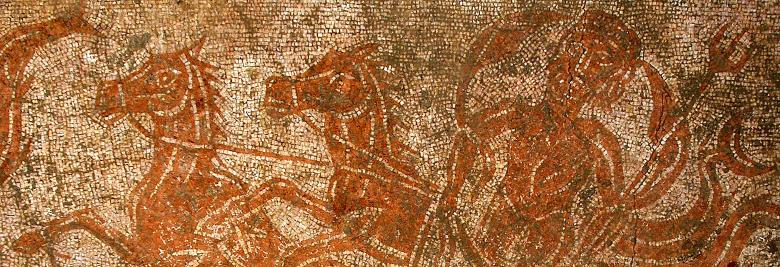
Its topographical supremacy is a sacred legacy. Before the Virgin, the goddess Favonia was invoked here, the tutelary deity from whom the local tribe, the Nucerini Favonienses, derived their name. It is Pliny the Elder who entrusts this detail to History, inextricably linking the site to the classical world. With the dawn of the 5th century and the establishment of the diocese, the pagan temple was baptized: an act of symbolic overwriting that consecrated the hill to Mary.
The Romanesque and its Scars
The ascent along Via S. Rinaldo leads to a side entrance that is a door in time. It is here that a 10th-century Romanesque portal reveals its coded language: the archivolt, a fantastical bestiary and sinuous vines carved in stone, tells of a medieval and fervent devotion. Housed in the Diocesan Museum, a massive stone cross is perhaps the last, mute relic of that first cathedral.