
The City of Gubbio
Essential Umbria
Marker
Day 1
Day 1: Perugia – The Medieval Art City

Morning

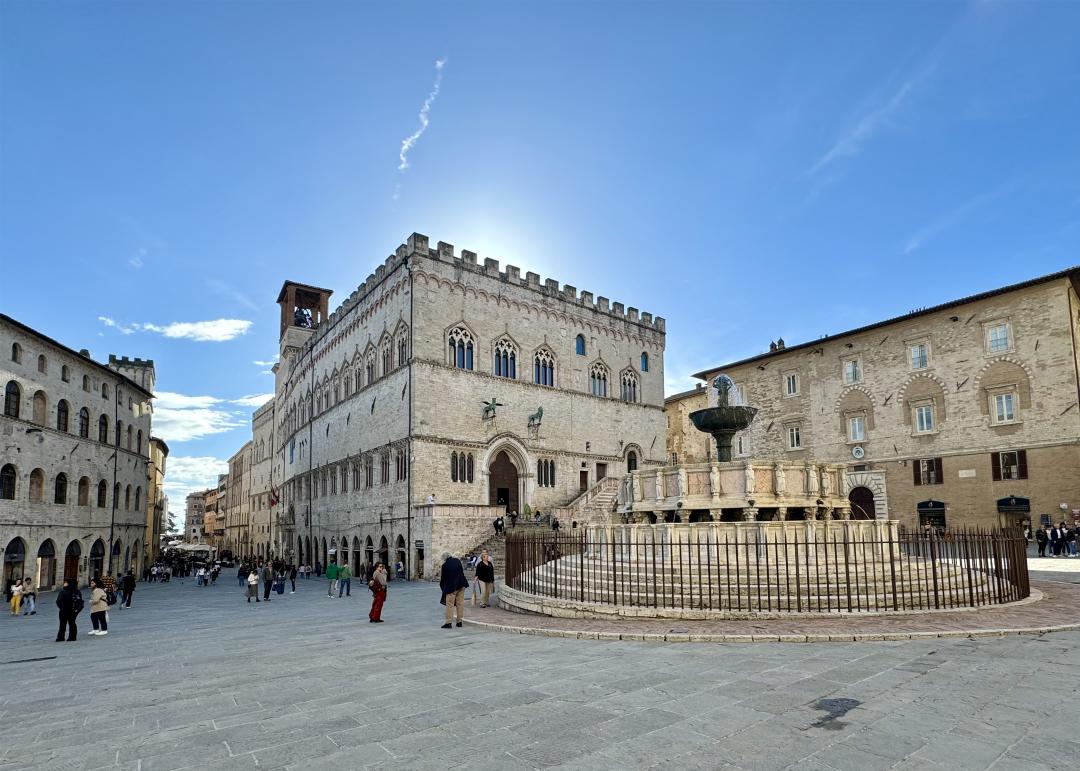
You enter the historic center from Corso Vannucci, the city’s elegant main street; at the end, in Piazza IV Novembre, stand the Cathedral, the Fontana Maggiore and the Palazzo dei Priori. Inside, the National Gallery of Umbria preserves one of the most valuable journeys through Italian medieval and Renaissance art. Not to be missed is the Pincetto station by Jean Nouvel (connected to the entire Minimetro project): a meeting between contemporary architecture and landscape, with views stretching as far as Assisi.

Afternoon
Walk through the Porta Sole district, the highest part of the city, and continue along sections of the ancient Etruscan walls and their monumental gates, silent witnesses to a city that has crossed the centuries without ever losing its unique historical identity.

What to eat
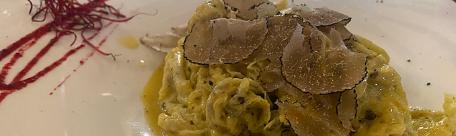
For dinner, choose a restaurant in the historic center. Try torta al testo, a warm flatbread filled with cured meats and cheeses, torello alla perugina, or fresh tagliatelle whose toppings change with the seasons – truffle, asparagus, sausage – depending on what the land offers at that moment. To finish, taste ciaramicola, torcolo or tozzetti.
Read more
Marker
Day 2
Day 2: Assisi – Spirituality and the Basilica of Saint Francis

Morning
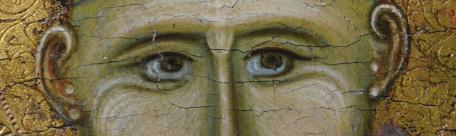
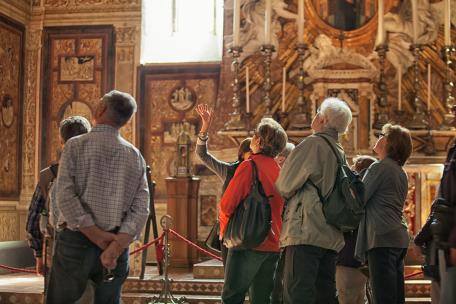
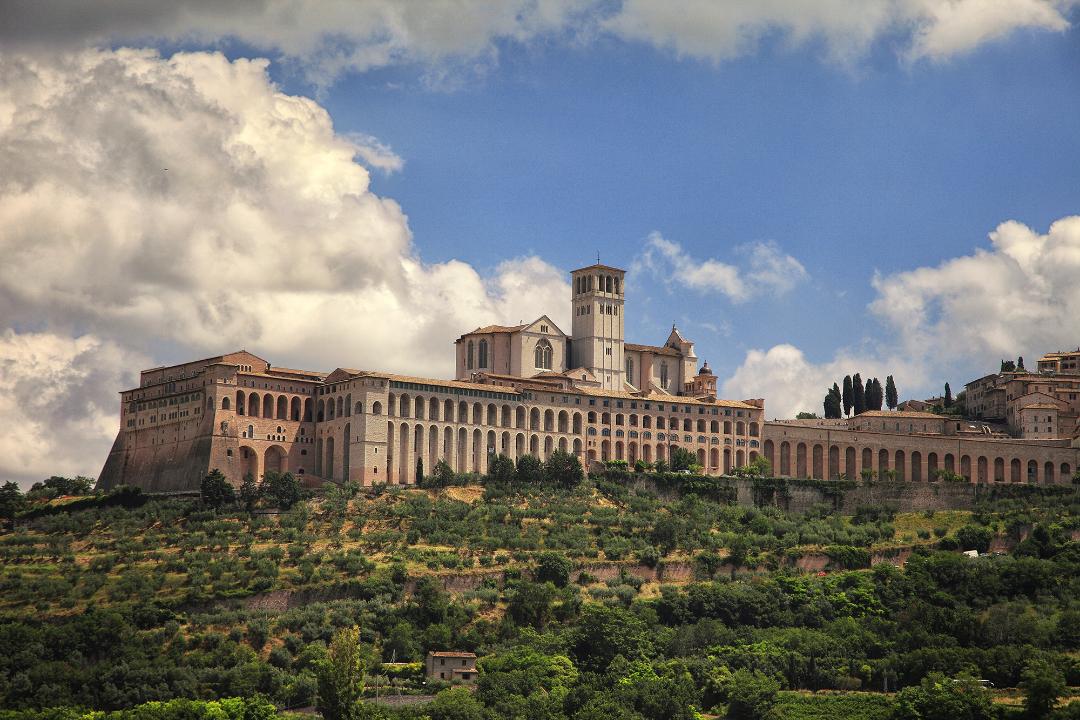
The Basilica of Saint Francis welcomes visitors with its two superimposed churches: frescoes by Giotto, Cimabue and Simone Martini tell a story that is both art and prayer. Not to be missed are the Romanesque Cathedral of San Rufino, where Francis and Clare were baptized, and the Church of Saint Clare. For those who wish to follow the saint’s path outside the center, the Convent of San Damiano and the Porziuncola in Santa Maria degli Angeli remain places of silence and depth.

Afternoon
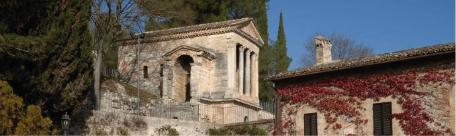
Walk through the medieval streets of the center to the Temple of Minerva: a Roman temple transformed into a church, perfectly preserved, telling the layered history of Assisi. Next to it is the entrance to underground Assisi.

What to eat
In the historic center, restaurants offer high-quality cuisine: here tradition becomes a dish, with flavors that belong to this land for generations.

Read more
Marker
Day 3
Day 3: Spoleto and Orvieto – The most beautiful villages in Italy

Morning
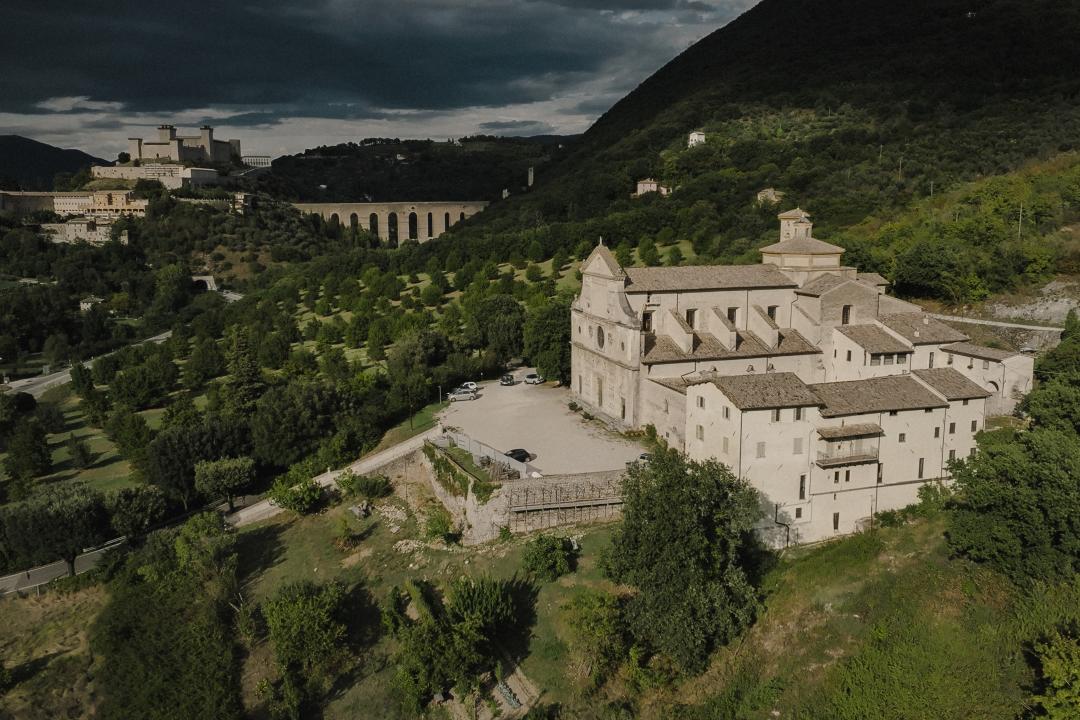
Spoleto is discovered on foot: the Cathedral, the Ponte delle Torri – both aqueduct and bridge, a remarkable balance between Roman engineering and medieval boldness – and the Rocca Albornoziana overlooking the valley. In the center, stop in a norcineria to taste Umbrian cured meats. If time allows, Palazzo Collicola surprises with an unexpected collection of modern and contemporary art housed in an 18th-century palace.
Not to be missed: truffle stracciata and crescionda, a dessert whose recipe is jealously preserved in Spoleto.

Afternoon
In Orvieto, the Cathedral is a masterpiece of Italian Gothic, with a façade that looks painted. Do not miss St. Patrick’s Well, with its double-helix staircase carved into the rock, and the underground Etruscan cavities that reveal another, silent and profound Orvieto.
Before leaving, stop at a bakery to try lumachelle di Orvieto, now recognized as a Slow Food product.

Read more
Marker
Day 4
Day 4: Montefalco and its vineyards – Sagrantino tasting – Bevagna

Morning
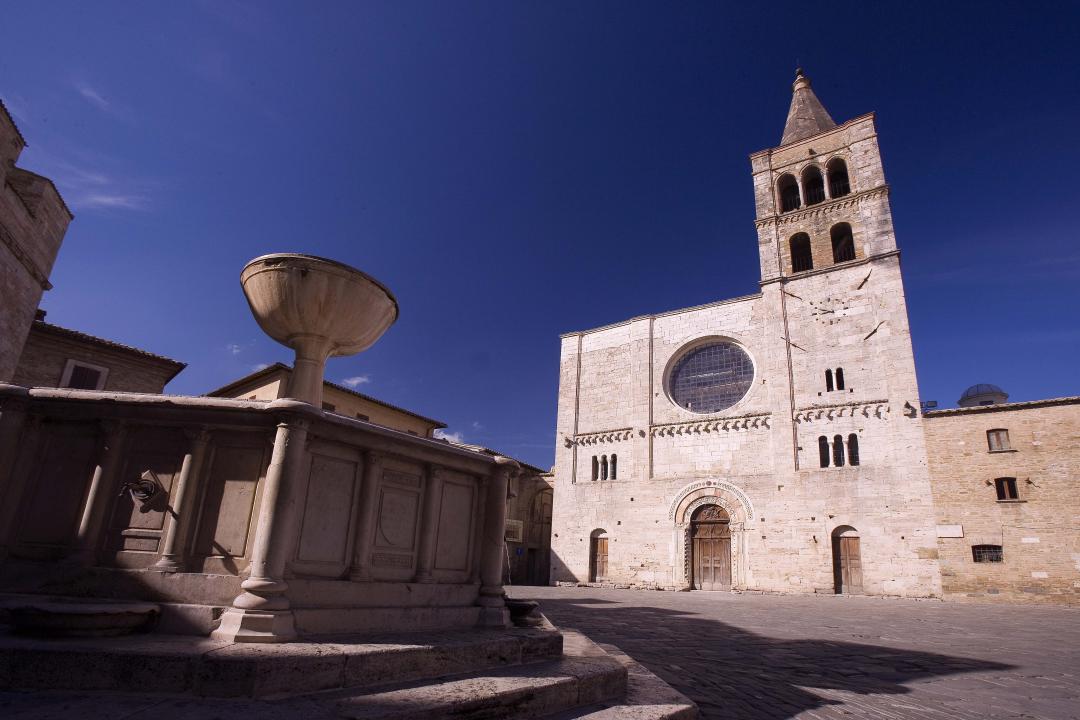
Montefalco is known as the “balcony of Umbria”: from here you can admire the valley from Perugia to Spoleto. The medieval center, Piazza del Comune and the Church of San Francesco with frescoes by Benozzo Gozzoli tell the story of a town that has preserved its beauty without excess.

Afternoon
Experience in a vineyard, visiting one of the wineries that have made this area famous: tasting Sagrantino di Montefalco DOCG, a powerful and tannic wine, paired with local cheeses and cured meats. In the afternoon, visit Bevagna with its beautiful square and ancient crafts, or Trevi, the town of olive oil, with a stop at a mill to discover freshly pressed extra virgin olive oil.

Read more
Marker
Day 5
Day 5: Valnerina – Nature, waterfalls and truffle hunting

Morning
Valnerina, the valley of the Nera river, welcomes visitors with the Marmore Falls: a Roman engineering work among the highest in Europe, now a natural spectacle. You can follow scenic trails or experience the thrill of rafting.

Afternoon
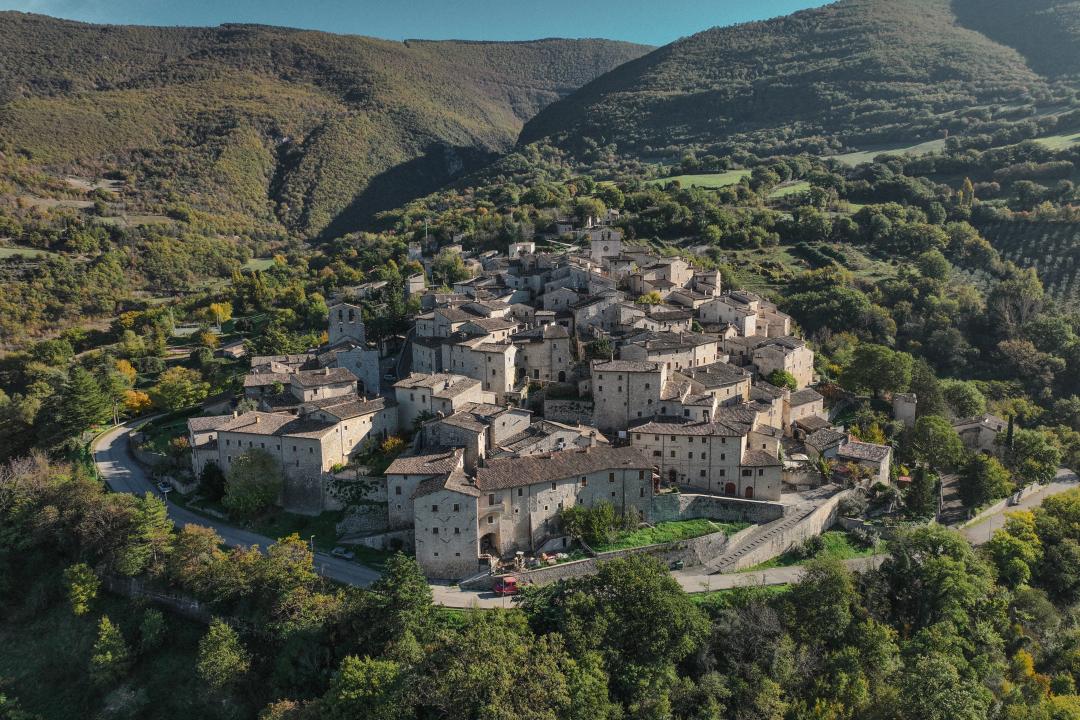
Authentic villages dot the valley: Scheggino, Vallo di Nera among the most beautiful in Italy, and Ferentillo with its mummies. In summer, the clear waters of the Nera invite you to cool off or practice water sports.

Read more
Marker
Day 6
Day 6: Lake Trasimeno – Cycling and lakeside villages

Morning
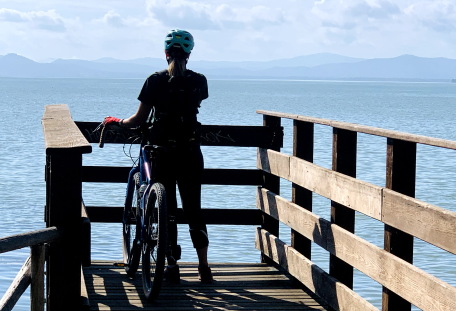
The shores of Lake Trasimeno can be explored by bicycle along a flat cycle path of about sixty kilometers, divided into stages. Castiglione del Lago with its medieval fortress, Passignano sul Trasimeno with houses overlooking the water, Magione with its Castle of the Knights of Malta.

Afternoon
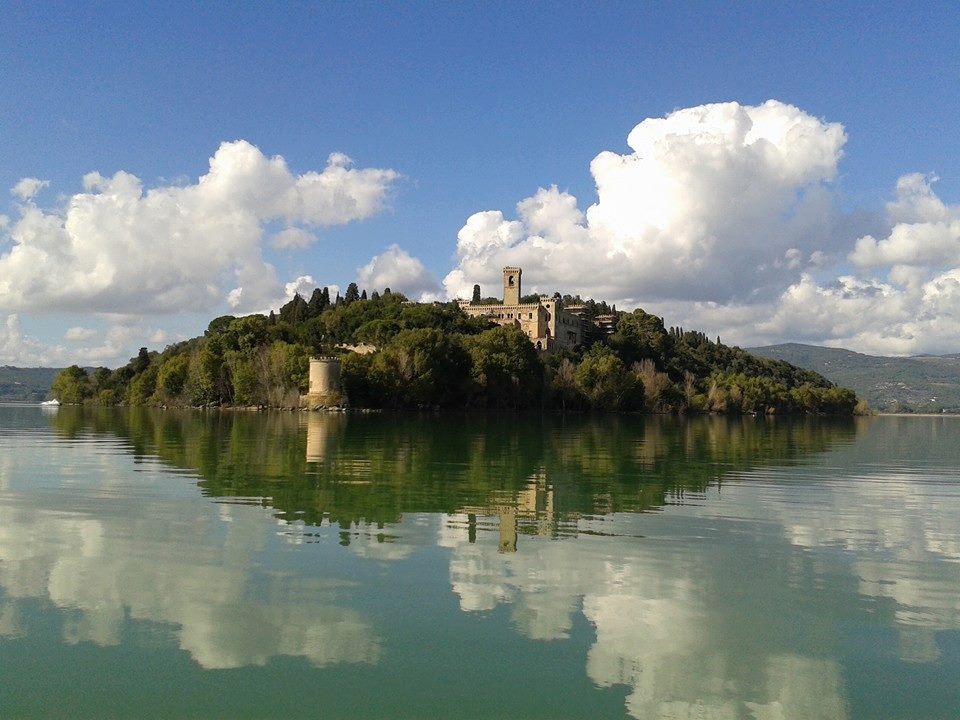
A boat takes you to Isola Maggiore, the only inhabited island of the lake. Pedestrian and quiet, it preserves ancient crafts such as lace-making: a slow walk among olive trees and alleys leading to the water.

What to eat
Tegamaccio, a fish stew that captures the flavor of the lake, and wines from the Colli del Trasimeno, from Gamay to Trebbiano.

Read more
Marker
Day 7
Day 7: Gubbio – Medieval and authentic


Morning
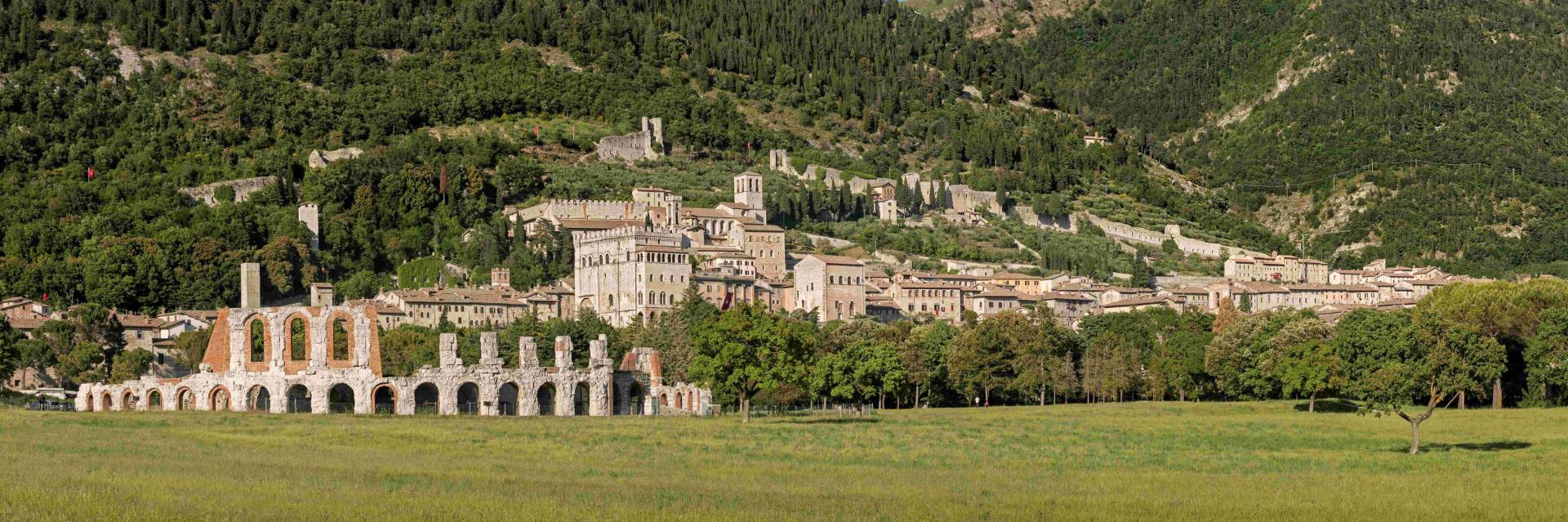
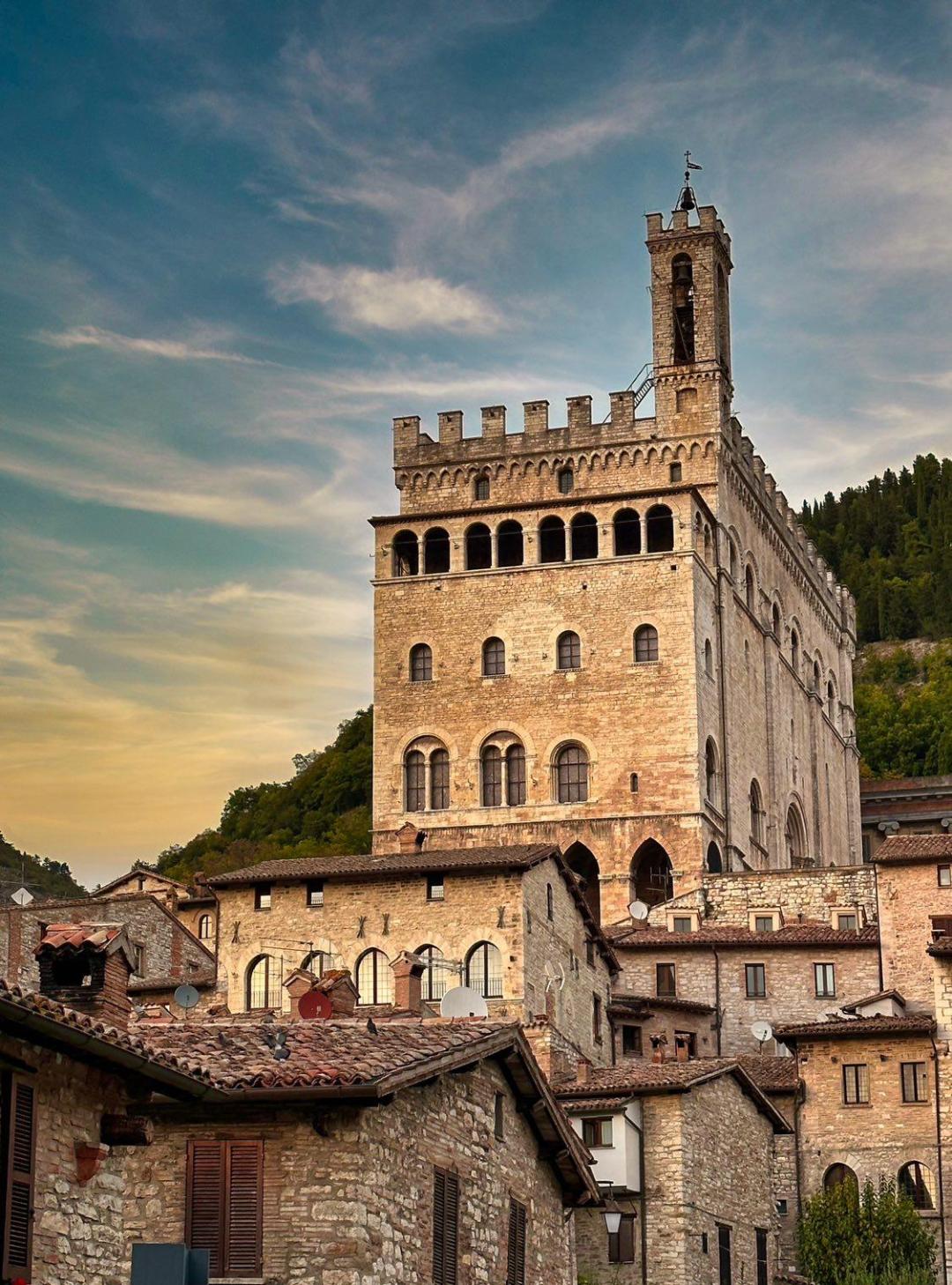
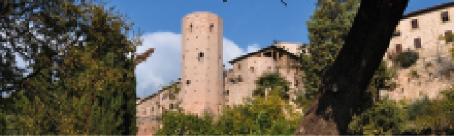
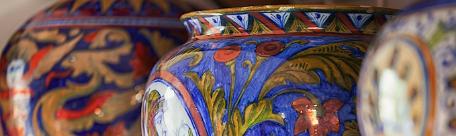
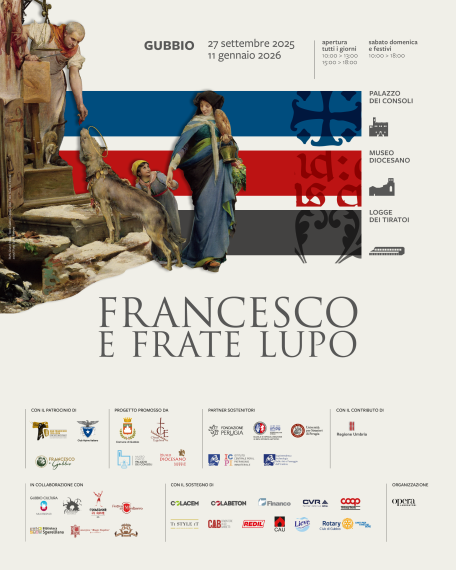
Gubbio is one of the most authentic medieval towns in Umbria. The Palazzo dei Consoli and Piazza Grande form one of the most impressive monumental complexes in Italy. Walk along Corso Garibaldi among stone palaces and artisan workshops still producing luster ceramics.

Afternoon
Walk to the Roman Theatre or, for nature lovers, the Bottaccione Gorge, where the landscape becomes a geological story.

Not to be missed
Brustengo, a delicious fried flatbread, and crescia filled with cured meats, cheeses or vegetables.

Read more