





.jpeg/e38c6378-e0e8-3ce7-f672-52f6e550b2bf?width=456)
.jpg/ad5b2a92-62ca-5a64-eb69-c278aeaf4a08?width=456)

Das Dorf Otricoli wartet darauf, entdeckt zu werden: In seinen Mauern verbirgt sich eine Welt voller Geschichte und Kunst. Lassen Sie sich von seiner Kulturlandschaft verzaubern, in der Mensch und Natur über die Jahrhunderte hinweg eng zusammenwirkten, von seiner jahrtausendealten Geschichte, den Wäldern und Gewässern seines Gebiets und der Schönheit seiner archäologischen Stätten.
Eine glückliche Lage zwischen Wasser- und Landwegen
Otricoli liegt an der Grenze zwischen Umbrien und der Sabina, unweit von Narni und Calvi dell’Umbria. Der heutige Ort befindet sich auf dem Hügel, der über dem archäologischen Areal thront, genau dort, wo bereits prärömische Völker aus Apennin und Adria siedelten. Otricoli beherrscht ein weites Talstück des Tiber – eine natürliche Festungsposition, die möglicherweise seinen Namen inspirierte (vom griechischen okris, „Berg“, oder etruskisch ukar, „Höhe“ oder „Felsen“).
Der Erfolg der Siedlung beruht gerade auf dieser verkehrsgünstigen Lage, denn sie liegt an zwei der wichtigsten antiken Verkehrswege: dem Tiber und der Via Flaminia. Dies machte Otricoli zu einer wohlhabenden und angesehenen Stadt mit einem bedeutenden Flusshafen – laut Forschern sogar der zweitwichtigste am Tiber –, der wegen seines Heilöls als „Ölhafen“ bekannt war.
Die jahrtausendealte Geschichte des antiken Ocriculum
Die frühesten Funde stammen aus der Eisenzeit. Das antike umbrisch-sabische Zentrum, belegt durch Nekropolen und Artefakte, lag am gleichen Ort wie das heutige Kastell und wurde von Tuffsteinmauern geschützt, die unter den mittelalterlichen Befestigungen entdeckt wurden. In der Römerzeit gewann es Bedeutung – besonders nach der Schlacht von Mevania (Bevagna) 308 v. Chr., als es römischer Verbündeter wurde. In den Jahren 91–90 v. Chr. stellte es sich im Bürgerrechtskonflikt gegen Rom, was vermutlich zu seiner Zerstörung führte.
Es wurde tiefer, nahe Tiber und Via Flaminia, neu aufgebaut – ein großflächiger gepflasterter Abschnitt mit Wagenrillen und Grabmonumenten ist im archäologischen Park noch erhalten. Ocriculum florierte durch den Olivenölhandel und die Ziegelproduktion (Dachziegel, Etappenstempel und vor allem die charakteristischen Reliefschalen, genannt „Popilio-Schalen“).
Die Stadt erreichte solche Bedeutung, dass Kaiser Augustus ihr den Status eines municipium verlieh. Zeugnisse ihres Reichtums sind noch heute sichtbar: ein Amphitheater, ein Theater, große und kleine Bauwerke sowie öffentliche Gebäude wie Basilika, Thermen, Nymphäum und mehrere Grabbauten entlang der Flaminia, errichtet von herrschenden Familien. Der Historiker Tacitus erwähnt in seinen Historiae, dass Kaiser Vespasian in Otricoli während der Saturnalia Station machte.
Der Überlieferung nach war es eine der ersten Städte der Region, die evangelisiert wurde. Daraufhin entstanden erste Kirchen und Märtyrer – Viktor, Corona und Medico –, deren Reliquien in der Kirche San Vittore aufbewahrt werden – gegründet um 540, später mit einem Benediktinerkloster ergänzt.
Die Stadt wurde zwischen 569 und 605 n. Chr. während der langobardischen Invasion zerstört und anschließend auf dem ursprünglichen Hügel wiederaufgebaut. Von da an reflektierte die Geschichte Otricolis die regionale Entwicklung: freie Gemeinde, zahlreiche Konflikte mit Nachbarstädten wie Narni (bis zur Unterwerfung), dann Eingliederung in den Einflussbereich des Kirchenstaates bis zur Einigung Italiens.
Ab dem 18. Jahrhundert führten bedeutende archäologische Ausgrabungen zur Entdeckung der genannten Monumentalbauten und wichtiger Kunstwerke – darunter Mosaiken und Statuen – unter anderem der kolossale, fast 60 cm hohe Kopf des Jupiter, heute in den Vatikanischen Museen.
Mittelalterliche Mauern, die viele Schönheiten bergen
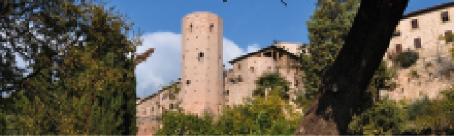
Das heutige historische Zentrum bewahrte sein ursprüngliches Profil als befestigtes Höhenstädtchen. Es liegt auf dem natürlichen Rücken eines Hügels, an dessen Spitze die Hauptpiazza liegt. Die frühmittelalterliche Stadtmauer umschließt den alten Kern vollständig und ist nahezu vollständig erhalten. In ihr befinden sich die Porta Maior und die Porta San Severino sowie diverse Befestigungsanlagen – zwei quadratische und drei runde Türme – sowie Überreste einer Burg aus dem 14. Jahrhundert.
Innerhalb der Mauern finden sich Bauwerke und Monumenten verschiedener Epochen: mittelalterliche Häuser, prächtige Renaissancepaläste und Tuffbauten. Besonders auffällig ist das Haus Squarti–Perla mit seinem vielteiligen Portal aus Fragmenten verschiedener Epochen. Charakteristisch für das „Castello“ sind zwei „Profferli” vom Viterbo-Typ – steinerne Treppen, die zu einer kleinen, überdachten Loggia an der Fassade führen, wo sich der Haupteingang befindet.
Auf dem höchsten Punkt erhebt sich die Collegiata von Santa Maria Assunta, ein bedeutendes vorromanisches Bauwerk aus dem 7. Jahrhundert, das im Laufe der Jahrhunderte mehrmals umgestaltet wurde. Die Kirche birgt Überreste aus alten Bauperioden, zahlreiche Altarwerke verschiedener Epochen sowie Materialien, die während des 20. Jahrhunderts ausgegraben wurden.
Der Palazzo Priorale beherbergt das Kulturelle Antiquarium der Stadt, in dem bedeutende Funde aus dem alten Otricolis aus der Römerzeit aufbewahrt werden – darunter ein Gipsabguss des monumentalen 58 cm hohen Kopfes des Jupiter, heute in den Vatikanischen Museen, den Archäologen als Gott Jupiter identifizierten. Mit einer reichhaltigen Erläuterungsausrüstung dokumentiert das Antiquarium die unterschiedlichen historischen Phasen des Ortes.
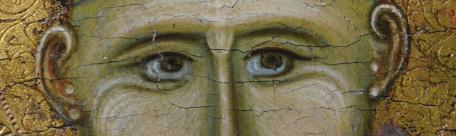
Erwähnenswert ist auch die Kirche Santissimo Salvatore mit rechteckigem Grundriss und einem Glockengiebel. Die schlichte Fassade führt in einen Innenraum, der von Malereien geprägt ist – ein wahres Palimpsest der mittelalterlichen Malerei vom 12. bis 15. Jahrhundert. Einige Werke stammen von wohlhabenden Auftraggebern, andere sind einfachere Ex-voto-Gemälde, die aber nicht weniger faszinierend sind.
Ein Highlight ist schließlich das Oratorium San Giuseppe da Leonessa von 1761 – eine wahre Schatzkammer barocker Kunst. Es besitzt weiße Stuckaturen, Gemälde an den Seitenwänden, die Episoden aus dem Leben und den Wundern des heiligen Joseph von Leonessa darstellen, ein Deckenbild des heiligen Joseph in glory und eine schöne Holzstatue auf dem Hochaltar.
Der archäologische Park von Ocriculum
Das herausragende kunsthistorische Juwel ist das archäologische Gebiet von Ocriculum. Unten in einer Tiber-Schlinge, eingebettet in eine landschaftlich wertvolle Grünzone, liegt der Archäologische Park. Ein angenehmer Fußweg führt vorbei am Forum, dem Theater, den Thermen, Nymphäum, einem Teilstück der alten Via Flaminia, bedeutenden Grabmonumenten, dem Amphitheater und der ältesten Nekropole aus dem 7. Jahrhundert v. Chr.
Im Park befindet sich auch das Antiquarium „Casale di San Fulgenzio“, in dem die kostbaren archäologischen Funde aus den Grabungskampagnen von 1960 bis 2005 aufbewahrt sind.
Und es ist noch nicht alles!
Spaziergänge am Flussufer…
Das archäologische Gebiet von Otricoli erstreckt sich entlang des Tiber. Neben den beeindruckenden Bauwerken der republikanischen und frühmittelalterlichen Phase bietet es zahlreiche Wander- und Radtouren entlang von Schotterwegen und Flussreservaten – sowohl Richtung Süden zur oberen Sabina als auch nach Norden.
…oder hoch hinaus, in den Vallefredda-Wald und auf den Monte San Pancrazio
In der Nähe von Otricoli befindet sich der Vallefredda-Wald, ein rund 8 Hektar großes, unberührtes Naturgebiet. Entlang seiner Pfade, die zu Fuß oder mit dem Fahrrad erkundet werden können, lädt es zu angenehmen und lehrreichen Spaziergängen mit Picknickplätzen ein.
In der Nähe erhebt sich der Monte San Pancrazio (1 027 m), an dessen Nordhang ein kurzes Stück Retik-Oberboden an die Oberfläche tritt – das älteste Gestein Umbriens, an der Basis der mesozoischen Lias-Kalkberge, reich an Fossilien (Gastropoden und Brachiopoden). Für Naturliebhaber bieten markierte Wander- und Radwege eine breite Route bis zum Gipfel.
An seinen Hängen, auf 387 m Höhe, liegt das ansehnliche Castello di Poggio aus dem 13. Jahrhundert. Es bewahrt seine charakteristische Verteidigungsstruktur und beherbergt die schöne gotische Kirche aus dem 15. Jahrhundert, die dem heiligen Nikolaus geweiht ist.
Veranstaltungen in Otricoli
Im umbrischen Ort erwacht die antike Vergangenheit während der Rekonstruktion „A.D. 168“ im Archäologischen Park am letzten Maiwochenende wieder zum Leben. Dann wird an das Martyrium des jungen Bürgers Victor erinnert, der im Jahr 168 in Damaskus starb. Über 300 Darsteller in antiken Kostümen lassen das Alltagsleben einer römischen Stadt im 2. Jahrhundert n. Chr. authentisch wiederauferstehen.
Ein weiterer Zeitreise-Genuß bietet die Giornate Medievali (Mittelaltertage), die in der Regel am dritten Juliwochenende gefeiert werden und eine lebendige Atmosphäre mit Farben, Klängen und Geschmäckern des Mittelalters schaffen.
Und nicht zuletzt das Fest „Vinotricolando“ – drei Tage im August, die den gastronomischen Traditionen Otricolis gewidmet sind, begleitet von Musik, Gesang, Tanz, Aufführungen und Künstlern – ein wahrer Triumph aus Kunst und Aromen!