



Archäologischer Park von Ocriculum – Otricoli
Im Herzen des südlichen Umbrien, unweit des heutigen Ortes Otricoli, erstreckt sich der Archäologische Park von Ocriculum; hier verschmelzen Natur und historische Erinnerung zu einer Landschaft von außergewöhnlicher Schönheit. Hoch über einer Flussschleife des Tibers und eingebettet entlang der antiken Via Flaminia war Ocriculum die erste römische Gemeinde in Umbrien.
Von den Ursprüngen der Stadt hin zur Ansiedlung an den Ufern des Tibers
Die frühesten archäologischen Funde im Gebiet von Ocriculum stammen aus der Zeit vor der römischen Eroberung, mit Spuren der Besiedlung bis in die Eisenzeit zurück.
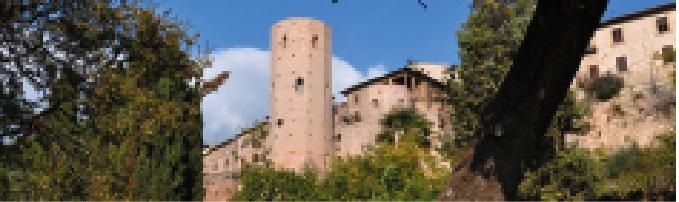
Die älteste Ansiedlung befand sich auf dem Hügel, auf dem heute das mittelalterliche Dorf Otricoli liegt – dessen Name vom lateinischen ocris, „kleiner Berg“, herrührt. Um diesen Ursprungsort entwickelten sich orientalisch geprägte Nekropolen sowie archaische und hellenistische Kultstätten, wertvolle Zeugnisse der kulturellen Vielfalt jener Epoche.
Im Jahr 308 v. Chr., nach der Schlacht von Mevania (das heutige Bevagna), ging Ocriculum ein Bündnis mit Rom ein, wie Titus Livius berichtet. Von da an verlagerte sich die Siedlung in die Ebene an die Ufer des Tibers. Im 2. Jahrhundert v. Chr. führten der Bau der Via Flaminia und ein Flusshafen – der sogenannte „Porto dell’Olio“ (Ölhafen) - dazu, dass sich Ocriculum zu einem dynamischen Handels‑ und strategischen Zentrum entwickelte.
In der Kaiserzeit erreichte die Stadt ihren Höhepunkt: Landwirtschaft, Keramikproduktion und die vorteilhafte Lage führten zu einer Phase bemerkenswerten Wohlstands. Die monumental erhaltenen Ruinen – darunter das Theater, Thermen und ein großer Zisternenbau – bezeugen die Bedeutung des Ortes in der römischen Raumordnung.
Zwischen 569 und 605 wurde Ocriculum während der langobardischen Invasionen zerstört. Die Bewohner verließen die Niederung zugunsten der höher gelegenen Siedlung, die später zum mittelalterlichen Kern von Otricoli wurde.
Archäologische Befunde
Das archäologische Gebiet von Ocriculum umfasste einst etwa 36 Hektar und bietet heute ein anschauliches Bild von der städtischen und monumentalen Entwicklung der Römerstadt. Besucher können auf den Wegen die wichtigsten Bauten erkunden, die das öffentliche und private Leben strukturierten:
- Römisches Forum: östlich der cardo maximus gelegen, war es das politische und religiöse Zentrum. Die Ausgrabungen des 18. Jahrhunderts im Auftrag des Heiligen Stuhls brachten eine Basilika ans Licht - ein repräsentatives, rechteckiges Gebäude mit halbkreisförmigem Apsis -, in deren Abside eine Reihe von Kaiserporträts aus der julisch-claudischen bis zur severischen Dynastie aufbewahrt wurden.
- Große Substruktionen: ein monumentaler Bau von rund 80 m Länge, bestehend aus zwölf Elementen auf zwei Ebenen, errichtet zur Stabilisierung eines bedeutenden öffentlichen Gebäudes.
- Theater: in opus reticulatum auf einem natürlichen Hang errichtet, durch Wand‑ und Pfeilerstrukturen verstärkt; unter den Sitzreihen befinden sich zwei Gangsysteme (ambulacra), und der Haupteingang besteht aus Tuffblöcken. Es war einst mit Skulpturen geschmückt, darunter drei Musen, heute im Vatikanischen Museum.
- Thermen: im 2. Jahrhundert n. Chr. von L. Julius Julianus erbaut, erhalten sie einen oktogonalen Raum mit vier Eingängen und Nischen. Das Bodenmosaik zeigte eine Medusa im Zentrum und mythologische Szenen (im Vatikanischen Runden Saal), daneben befand sich eine runde Halle mit Darstellungen von Odysseus und den Sirenen.
- Via Flaminia: städtischer Abschnitt mit 6 m Breite und 25 m Länge, mit Leucitit-Straßenpflaster, das von den Wagenrillen geprägt ist. Gesäumt von Grabmälern und einer öffentlichen Quelle.
- Grabmonumente: eindrucksvolle Mausoleen, etwa das kreisrunde der gens Arnensis, mit steinernen Dekorationen und einem Knochengrab. Einige Bauteile wurden später wiederverwendet.
- Nymphaeum: Bau in opus reticulatum mit Nischen und Brunnen, durch unterirdische Gänge mit der Zisterne des Antiquariums von San Fulgenzio verbunden.
- Amphitheater: aus der augusteischen Zeit außerhalb der Stadt entlang der Via Flaminia erbaut. Noch erhalten sind Teile der Zuschauergalerien, zwei Haupteingänge sowie das antike Arenapodium.
Handelswege jenseits der Flaminia: der Ölhafen
Ocriculum verfügte über einen bedeutenden Wasserweganschluss durch seinen Flusshafen, den sogenannten „Ölhafen“, der an einer Tiberschleife lag und bis ins 15. Jahrhundert in Betrieb war. Nach dem Hafen von Ostia war er der zweitwichtigste Umschlagplatz, Zentrum intensiver Handelsaktivität. Von hier aus wurden sowohl lokale Produkte wie feine Keramik als auch Rohstoffe aus der Sabiner Region, darunter Holz – belegt durch ein pondus lignarium im Antiquarium von Casale San Fulgenzio – verschifft. Doch der wahre Protagonist war das Sabiner Öl, berühmt im ganzen Reich und von dem Arzt Galen als das beste der Welt angesehen.
Heute ist der Hafen über einen Fußweg zwischen der römischen Stadt und dem mittelalterlichen Dorf erreichbar. Kurz zuvor erreicht man die Kirche San Vittore, im 18. Jahrhundert auf den Resten eines alten Benediktinerklosters errichtet. In ihrer Fassade finden sich wiederverwendete Materialien, darunter römische Inschriften zur gens Arnensis.