




Vini Doc Colli del Trasimeno

Vins DOC Colli del Trasimeno

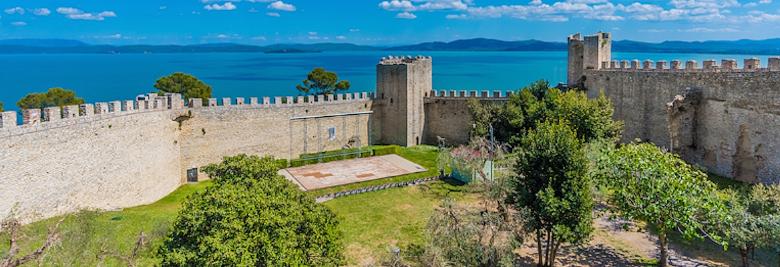
Lake Trasimeno, the fourth largest in Italy, owes its name to an ancient Etruscan legend that tells of the tragic love story between a prince and a nymph. Lord Byron described it as a “silver veil,” and over the centuries, many poets, painters, and travelers have been captivated by its romantic charm.
 This stunning landscape is home to a long and noble winemaking tradition, deeply rooted in the history of the region.

Wine Production in the Trasimeno Area

The Denominazione di Origine Controllata (DOC) Colli del Trasimeno, also known simply as Trasimeno, is one of the most significant expressions of Umbrian winemaking.

In this winegrowing area, which includes the territory surrounding the lake, vine cultivation dates back to ancient times: viticulture was most likely already practised by the Etruscans, as suggested by a reference found on the Tabula Cortonensis, an important epigraphic document from the 2nd century BC discovered near Cortona.

Several documents from the 11th and 12th centuries mention vineyard lands, but it was in the 13th century that viticulture truly began to flourish. In 1252, the Municipality of Perugia officially promoted vine cultivation in the territory of Castiglione del Lago. From that moment on, the practice spread throughout the Perugia area, laying the foundations for a tradition that would endure for centuries and ultimately lead to the recognition of the “Colli del Trasimeno” DOC, with its production regulations officially approved in 1972.

The Territory and the Colli del Trasimeno Wine Route

DOC wine production is mainly concentrated around the lake, within the area defined in Article 3 of the official production regulations (Disciplinare). This territory includes the municipalities of Castiglione del Lago, Città della Pieve, Paciano, Piegaro, Panicale, Perugia, Corciano, Magione, Passignano sul Trasimeno, and Tuoro sul Trasimeno.

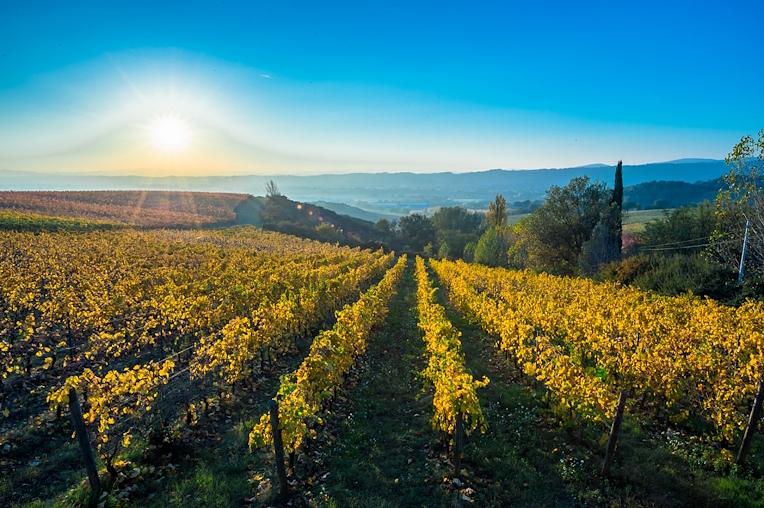
The Strada del Vino Colli del Trasimeno (Wine Route of the Colli del Trasimeno) winds through these towns, in a landscape of gentle hills, a small lowland area, and of course the lake, which positively influences the local microclimate. This balance between land and water creates ideal conditions for growing both vines and olive trees.

Wines and Grape Varieties of the Trasimeno

The Colli del Trasimeno DOC includes a range of wines, made from specific grape varieties:

  • White wines, such as Bianco Scelto, Bianco Secco, Frizzante, and Vino Santo
     
  • Red wines, including Rosso, Rosso Scelto, Riserva, Frizzante, and Novello
     
  • Sparkling wines, made using the traditional method, both white and rosé

The denomination also includes single-variety wines, made with at least 85% of the named grape, to highlight the distinctive characteristics of individual varieties:

  • Grechetto: an indigenous Umbrian variety that produces intense white wines with fruity notes and pleasant sapidity.
  • Merlot and Merlot Riserva: produces elegant ruby-red wines that may develop garnet hues with age.
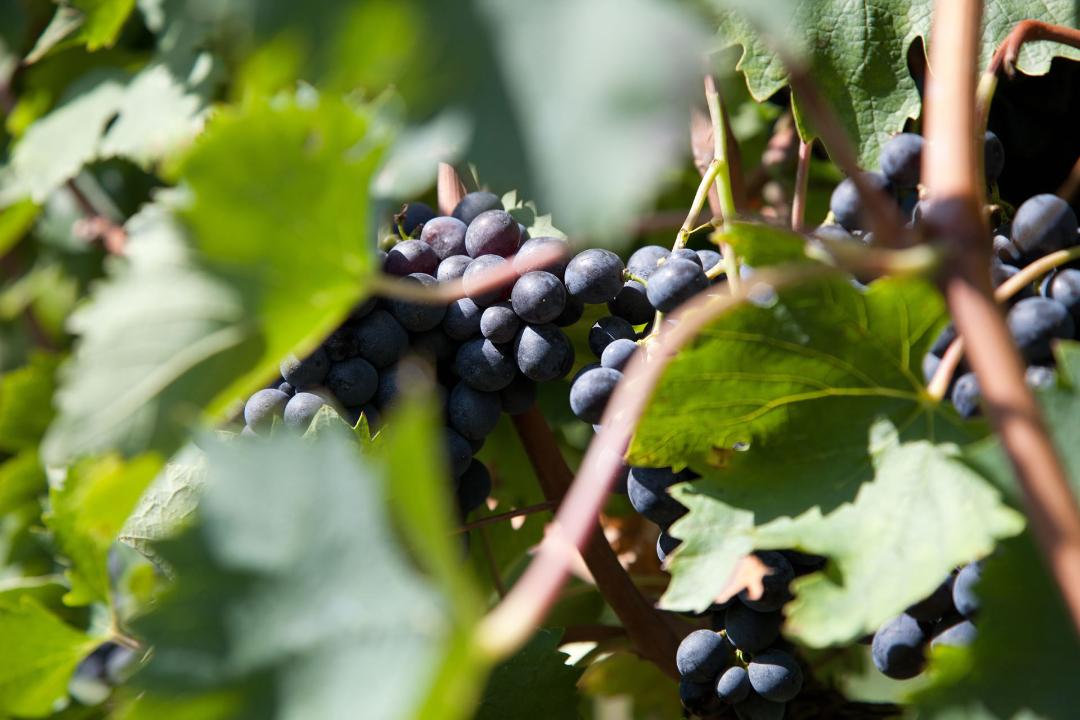
  • Cabernet Sauvignon and Cabernet Sauvignon Riserva: full-bodied red wines that deepen to purplish tones as they age.
  • Gamay and Gamay Riserva: made from a grape variety similar to Alicante—not to be confused with the French Gamay. Introduced in the 19th century, it is said to have arrived in the area as part of Eleonora Alarcón y Mendoza's dowry upon her marriage to the Duke of Corgna. This variety yields vibrant red wines with intense aromas and a brilliant colour.

Across the region, more than twenty wineries open their doors to visitors, offering their products, tasting experiences, and events where wine becomes a source of fun, learning, and discovery of the local area.

Explore the surroundings
Main attractions in the vicinity