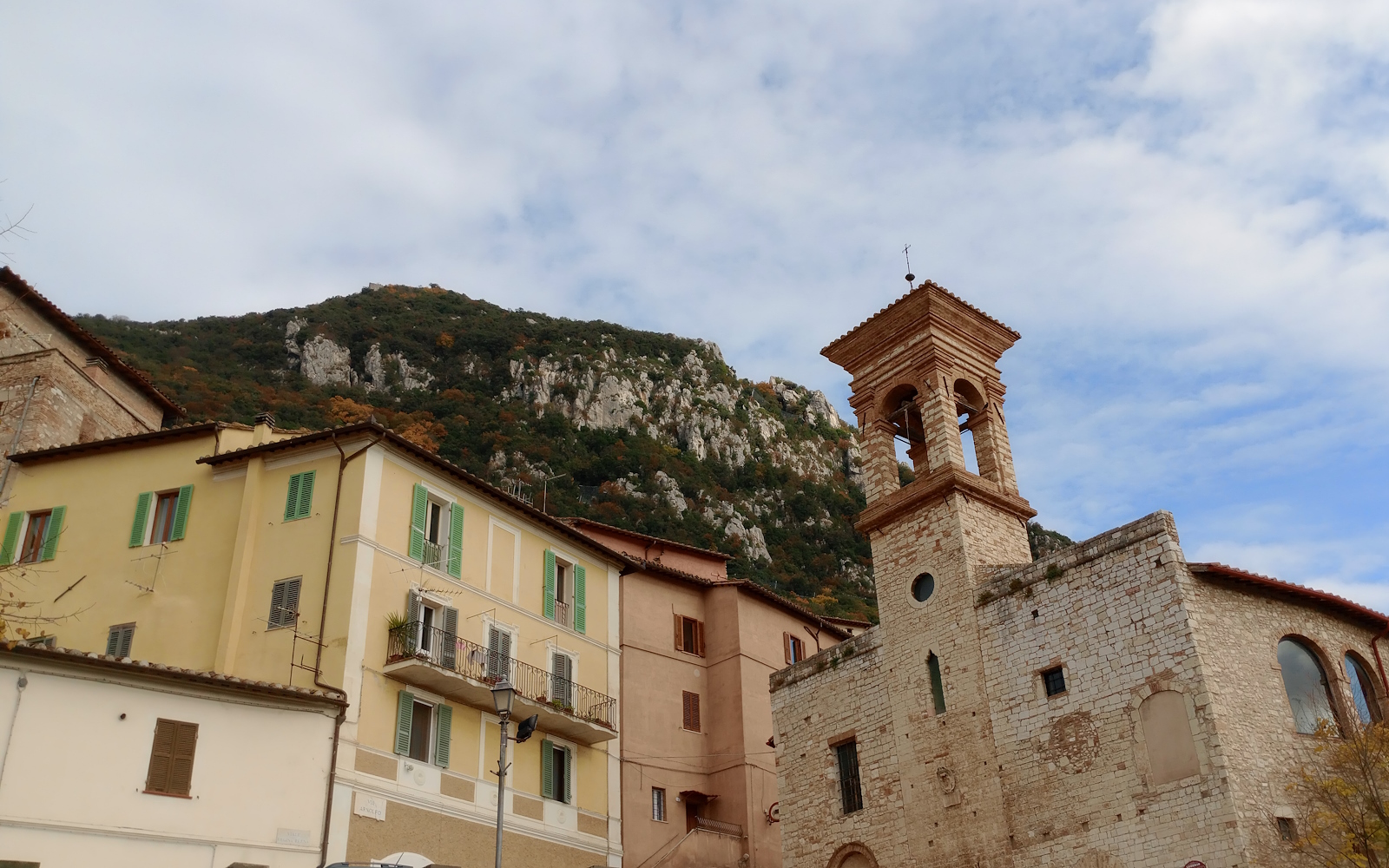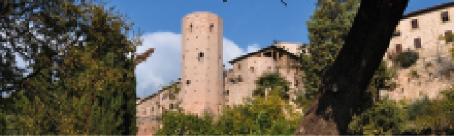



View of a stone bell tower and colorful houses with a mountain and a blue sky in the background.

Cesi: Land of Myths and Legends

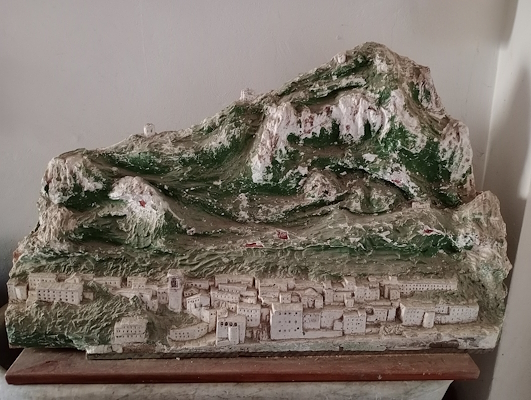
Cesi and Monte Torre Maggiore towering above it, with their evergreen forests and the remains of towers, fortresses, and walls so imposing they seem built by giants, have been at the heart of numerous legends since ancient times. Once a stop on the Grand Tour, these places have fascinated writers and artists for centuries, drawn by a landscape that combines history, myth, and nature.

Mischievous sprites in the Terni mountains: the Mazzamorelli

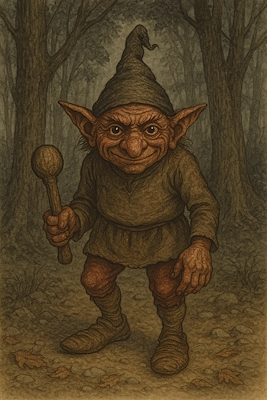
Among the most feared creatures inhabiting the woods of Cesi are the Mazzamorelli, little goblins who roam the houses at night, striking walls with a club—hence their curious name—to terrify the inhabitants.

Although the Mazzamorello may recall the mischievous Gnefro, a creature that hides in the crevices of the Marmore Falls, it is in fact closer to an “incubus”: at night, it sometimes sits on its victim to steal their breath and disturb their sleep, or it amuses itself by freeing animals locked in the stables, forcing the farmer to chase them.

Even today, many tales are told about these sprites, so deeply rooted in local folklore that, between Terni and Narni, there is even a road named after them: “Strada di Mazzamorello.”

The Eolia Cave: the breath of the mountain

The subsoil of Cesi, crossed by caves and karst tunnels, represents not only a true speleological heritage but also a treasure trove of myths and legends: from its caves blow currents of warm air in winter and cool breezes in summer.

This remarkable natural phenomenon has fuelled the imagination and curiosity of scholars and writers since antiquity: Virgil placed here the dwelling of the god Aeolus, while the great intellectuals of the Grand Tour made it a must-see stop during their travels, attracted by the uniqueness of these underground cavities, enveloped in an aura of legend.
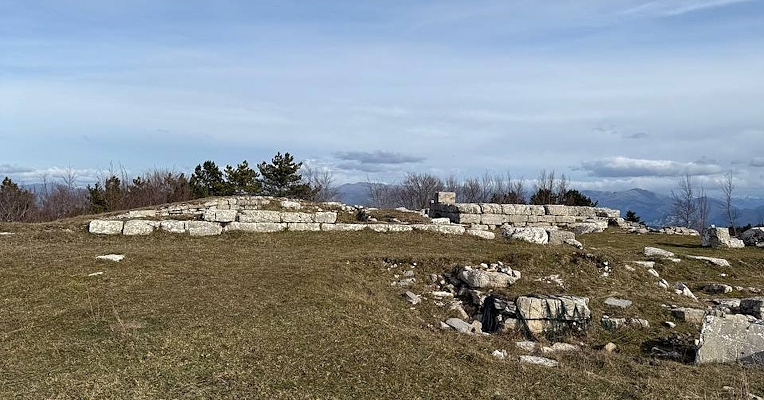
The last stronghold of the Umbri: the caves of Cesi and the mystery of the underground city of Crotona

According to the Roman historian Livy, in 303 BC there was an expedition of the Roman army against a band of Umbrians who lived in a cavern. At the beginning of the fierce clash, the Romans suffered several injuries, overwhelmed by the darkness of the cave, until they discovered that the Umbri’s refuge had two entrances. They blocked them both and set fire. For the men inside, there was no escape: of the roughly two thousand Umbri trapped in the cave, not one survived.

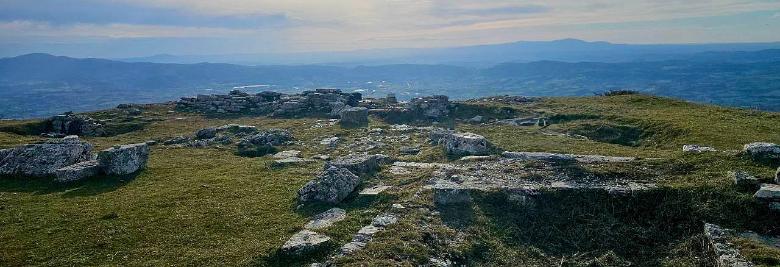
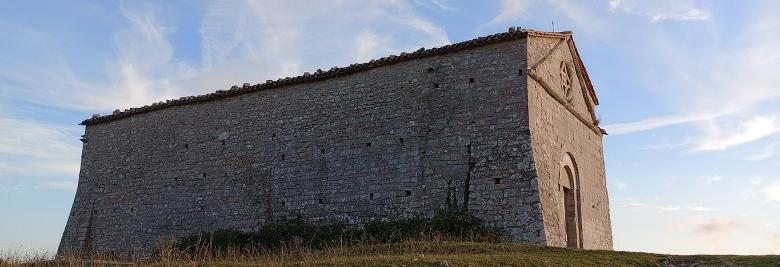
The site of this massacre, left unnamed by the Latin historian, is believed by many to be located precisely within the caves of Cesi. Some suggest that the name of the town may derive from the Latin caesi (“slain”), in memory of the tragic episode. Others, however, point to the karst system of Cesi: the caves show numerous “exits” on different levels, such as those found near the Church of Sant’Erasmo or the great temple of Torre Maggiore.

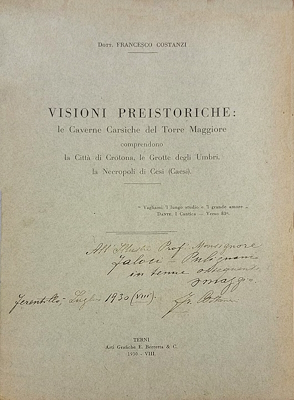
From here, history fades into legend with the tale of a mysterious underground stronghold, the city of Crotona (or Criptona, from the Greek kryptós, “hidden”). Built in ancient times by the Pelasgians, after the departure of this legendary founding people, the Umbri settled within the extraordinary fortress, so well hidden that neither the Romans nor Livy knew of its existence.

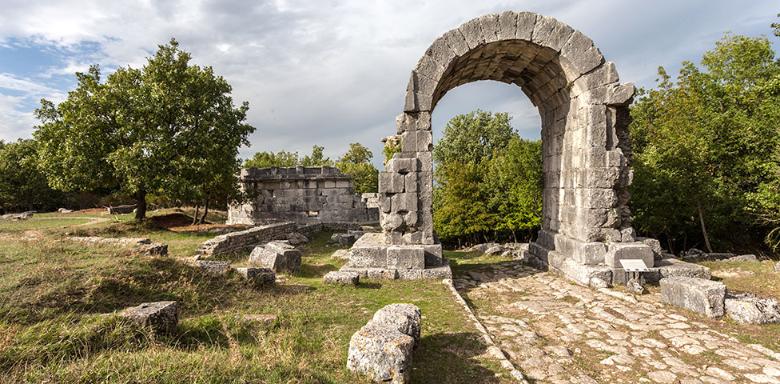
The city was said to have a complex system of tunnels, passages and exits to the outside: it was thanks to a third escape route that some Umbrians managed to survive the massacre. Once safe, they founded a new city from the ashes of lost Crotona: none other than Carsulae, whose name, like an echo of truth at the end of this legend, might mean “founded by those who deceived Death.”

Even today, the tunnels and crevices of Monte Torre Maggiore remain partly unexplored: who knows whether one day the underground of Cesi might transform legend into reality, perhaps bringing back from the mists of time the lost city of Crotona?

Explore the surroundings
Main attractions in the vicinity