










.jpg/e9571273-0e35-1ff2-0713-76c7fd4e3cc5?width=456)

.jpg/a08d67bd-b19a-b067-a11a-48685005acdf?width=1920)
Amelia and the Amerino: choose a flavour and let yourself be guided
In the shadow of more popular tourist routes, the Amerino stretches between Terni and the border with Lazio: a land of hills, olive groves that shape the landscape, and hidden wineries—where even the food tells an ancient story: from the Romans to the Benedictine monks, from medieval lords to today’s guardians of biodiversity.
The Green Gold of Rajo
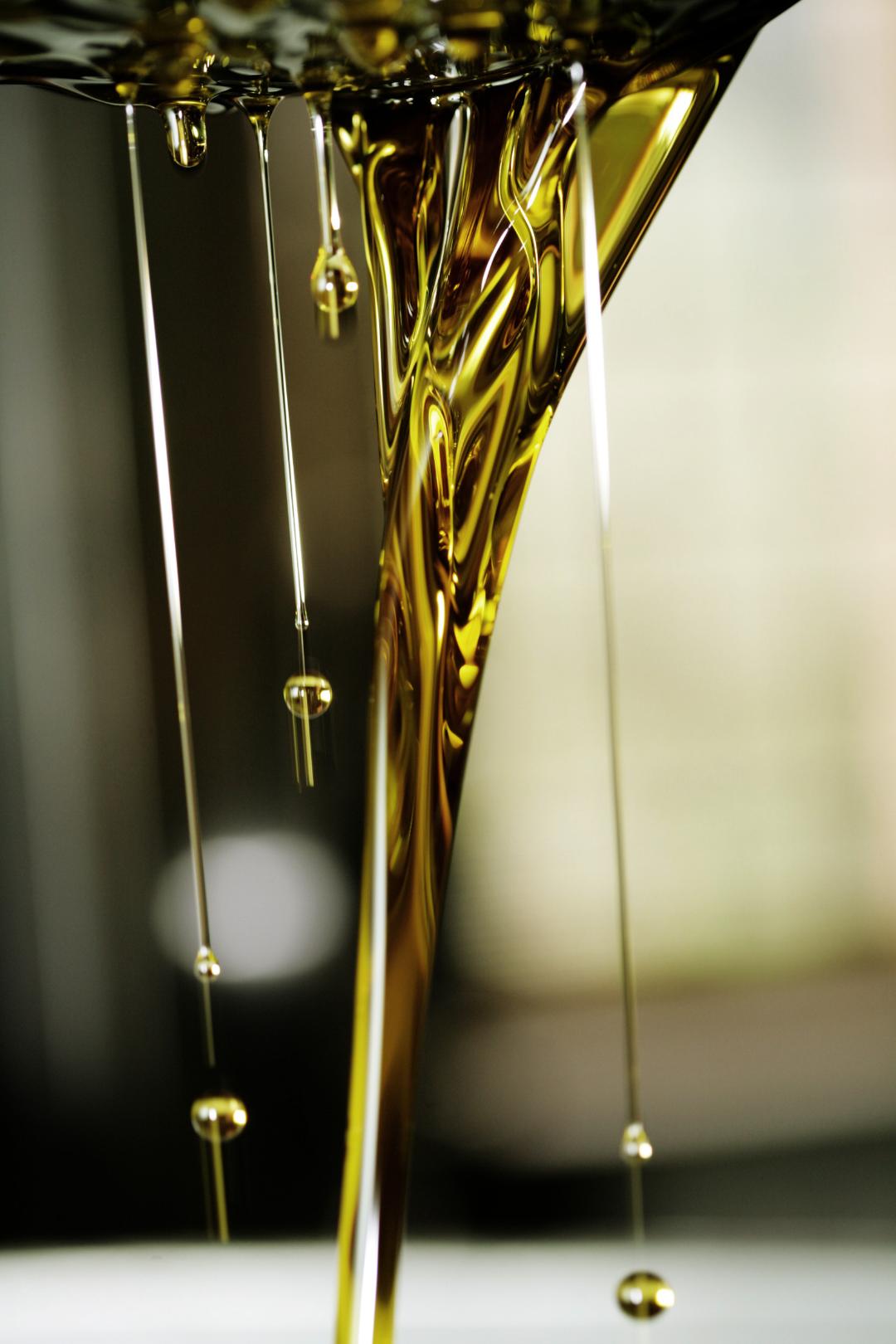
The olive-growing heritage of this area is truly remarkable. The slopes of the Amerino, shaped by centuries of skilled cultivation, are a triumph of green geometry. Here, olive trees—some centuries old, with twisted trunks like sculptures—stand resilient against the elements, while their fruit becomes liquid gold. The Rajo, a native cultivar already praised by Virgil and Columella, dominates the countryside, yielding an oil with a complex aroma: intense fruitiness blended with bitter almond and a spicy finish that echoes the land’s character. Its name derives from its resemblance to a small weaver’s shuttle.
...where to taste it...

Territorial Wine: Grechetto and Ciliegiolo
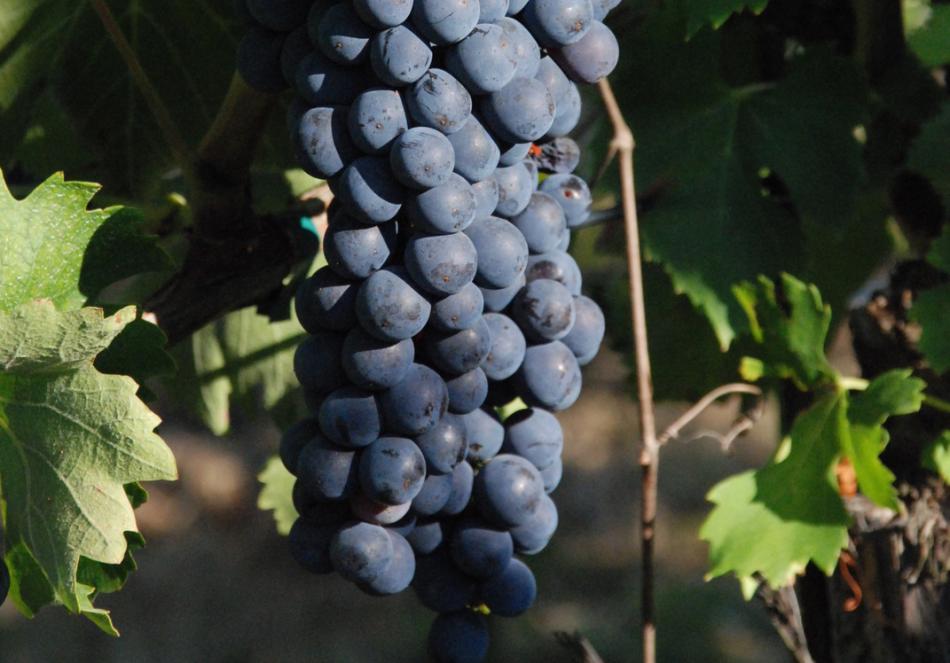
The vineyards clinging to these hills are the heart of the Colli Amerini DOC wines They produce Ciliegiolo, Grechetto, Malvasia Bianca Lunga, Merlot, Sangiovese, and Trebbiano Toscano—varieties that display unique features such as low acidity and distinctive aromas and colours. Grechetto (dry, mineral) and Ciliegiolo, a ruby red wine made from the black grape variety of the same name, which gets its name from its cherry-like aroma. This grape dates back to the Etruscan period, between the 8th and 3rd centuries BCE.
These are little-known bottles—but well worth the journey.
...where to uncork them...