






Le parc régional du lac trasimène
Le Parc Régional du Lac Trasimène s’étend sur une superficie de peu plus de 13 000 hectares et comprend les communes de Castiglione del Lago, Magione, Passignano, Tuoro et Panicale, ainsi que les trois îles : Maggiore, Polvese et Minore. Il a été institué en 1995 dans le but de préserver et de valoriser cette zone du territoire ombrien, si particulière d’un point de vue naturaliste et historico-artistique.
La beauté envoûtante de la faune et de la flore
Aujourd’hui, le parc se présente dans toute sa splendeur, caractérisé par une végétation marécageuse riche et une forte présence de chênes verts, chênes pubescents, chênes et autres plantes typiques du maquis méditerranéen.
L’environnement naturel du lac, avec ses fonds bas et sablonneux, ses roselières et ses eaux limpides, abrite une riche population de poissons et une avifaune variée. Parmi les poissons du lac Trasimène, on trouve des tanches, des anguilles, des brochets et des carpes. Parmi les oiseaux, les espèces migratrices sont bien représentées : hérons, aigrettes, canards colverts, mouettes, foulques, grèbes, échasses blanches, siffleurs et bien d’autres encore. Les cormorans sont particulièrement nombreux, au point que des mesures de dissuasion ont dû être adoptées.
Là où le lac rencontre l’histoire : des bourgs qui défient les siècles
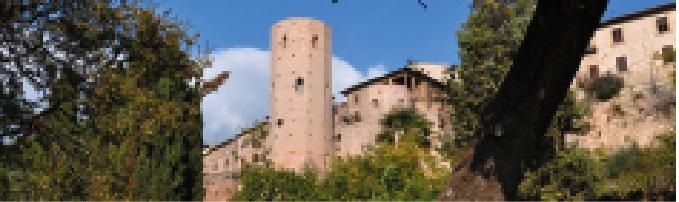
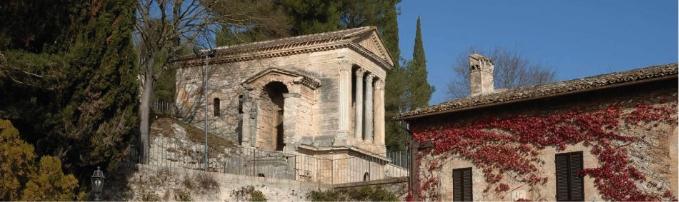
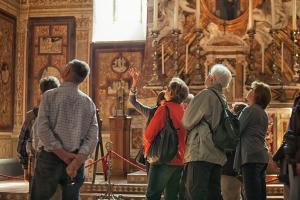
Le parc est littéralement parsemé d’habitats d’un grand intérêt historique et artistique : des bourgs fortifiés offrant des panoramas à couper le souffle, de pittoresques villages de pêcheurs, ainsi que des centres urbains importants ayant bénéficié au fil du temps de prestigieuses commandes artistiques, tant religieuses que laïques. Ces lieux sont riches en fresques et tableaux de la Renaissance réalisés par les grands maîtres italiens du XVe siècle, qui ont souvent représenté les paysages du lac, ses couleurs et sa lumière.
Voyager à pied, à vélo, en bateau, ou simplement du regard
Les possibilités de visite sont nombreuses. Il est possible de prendre des bateaux confortables pour visiter les îles Maggiore et Polvese, découvrir les lieux de la célèbre bataille d’Hannibal, visiter les trésors artistiques de Castiglione del Lago et de Panicale, ou encore parcourir à pied ou à vélo les 160 km de la « Via del Trasimeno », en sept étapes. On peut aussi pratiquer des sports nautiques, faire du birdwatching et assister au baguage des oiseaux à l’Oasis naturelle « La Valle », ou visiter le Musée de la Pêche de San Feliciano.
À table avec le lac : poissons, vin et un précieux petit haricot
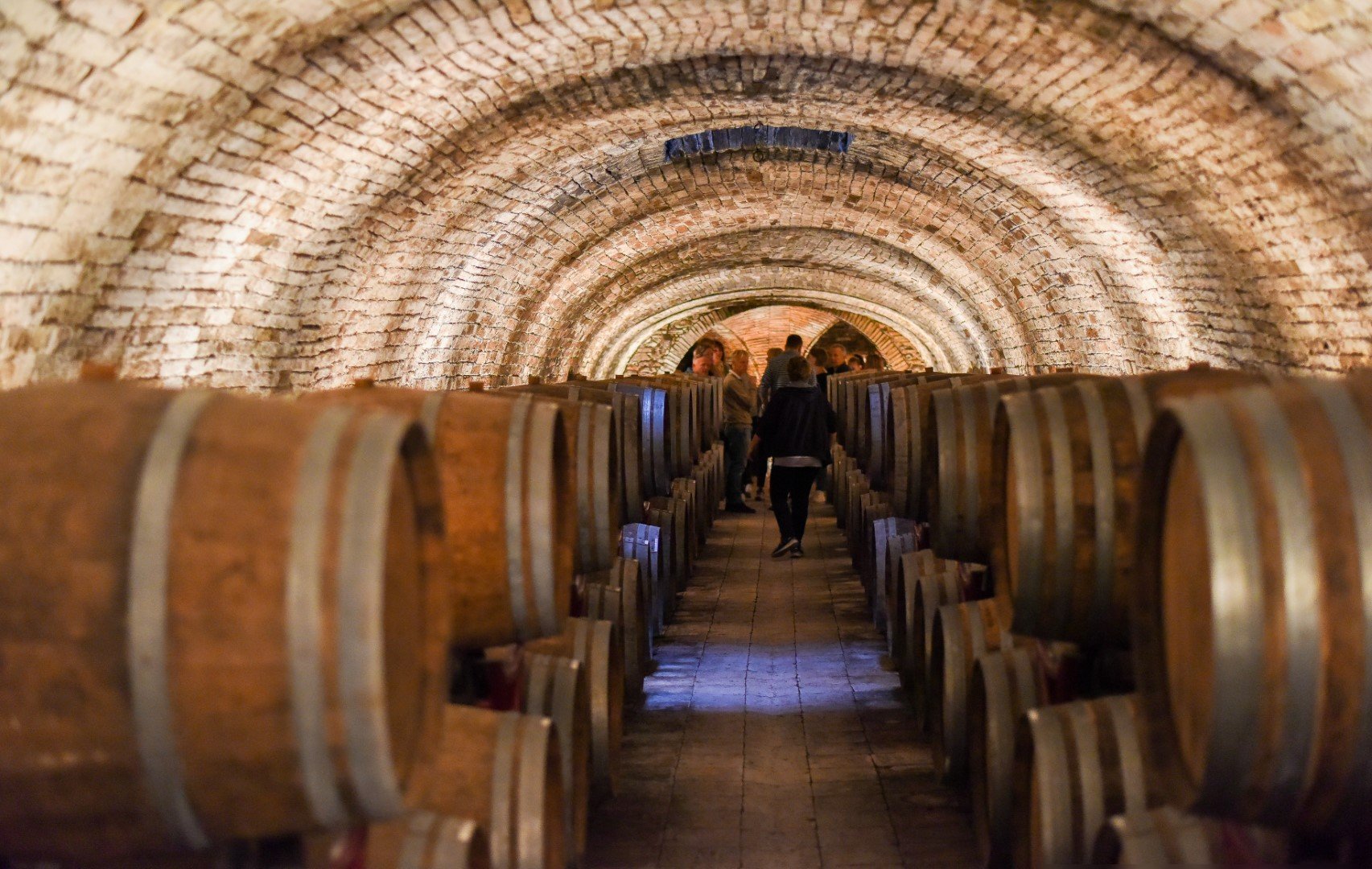
Dans chaque village riverain, ne manquez pas de déguster les gourmandises du lac : la carpa regina in porchetta (carpe « regina » cuite façon porchetta), les œufs de carpe, la tanche, le « tegamaccio » (ragoût de poissons), l’anguille ou la tanche au four, la perche, la précieuse fagiolinadel Trasimeno (une petite légumineuse locale), le torciglione (un dessert traditionnel). Le tout accompagné d’un excellent verre de vin local issu des collines environnantes.
Le lac qui a survécu : histoire d’un miracle hydraulique
Le Trasimène est un lac d’origine tectonique. Il est alimenté uniquement par les précipitations, ce qui explique la forte variabilité de son volume, marqué au fil du temps par de fortes baisses de niveau alternant avec des crues dévastatrices. Cela a conduit à des mesures de sauvegarde du lac ombrien dès l’Antiquité.
Au Ier siècle après J.-C., les Romains construisirent un premier émissaire près de San Savino. Celui-ci fut restauré en 1422 par Braccio Fortebraccio da Montone, seigneur de Pérouse, à qui appartenaient le lac et son territoire.
Des interventions ultérieures n’eurent pas les effets escomptés et, en 1862, le Ministère italien de l’Agriculture décida même d’assécher totalement le lac. Ce projet désastreux fut évité grâce à l’intervention du sénateur Guido Pompili, originaire de Monte del Lago, qui mena une campagne de sensibilisation de l’opinion publique. Celle-ci impliqua également les célèbres frères Alinari, photographes de Florence. Des travaux de bonification et la construction d’un nouvel émissaire furent réalisés entre 1896 et 1898.


