











.jpg/e9571273-0e35-1ff2-0713-76c7fd4e3cc5?width=456)

The Trasimeno Dace
“Leuciscus Trasimeno: we name this new species as such, not so much because it is found solely in that lake, or because no other Leuciscus inhabits it, but rather because it is so abundant that its highly profitable fishing is a considerable revenue for our treasury and is subject to a specific statute.” Thus wrote Luciano Bonaparte, author of Iconografia della Fauna Italica, published between 1832 and 1841.
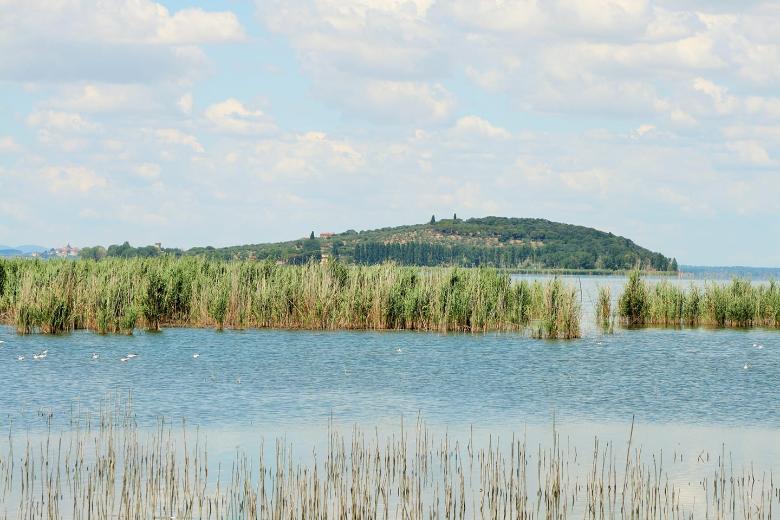
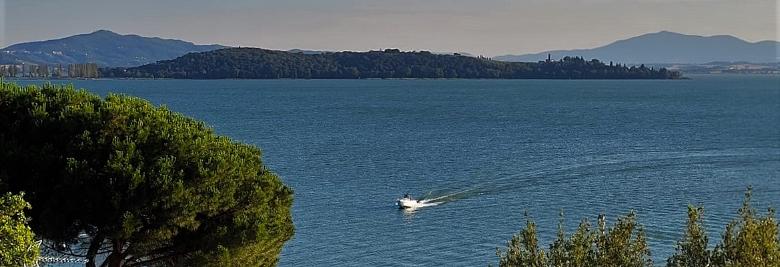
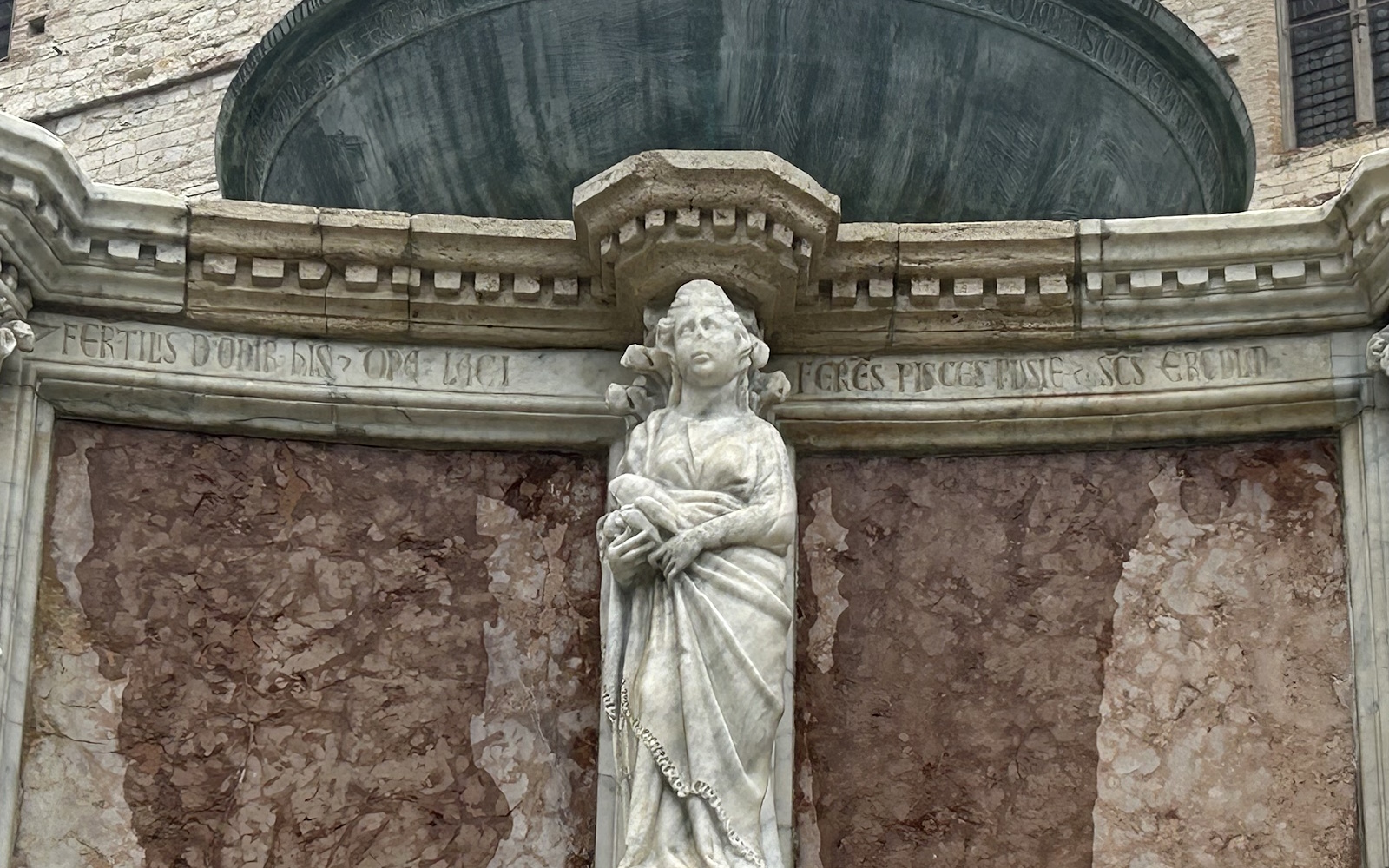
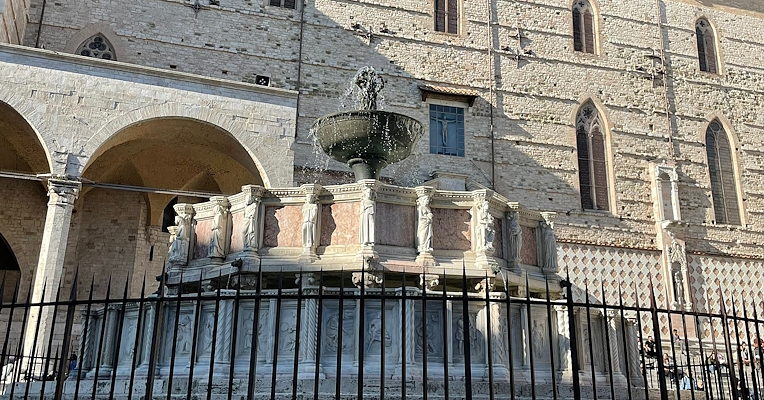
Once abundant in the waters of Lake Trasimeno, the dace disappeared from the lake’s fish species in the early 20th century for reasons that remain unclear. Nevertheless, it once played a significant role in the economy of the region. A testament to its importance can be found in the Fontana Maggiore of Perugia, where the city is depicted as a wealthy lady seated on a throne, holding a cornucopia as a symbol of its prosperity. To her left stands Domina Clusii, carrying a bundle of wheat ears, while to her right stands Domina Lacii, holding a bundle… of dace. Moreover, Guelph Perugia paid its tribute to the Pope during the vigilie comandate (obligatory fasting days) in dace, clear evidence that it was a prized fish, one that graced the tables of high-ranking prelates in the Roman Curia. Furthermore, municipal records from the 14th century state that during Lent, half of the 30 some (an old unit of measurement) of fish introduced daily to the city’s market had to consist of dace.


.jpg/d0d100cb-b3f9-c5b6-6aab-ad2d73b28bf2?width=780)