








.jpg/e9571273-0e35-1ff2-0713-76c7fd4e3cc5?width=456)

Urvinum Hortense
An important archaeological heritage set in a landscape of great natural beauty
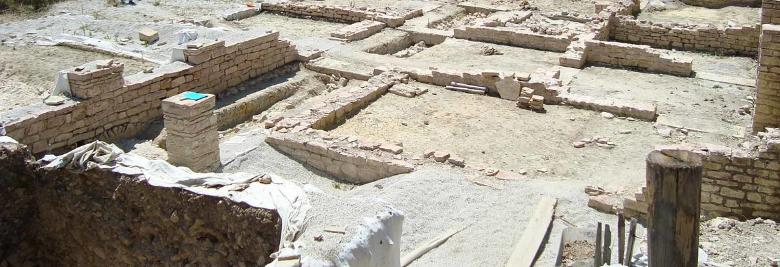
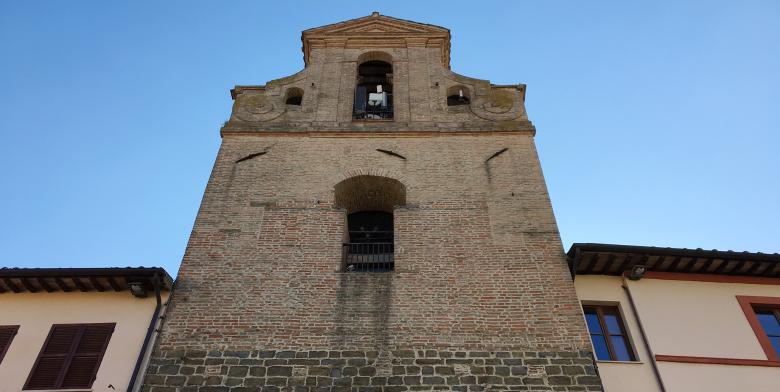
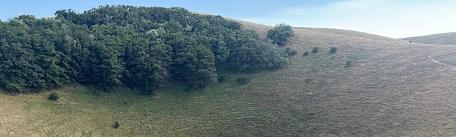
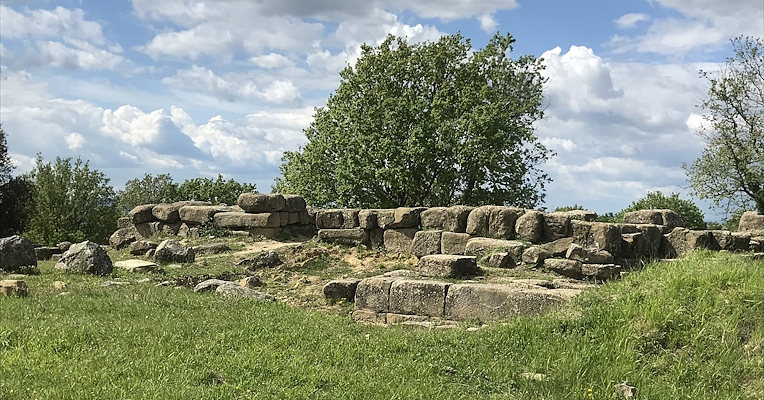
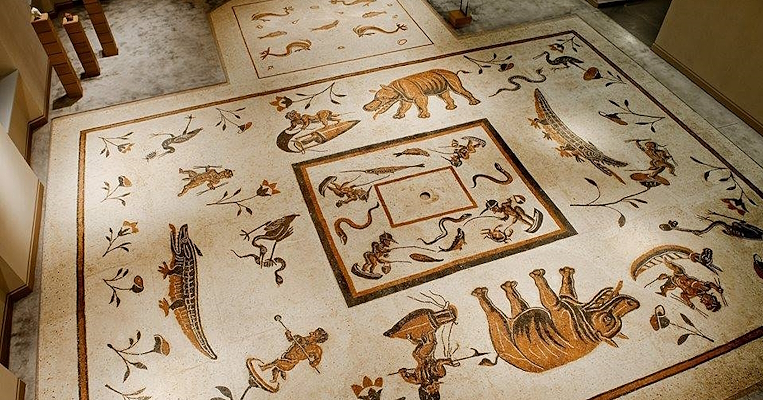
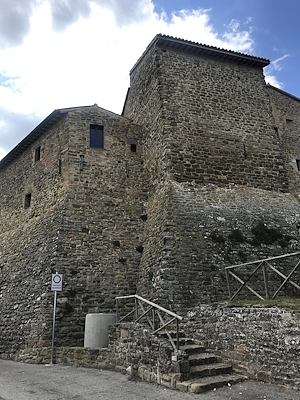
The archaeological site of the ancient Roman city of Urvinum Hortense, mentioned by Pliny the Elder in his Naturalis Historia, is located just a few hundred metres from the village of Collemancio (506 m) in the municipality of Cannara.
Urvinum Hortense was a small Roman municipium situated on a modest ridge (526 m a.s.l.) overlooking the Umbra Valley, on the north-eastern slopes of the Monti Martani range. As confirmed by systematic excavations and studies carried out by the University of Perugia, the ancient settlement was originally planned during the 2nd century BC. Incorporated in the Augustan Regio VI, it experienced significant urban development only between the late 1st century BC and the early 2nd century AD. In 47 BC, the site is believed to have been the birthplace of the poet Propertius, and historical sources also record that the consul Fabius Valens was imprisoned here during the war against Emperor Vespasian (69 AD).Although the city fell into decline in the 5th century due to barbarian invasions, the area appears to have remained inhabited throughout the early Middle Ages, as shown by the remains of the Early Christian basilica of Santa Maria de Orbinum (6th–9th century), built using reused materials from the ancient Roman town.



_01 (1) - Modificata (1).png/d51ebe99-b652-2406-9752-db5a3e442358?width=780)