









.jpg/e9571273-0e35-1ff2-0713-76c7fd4e3cc5?width=456)

Villa of Boccaglione
A villa on the plain, set between the Spoleto Valley and the Tiber Valley
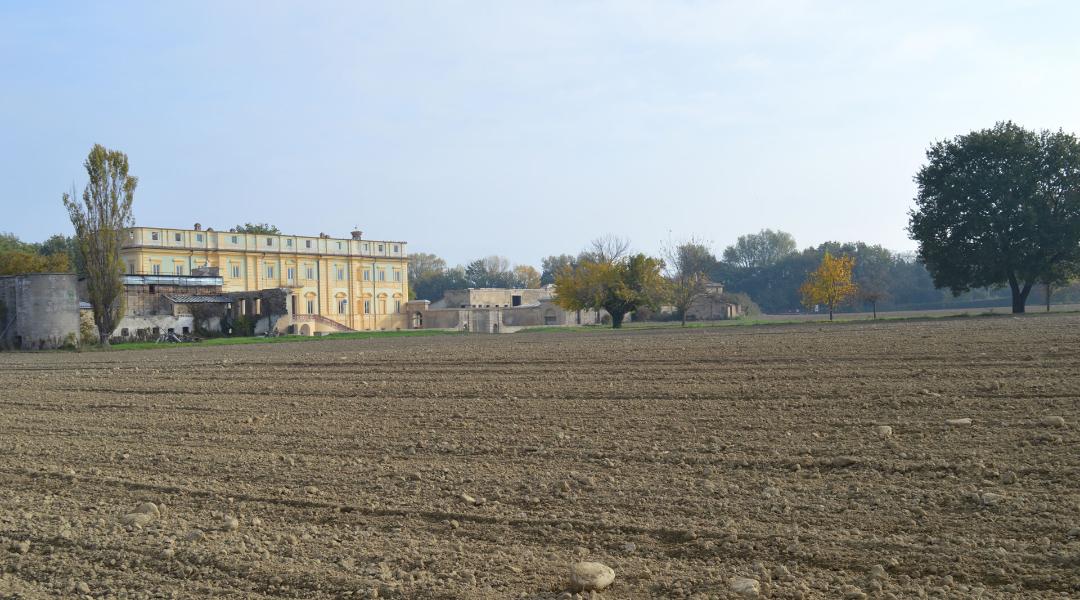
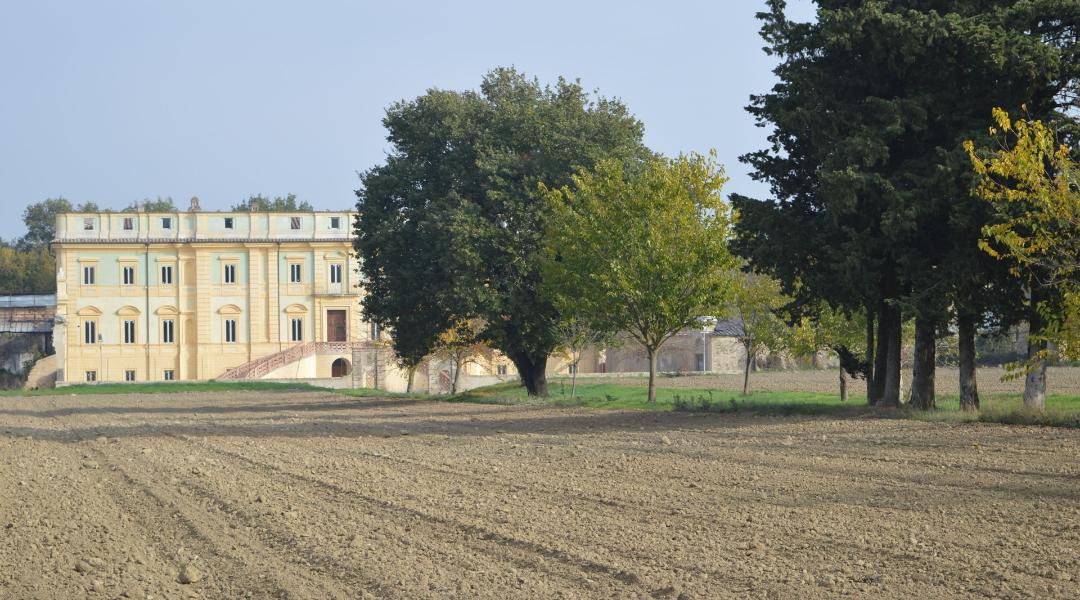
In the locality of Passaggio, on the plain at the foot of the Colle di Bettona, stands Villa del Boccaglione, built for the noble family of Bettona, the Crispolti, in the second half of the eighteenth century, probably on a pre-existing sixteenth-century building. According to some scholars, the unknown architect who oversaw its construction may have been the celebrated Giuseppe Piermarini (1734–1808) from Foligno, active above all in Milan and Lombardy.Subsequently, ownership of the building passed to the noble Perugian family Della Penna, then to the Bianconi family of Bettona and finally to the Iraci Borgia Mandolini. In 1993 it was purchased by the Ministry for Cultural Heritage, which carried out important consolidation and restoration works on the building.

_01 (1) - Modificata (1).png/d51ebe99-b652-2406-9752-db5a3e442358?width=780)

 - Sala XII, Il vino come alimento_a (1).jpg/127a9e83-66f0-b810-fd51-ed68a62d2aae?width=780)
.jpeg/c9dd1da1-9fd0-81c8-efa3-d9140647adaf?width=780)