A journey through 20th-century art
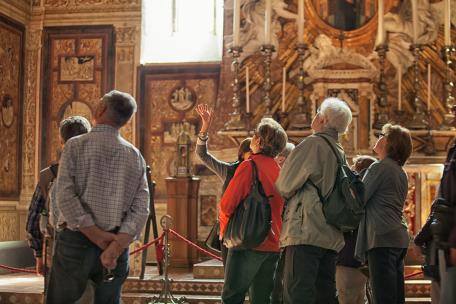
The heart of the Palazzo is the main floor, which preserves many of the sumptuous original furnishings as well as the Collicola family’s picture gallery, featuring paintings ranging from the 16th to the 19th century, including the famous Spezieria from the school of Guercino.
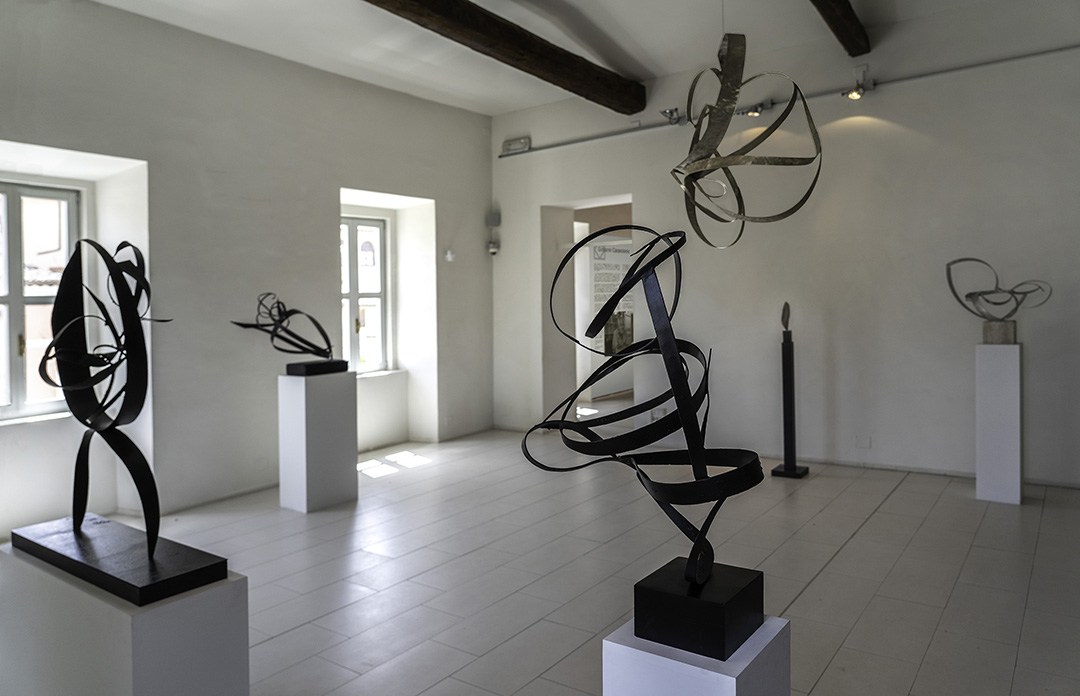
It now houses the “new” permanent collection of the Giovanni Carandente Gallery of Modern Art, named after the famous art critic who for many years curated the art section of the Festival dei Due Mondi and was the main donor of the collection displayed in the museum’s rooms. Particularly interested in sculpture, Carandente organised in 1962 an exhibition that made history: Sculptures in the City, featuring 104 works created by 54 of the greatest sculptors of the 20th century, including Alexander Calder (creator of the Teodelapio, the first permanent work by the American artist in Spoleto, located in front of the railway station).
He also conceived the “Premio Spoleto” (1953–1968), whose winning works are displayed in the Gallery; among these are pieces by Pino Pascali, Mario Ceroli, Giuseppe Uncini, Mattia Moreni, Giulio Turcato, Ennio Morlotti, and Sergio Vacchi.
Sections dedicated to Alexander Calder and Beverly Pepper — highlighting their relationship with Carandente — symbolically open and close the exhibition itinerary.
Thanks to these and other works, and to one of the most diverse and advanced exhibition layouts in the Italian museum landscape, visitors can journey among national and international masterpieces by artists such as Henry Moore, Ettore Colla, Nino Franchina, and Pietro Consagra.
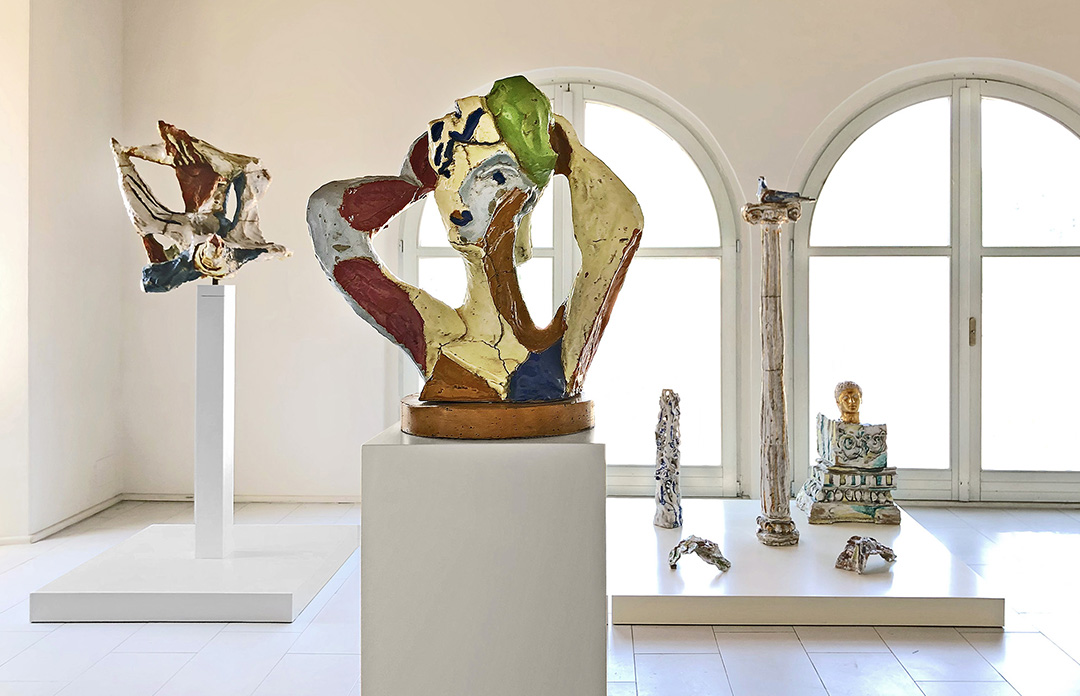
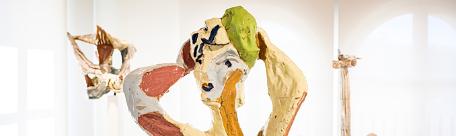
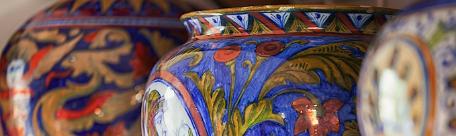
Also noteworthy are thirty works by the artist Leoncillo Leonardi, born in Spoleto in 1915, including “Affinità patetiche” and Pietà or Corpo dolente, displayed in the long and luminous gallery on the second floor, along with drawings, ceramic sculptures, and maiolica pieces acquired by the museum from the 1980s onwards.
The sections dedicated to the Forma 1 group and the Scuola di San Lorenzo, to abstract art (with artists such as Fausto Melotti, Claudio Verna, Vasco Bendini), to figuration (including works by Luigi Ontani, Stefano Di Stasio, Roberto Barni), and to sculpture (Anthony Caro, Lynn Chadwick, Arnaldo and Giò Pomodoro, Nino Franchina, Salvatore Cuschera) are equally unmissable.
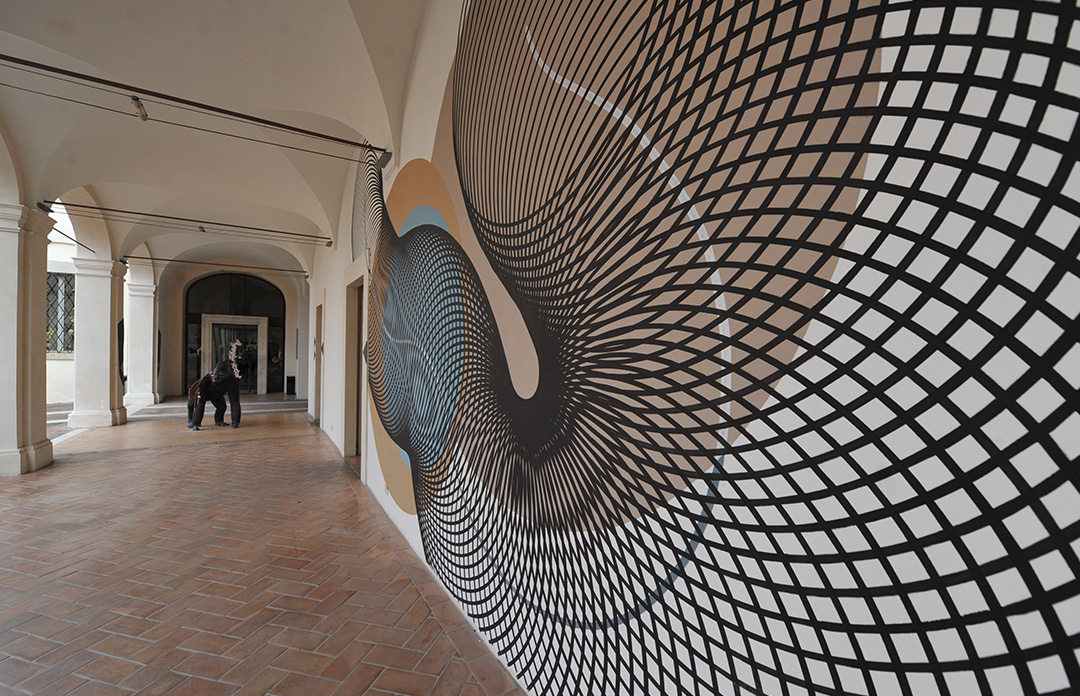
Also remarkable are works by conceptual artists such as Jan Dibbets, the aforementioned Sol LeWitt, and new “arrivals” that further enrich the Collection, including pieces by Gianni Asdrubali, Gastone Biggi, Stefano Di Stasio, Paola Gandolfi, Francesco Lo Savio, Afranio Metelli, Piero Pizzi Cannella, and Francesco Somaini.
The museum also hosts high-quality temporary exhibitions featuring works by renowned national and international artists.
The works of the permanent collections are subject to periodic rotation: placed in different contexts, they gradually acquire new meanings. Palazzo Collicola is therefore a living museum that, thanks also to new acquisitions, continuously evolves, representing one of the most significant experiences in the field of contemporary art in Italy.







.jpg/e9571273-0e35-1ff2-0713-76c7fd4e3cc5?width=456)