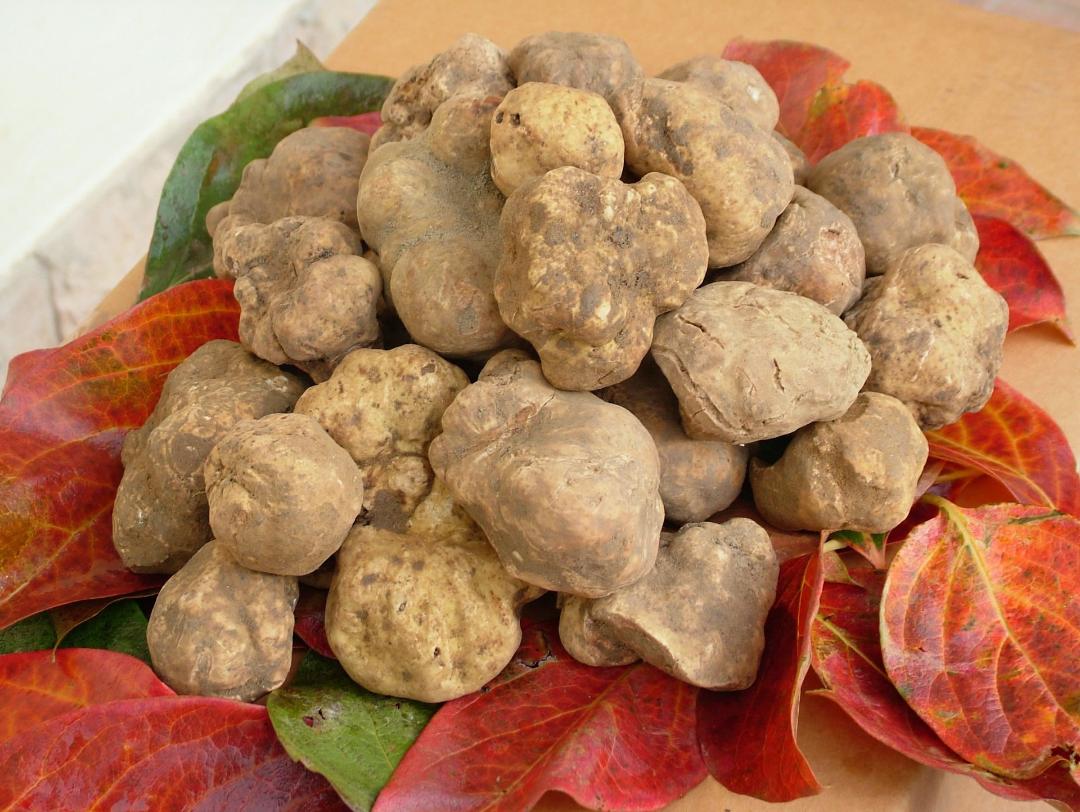
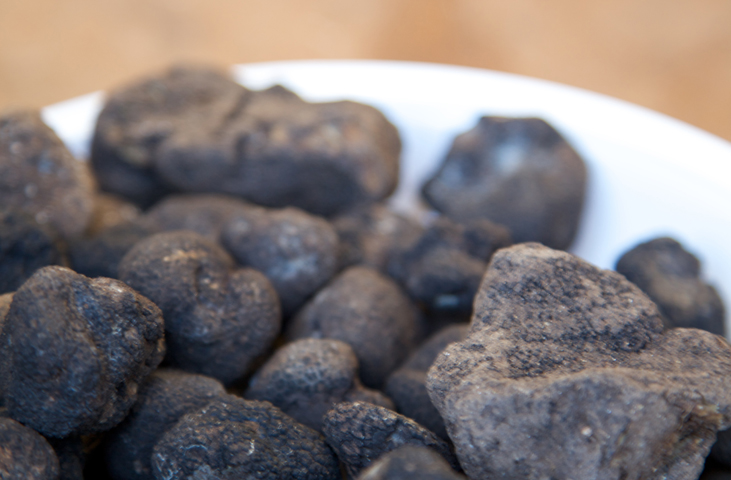
The ancient world’s enthusiasm for truffles abated in the Middle Ages, when people believed they contained deadly poisons or were food for witches. However, during the Renaissance, following the rise of culinary culture and the appreciation of refined taste, it regained its value and became a symbol of excellence in aristocratic cuisine. In 1564, the Umbrian physician Alfonso Ceccarelli wrote the first monograph on truffles, the “Opuscolum de Tuberibus”, in which he compiled the opinions of Greek and Romans naturalists along with various historical anecdotes.
The king of the table
Its fame continued to grow over time, earning the title of “prince of the table”, and eventually it became a cultural phenomenon. In the eighteenth century, truffle hunting had become a courtly pastime, likely giving rise to the custom of using an elegant animal such as the dog for the search. Its long history boasts the enthusiastic appreciation of illustrious figures, including Count Camillo Benso di Cavour, who used truffles as a diplomatic tool in his political dealings, or Lord Byron, who kept it on his desk believing its intense aroma stimulated his creativity. In 1868, Gioachino Rossini, who lived in Paris, requested high-quality truffles from Umbria in a letter sent to a merchant in Spoleto, in which he signed himself as the “former music composer”. Those truffles were promptly shipped to the composer of The Barber of Seville and William Tell. The letter is now kept in the museum of the Teatro Lirico Sperimentale of Spoleto.










.jpg/e9571273-0e35-1ff2-0713-76c7fd4e3cc5?width=456)