






.jpg/e9571273-0e35-1ff2-0713-76c7fd4e3cc5?width=456)

Four stories, one territory - Four stories, one territory

Cheese and wine: a dialogue of the territory
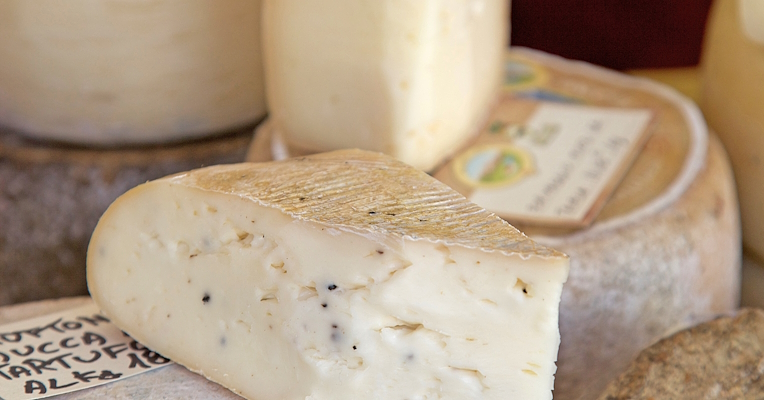
In Umbria, the dairy tradition is as ancient as its pastures. Pecorino – made from sheep’s milk from flocks raised in the Sibillini Mountains or the Martani Hills – develops different characters depending on its ageing: fresh and delicate, semi-aged with herbal notes, or fully aged and spicy, perfect for grating. Salted sheep’s milk ricotta, a Slow Food Presidium, is an excellence of the Valnerina, matured in small forms that concentrate its flavour.
These cheeses engage in a dialogue with wine. Fresh pecorino pairs well with Grechetto, a structured white wine with fruity notes. Aged pecorino finds balance with Sagrantino, whose tannins soften against the cheese’s savoury profile. Around Lake Trasimeno, Gamay – a fresh and pleasantly drinkable red wine – pairs with medium-aged cheeses and the local norcineria (cured meat) tradition.
Extra virgin olive oil: Umbrian excellence and its benefits
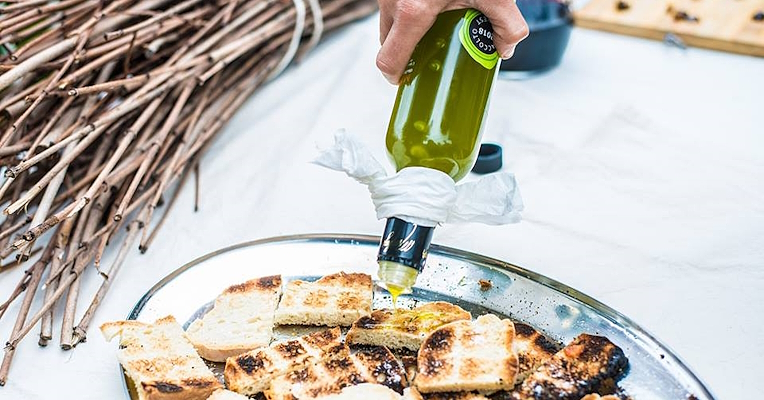
Umbria holds a unique distinction in Italy: it is the only region that produces exclusively PDO-certified extra virgin olive oil. Five sub-areas express the diversity of a product united by its intense green colour and notes of artichoke, freshly cut grass and almond.
Visiting an olive mill means discovering an art that has been repeated for centuries, but also understanding why this oil is considered a valuable food for health. Nutritionists highlight its anti-inflammatory properties, its high content of polyphenols – substances that protect cells – and its role in cardiovascular prevention. Umbrian extra virgin olive oil is not just a condiment: it is an ally of daily wellbeing, combining taste and care.
Small but great treasures of the Umbrian pantry
Beyond wine and olive oil, there is another side of Umbria—one defined by niche products, patiently cultivated on small plots of land and preserved by communities that have resisted standardisation.
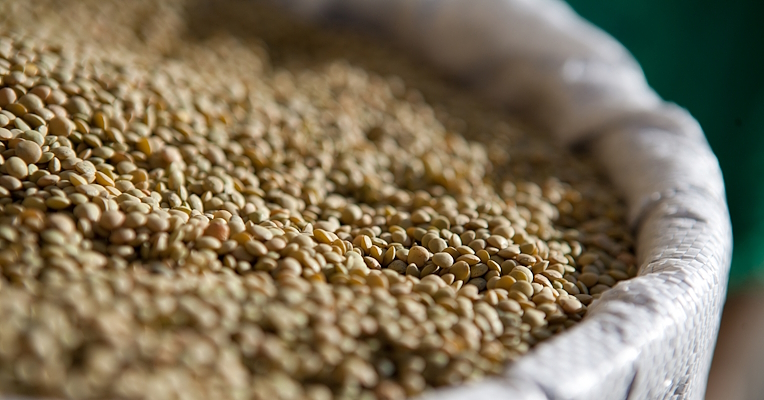
Lentils from Castelluccio, grown on the plateau of the Sibillini Mountains, are small and delicate, with colours ranging from green to reddish hues. They require no soaking and cook in just a few minutes, retaining a refined texture that makes them truly unique.
Spelt from Monteleone di Spoleto, a Slow Food Presidium, is an ancient grain cultivated in the mountainous areas of the Valnerina. Rich in fibre and protein, it has a deep, earthy flavour reminiscent of high-altitude pastures. It is commonly found in soups, broths, or served alongside cheeses and cured meats.
Saffron from Cascia and Città della Pieve is among the most prized spices in Italy. Hand-harvested in autumn, its deep red threads release a distinctive aroma and a golden hue that elevates risottos and desserts.
Fagiolina del Trasimeno, a tiny and rare legume, grows along the shores of the lake. Its exceptionally thin skin requires no soaking, while its creamy texture and delicate flavour evoke the surrounding water and land.
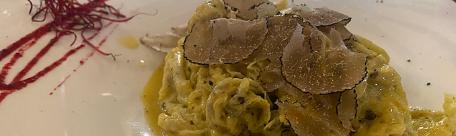
Truffle—black truffle, summer truffle, and in autumn the precious white truffle—is the king of the Umbrian table. More than just an ingredient, it is an experience that begins in the forest with the truffle hunter and their dog, and ends at the table, where its deep, earthy aromas transform a simple plate of fresh pasta into a lasting memory.
These products tell the story of a lesser-known yet deeply authentic Umbria, rooted in ancient knowledge and a generous land waiting to be discovered.
Craft breweries: where tradition meets the unexpected
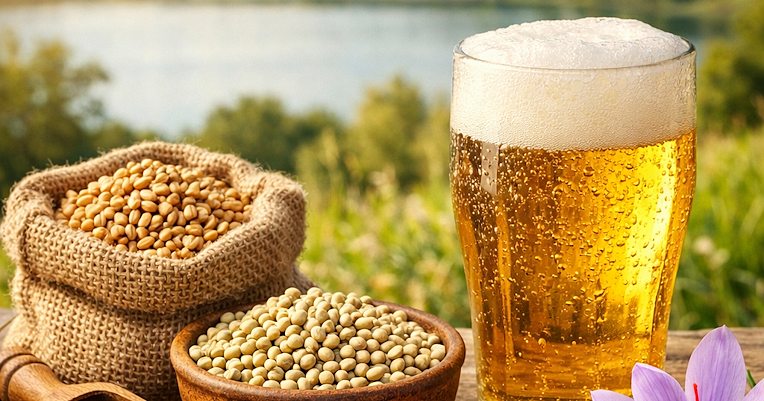
In Umbria, craft beer has followed a distinctive path. Rather than simply replicating international styles, it is enriched with ingredients deeply rooted in the region, creating something entirely original and surprising.
Some brewers use farro from Monteleone di Spoleto to impart subtle spice and a velvety texture. Others incorporate Castelluccio lentils to achieve a refined bitterness and a persistent foam. Some experiment with saffron from Cascia, lending the beer a golden colour and unmistakable aroma. And then there are additions such as fagiolina del Trasimeno, hemp from Nocera Umbra, honey from the Monti Martani, and chestnuts from Upper Umbria.
The result is not a beer that seeks to imitate wine, but one that expresses the territory in its own language. This approach appeals to those in search of authentic and unexpected flavours—and surprises even the most experienced palates, precisely because here brewing tradition is not about imitation, but discovery.