





.jpg/e9571273-0e35-1ff2-0713-76c7fd4e3cc5?width=456)

 (7).jpg/20c78462-3309-9d8d-7ba8-4c4675eb0cc0?width=1920)
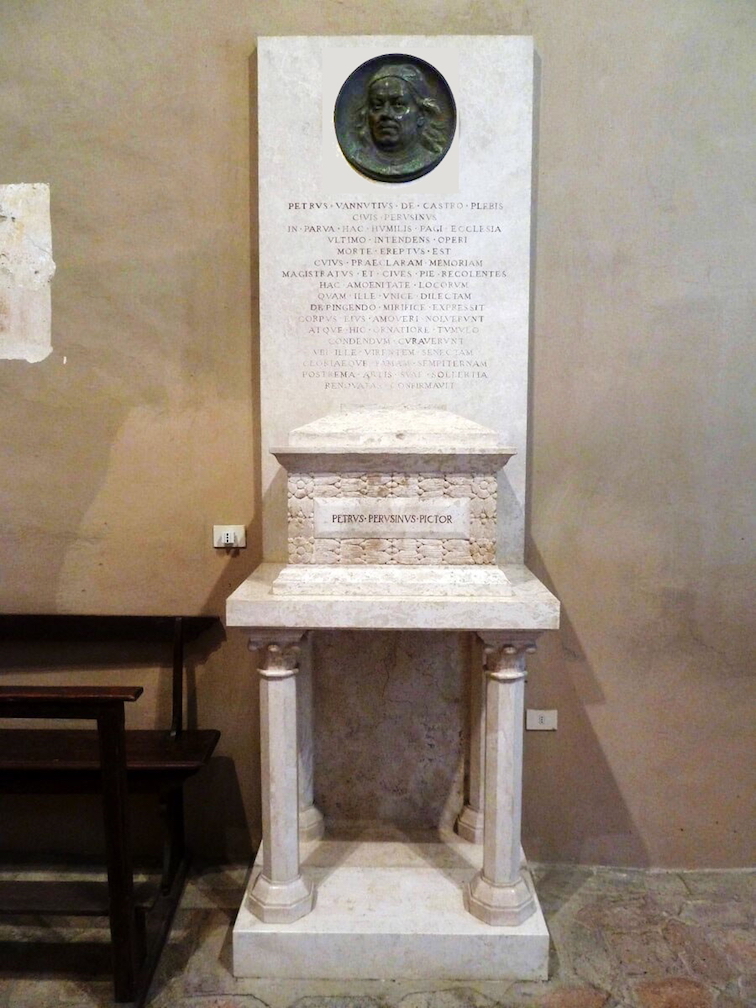
The tomb of Perugino in Fontignano
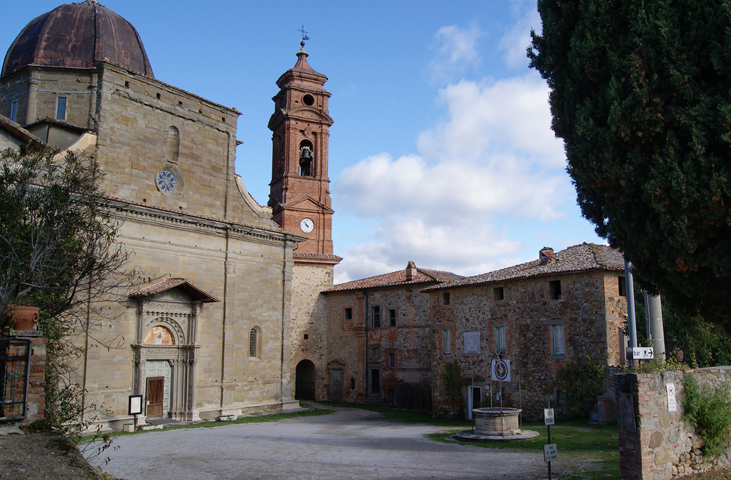
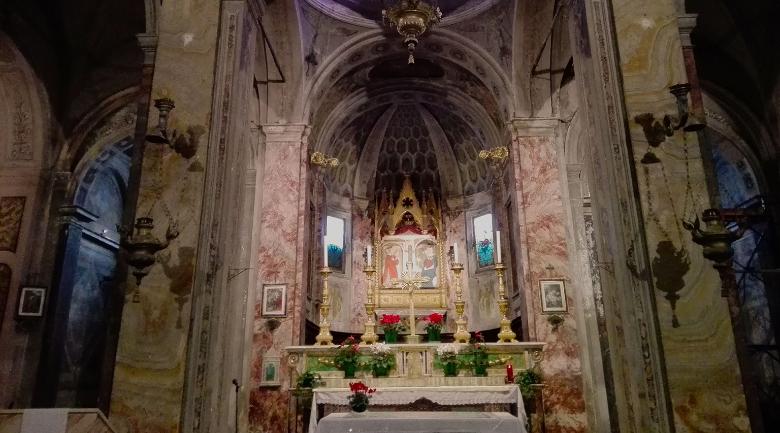
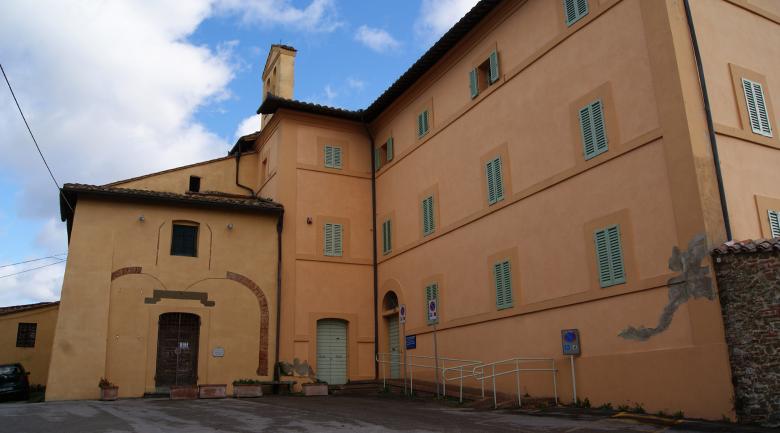
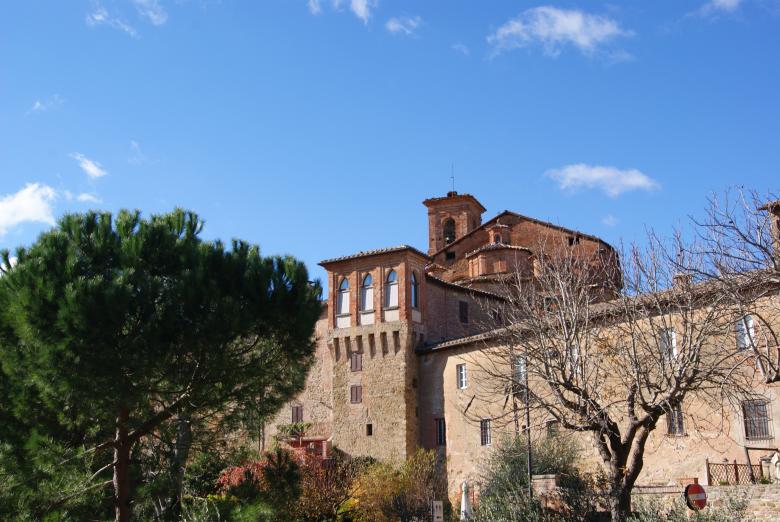
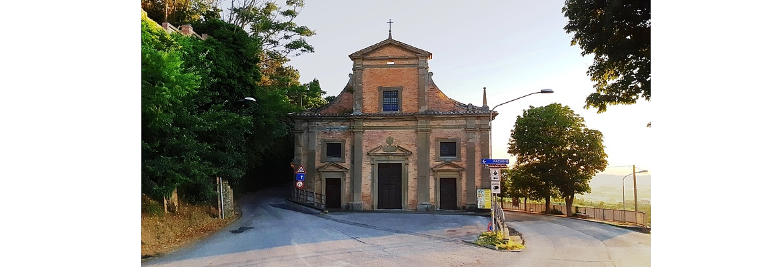
Fontignano is a small village near Perugia where the “best master of Italy” spent his final years. Perugino succumbed to the plague in his seventies while working on frescoes in the Church of the Annunziata at the heart of the village.
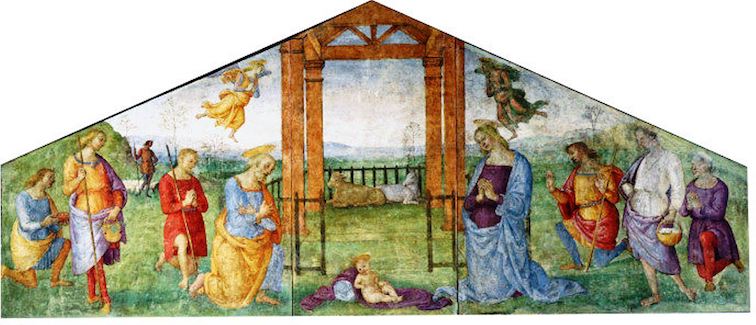
Little is known about the building’s history; in the 15th century, it likely began as a small shrine adorned with an Annunciation scene by the renowned Perugian painter Benedetto Bonfigli. Later, the shrine was incorporated into a single-nave sacred structure dedicated to the Virgin Annunciate. Bonfigli’s fresco still exists, though in poor condition. The church was entrusted to a confraternity that, in 1521, likely commissioned Pietro Vannucci to decorate it. The master’s contributions included multiple works: the Fontignano Madonna on the right wall, the Adoration of the Shepherds on the tympanum (now housed at the Victoria and Albert Museum in London), St. Roch, St. Sebastian, and another Fontignano Madonna, now lost.
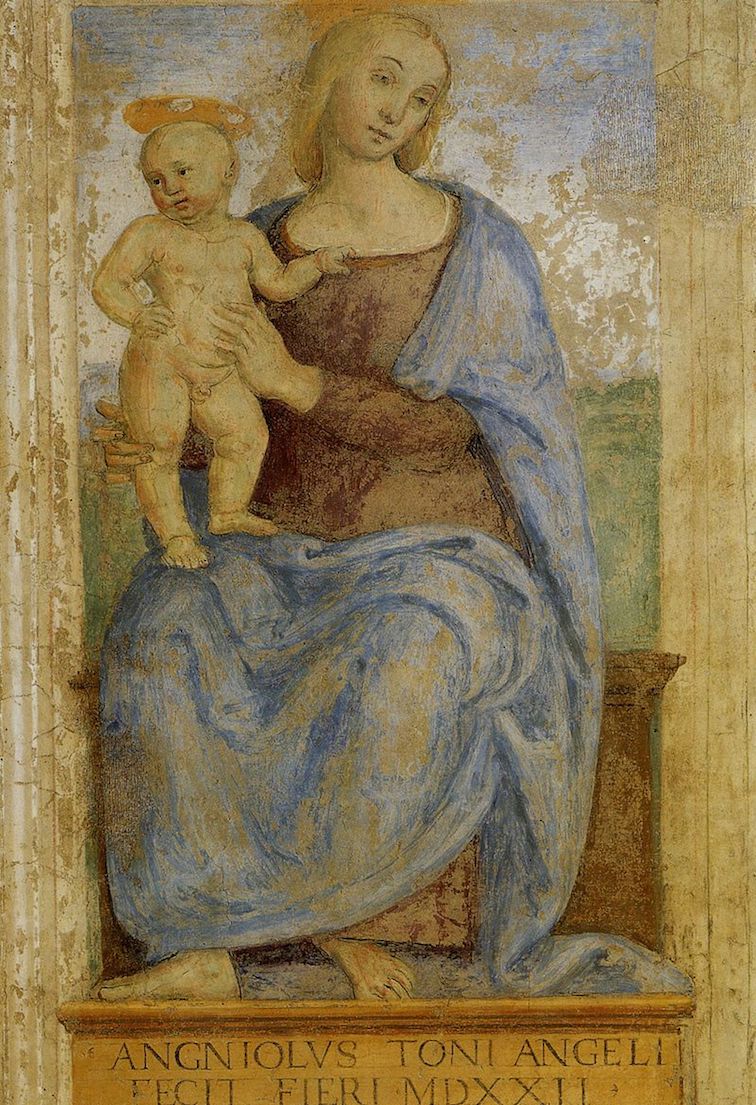
Of these, only one remains inside the small church: the Madonna with Child, commissioned in 1522 by Agniolus Toni Angeli (as inscribed at the bottom) and completed by Vannucci in 1523. The piece is in poor condition. The Virgin sits on a wooden throne, with the Child standing on her lap, one hand on his hip and the other clutching his mother’s garment for support. Their faces exude the languid sweetness characteristic of the painter’s later years, complemented by a softly delineated landscape in the background. This work has been linked to the Madonna Enthroned between St. Blaise and St. Catherine of Alexandria, created in 1521 for the Church of Santa Maria Maggiore in Spello, suggesting that Perugino may have used the same cartoon for both pieces.