





Visualizza sulla mappa
4136921
Origini della bellezza
Castello di Poggio di Otricoli
Origini della bellezza
1
Castello di Poggio di Otricoli
Le origini e la storia
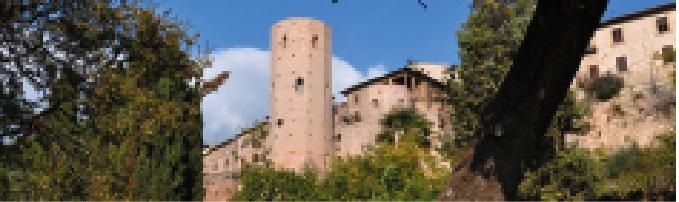
Arroccato sulle pendici del Monte San Pancrazio, Poggio (387m.) si distende tra boschi e dolci declivi, un paesaggio plasmato nei secoli da uliveti e vigneti. Le sue radici affondano nell’antichità: recenti scavi hanno riportato alla luce tracce di insediamenti romani. Il castello compare per la prima volta in un documento del 1237, ma già nel 1276 il feudo, con i suoi possedimenti, passò sotto il controllo di Narni. Solo nel 1815 Poggio si affrancò dal dominio narnese, ma l’autonomia durò poco: incapace di sostenersi da solo, il borgo fu annesso al comune di Otricoli.
Dalla parte alta del borgo si può dominare con lo sguardo l’intera vallata del Tevere e l’alta Sabina.