







Trasimeno - Orvieto area. Lakes, villages and traditions

Trasimeno - Orvieto area. Lakes, villages and traditions

The typical Umbrian soup based on lake fish, its name is a tribute to the terracotta pot in which it is cooked, adding a rustic and authentic touch.
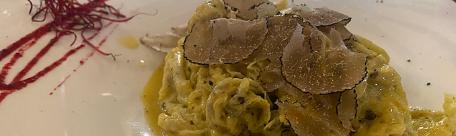
Un profumo e un sapore facili da amare. Gustalo fresco nelle preparazioni più semplici: sono quelle che ne esaltano il gusto. In Umbria la tradizione è antica, non ti resta che venire ad assaggiarlo.
Set in Lake Trasimeno, Isola Polvese is the largest of its three islands. It holds an authentic treasure of historical monuments and natural landscapes.
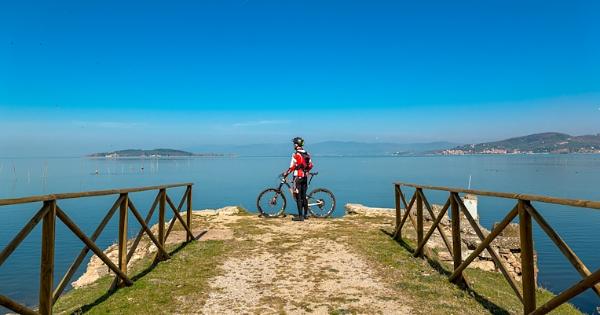
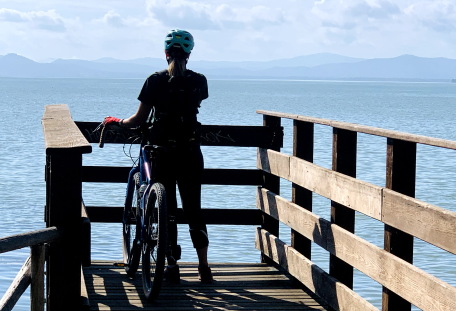
A loop itinerary, mostly on its own track, which runs along Lake Trasimeno offering breathtaking views.
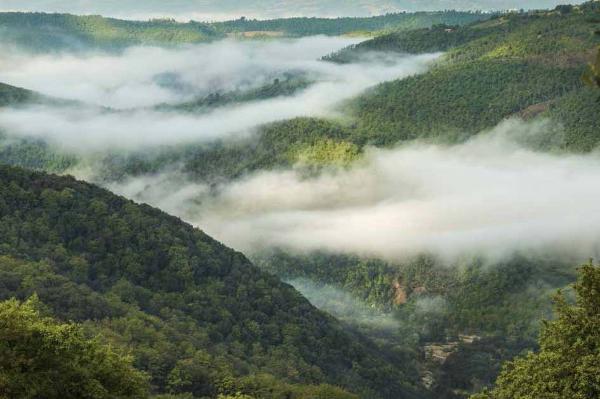
The Natural Reserve of the Peglia Mount is located into the Terni zone, enclosed between the river basin of the Tiber river, which delimits it eastward, and of the Peglia river westward.
Il Museo Vulcanologico si trova all'interno del centro storico di San Venanzo, suggestivo borgo a confine tra il territorio del medio Tevere e l'Orvietano. Il palazzo che ospita il Museo risale ai primi anni del XIX secolo, ed è attiguo alla ex villa Faina.
The Palazzo della Corgna is the most important Città della Pieve noble home.
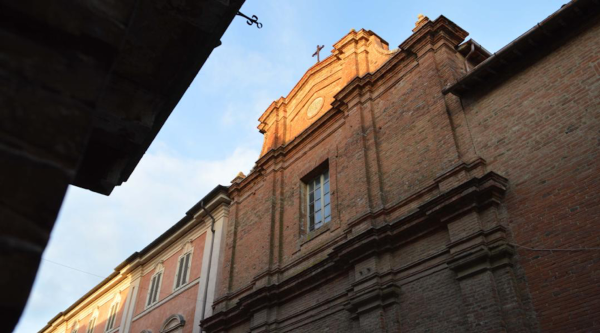
The oratory of Santa Maria dei Bianchi, in Città della Pieve, houses one of Perugino's greatest masterpieces.
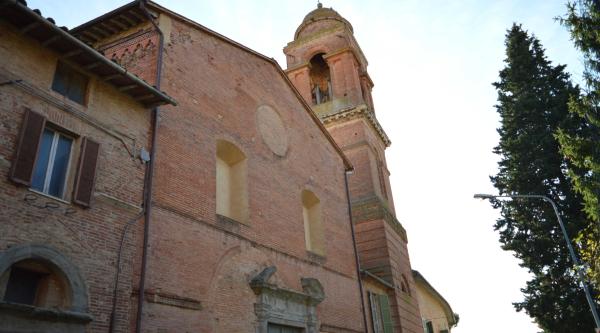
The Gothic church of Santa Maria dei Servi in Città della Pieve, featuring frescoes by Perugino, now houses the Diocesan Civic Museum, part of a fascinating museum circuit.
The Church of Saints Gervasius and Protasius, which is the cathedral of Città della Pieve, is located where Piazza Gramsci and Piazza Plebiscito, the town’s central squares, meet.
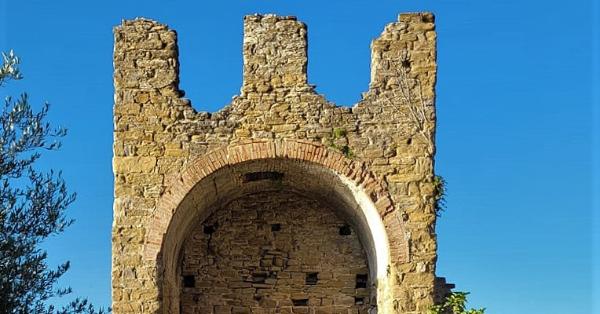
Monte del Lago is a small village perched on a promontory overlooking Lake Trasimeno, between Torricella and San Feliciano.

The Torre dei Lambardi in Magione, built by the Knights of St. John, is a historic medieval fortress, just steps from the village, offering breathtaking views.
A journey to explore the landmarks and architecture of the Etruscan era in and around the city of Orvieto.
25 centuries of underground history
Famed for its marvellous frescoes by Beato Angelico, Benzolo Bozzoli, and Luca Signorelli, the chapel is unique within Italian renaissance art.
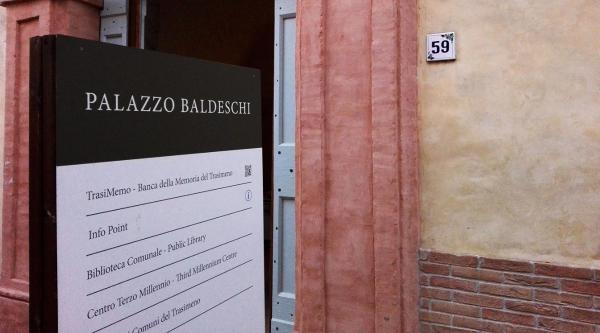
Palazzo Baldeschi in Paciano: the houses the "TrasiMemo" Museum
The Caporali theatre rises in the heart of Panicale's historical centre and deserves a visit both for the elegance of its richly decorated internal structure and for its theatre performances.
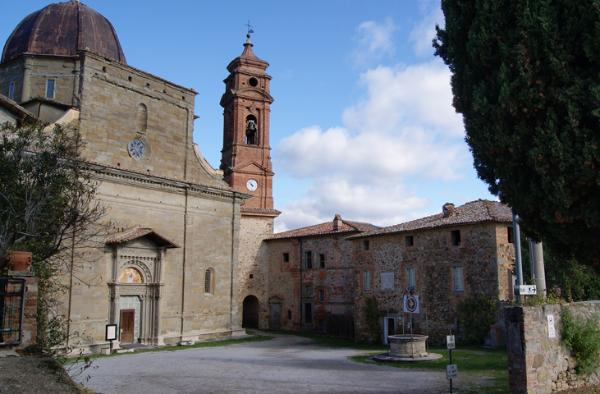
The Sanctuary of Mongiovino or of the Madonna di Mongiovino is within walking distance of Panicale (about 7 kilometres) and just beneath the ancient Castle of Mongiovino.
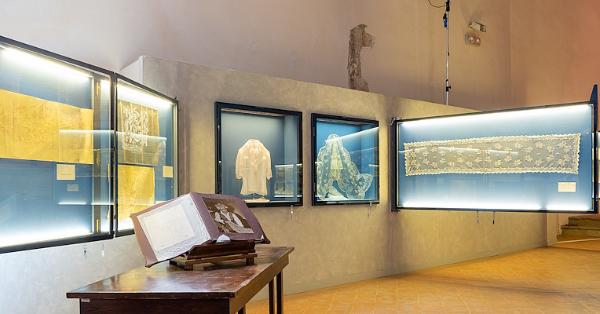
The “Anita Belleschi Grifoni” Tulle Museum in Panicale celebrates Ars Panicalensis, the ancient embroidery on tulle. Founded in the 1930s, it displays refined artifacts such as wedding dresses and sacred vestments.
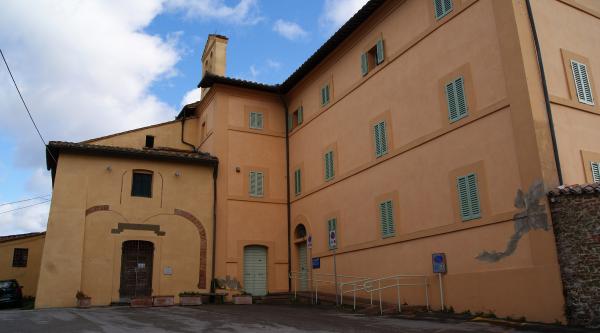
The church of San Sebastiano was certainly built between the 14th and 15th centuries and was modified to its present form in 1623.
Situated in the southwestern part of Umbria, Allerona is a small village set on a hill overlooking the STINA Nature Park (STINA - Territorial System of Naturalistic and Environmental Interest), which includes the Selva di Meana-Allerona, Bosco della Melonta and San Venanzo protected areas.
Situated in south-western Umbria, Castel Viscardo is a hamlet perched on a hill close to the Alfina plateau that looks down onto the Paglia River Valley. It was already renowned in the 16th century for its artisan production of brick and clay tiles, as proven by the discovery of ovens used to produce the prime materials for restoration of important monuments such as the Pantheon, the Coliseum and Piazza del Campo in Siena.
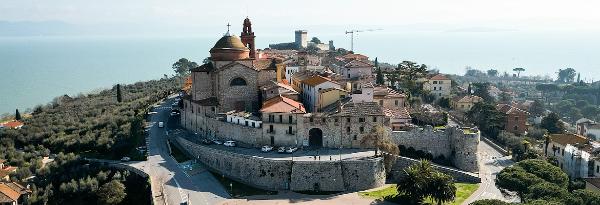
Located on a promontory and surrounded by medieval walls, the village of Castiglione del Lago hosts authentic architectural gems and offers enchanting views of Lake Trasimeno.
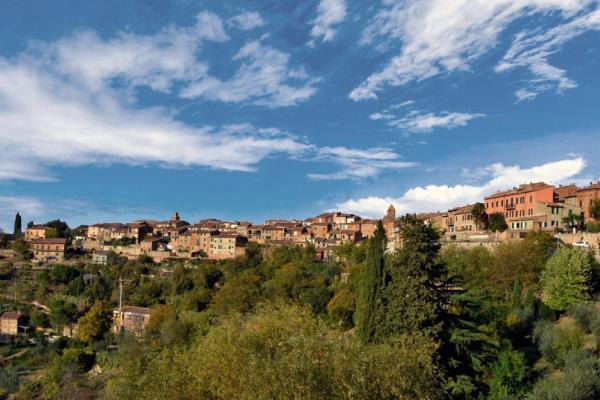
Città della Pieve, an artistic town between Umbria and Tuscany, captivates visitors with Perugino’s masterpieces and its stunning views of the rolling green hills.
Located in southwestern Umbria, very near the border with Lazio and Tuscany, the village of Fabro stands on a rise facing the Chiani stream. Halfway between Rome and Florence along the A1 motorway, the municipal territory touches the provinces of Viterbo, Siena and Perugia.
The village of Ficulle is on the northern slope of Mt. Nibbio in southwest Umbria, overlooking the broad valley that opens up between the Chiani and Paglia rivers. The making of earthenware pottery, the village's unique historic and cultural heritage, has made it known as the "land of the potters," expert master craftspersons who work the clay with rare skill and proficiency.
Situated in central western Umbria, Montegabbione is a hamlet perched on a hill looking down onto the Nestore River Valley and the Chiani River Valley. From its hill top, Monetgabbione has a vast panorama that extends from Valdichiana to Mount Cetona and to Città della Pieve.
Situated in central western Umbria, Monteleone di Orvieto rises on a rocky spur overlooking the fertile plain irrigated by the Chiani River. The ancient hamlet stands on one of the several hills that separate the Orvieto area from Città della Pieve, and from where one can admire the hills and mountains of Tuscany and Lazio
Paciano, a medieval village nestled between the hills and Lake Trasimeno, preserves a rich past enclosed within its walls. Its towers, churches and palaces, now home to charming museums, offer a fascinating insight into the area's cultural and religious heritage.
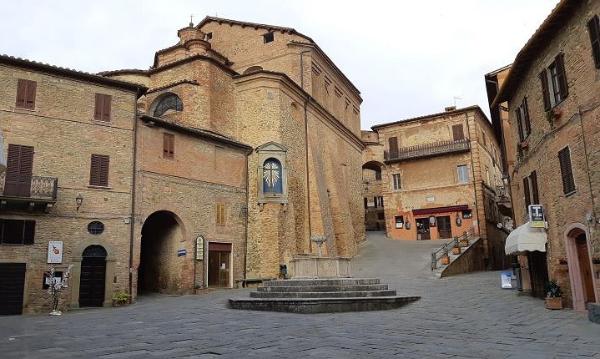
Located in the western part of Umbria, Panicale is a small medieval town set on the gently rolling hills that slope downwards to Lake Trasimeno.
From the hill on which the town rises you can enjoy magnificent views over the lake and the valley of the Nestore River.
.jpg/791a78b1-be0c-a25e-b449-0a3ef71eef85?width=600)
Located on the northern part of the lake, the medieval village of Passignano sul Trasimeno is a popular destination thanks to its charming lakeside promenade and the majestic Fortress, from which you can admire enchanting sunsets in the evening.
Situated in south-western Umbria, Porano is a hamlet of medieval origins standing on a tuffaceous rise in a beautiful panoramic position. It overlooks Orvieto's cathedral and other natural beauties of the Tiber River and Paglia River valleys. The district is dotted with archaeological sites and finds from Etruscan times.
Located in the western part of Umbria, San Venanzo rises on the slopes of Mt. Peglia, in the midst of a natural environment rich in vegetation and mostly covered by woods. The town stands on what was formerly a volcanic area, interesting for the presence of venanzite, a mineral found nowhere else in the world.
Located on the northern side of Lake Trasimeno, the village of Tuoro preserves evidence of an ancient history linked to the famous Battle of Hannibal.
.png/7ec2d600-58ba-f857-c015-6a8c87f9c809)
.png/d3c8ef9c-3c02-2e60-3e57-72edd95b4a72)
.png/20d8c28a-61ef-cc68-2ee8-90d14cfc8c2e)