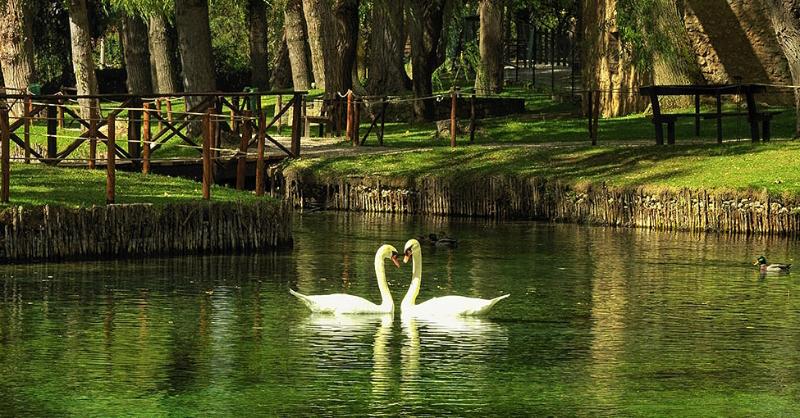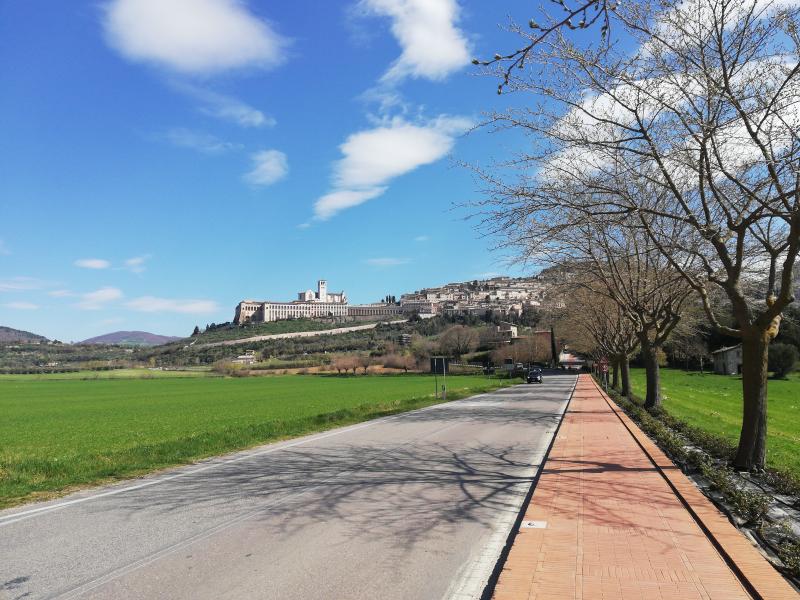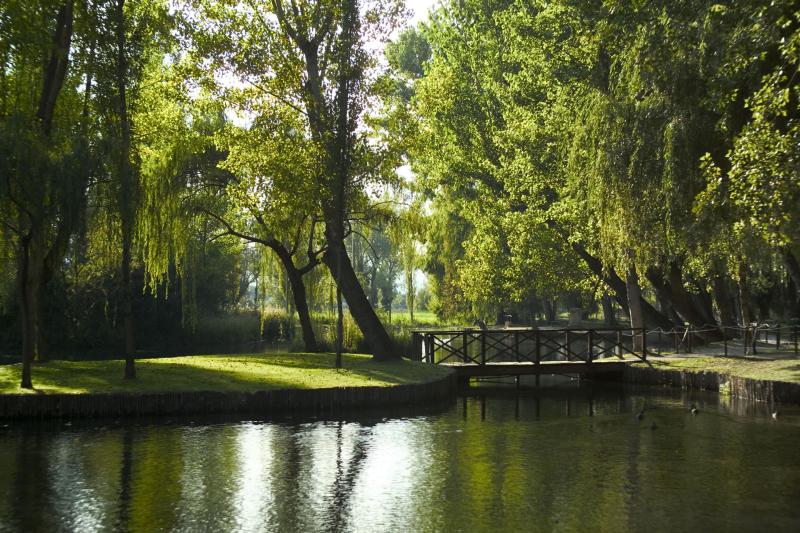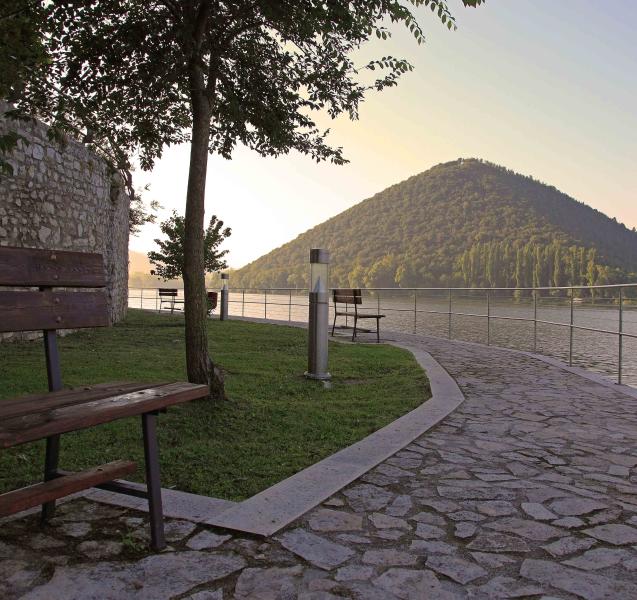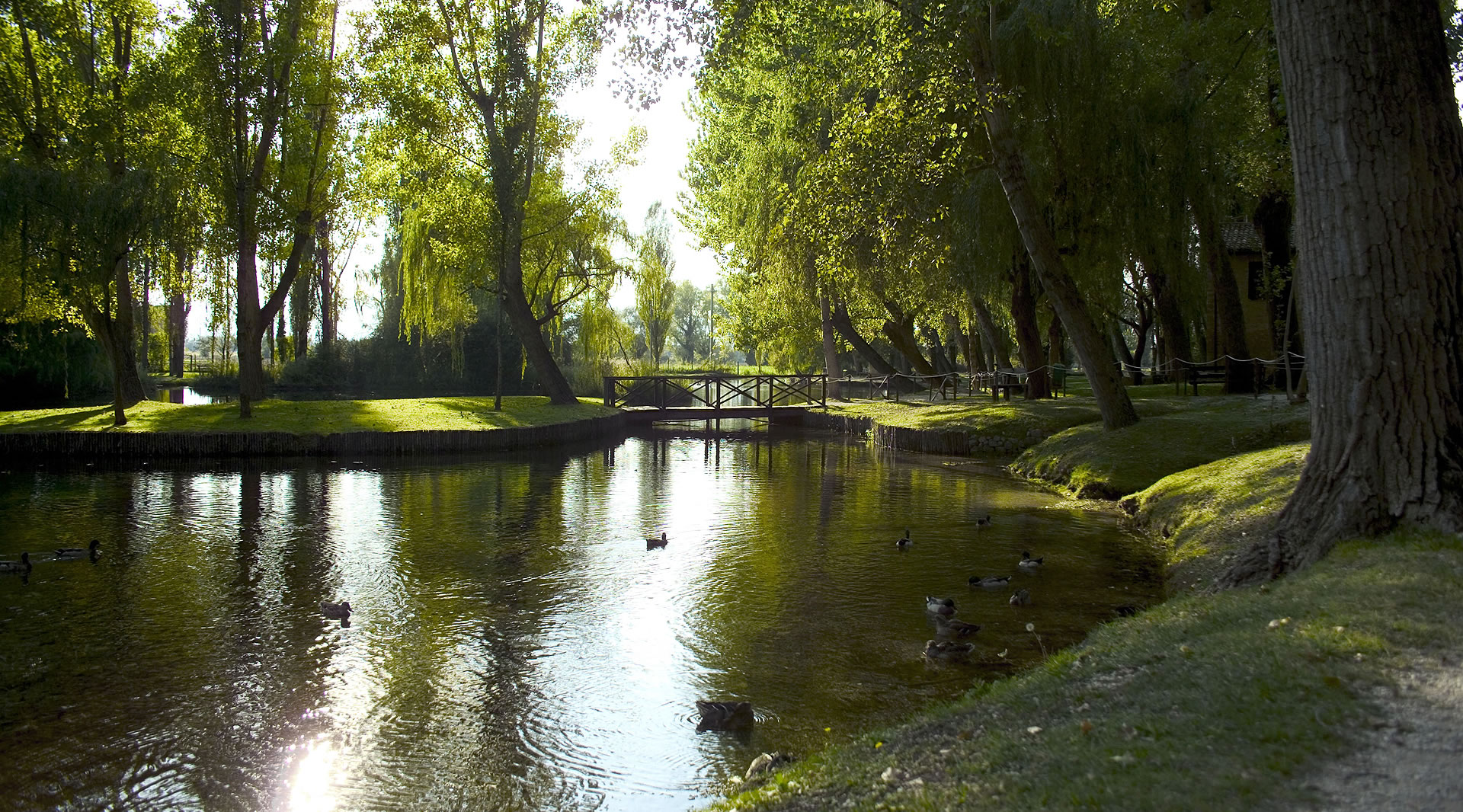



Nestled along the Via Flaminia, between Spoleto and Trevi, the territory of Campello sul Clitunno stretches into the heart of the Umbrian olive-growing belt, with its silvery hills reflected in the waters of the Clitunno River.
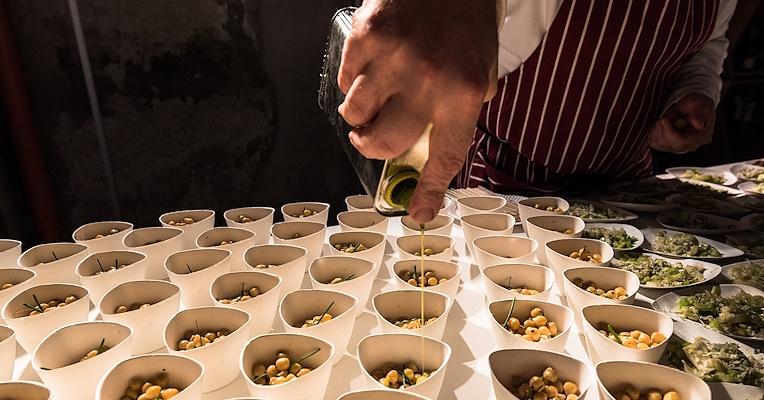
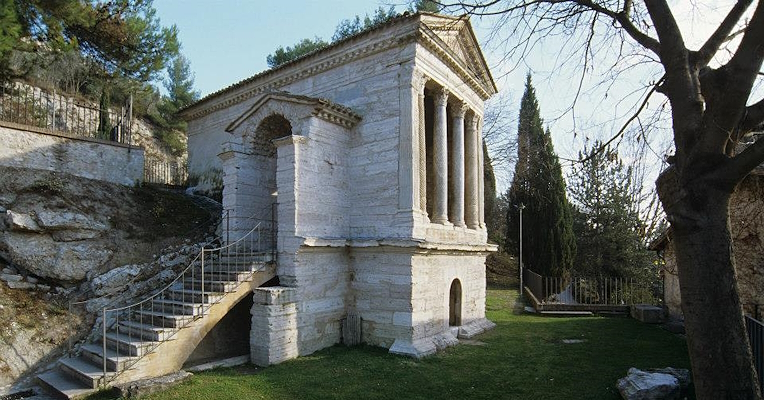
Famous for the Springs of the Clitunno and the nearby Temple, now a UNESCO World Heritage Site, Campello sul Clitunno offers a journey through art, nature and spirituality, in an atmosphere suspended in time, capable of gifting moments of eternal beauty, history, and poetry. A land to be discovered through medieval castles perched on green heights and paths skirting sacred springs celebrated by poets and emperors, without forgetting gastronomic excellence such as its prized extra-virgin olive oil.
Ancient temples and Lombard memories
The earliest traces of human presence in the Campello area date back to the Neolithic period, while the first evidence of long-established settlements, documented by the Monte Serano hillfort, belongs to the Bronze Age.
In Roman times, the area lay midway between the cities of Trebiae and Spoletium and was crossed by the Via Flaminia, but it never developed into a true urban centre. Near the Springs of the Clitunno, from which the flumen amplissimum cited by Pliny and Strabo originated, the presence of an important sanctuary dedicated to Iuppiter Clitumnus is attested, connected to a Sacred Grove (lucus). The inscribed boundary stones bearing the Lex Spoletina, now preserved in the National Archaeological Museum of Spoleto, most likely came from this site.
With the fall of the Roman Empire and the arrival of the Lombards, Campello became part of the Duchy of Spoleto. Between the 10th century and the Middle Ages, numerous fortifications arose, still embedded in the landscape today like stone sentinels set amid the greenery.
Campello Alto: the fortress of its founder Rovero de Champeaux
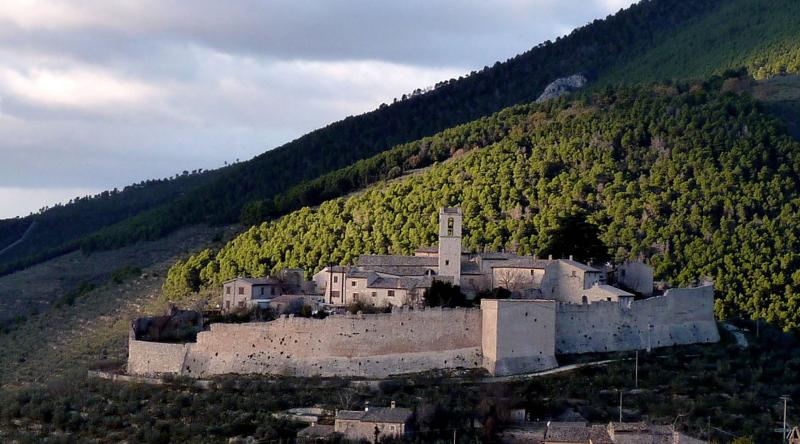
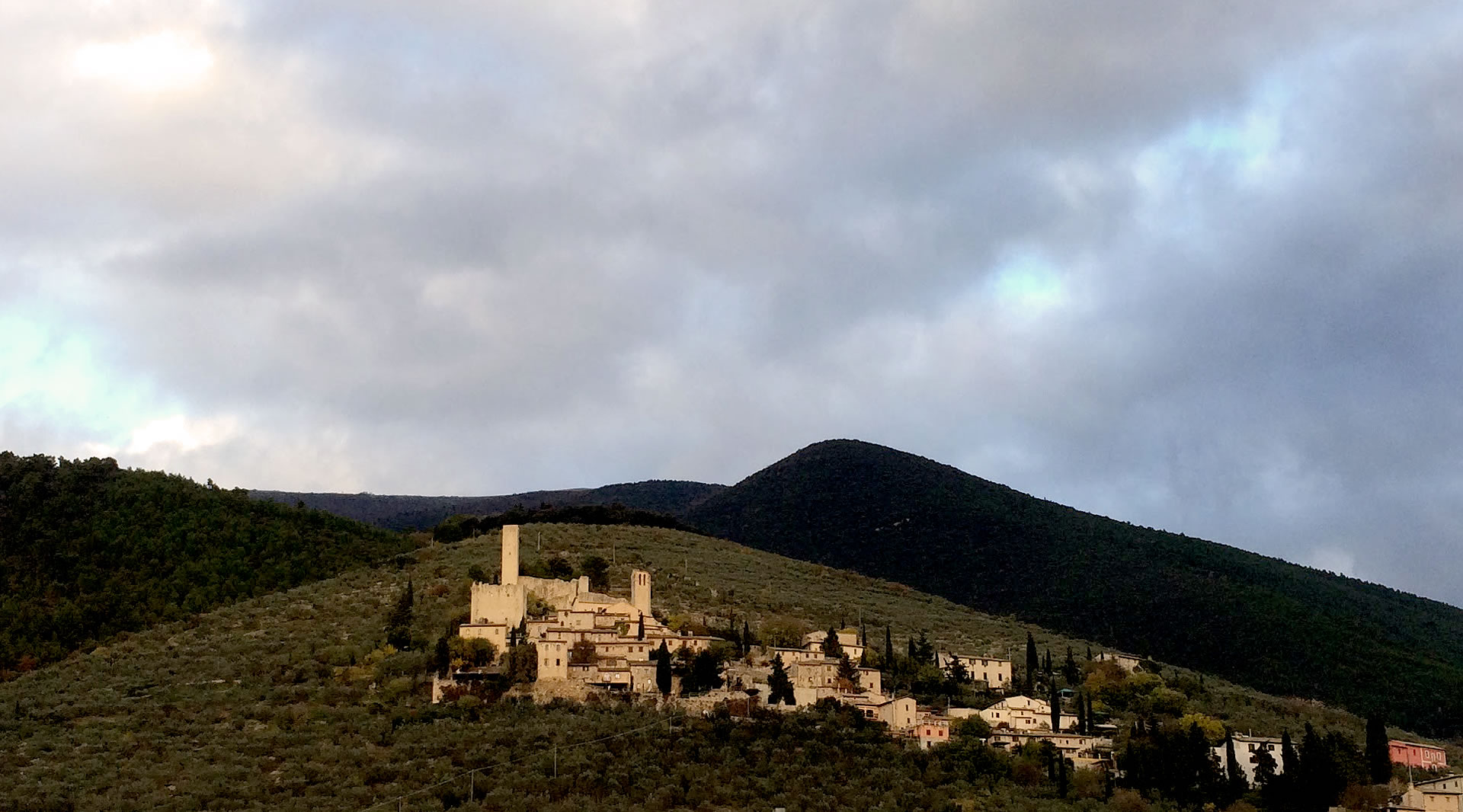
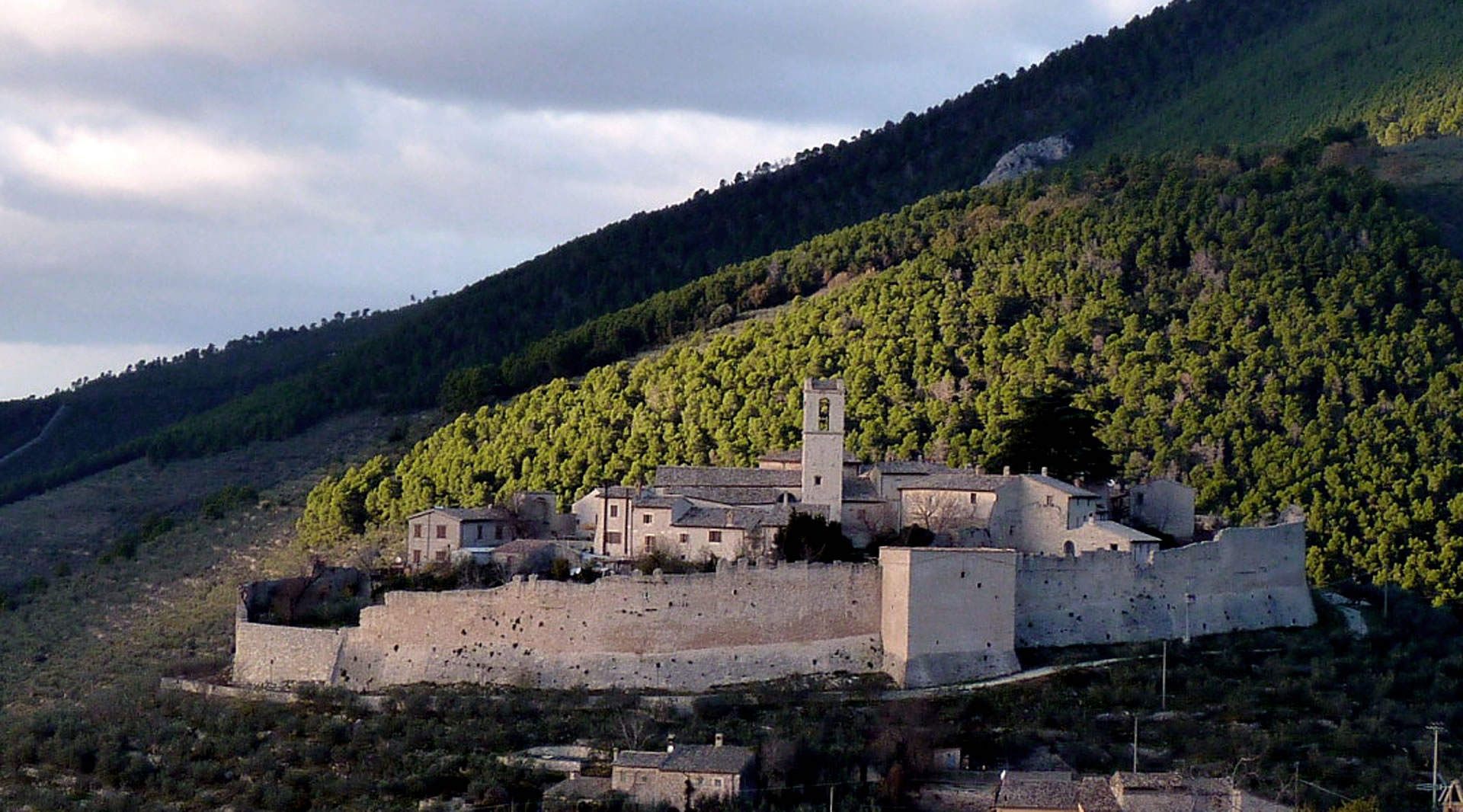
The oldest fortification in the area is the castle of Campello Alto, founded by Baron Rovero de Champeaux, progenitor of the Counts of Campello. Arriving in Italy in the retinue of Duke Guido of Spoleto, Rovero built a castle in 921 on the summit of a hill overlooking the entire valley.
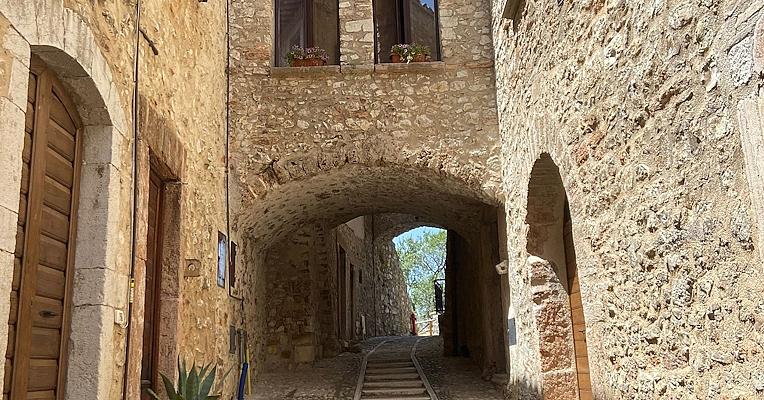
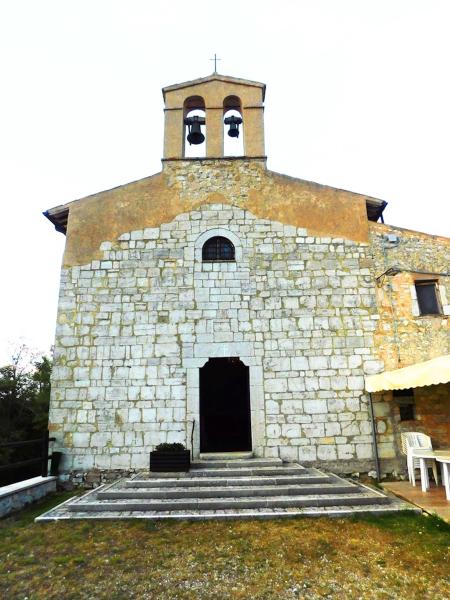
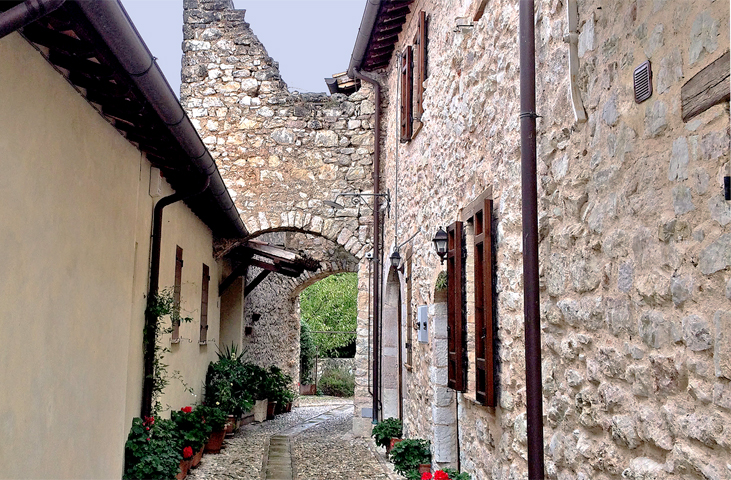
Even today, the castle of Campello Alto impresses visitors with its perfectly preserved circular walls, crowned by watchtowers and a single access gate. The central square is overlooked by the former Town Hall and the Church of San Donato, built in the 12th century, while slightly lower lies the Convent of the Barnabite Fathers, founded in the 17th century from the union of two Benedictine monasteries.
In the 16th century, at the foot of the hill, the village of Campello Basso developed, also known as La Bianca, due to the presence of a miraculous votive image of the Madonna and Child with a fair complexion. In her honor, the people of Campello built the Church of Madonna della Bianca in 1516, featuring an elegant Renaissance portal and a bell tower dating from 1638. Inside are valuable paintings attributed to Giovanni di Pietro, known as Lo Spagna.
Castles and fortifications around Campello
Pissignano: the “Pools of Janus” on the Clitunno
The name Pissignano probably derives from the Latin Pissin-Ianus, “Pool of Janus,” perhaps referring to an ancient Roman structure near the Springs of the Clitunno.
After the Roman period, the settlement moved uphill. With the establishment of a small Benedictine community near the Church of San Benedetto, a village developed which by the 12th century already had defensive walls.
According to local tradition, the actual fortress, located on the western side of the hill, is attributed to Baron Sancio, of German origin, who came to Italy with Emperor Conrad II.
Near the village stands the Church of San Cristoforo, later dedicated to Santa Maria della Misericordia, in honor of the miraculous image of the Madonna preserved inside.
Acera: the first fortified settlement of the Spoleto area
Perched at nearly 1,000 meters above sea level between Monte Maggiore and Monte Grande, Castrum Acere was the first village in the Spoleto countryside to be transformed into a fortified settlement in 1296. Of the original defensive structure, parts of the walls, the entrance gate, and the central tower remain, while in the 18th century the Prioreschi family built a pentagonal tower on the remains of earlier structures.
Within Acera stands the Church of San Biagio, while near the historic centre the former Church of Santa Maria Maggiore has housed, since 2008, an ethnographic documentation centre dedicated to transhumant pastoralism.
Agliano: the Rocca degli Alberici
Also known as the Rocca degli Alberici, the Castle of Agliano was built at the end of the 14th century at an altitude of over 1,000 meters. From the 18th century it belonged to the municipality of Postignano, before being annexed to Campello sul Clitunno. The urban fabric of the village, dominated by the Romanesque Church of San Pietro, is a blend of medieval and 16th-century architecture.
Pettino: from prehistoric hillfort to medieval stronghold
Pettino is the highest hamlet in the entire municipality, located at 1,074 meters on the eastern slope of Monte Serano. Although its foundation dates to the 13th century, the name Pictinus may suggest far more ancient origins: possibly deriving from the Greek Petinos (“bird”), it could refer to the prehistoric hillfort of Monte Serano, dating back to the Late Bronze Age.
The Church of Saints Quiricus and Julitta stands within the village, dedicated to the 4th-century martyrs and built in the 13th century on the site of an earlier church dedicated to Saint Michael.
Today, the small community of Pettino continues to celebrate the religious festivities of July 10, linked to the cult of Saint Paternian, venerated in the church bearing his name in the municipality of Sellano, and to the Church of Sant’Emidio, built in the 18th century in the locality of Colle by the Counts Valenti of Trevi in honour of the patron saint of Ascoli, celebrated annually on August 24.
Other religious buildings in the municipal area
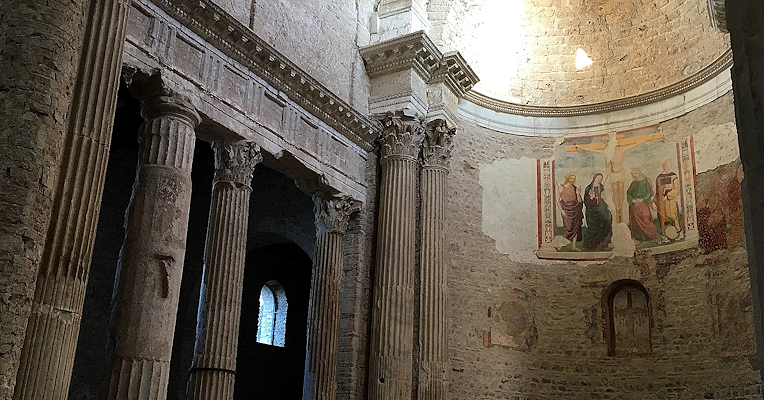
- Church of San Cipriano and Giustina: Along the Via Flaminia lie the remains of the church of the two Christian martyrs, built by Benedictine monks between the 11th and 12th centuries and later used as a cemetery in the 19th century, hence the name Camposanto Vecchio (“Old Cemetery”). Nearby stands the Oratory of San Sebastiano, built between 1522 and 1528 by the people of Campello in gratitude for having survived a devastating plague. Inside are numerous frescoes depicting the titular saint.
- Church of San Benedetto: Built around the year 1000 in Pissignano, it once formed part of a monastic complex belonging to the Benedictines; today it is a deconsecrated, privately owned building.
- Church of San Lorenzo: Built in Romanesque style in the locality of Lenano, it preserves a magnificent cycle of frescoes depicting episodes from the life of Saint Lawrence the Martyr.
- Church of Saints Mark and Lawrence: Built in the hamlet of Spina Nuova in the 15th century, it houses an extraordinary cycle of frescoes by a local painter.
- Hermitage of Saint Anthony: Built at the beginning of the 10th century above a natural cave which, according to tradition, had already been inhabited since the 5th century by hermits from Syria. In the 13th century, Saint Francis stopped here, and Blessed Ventura—whose remains are preserved in the Church of San Francesco in Trevi—lived here in retreat for over seventy years. Suppressed in 1860, it became a Franciscan women’s hermitage in 1926, known as the Larks of Saint Francis.