






.jpg/e9571273-0e35-1ff2-0713-76c7fd4e3cc5?width=456)

A center of great culture, especially under the rule of the Cesi family, it reached its peak with the founding of the Accademia dei Lincei in 1603, the first scientific academy in Europe; not by chance, it also hosted Galileo Galilei. Don’t miss the stunning trekking routes in the Martani Mountains.
ITS HISTORY
Although its territory was already known in Roman times as a thermal center thanks to the healing properties of its waters, the first historical records of the castle of Acquasparta—built after the decline of the ancient Roman city of Carsulae—date back to the year 996, when it became part of the Terre Arnolfe, a fief of the Arnolfi family.
After various periods of domination, Acquasparta experienced its golden age under the rule of the Cesi family, who transformed it into a vibrant cultural center. This flourishing culminated in the founding of the Accademia dei Lincei in 1603, the first scientific academy in Europe. The Cesi family governed the town until the family line died out in 1880, coinciding with the birth of the Italian State.
A JOURNEY THROUGH ITS ARTISTIC AND CULTURAL TREASURES
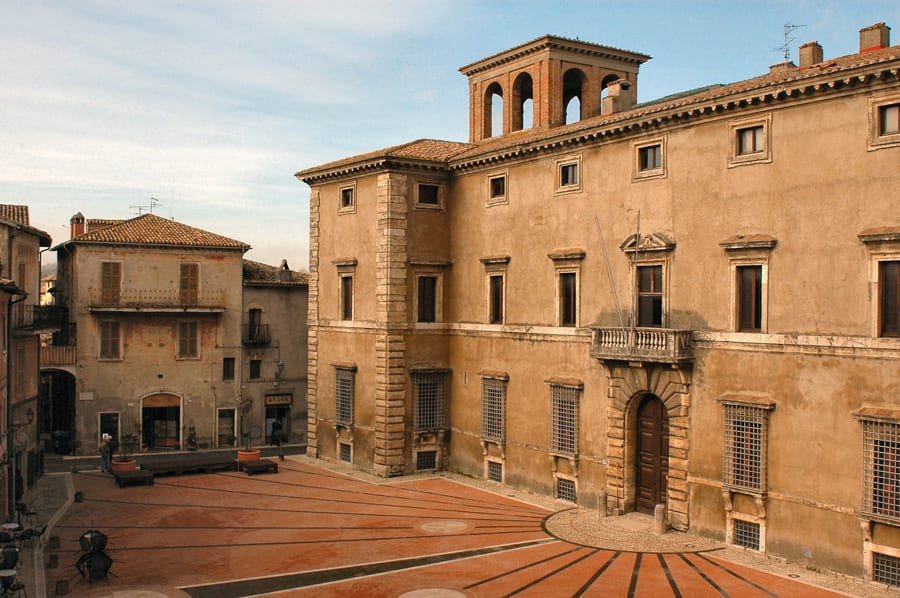
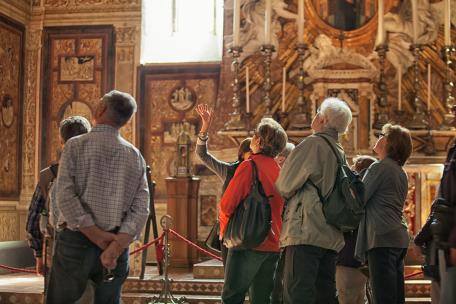
In the historic center, the most iconic building is Palazzo Cesi, a splendid Renaissance structure designed by architect Gian Domenico Bianchi. It served as the seat of the prestigious Accademia dei Lincei and was the residence of Duke Federico Cesi. In 1624, it briefly hosted Galileo Galilei. Inside, visitors can admire numerous frescoed rooms by the Zuccari brothers and beautifully carved coffered ceilings.
Also of interest are the Church of San Francesco, dating back to 1294 with its Romanesque-Gothic lines; the Church of Santa Cecilia, patron saint of the town, which houses the tomb of Prince Federico Cesi; the Church of Madonna del Giglio (or of the Crocifisso) from 1606; and the Church of the Sacrament (1684), with part of a Roman mosaic from the ancient town of Carsulae.
WHAT TO SEE AND DO IN THE SURROUNDINGS
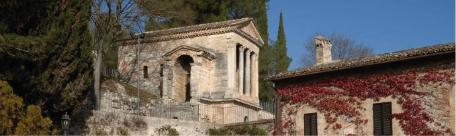
Following the Via Flaminia toward Carsulae, you’ll come across Ponte Fonnaia, an ancient two-arched Roman bridge dating back to the Augustan era. Around the 13th century, the Romanesque church of San Giovanni de Butris was built on top of it; it once belonged to the Order of the Knights of Malta.
Heading up into the Acquasparta mountains, you’ll reach Portaria, a tiny medieval village perched on a hill and surrounded by a fairytale landscape. Here you’ll find the Church of Saints Philip and James, built a few decades after the year 1000, using materials from the ancient city of Carsulae—clearly visible in its rustic stone façade.
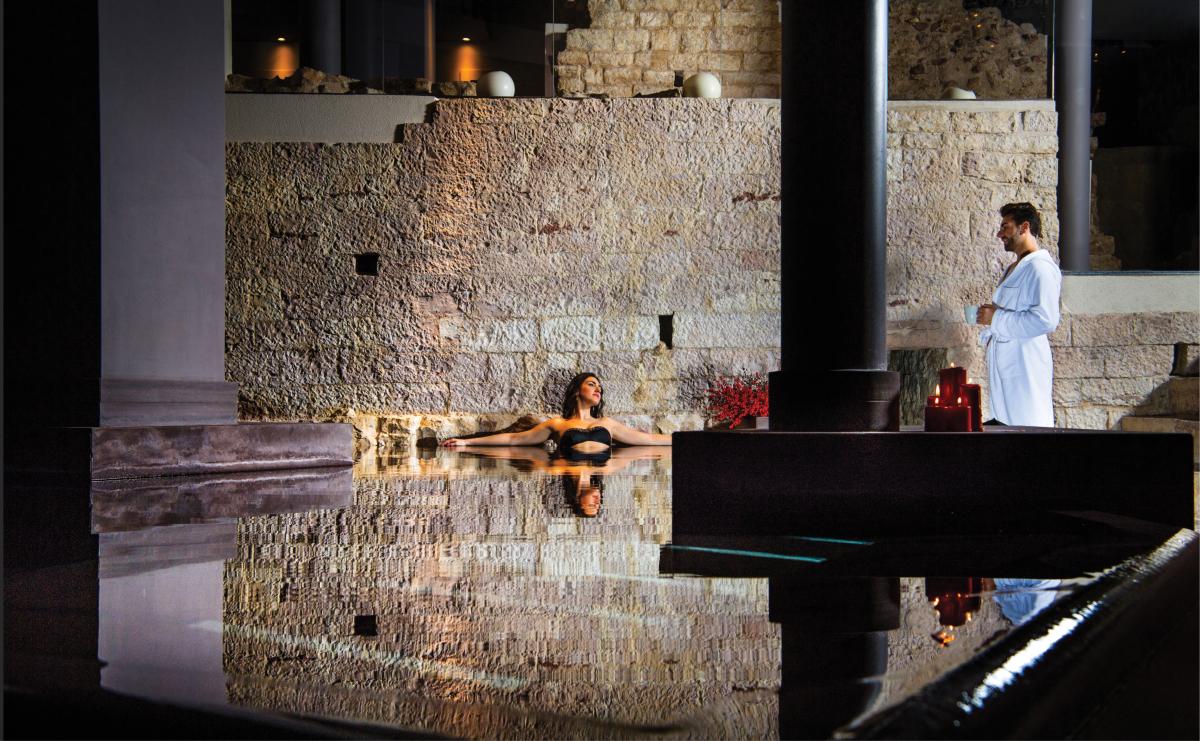
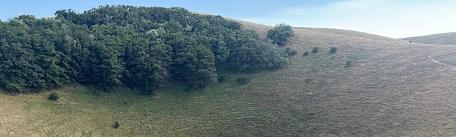
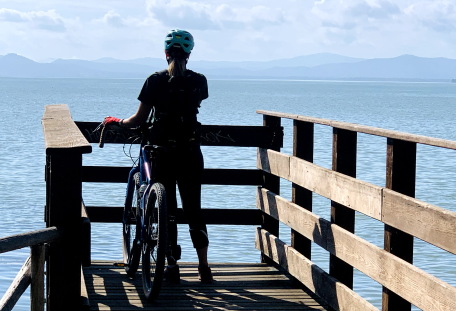
You can explore the natural beauty of the Acquasparta area by walking the Martani Trekking trails, a network of equipped hiking paths running through the Monti Martani. Finally, you can treat yourself to a stay at the Amerino thermal baths, where water with excellent therapeutic properties flows from natural springs.