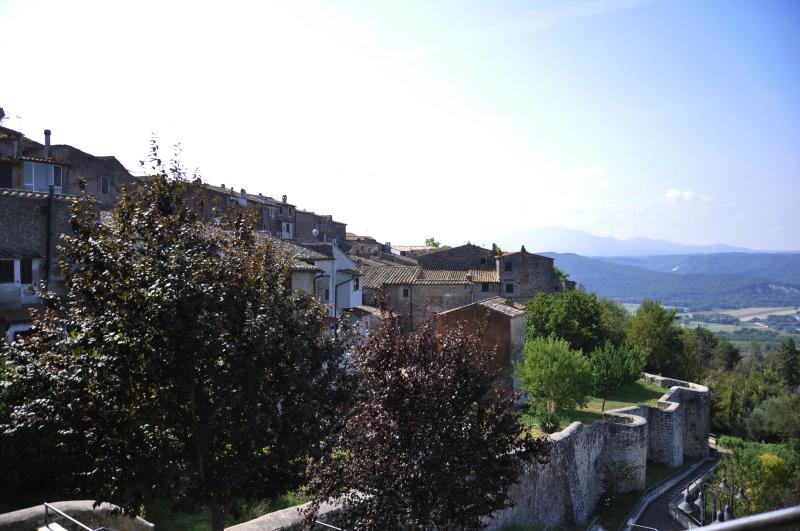
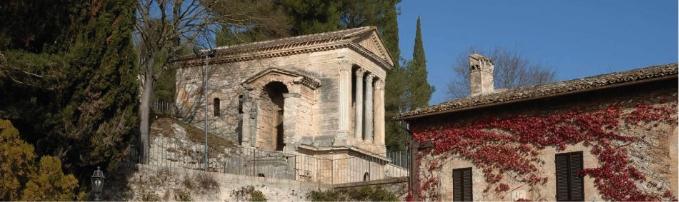



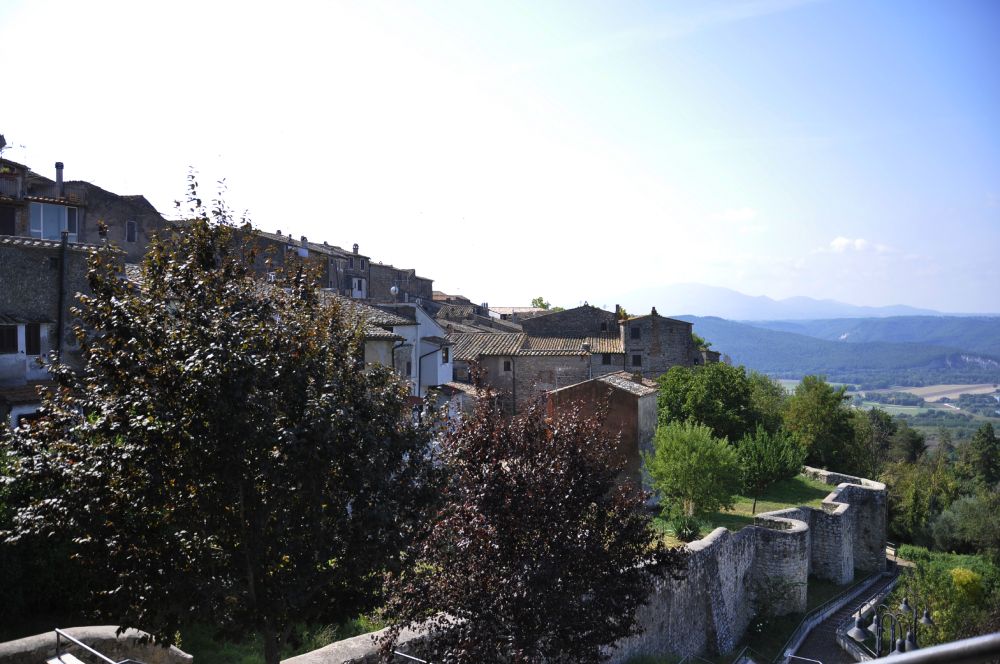
An ancient, timeless village, a natural landscape of great interest, sweeping view over the surrounding hills: this is Giove, listed among I Borghi più belli d’Italia (Italy’s Most Beautiful Villages).
On the border between Umbria and Lazio, midway between the cities of Terni and Viterbo, Giove rises above the Tiber Valley. Its location has shaped its history and even its name: according to some, Giove does not derive from an ancient cult dedicated to the father of the Gods, as one might think, but from the Latin term jugum, meaning “yoke” or “mountain pass.”
A walk through history
The Umbrian town has Roman origins, as evidenced by the numerous archaeological findings uncovered in These materials are of considerable importance and point to the town’s former prosperity, due especially to the presence of a river port on the Tiber. The great river was, in fact, a major route for commercial and cultural exchange.
The first references to the “castle of Jugo” appear in a document from 1191, which described it as a fortified settlement built to defend the Tiber Valley. During the Middle Ages, precisely because of its strategic position, it was long contested by nearby municipalities, including Todi and Orvieto, and was involved in the disputes between Guelphs and Ghibellines. In the 14th century, it passed successively to the Colonna family, to the Church, to the municipalities of Todi and Orvieto, until Pope Urban VI assigned it to the Anguillara family in 1328.
The Renaissance was particularly eventful for this Umbrian village. In 1465, the Amerini occupied the castle and handed it over to Pope Paul III Farnese. In 1503, it was conquered by Cesare Borgia, who partially destroyed its walls. In 1514, Giove became a fief of Galeazzo Farnese: the powerful Roman family retained ownership until 1597, when they sold it to the Mattei family.
In 1638, through a papal bull issued by Urban VIII, Girolamo Mattei became the first Duke of Giove: thus began the construction of the majestic Ducal Palace. The Mattei family held the Duchy for over two hundred years; in the 20th century, ownership of the castle passed among various noble families (including the Antici of Recanati: Adelaide Antici, mother of Giacomo Leopardi, was a guest at the castle). In the 19th century, Giove was elevated to a baronial municipality, yet the castle continued to change owners: the most recent was an American film director who purchased it from the Counts of Acquarone in 1985 and converted it into a relais.
Alleyways, arches, medieval gates, and a majestic palace
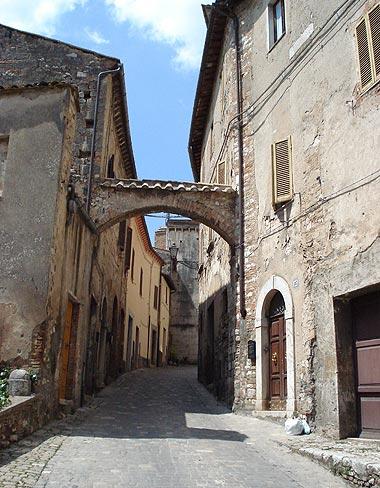
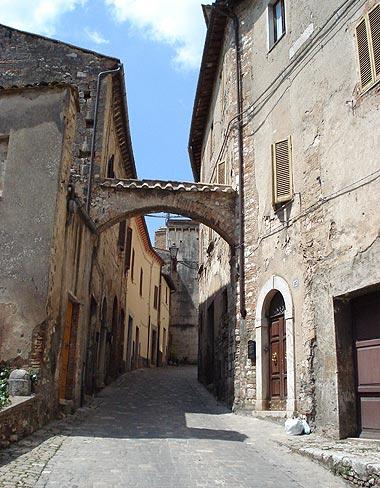
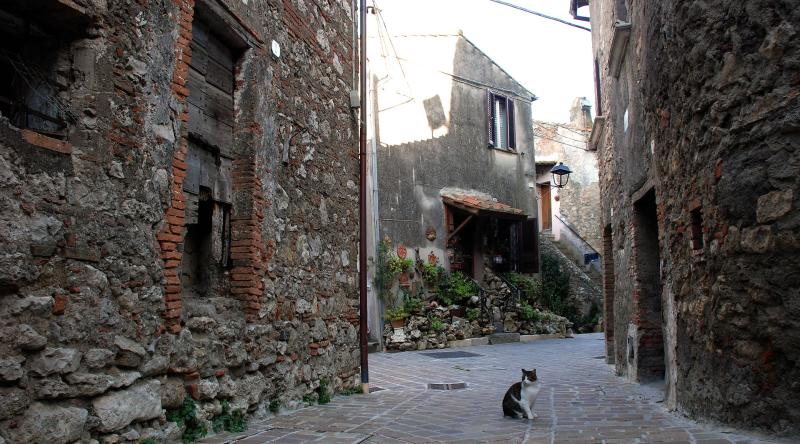
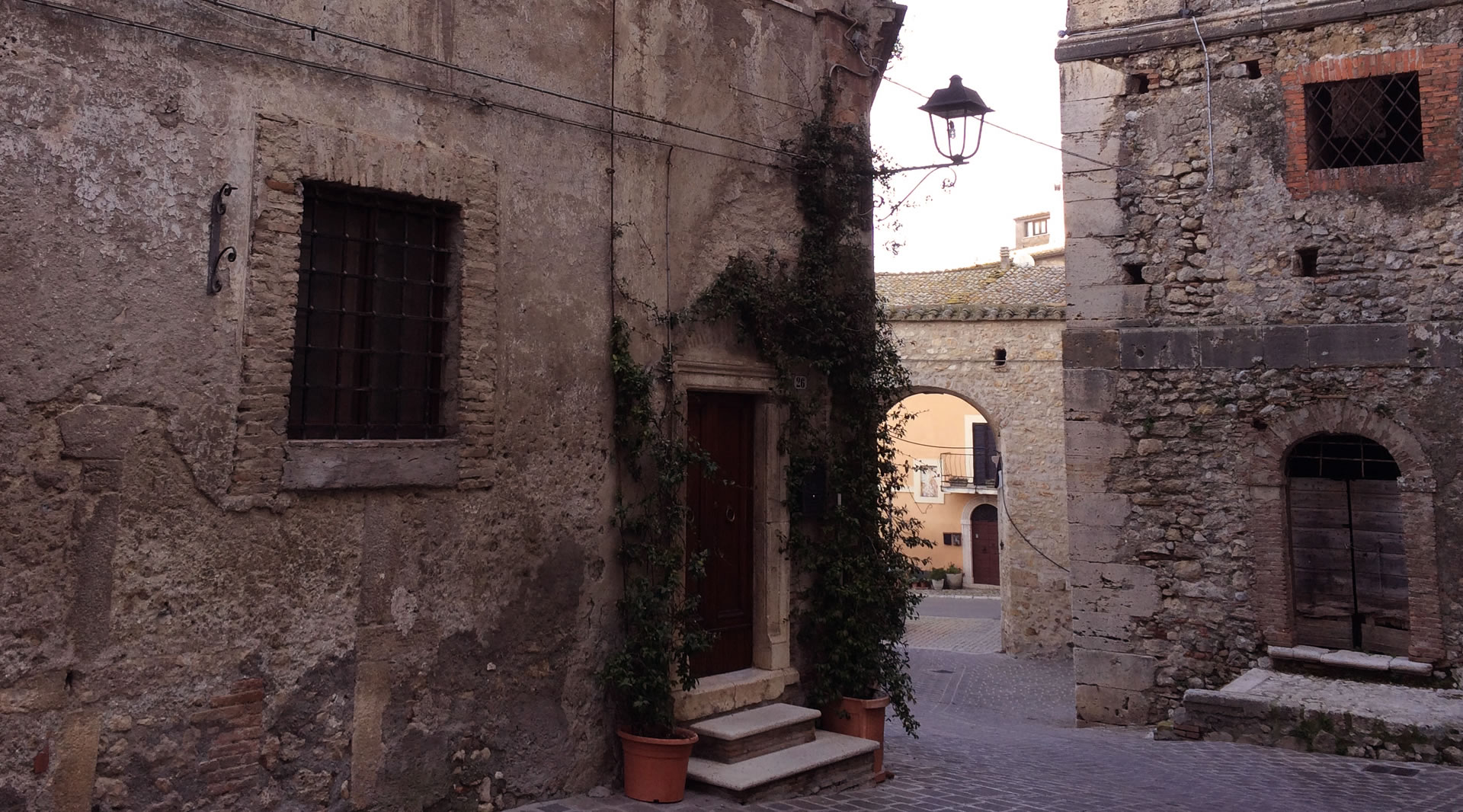
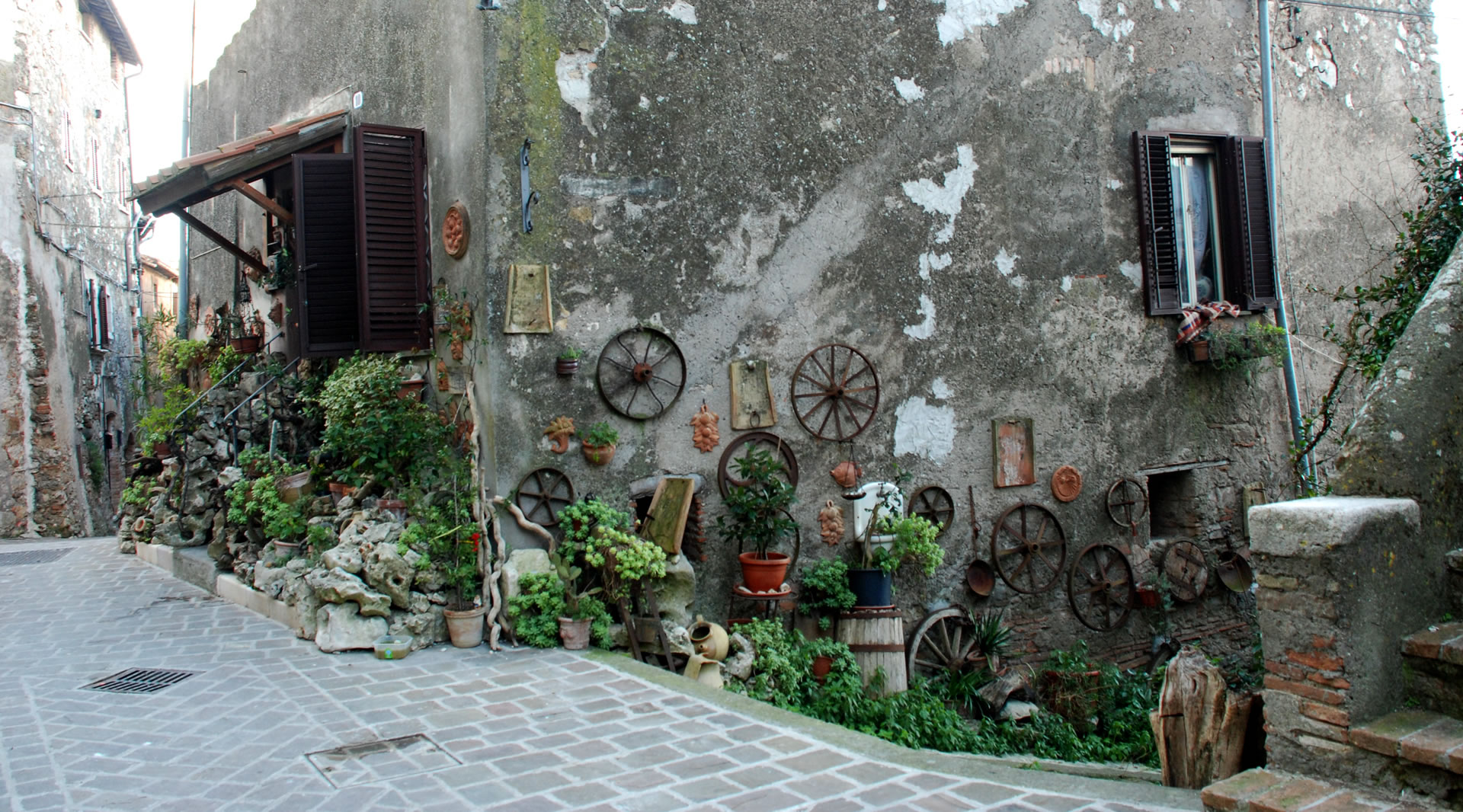
The historic centre is a classic example of a medieval village, of which part of the defensive walls and several towers remain. Above the entrance gate to the village—a simple stone structure with a round arch—one can see the monogram IHS of Saint Bernardino of Siena, who preached in these lands in 1426. Entering through this gate, you can wander through the borgo vecchio, as the area within the walls is known: here, stone houses, small squares, narrow and winding streets, and remains of towers and walls form a fascinating and intricate labyrinth, adorned with flowers and plants that reveal the care the inhabitants take of their town. On the façade of one of the buildings, once the seat of the town hall, you can see the so-called “Tavola delle misure”: a travertine slab from 1734, engraved with the units of measurement used in the town before the introduction of the metric system.
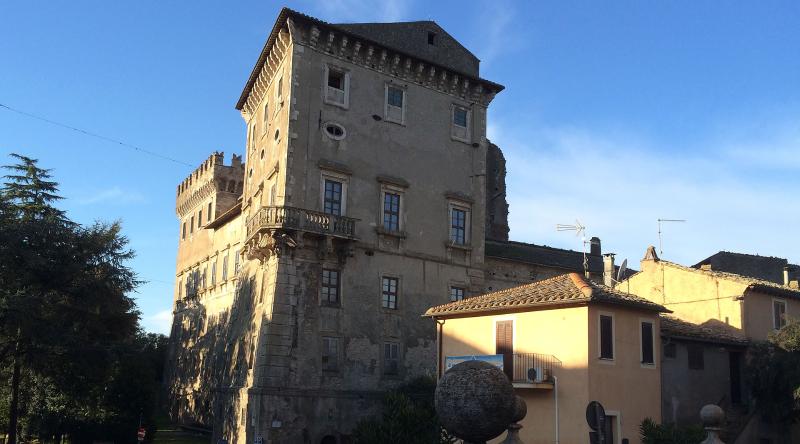
The most important monument in Giove is undoubtedly the Ducal Palace, a majestic square-plan building arranged over five floors, flanked by two imposing corner towers. Its construction began in the 16th century at the behest of Duke Ciriaco Mattei. The palace rose on the remains of a pre-existing medieval castle; it features 365 windows—one for each day of the year—and an impressive spiral staircase that allowed carriages to reach the main floor. The state rooms are decorated with frescoes depicting mythological and biblical themes, created by artists of the schools of Domenichino, Veronese, and Orazio Alfani.
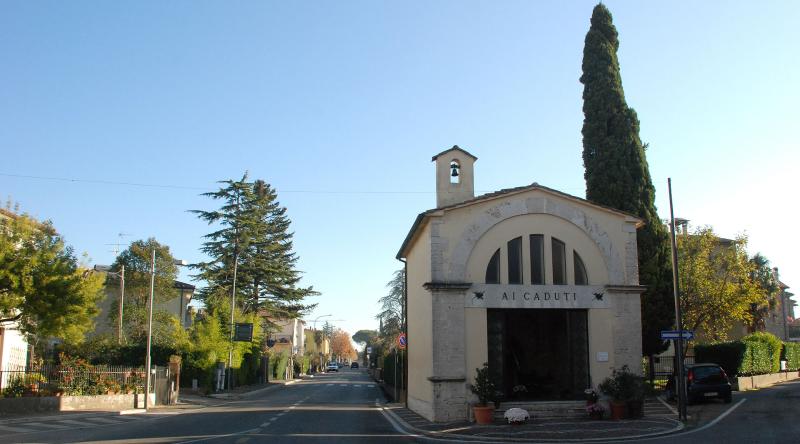
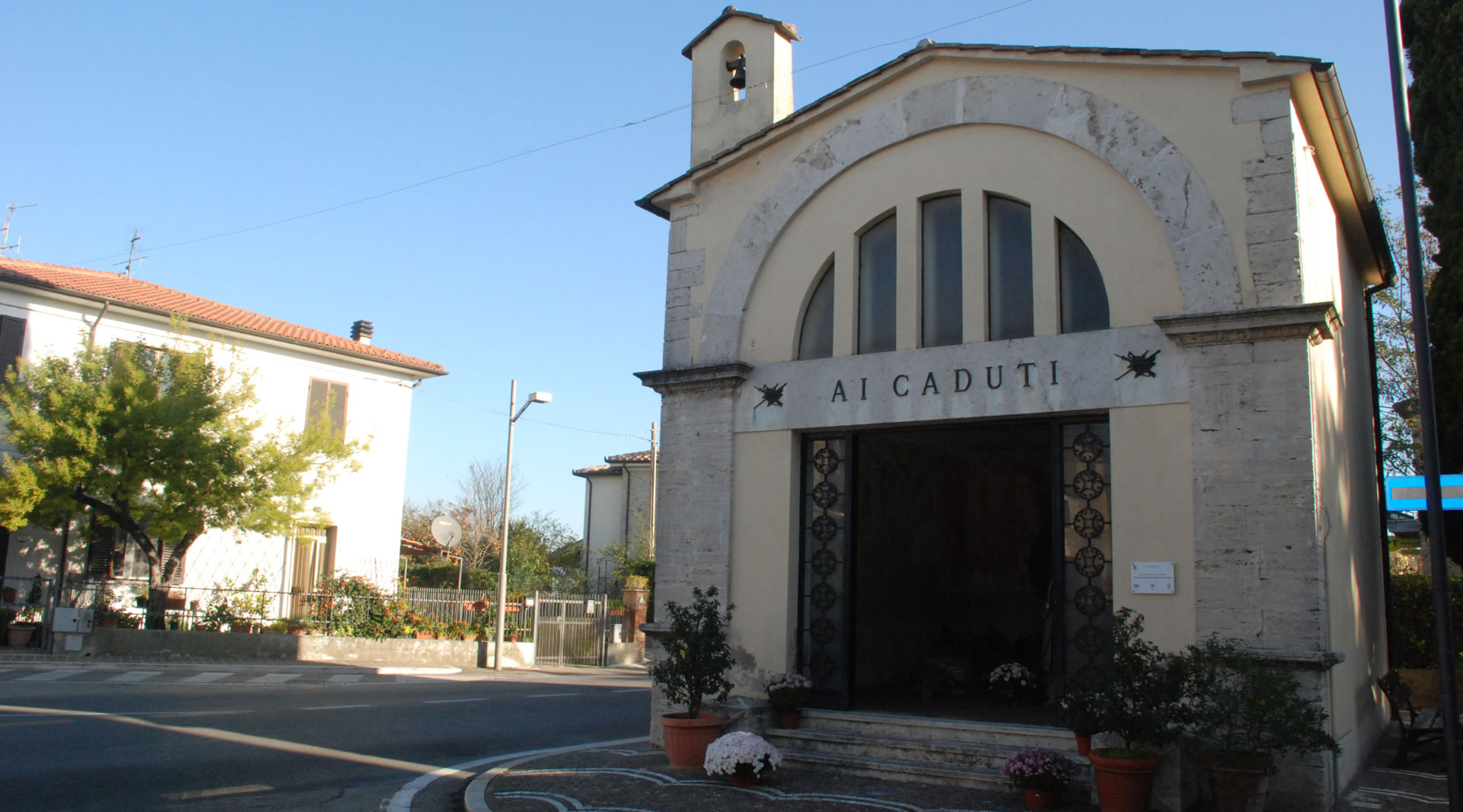
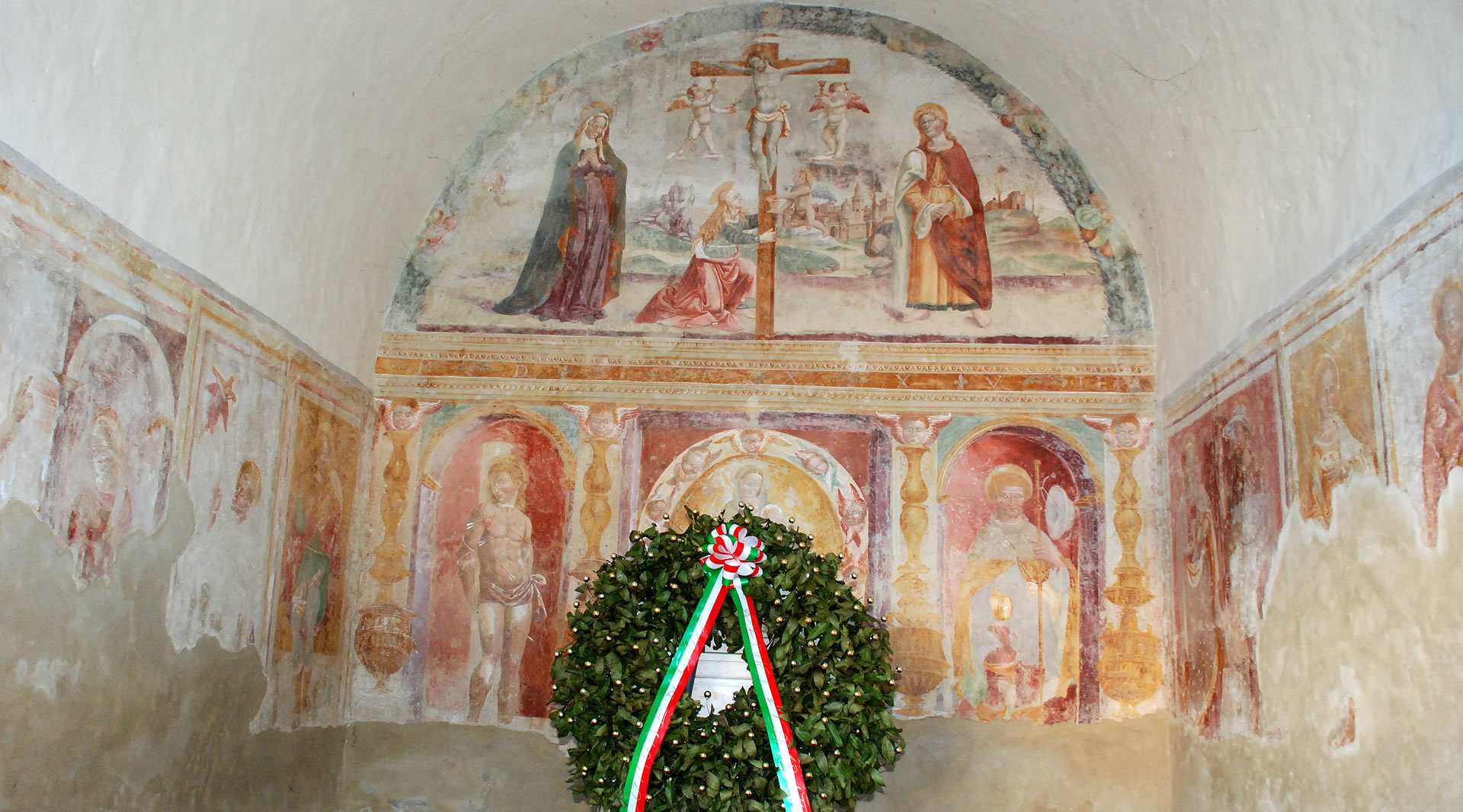
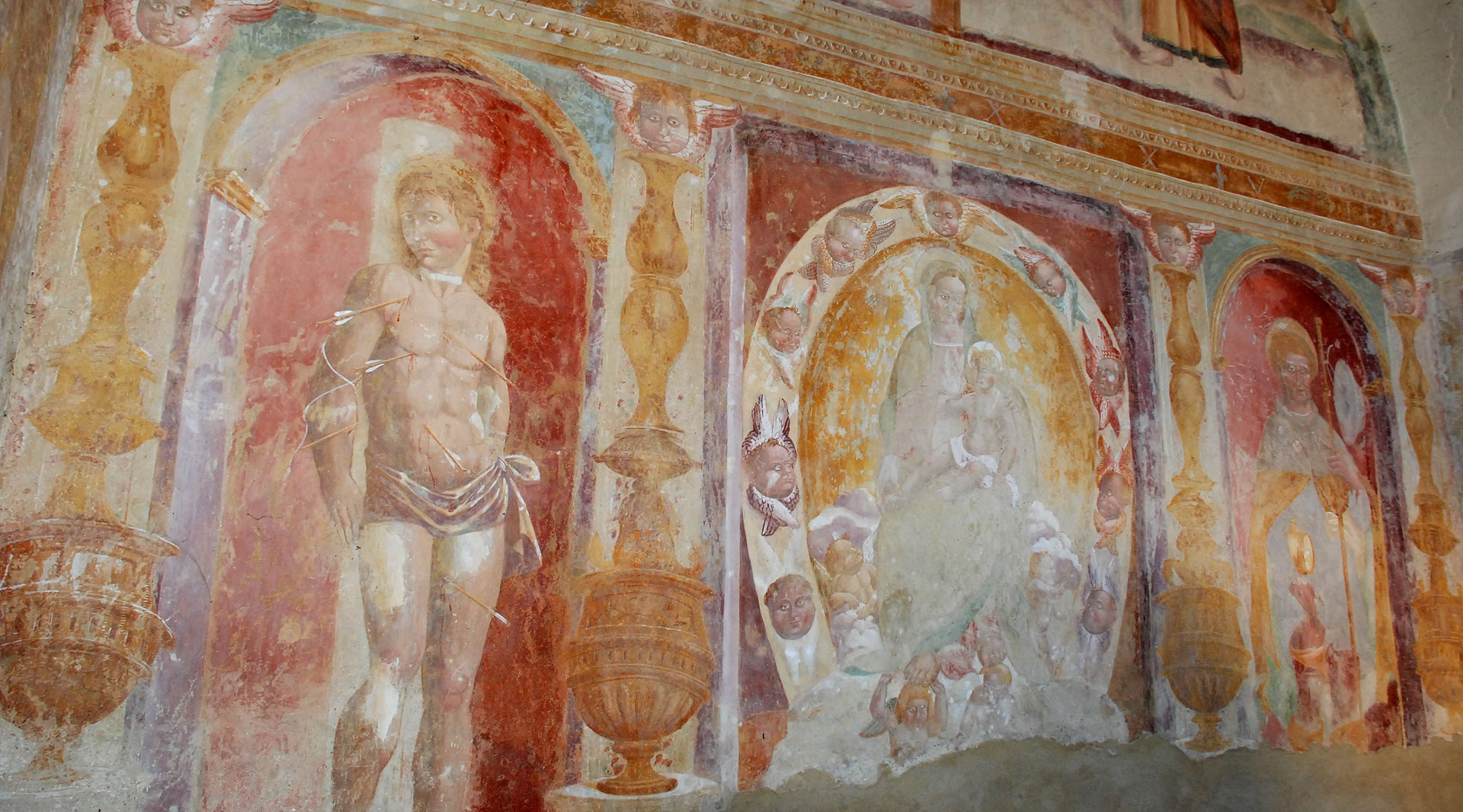
The chapel of San Rocco is also worth visiting; in 1969 it was transformed into a memorial shrine dedicated to the fallen of all wars. The chapel was commissioned by the Farnese around the 16th century on the site of an older roadside shrine, as an offering to the saint invoked against the plague. Simple and unadorned on the outside, it houses a cycle of votive paintings attributed to the brothers Lorenzo and Bartolomeo Torresani, Veronese painters active in the second half of the 16th century in Sabina and Umbria. Noteworthy is a 16th-century fresco from the Foligno school: a Crucifixion, with the city of Jerusalem depicted in the background.
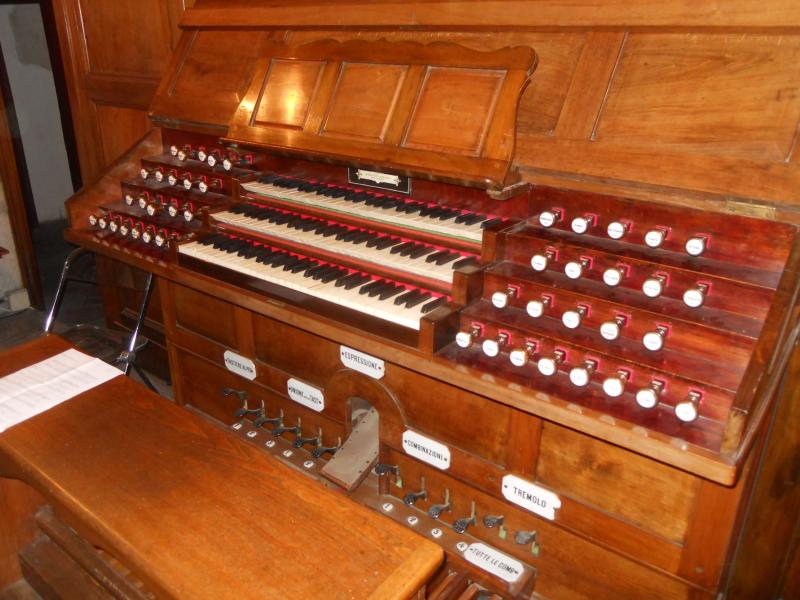
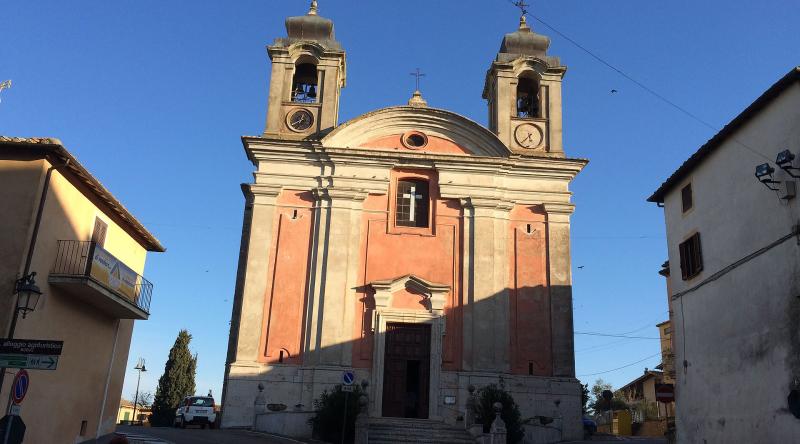
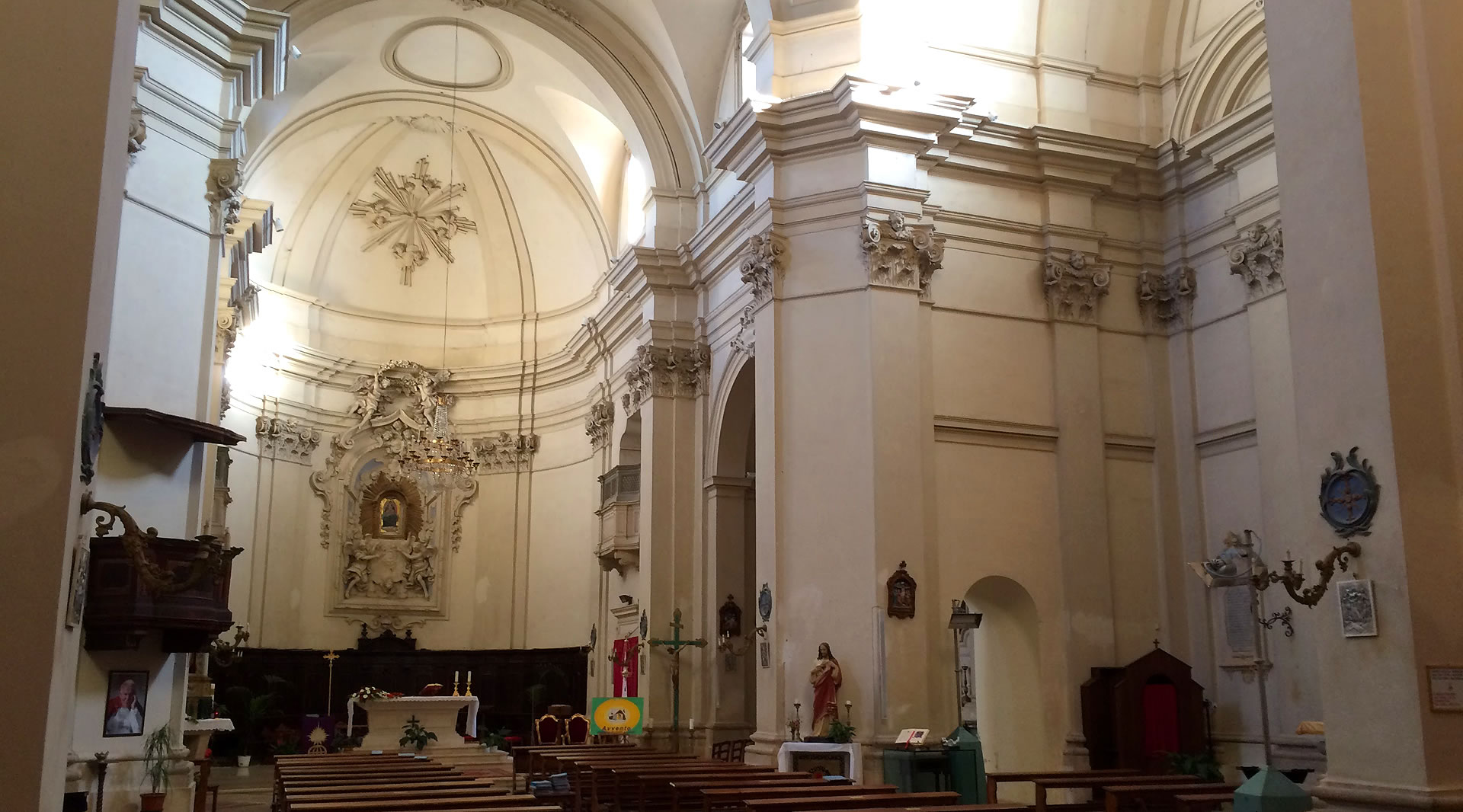
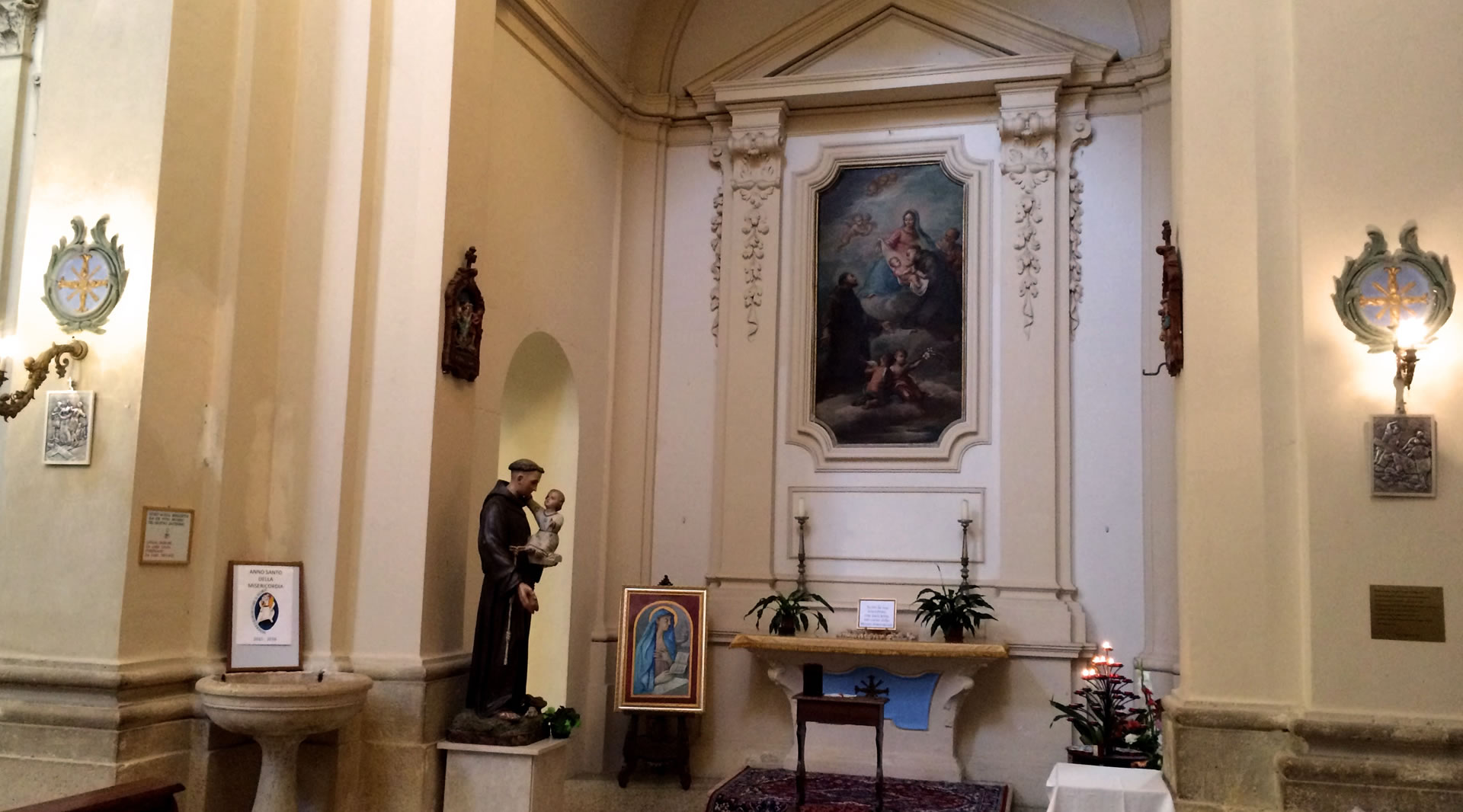
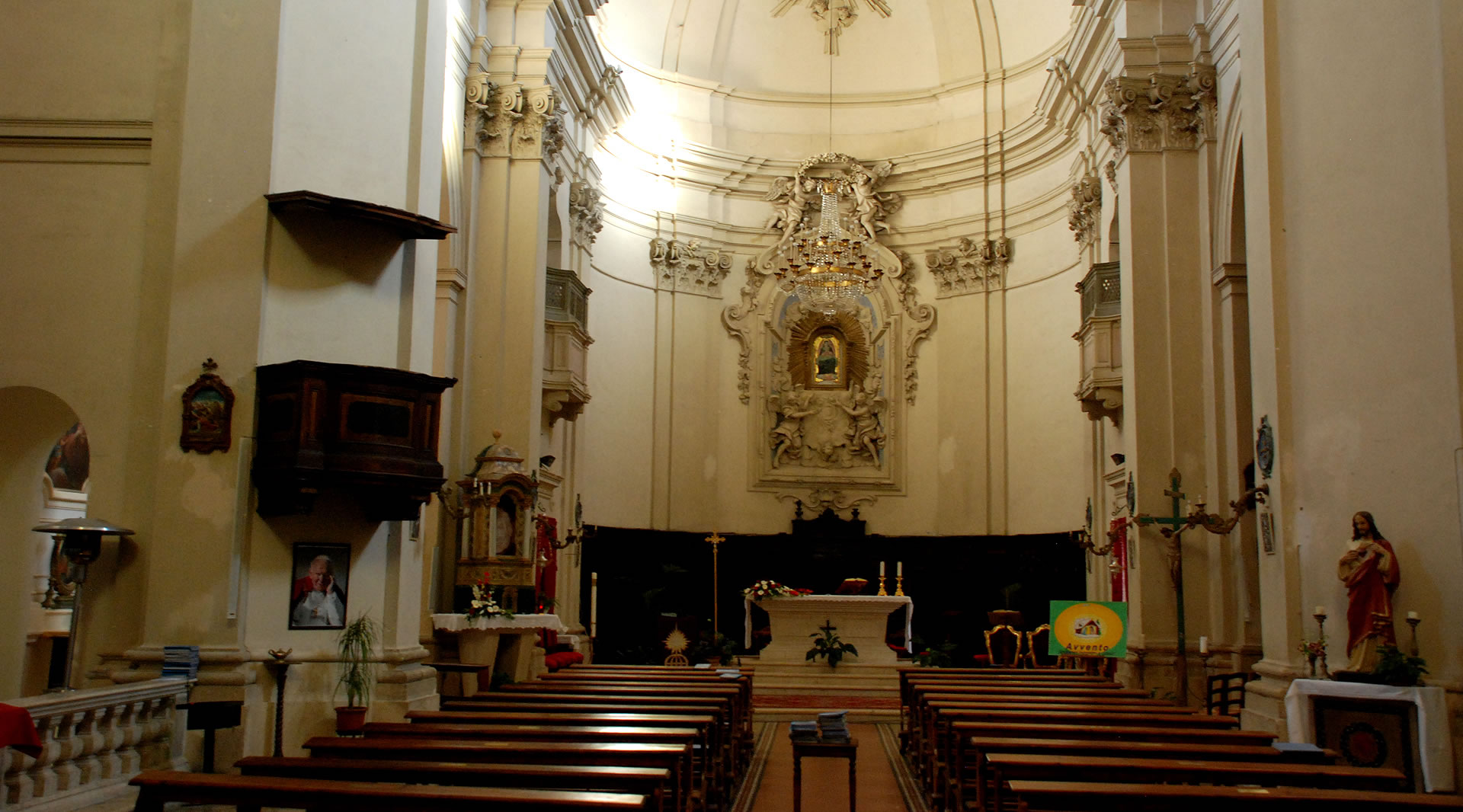
Also interesting is the parish church of the village, dedicated to Santa Maria Assunta, built in Rococo style. Its late-Baroque façade features two symmetrical bell towers. The interior has a Greek-cross plan and preserves a precious canvas depicting the Assumption, attributed to Niccolò di Liberatore known as “l’Alunno,” or to his school. On the altar is a beautiful painting of the Virgin known as the Madonna del Perugino, not because it is attributed to Perugino himself, but because it was commissioned in the 17th century by Francesco Caffarelli, originally from Perugia.
… and also: a walk through nature to an ancient Roman river port
In 2019, the Cammino di San Valentino was inaugurated: a trail of about 8 kilometers that winds from the historic centre of Giove along the old road to Attigliano, passing through several places of interest. The itinerary leads to the site of the ancient Roman river port on the Tiber, known as San Valentino because a church dedicated to the saint of lovers stood there until the 19th century. According to tradition, the church was built on the site of the saint’s martyrdom, said to have occurred by drowning while he was preaching in the countryside between the ports of Amelia and Giove.