









.jpg/e9571273-0e35-1ff2-0713-76c7fd4e3cc5?width=456)

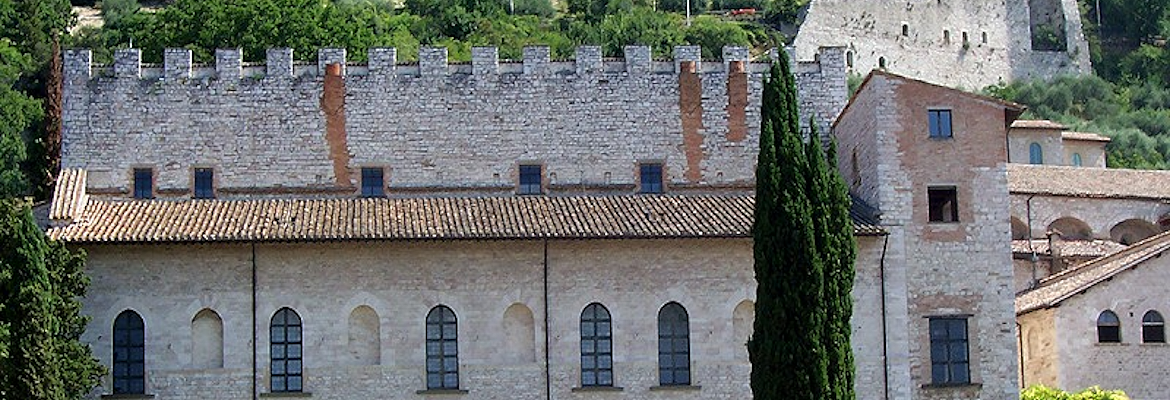
Palazzo Ducale, Gubbio
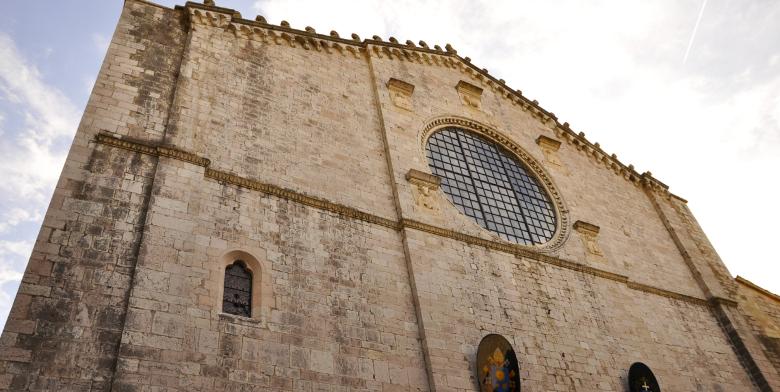
In the upper part of the Umbrian town, opposite the cathedral dedicated to Saints Mariano and Giacomo, stands the Palazzo Ducale – also known as the Corte Nuova – a tangible reminder of the presence of the Montefeltro family in Gubbio.
Amid an urban fabric that is distinctly medieval, its harmonious forms and refined decoration stand out like delicate white lace among the surrounding buildings.
“There lies all our heart and all our soul”: Gubbio and the Montefeltro
From 1384 onwards, Gubbio became part of the domains of the Montefeltro, remaining under their rule until 1508. Federico da Montefeltro, born in the nearby castle of Petroia, a great patron of the arts and “the foremost commander of Italy’s men-at-arms”, after having built the finest private palace in central Italy in Urbino, set about renovating his family’s ancient residence in Umbria, a place he greatly cherished.
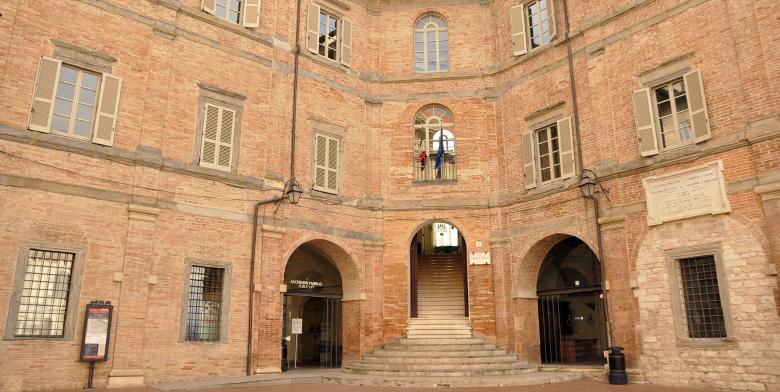
The year was 1474, when Federico was appointed duke, and it was probably at this time that he commissioned the architect Francesco di Giorgio Martini to completely rebuild the family houses opposite Gubbio’s cathedral. The Sienese architect created a beautiful courtyard on what was then the town’s first public square, around which the entire structure developed.
The elegant and harmonious proportions of this spacious covered courtyard conceal a… secret: the use of a specific unit of measurement known as the Urbino foot, represented in the plaque bearing the initials Federico Duca. Every element of the courtyard is a multiple or submultiple of this measure.
When the duke died in 1484, he was succeeded by his son Guidobaldo. By then, much of the palace had likely been completed, including the famous studiolo lined with wooden intarsia panels, crafted by Giuliano da Maiano from designs by Francesco di Giorgio Martini and adorned with paintings by Pedro Berruguete.
In the early seventeenth century, the last descendant of the Montefeltro family, Duchess Vittoria, married into the Medici household. She had the paintings removed and taken with her to Florence, while the wooden panels, after passing through various antique dealers, eventually made their way to the Metropolitan Museum in New York, where they are still preserved today.
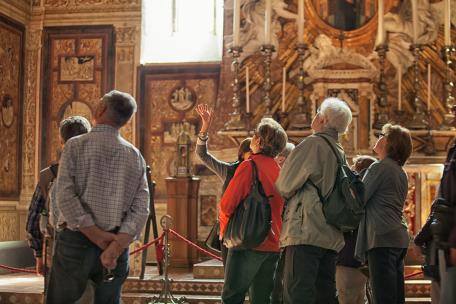
Since 2014, the Palazzo Ducale has belonged to the Umbrian museum network. Inside, several rooms still preserve part of their original furnishings, and fine paintings from the 13th to the 18th century are on display, an invaluable record of the figurative arts in Gubbio and its territory.
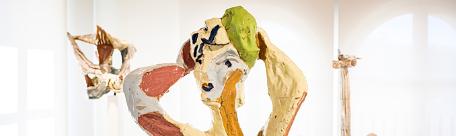
On the ground floor is the entrance to the palace’s archaeological area, where visitors can explore the remains of medieval dwellings that predate the 15th-century building. On the upper floors, the works awarded at the Biennale di Arte Contemporanea di Gubbio, established in 1956, are exhibited, and temporary exhibitions are frequently organised.
The beauty and refinement of a Renaissance noble residence
The Montefeltro palace in Gubbio is arranged around a large and elegant central courtyard, flanked by two wings: one facing the valley and the other the hillside. Brickwork and pietra serena define the building’s architectural rhythm, enriched by finely carved capitals and pilaster strips framing the windows of the main floor.
Several rooms in the palace are of particular interest, such as the ducal chambers and the bath of Battista Sforza, the young wife of Federico da Montefeltro and a great lover of the arts, who died prematurely in this very residence. In 2009, in place of the original inlaid studiolo, a superb contemporary reproduction crafted by the Minelli artisans of Gubbio was installed.
The rooms also preserve monumental fireplaces and original wooden fittings, including cupboards, window shutters and portal doors.
A recent and engaging multimedia itinerary completes the visit, recounting the history of the palace and of the Montefeltro family through digital installations and video displays.