




.jpg/e9571273-0e35-1ff2-0713-76c7fd4e3cc5?width=456)

The City of Sundays
The City of Sundays is a nature reserve and a themed amusement park focused on wildlife, located in Perugia, in the area of Ferro di Cavallo (a few kilometers from the city center). Inaugurated on April 21, 1963, it was the first family park to open in Italy.
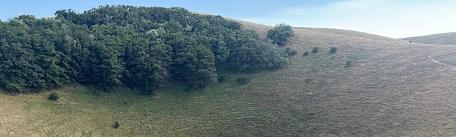
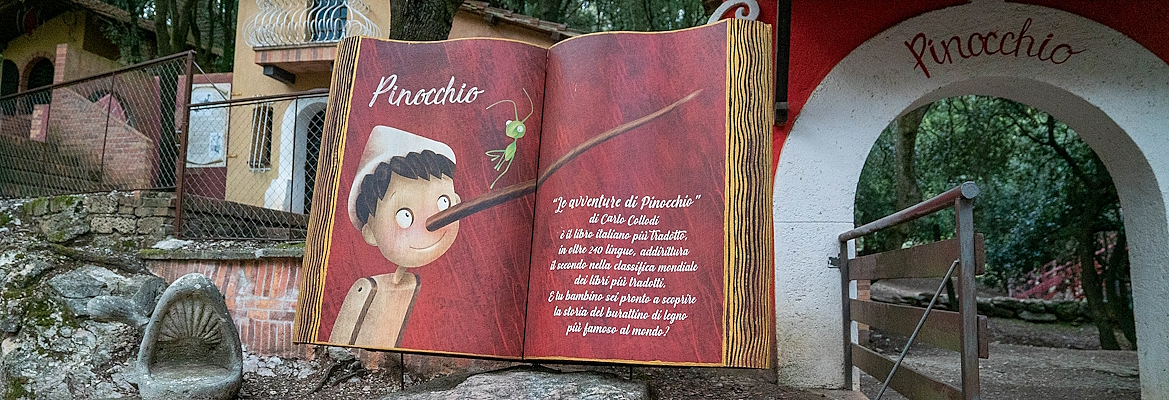
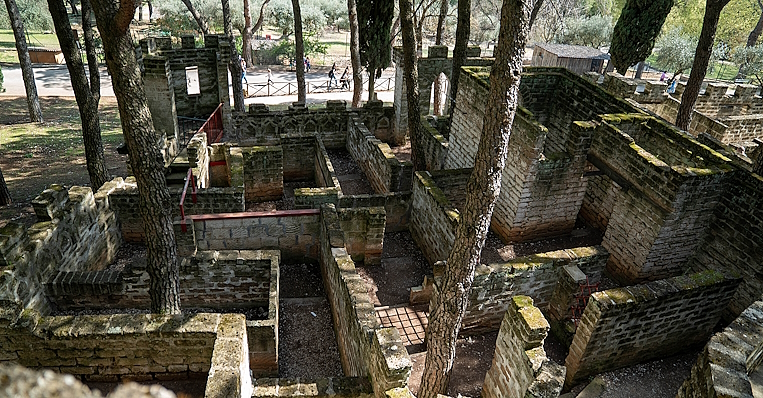
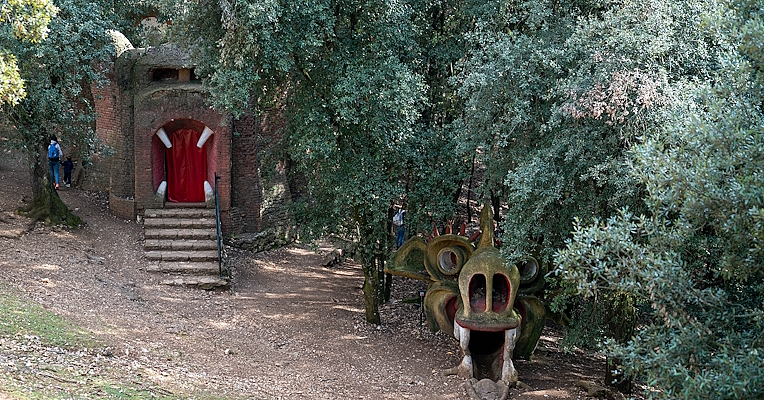
The park was born from the initiative of the Perugian entrepreneur Mario Spagnoli (1900-1977), son of Luisa Spagnoli, who in 1960 decided to transform his own land on Mount Pulito into a leisure park for families – a sort of ideal city that was initially intended to be named "Spagnolia." With vast dimensions for its time (over 43 hectares of land), the park spread across several hills of Mount Pulito, surrounded by dense Umbrian vegetation, featuring wildlife areas and fairytale-themed structures, including the "Sleeping Beauty Castle," "Pinocchio Village," "School of Magic," and the "Labyrinth." Among the themed areas, there's also a "Space Rocket" and a Western area with "Fort Apache," the "Indian Reserve," and the "Crazy Bridge."
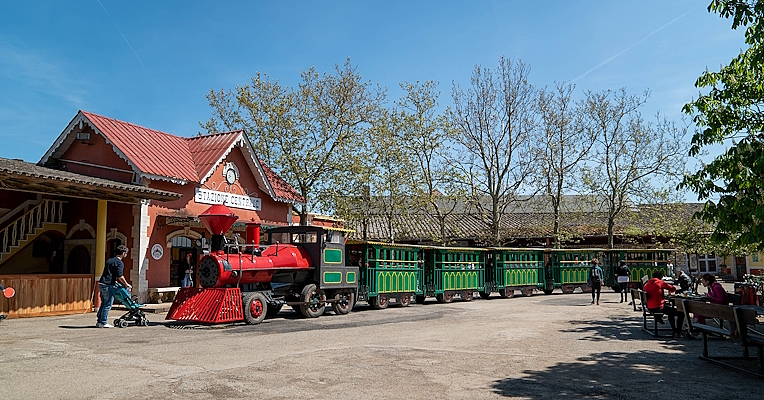
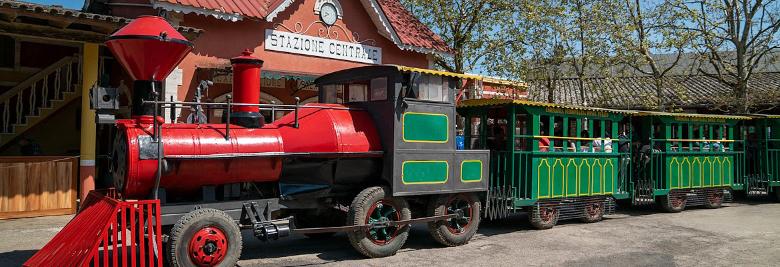
In the 1960s, it represented a significant novelty in the national territory, earning the nickname of the Italian Disneyland. The reconstruction of the Sleeping Beauty Castle and other buildings related to fairytales, the possibility of traveling around the park perimeter on a vintage train, and the integration of the offering with a large panoramic restaurant, marked the first example of an Italian theme park.
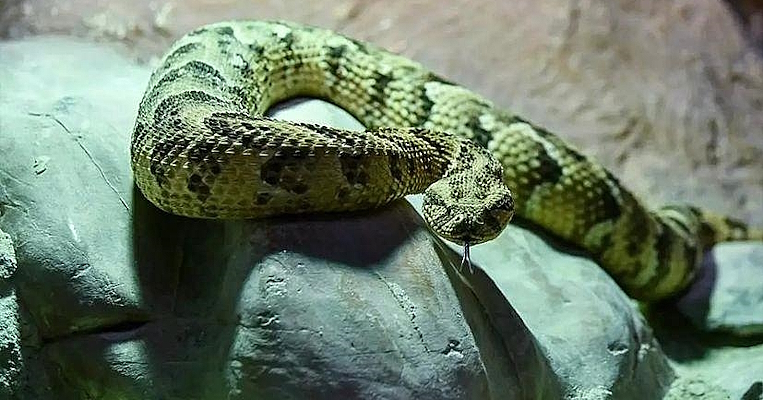
Unlike other similar Italian and European structures that emerged during the same period and later expanded their mechanical attractions, the Umbrian park evolved with an educational focus, hosting numerous species of free-roaming animals and some exotic species kept in captivity. The Park has always been a promoter of projects for the conservation of Italian species at risk of extinction through close collaborations with public institutions and universities. In addition to the Monterufoli della Giara Horse and the Monte Cristo Goats, the Park initiated a project in the early 1980s to save the Asinara white donkey from extinction, a project that this very structure contributed to revitalize. Thanks to a collaboration with the University of Perugia and the Sardinian Equestrian Center, the donkey has recently been officially recognized as a species.
.jpg/7c1a2dc4-3986-52b2-a853-2affab4017e0?width=780)
.jpg/53c7c378-8c12-cbd6-481e-7946513a6453?width=780)
.jpg/bdbd4a84-7577-975f-7b44-fce40e2351c6?width=780)