




.jpeg/0963e313-3fe7-31da-b05c-a3c6aca0a775?width=456)
.jpg/82d76794-ab9b-f87f-b9e6-5f77e6eb3b4c?width=456)

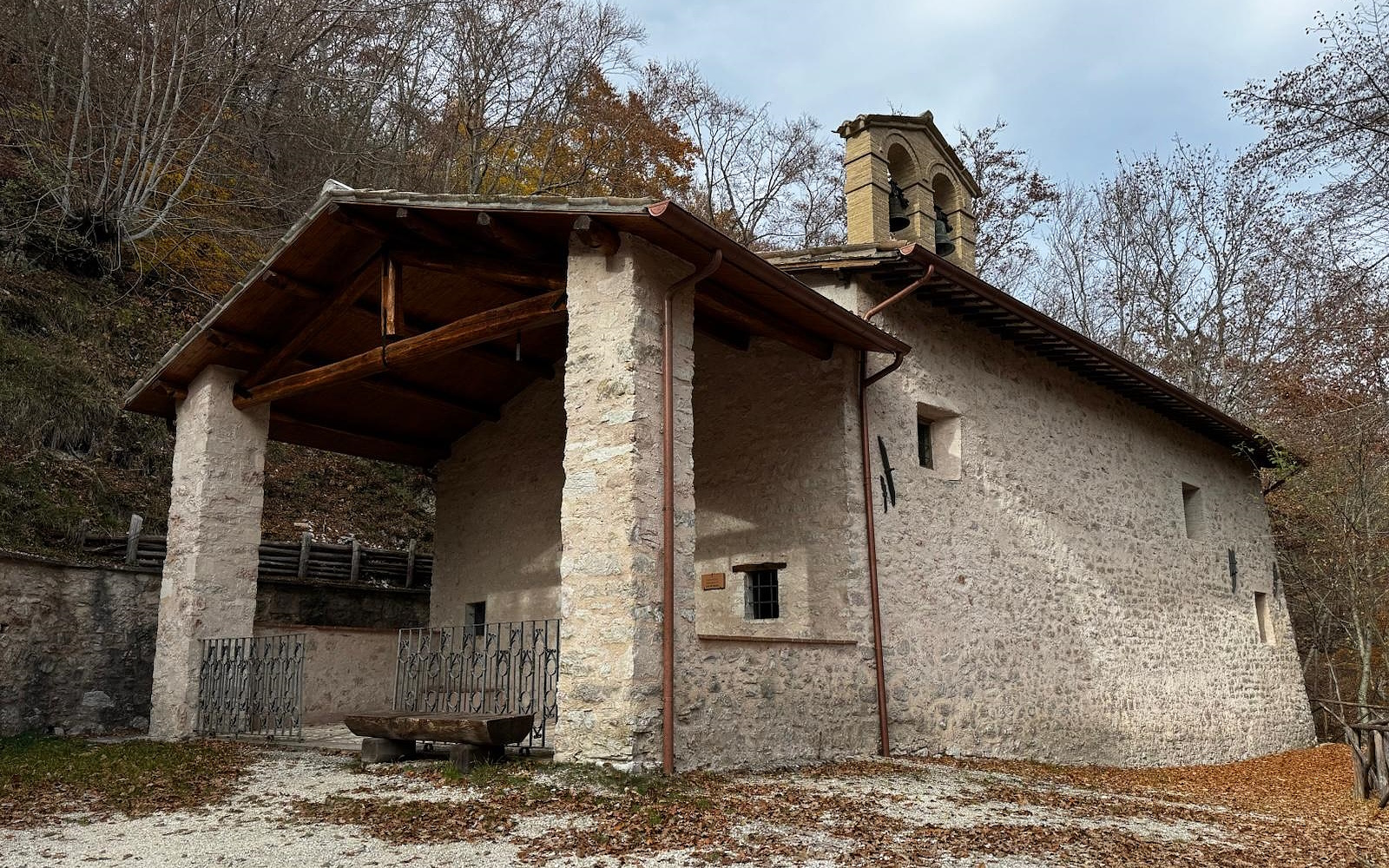
Sanctuary of San Paterniano – Sellano
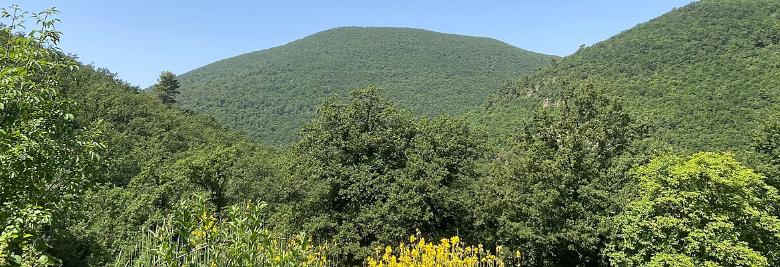
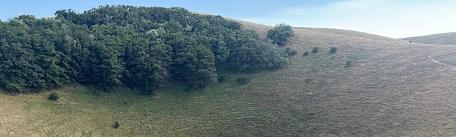
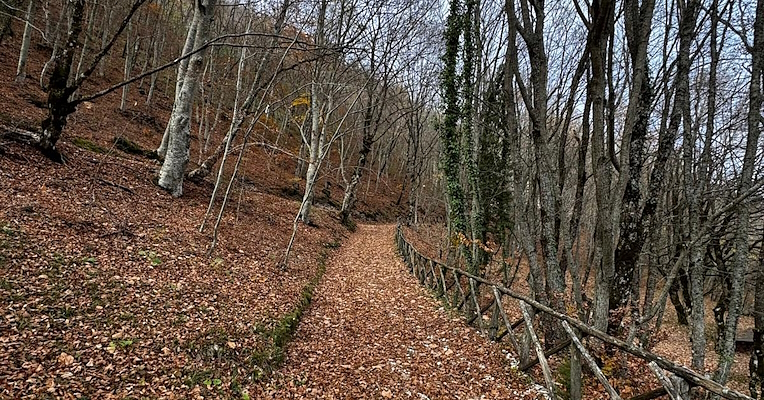
In the dense woods of Mount Cammoro, in the municipality of Sellano, where the waters of the Fauvella springs flow, lies a place where spirituality intertwines with history.
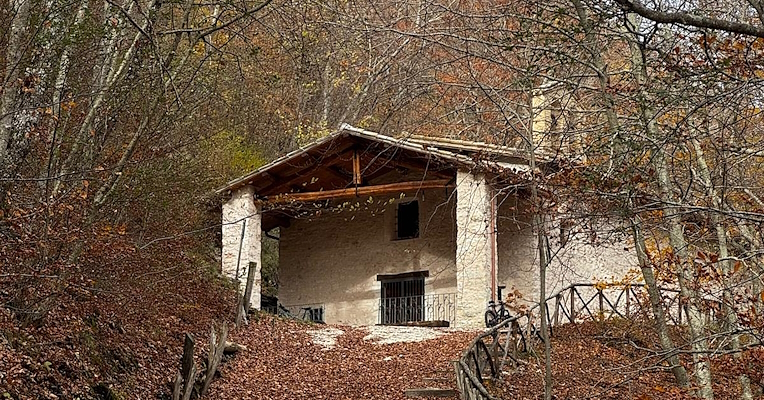
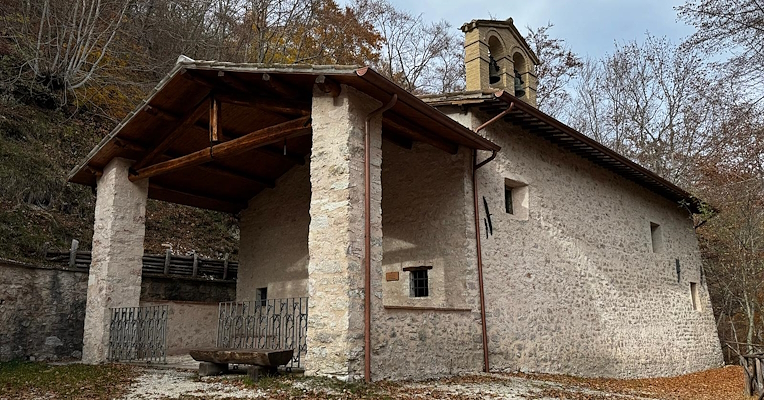
At the centre of a small clearing in an ancient beech forest stands a hermitage that does not seek attention but holds it entirely: the Hermitage of San Paterniano.
Saint Paternian: the Saint of Miraculous Springs
Saint Paternian lived between 275 and 360 AD and was Bishop of Fano, in the Marche region, for over forty years. His legend, however, was born elsewhere — in a cave between Sellano and Campello sul Clitunno, where, according to tradition, an angel led him into retreat during the persecutions.
Ten years of solitude, asceticism, and communion with a primordial element: water.
After the Edict of Constantine, he returned to Fano, where his reputation grew through tangible acts: conversions, healings, and a presence that outlasted the centuries. But it is around the places he touched that his cult took root, always linked to one recurring sign — the presence of springs believed to be miraculous, as if his devotion had left healing traces in the earth.
The Origins of the Building: the Skull that Returned Home
The building was erected around the 12th century on the spot where, according to tradition, the saint had stopped during one of his pilgrimages from Fano to Rome. It is said that the site marked the point where Saint Paternian’s skull refused to be moved any further. Repeatedly carried away, the saint’s skull is said to have miraculously returned to this hill, as if indicating where his dwelling should be built. Not a relic to be kept, but a sign expressing a will: here, and nowhere else, his refuge should rise.Mentioned in 14th-century documents, the building has undergone several transformations over the centuries, yet it has never betrayed its original vocation — an outpost of silence, a threshold point in perfect balance where the sacred does not oppose nature but converses with it.

.jpg/aee4095a-1a17-509d-52a4-c9d2dc2bc036?width=780)
.jpeg/76ca5d40-a3d4-d164-117d-386a29293907?width=780)