







.jpg/e9571273-0e35-1ff2-0713-76c7fd4e3cc5?width=456)

8 Tips For Easter And Easter Monday - 8 Tips For Easter And Easter Monday


This easy and mostly flat itinerary runs through the gentle landscapes of the Umbrian Upper Tiber Valley, alternating between dedicated dirt paths and low-traffic paved roads.
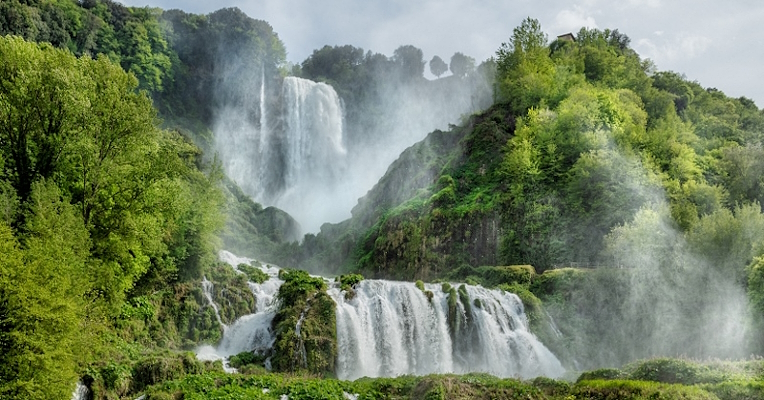
The charm of some places in the Terni area through the eyes of past travellers
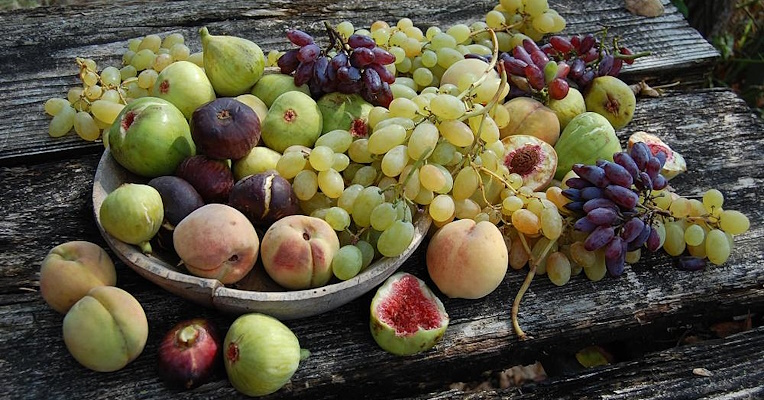
An ancient hermitage and an unusual nursery are home to the park in San Lorenzo di Lerchi, a hamlet of Città di Castello. A journey through archaeology and the history of plants to discover varieties of fruit with unexpected shapes and colours.
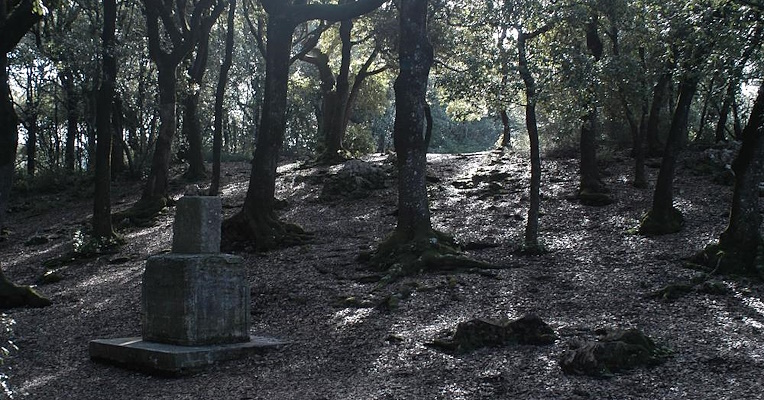
A fascinating itinerary that crosses the Sacred Wood of Monteluco, at the foot of Spoleto. Once an ancient Roman lucus and later a refuge for hermits, this silent holm oak forest captivates with its timeless spirituality!

An itinerary of 4 km that, starting from the Sassovivo Abbey, leads to the discovery of the natural beauty of one of the mountains overlooking Foligno. The landscape changes along the way: from the “Sacred Thicket” of the holm oak forest of Sassovivo, you immerse yourself in woods of black hornbeam and field elm, until you reach the cliffs of Pale.
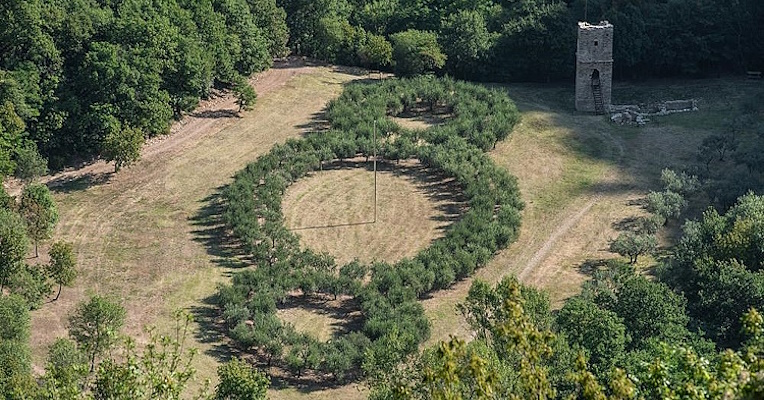
64 hectares and 800 years of history for the wood at the foot of Assisi where Saint Francis used to seek refuge for prayer. An oasis of peace restored by the FAI-Fondo Ambiente Italiano that, with its centuries-old trees and fascinating monuments, also inspired Michelangelo Pistoletto’s work “Terzo Paradiso” (Third Paradise).
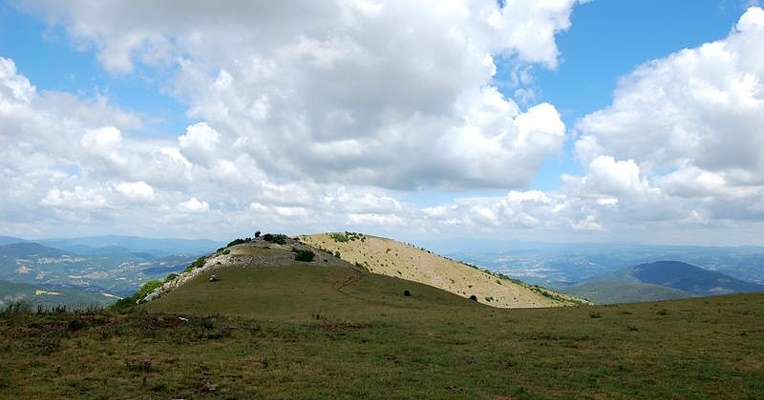
Mount Tezio, about 15 km from Perugia, was a place of worship, where, in Roman times, the stars, lightning, the flight of birds and the divinatory practices of the haruspic priests were studied. Walking along old mule tracks, you can reach small villages, countryside churches, towers and castles, amidst meadows and breathtaking sunsets over Lake Trasimeno.

A visit to the Carsulae Park – and its Antiquarium – between Terni and San Gemini, allows you to admire, immersed in nature, the main remains of the ancient and fallen Roman city: the pavement of the Via Flaminia, which crossed the city from south to north, the Forum, the Arch of San Damiano, a symbol of the city, the Basilica, the amphitheater, and the Roman theater, where performances are still staged today.