
















.jpeg/178d8497-a3ff-7b77-9730-f7e26f15c77c?width=456)
.jpg/3e43402e-6b11-3948-c191-6ac4e25db089?width=456)

Fonti di preziosa acqua minerale e termale - Fonti di preziosa acqua minerale e termale


Le ‘acque’ frequentate da santi e poeti.
Presso Acquasparta, il cui nome stesso evoca una terra "spartita" tra sorgenti, le Fonti dell’Amerino – o Terme di San Francesco – sono un crocevia di storia, spiritualità e scienza idrologica. Già Plinio il Giovane ne celebrava le virtù nel I secolo d.C., ma fu Francesco d’Assisi, nel 1213, a consacrarne la fama terapeutica. Qui, gravemente malato, trovò guarigione tanto da fondare un hospitium, trasformando queste acque in un luogo di cura e accoglienza.
L’acqua che alimenta le terme sgorga dalle cosiddette Sorgenti di San Francesco, un luogo appartato e solitario tra due rupi, in mezzo agli olivi, dove secondo la tradizione il frate di Assisi si ritirava in preghiera. Si tratta di acque oligominerali, ricche di calcio, potassio e magnesio.
Dall’"acqua aurea" al mito della Belle Époque
Definita "acqua aurea" nel 1729 dal medico Joseph Antonius Cornelius per le sue eccezionali proprietà, l’Amerino divenne nel Novecento un simbolo di eleganza termale. Lo stabilimento, inaugurato nel 1909, e il Grande Albergo Amerino (1911) – con i suoi lussi avveniristici – attrassero l’élite culturale del tempo. Tra i suoi devoti, Gabriele d’Annunzio, che volle sempre una bottiglia personalizzata sulla scrivania, la ‘Confezione speciale per Gabriele d’Annunzio’, come riportava l’etichetta. Qualche bottiglia è ancora visibile nella casa museo del poeta, a Gardone Riviera, il Vittoriale degli Italiani.
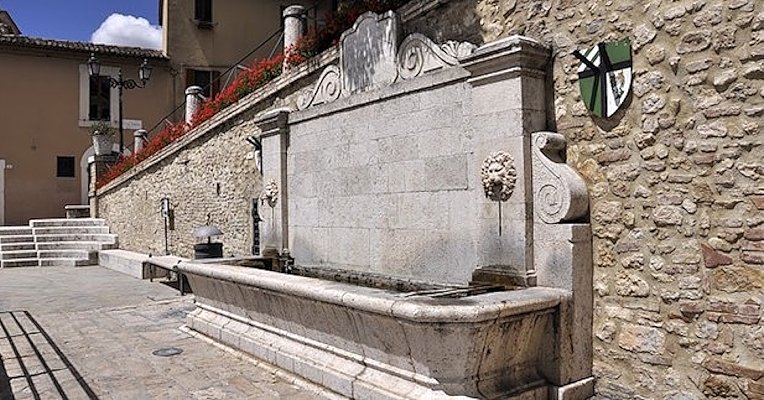
Il luogo ideale dove ‘passare le acque’
Sette ettari di parco termale immerso nella natura lussureggiante e rigogliosa, dove sgorgano due tra le sorgenti medicamentose più celebri d’Italia, la Sangemini e la Fabia: il Parco delle Fonti di San Gemini, a circa due chilometri e mezzo dal borgo umbro, è realmente un luogo che rinfranca il corpo e lo spirito.
Aperto dal 1 giugno al 1 ottobre, il bel parco offre la possibilità di passeggiate nel fresco, giochi per i bambini, un campo da minigolf e la possibilità di assistere ad eventi culturali e musicali, oltre che numerose fontanelle sparse per l’intera area ove assumere l’acqua così preziosa per la salute.
Le virtù di queste fonti erano già note ai romani, e Antonio Canova, che qui aveva una casa, ne era un estimatore. Ma fu nel 1838 che il Priore di San Gemini chiese ufficialmente allo Stato Pontificio il permesso di sfruttare le sorgenti. Le analisi dell’Università di Perugia ne confermarono i benefici, e nel 1840 arrivò l’autorizzazione. Lo stabilimento, però, aprì solo nel 1889 – come ricorda ancora oggi l’iscrizione all’ingresso.
Nei primi del Novecento, San Gemini divenne meta di cura alla pari di Montecatini e Salsomaggiore. Qui si veniva per “passare le acque”: bere alla fonte, passeggiare, rigenerarsi. Una tradizione che continua ancora oggi, tra silenzio e natura.
Le acque di Sangemini sono effervescenti naturali, hanno un quantitativo di calcio tre volte maggiore rispetto alle altre minerali, con un basso contenuto di sodio e sono ricche di bicarbonati: ciò le rende particolarmente adatte alla salute delle ossa e alla prevenzione dell’osteoporosi, per chi ha problemi legati alla digestione e alla regolazione dell’acidità corporea.
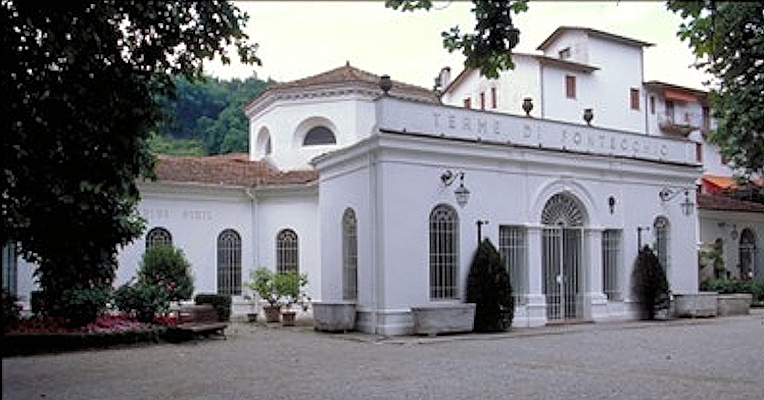
Dalle testimonianze di Plinio il Giovane all’eclettismo di Calderini
A pochi chilometri da Città di Castello, immerso in un bosco secolare, sorge il complesso termale, più antico stabilimento dell’Umbria: Fontecchio. È noto infatti fin dall’antichità, quando Plinio il Giovane lo frequentava con la moglie Calpurnia, descrivendolo nelle sue lettere come un rifugio di rara bellezza.
Dopo secoli di abbandono, nel 1586 il medico aretino Sebastiano Magi ne studiò le acque, confermandone le virtù terapeutiche. Ma fu solo nel 1860, con il ritrovamento dei ruderi delle antiche terme, che un gruppo di cittadini decise di costruire uno stabilimento moderno. L’incarico andò a Guglielmo Calderini, architetto celebre per il Palazzo di Giustizia di Roma e lo stile eclettico che caratterizza anche Fontecchio: un elegante mix di neorinascimentale e funzionalità termale.
Inaugurato nel 1868, divenne presto un punto di riferimento per cure, villeggiatura e mondanità, mantenendo il suo ruolo anche nel Novecento, fino alla convenzione con il Servizio Sanitario Nazionale. Oggi, chiuso per lavori di rinnovamento, attende di riaprire le sue porte - nella primavera del 2026.
Le terme sono alimentate da due sorgenti sulfuree e salsobromoiodiche, le cui acque sono efficaci sia a scopo antinfiammatorio che per la cura delle malattie della pelle, le patologie respiratorie e gastroenteriche, i disturbi alle articolazioni. Vengono utilizzate per cure idropiniche, bagni, inalazioni, idromassaggi, fanghi. Il complesso dispone anche di una Spa e un Centro benessere.