

Sentiers, savoir-faire et saveurs dans l’âme de la ville
La Rupe d’Orvieto raconte

La Rupe d’Orvieto raconte



Sentiers, savoir-faire et saveurs dans l’âme de la ville
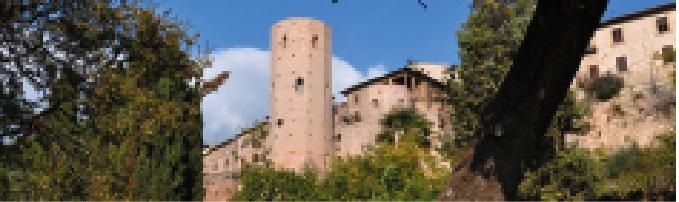
L’itinéraire, d’environ 5 kilomètres et praticable en environ une heure et demie, serpente autour de la Rupe d’Orvieto, suivant montées et descentes qui dessinent le profil du massif tufacé. Intégré au Parc Archéologique et Environnemental Orvietano (PAAO), le parcours permet d’admirer de nombreux monuments donnant sur la rupe, tels que la forteresse Albornoz et la Porta Soliana adjacente, ainsi que la Fontaine de San Zeno reliée au célèbre Puits de San Patrizio.
On atteint ensuite l’église rupestre du Crocifisso del Tufo, d’où s’ouvre une vue charmante sur les toits de la nécropole du même nom, puis l’église de la Madonna del Velo, où se trouve l’Observatoire de la Falaise et la Grotte des Troncs Fossiles, qui conserve des restes de végétation datant de plusieurs millions d’années.
Parmi les ruelles taillées dans le tuf d’Orvieto, deux arts anciens incarnent l’âme même de la ville. La production céramique, dont les origines remontent à l’époque étrusque avec la fabrication du raffiné bucchero, atteignit son apogée au Moyen Âge, lorsque la ville se distingua pour ses majoliques, comme en témoignent aussi les vestiges de fours médiévaux et de la Renaissance visibles près du Pozzo della Cava et le long de la Via della Cava.
À côté de cet art, la dentelle d’Orvieto, connue sous le nom Ars Wetana, est un travail de crochet raffiné attesté depuis le XVIIᵉ siècle, devenu au début du XXᵉ siècle une florissante production artisanale locale.
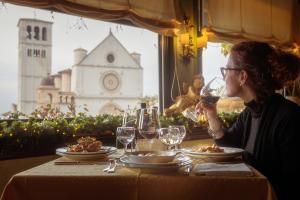
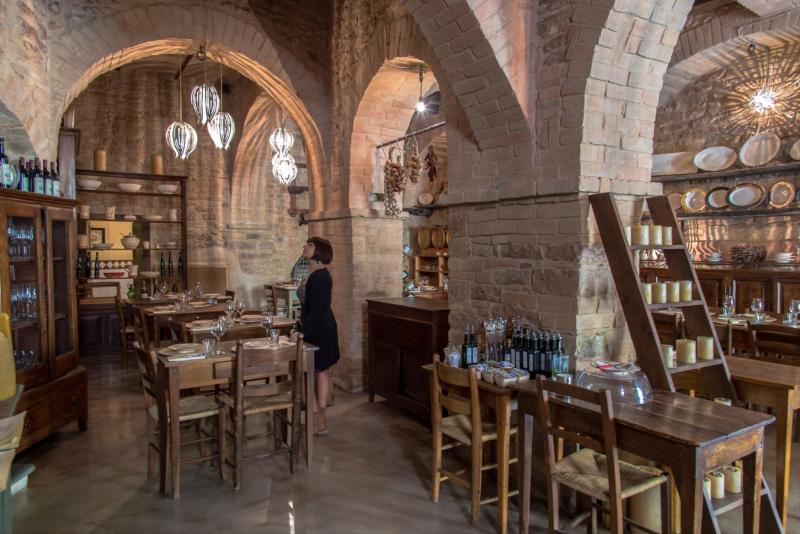
Orvieto, gardienne d’une riche tradition œnogastronomique dont le protagoniste incontesté est le célèbre vin Orvieto DOC, est également la capitale du mouvement CittàSlow.
Parmi les spécialités typiques, la ville est surtout connue pour ses produits de boulangerie tels que les biscuits à l’anis, les tortucce, des beignets de pâte frite sucrés ou salés, et surtout la fameuse lumachella orvietana, une petite couronne salée enrichie de fromage et de jambon ou de guanciale, reconnaissable à sa forme de coquille d’escargot. Née comme un plat modeste, fruit du recyclage des restes, cette préparation a été reconnue en 2025 comme Presidio Slow Food de la ville d’Orvieto.
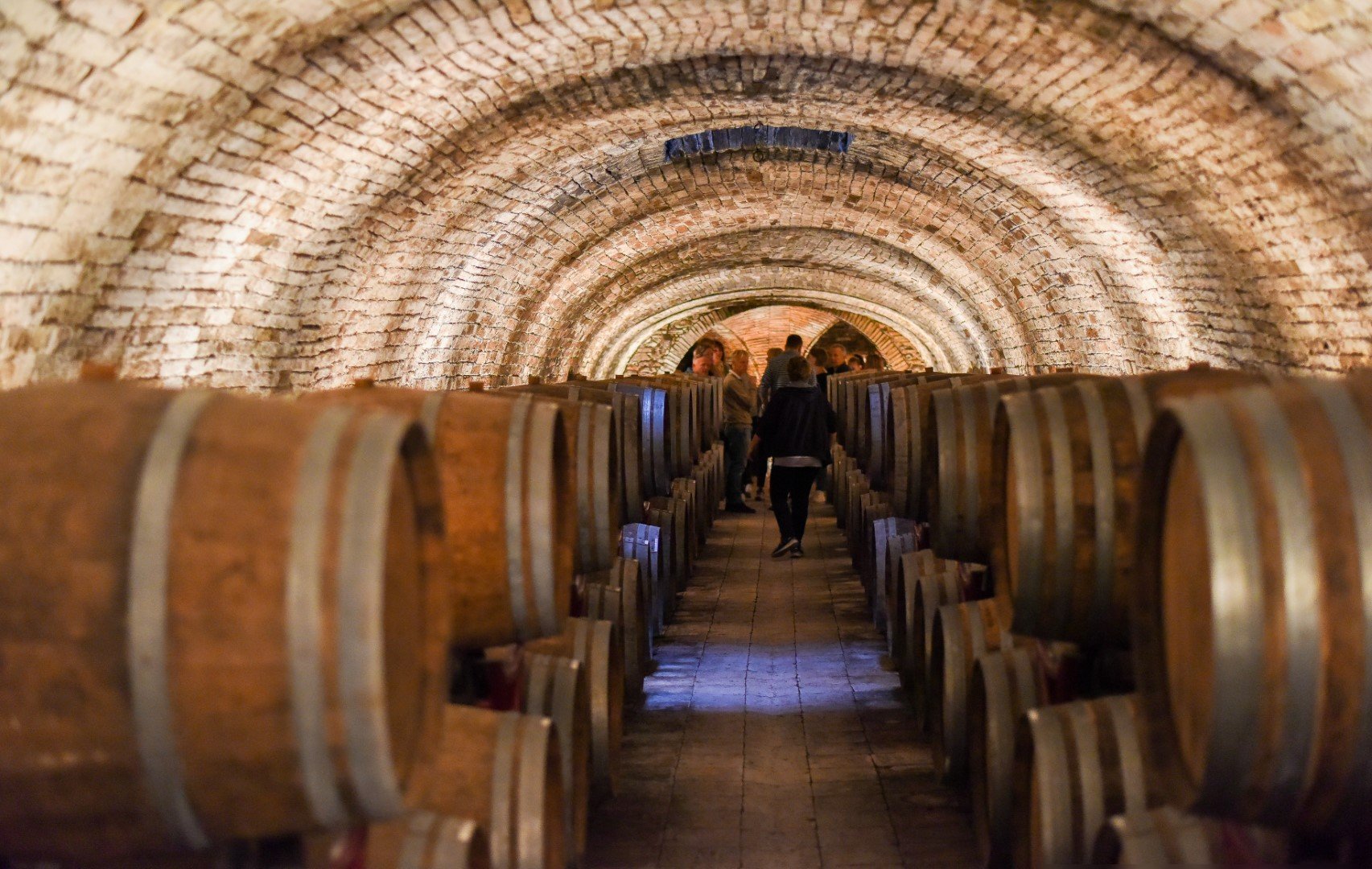
Tout au long de l’année, Orvieto s’anime avec une série d’événements incontournables, qui représentent autant d’occasions idéales pour visiter la ville. Au printemps, les événements Cantine Aperte (Caves ouvertes) transforment les week-ends en une fête du vin, offrant l’opportunité de découvrir les domaines viticoles et les producteurs locaux à travers des dégustations de vins d’Orvieto et d’Ombrie.
À la Pentecôte se déroule la Festa della Palombella, durant laquelle une colombe effectue son vol traditionnel jusqu’au baldaquin sur le parvis du Duomo. Le même week-end, la ville se pare de mille couleurs avec Orvieto in Fiore, qui accueille un marché-show florovivaistique et le Palio delle Infiorate e dei Balestrieri, impliquant les quatre quartiers de la ville.
Autre grande fête religieuse, la Fête-Dieu (Corpus Domini) : le samedi qui la précède se tient la Relais des Quartiers, également connue comme la Flamme de la Vérité, un course symbolique qui retrace le parcours du Saint Linceul jusqu’à la Cathédrale, aujourd’hui transformé en événement sportif avec 10 coureurs représentant les 4 quartiers d’Orvieto. Le jour suivant, le reliquaire avec le Saint Corporal est porté en procession, accompagné du Cortège Historique.
En hiver, pendant la période de Noël, la ville s’anime avec le festival Umbria Jazz Winter, tandis que le Pozzo della Cava devient le cade enchanteur du “Crèche dans le Puits”.
Que veux-tu me demander?