Ancient fortresses and archaeological traces along the Via Flaminia
The art of standing the test of time
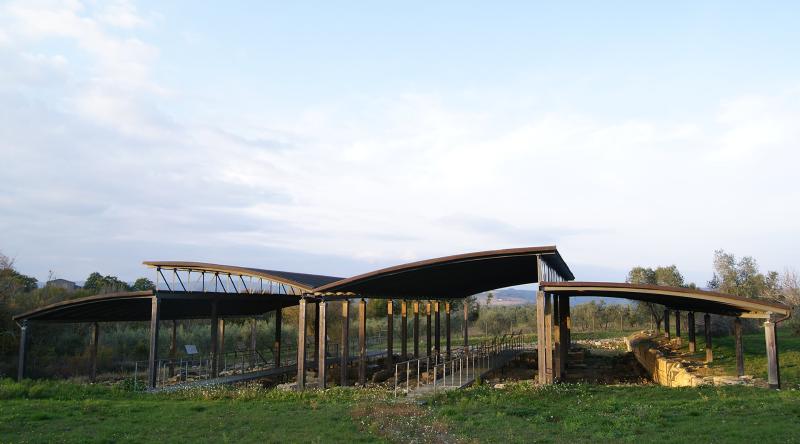
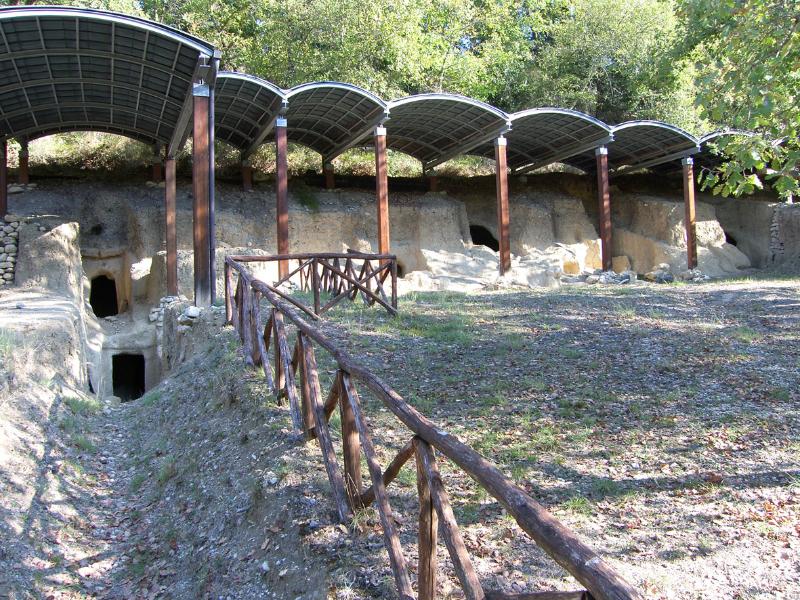
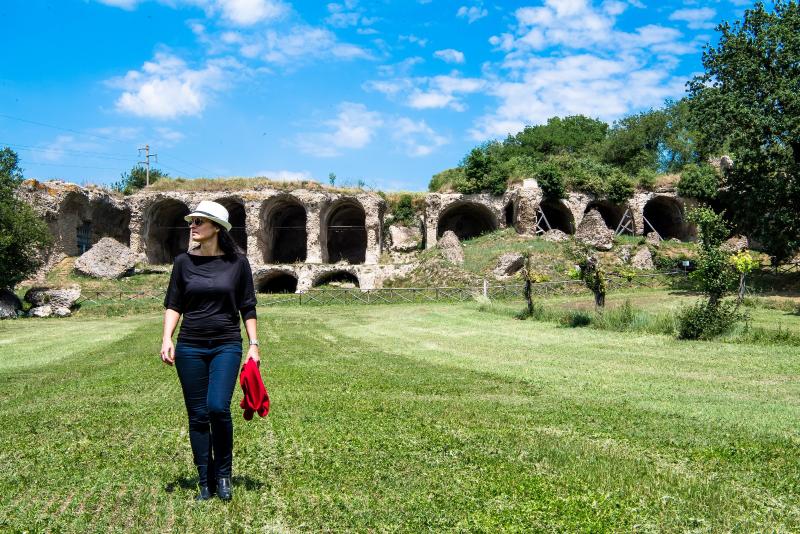
The extensive Scoppieto archaelogical site just outside of Baschi is situated on a plateau overlooking the Tiber Valley, an area rich in clay deposits, blessed with water and fertile farmland.
A huge burial area of Umbrian – Etruscan civilization dating back to VI – IV centuries B.C. along the hills sloping down towards the Tiber. A wonderful archaeological heritage which brings unexpected surprises.
A museum to discover original artifacts and ceramic production techniques from antiquity.
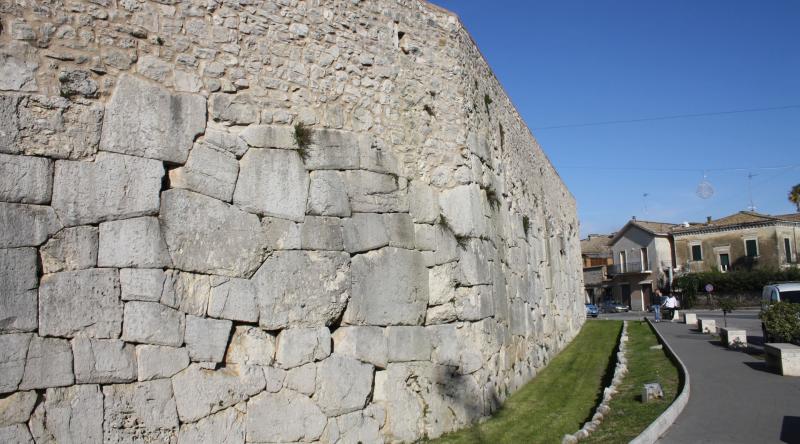
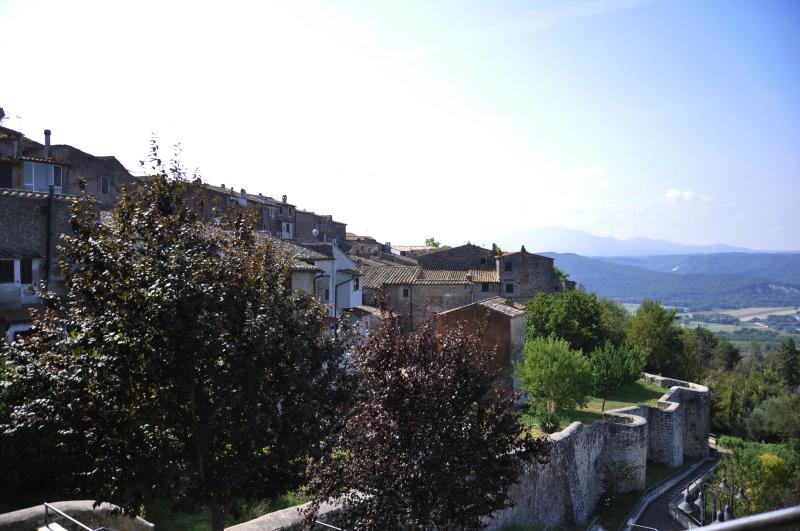
The ring of stone defending the city of Amelia
Mysteries and Wonders Below the Surface
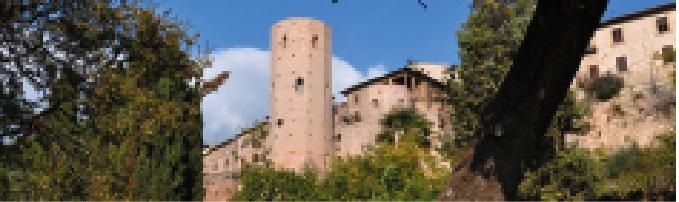
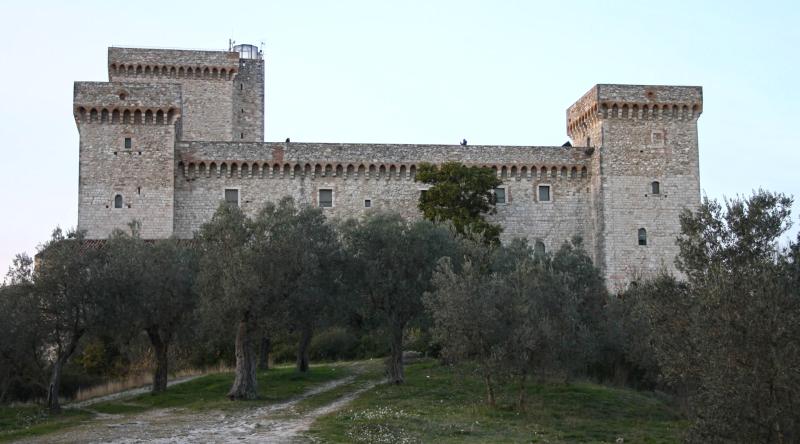
The Rocca Albornoziana, or Albornoz Fortress, dominates Narni and the Nera River gorge from above.
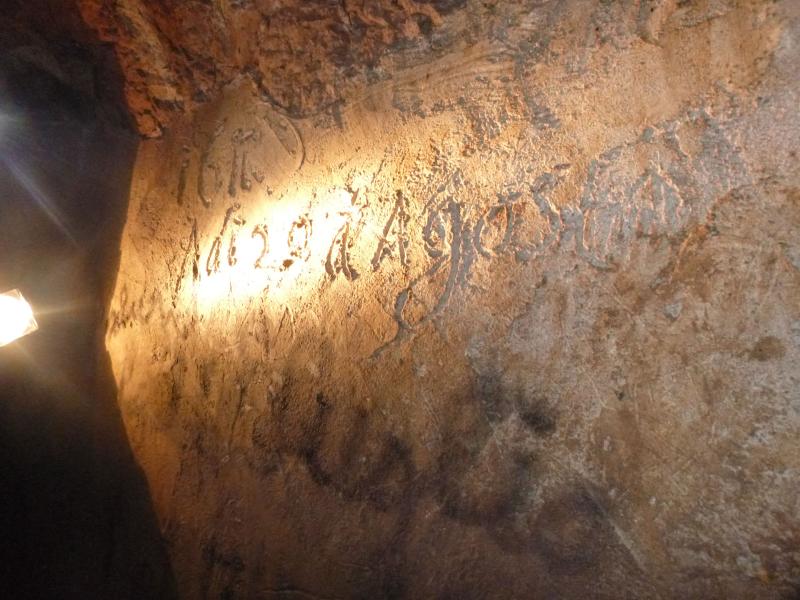
The Roman aqueduct known as Formina is an extensive network of narrow tunnels and galleries built at the behest of Emperor Tiberius in the first century C.E. and which carried water to the town of Narni and all of the surrounding area for many centuries.
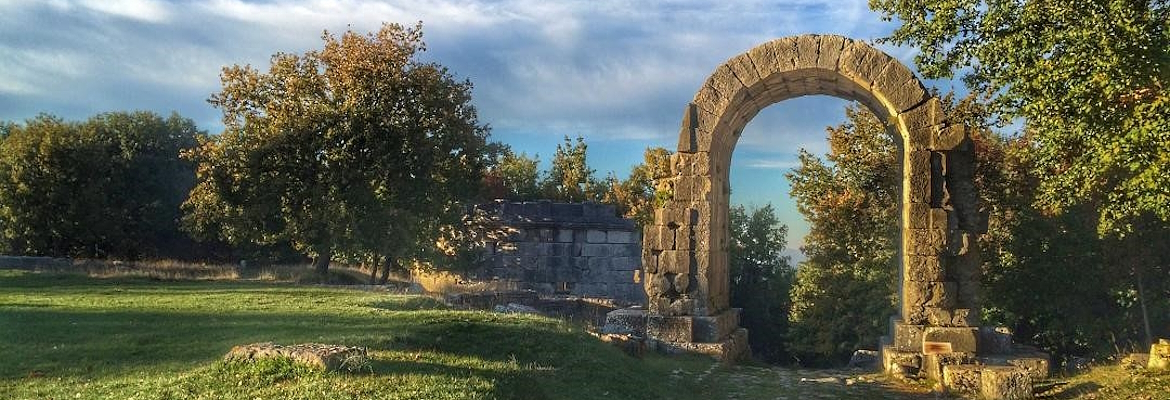
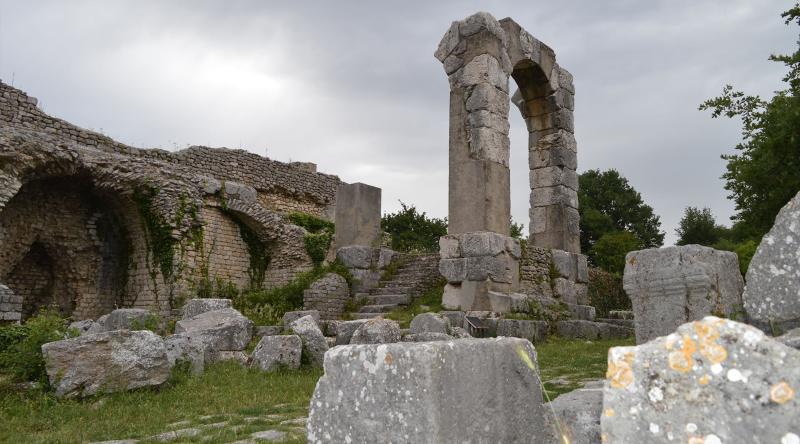
The Lost City on the Via Flaminia
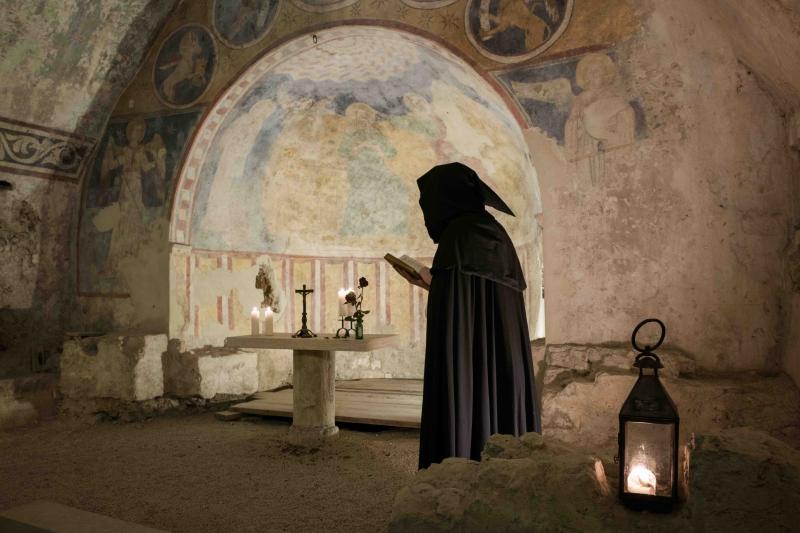
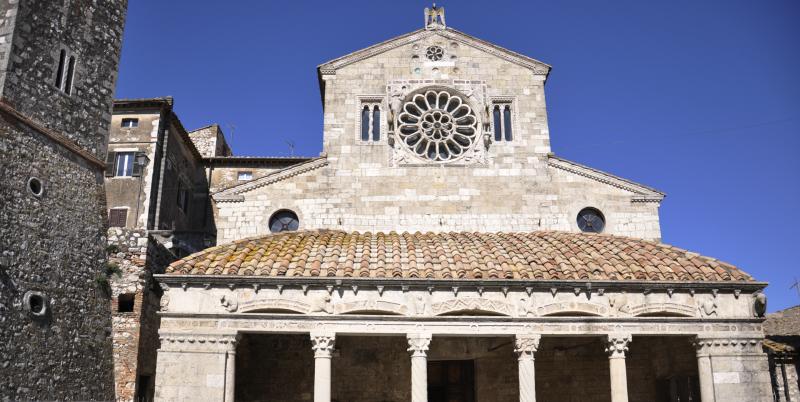
A Romanesque masterpiece in southern Umbria
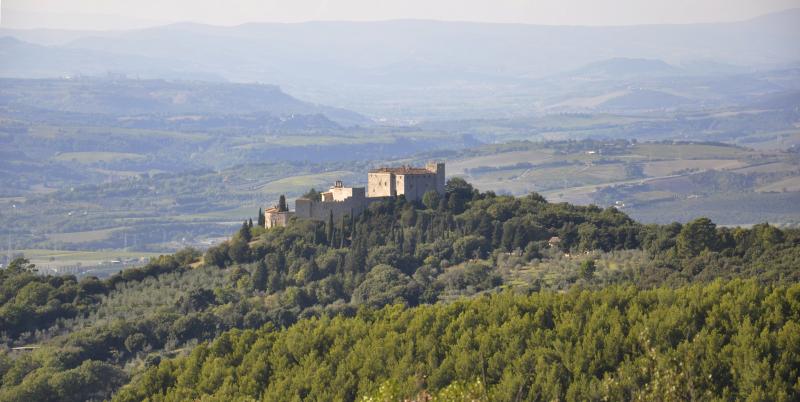
On top of a hill, almost opposite from Guardea Vecchia, is the castle of Poggiorimasto, unchanged for over a thousand years. It was probably built at the beginning of the 11th century, incorporating existing structures.
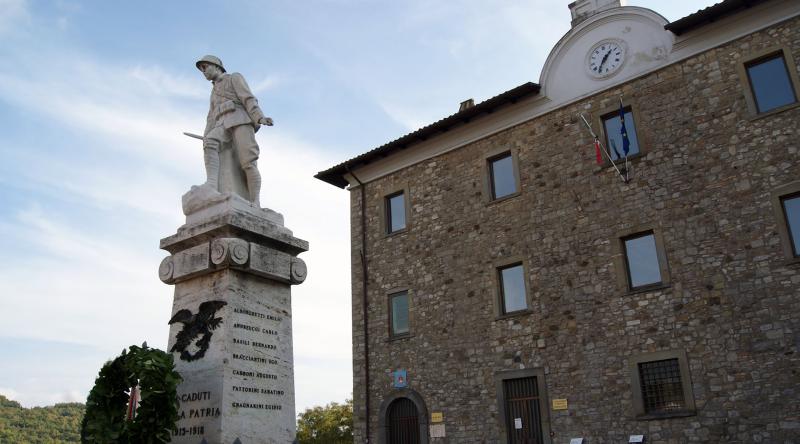
Along the south-west Umbrian border, visiting the medieval villages of Giove, Penna in Teverina and Attigliano, discovering places of the Orsini family and ancient fortified buildings that have been competed for their strategic position over the Tiber.
The origins of the Via Flaminia are ancient, built by the consul Gaius Flaminius Nepos starting from 220 BC with the aim of connecting Rome to the Adriatic and northern Italy