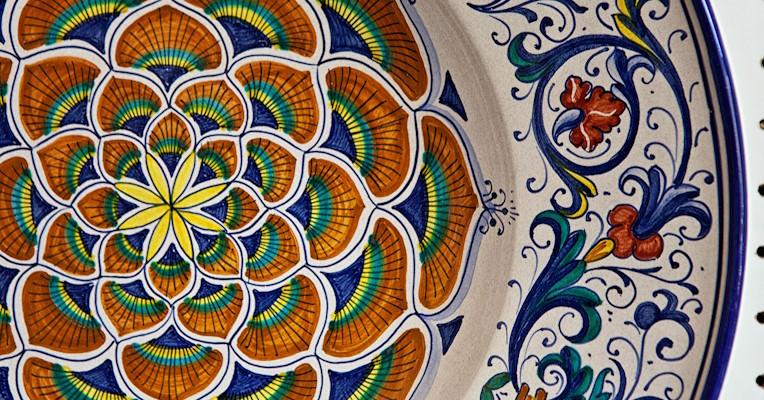
Un voyage dans les lieux et les musées où l'on peut admirer des céramiques étrusques brillantes, des céramiques médiévales archaïques, des majoliques irisées et des chefs-d'œuvre modernes.
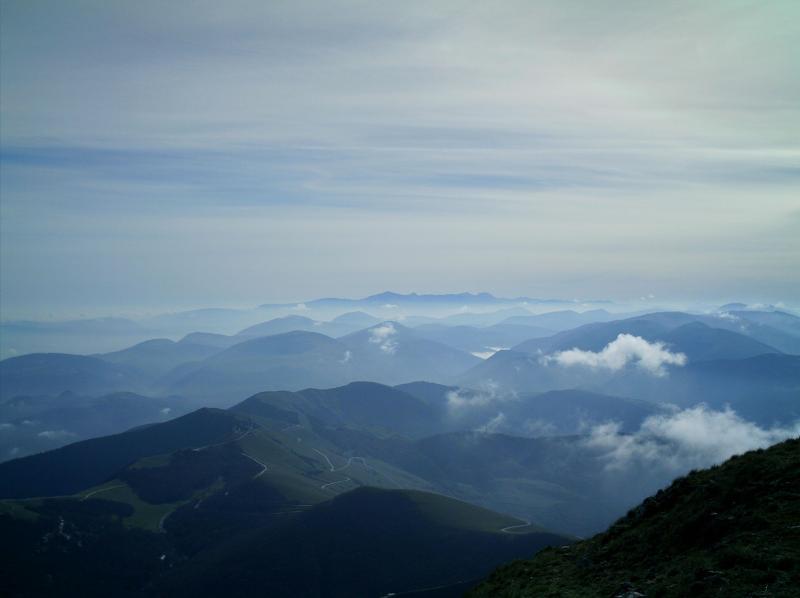
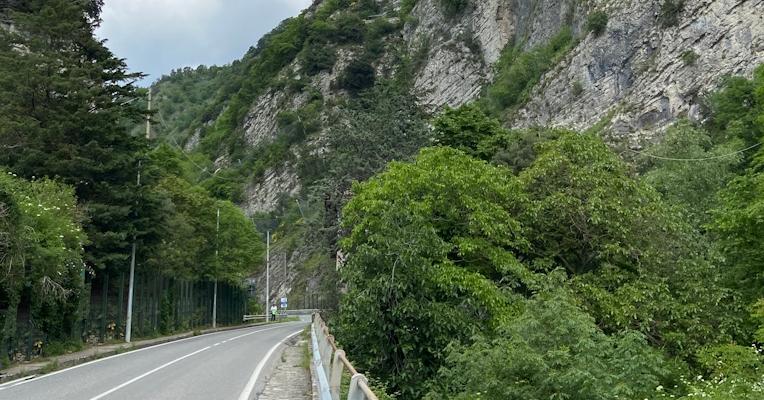
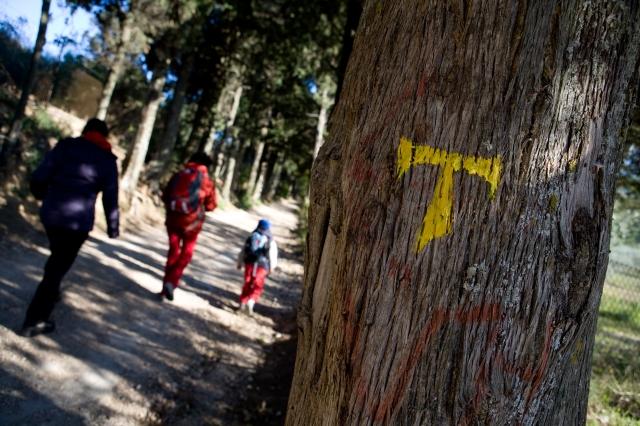
Trois itinéraires de randonnée de difficulté variable pour découvrir le parc du Monte Cucco
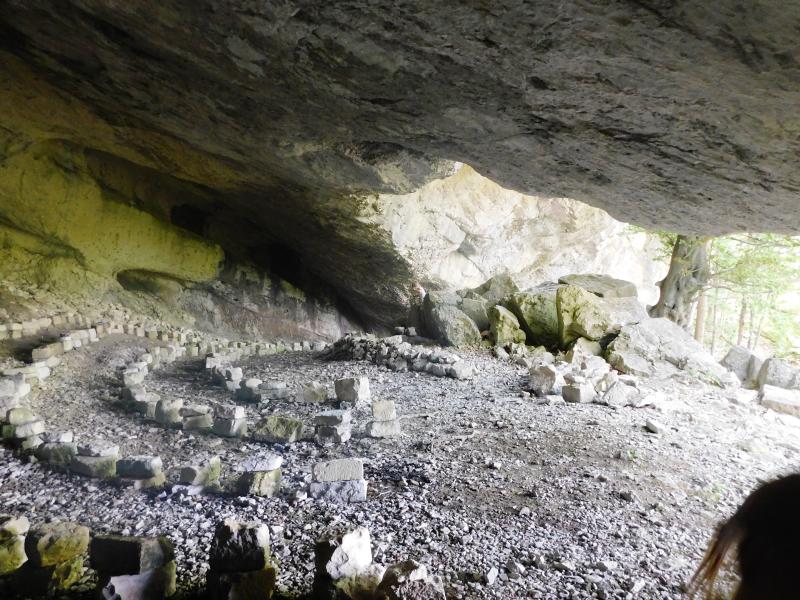
La grotte du Parc de Monte Cucco dédiée à la jeune Agnese da Costacciaro
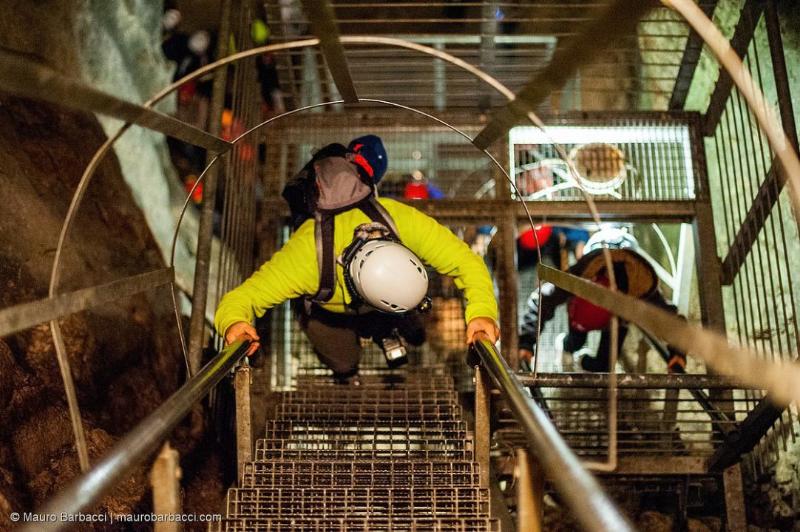
Dans les entrailles de la montagne : la Grotte de Monte Cucco
Un parcours sur les traces du cataclysme qui a tué les dinosaures
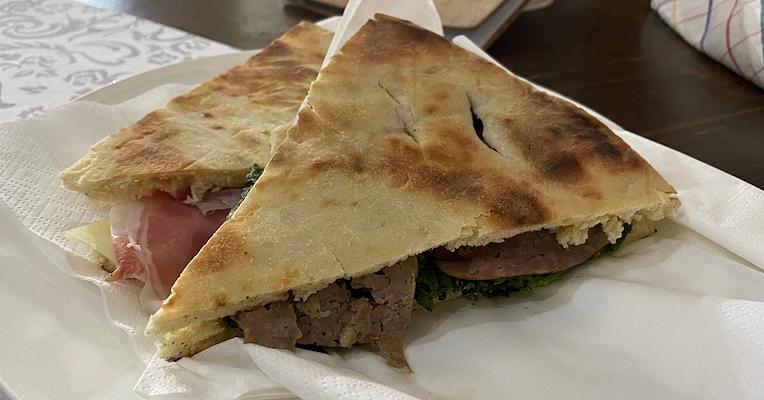
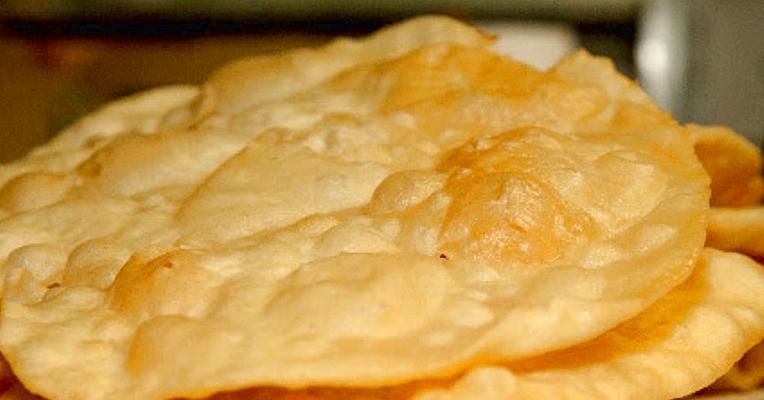
La délicieuse focaccia frite d'Eugubia.
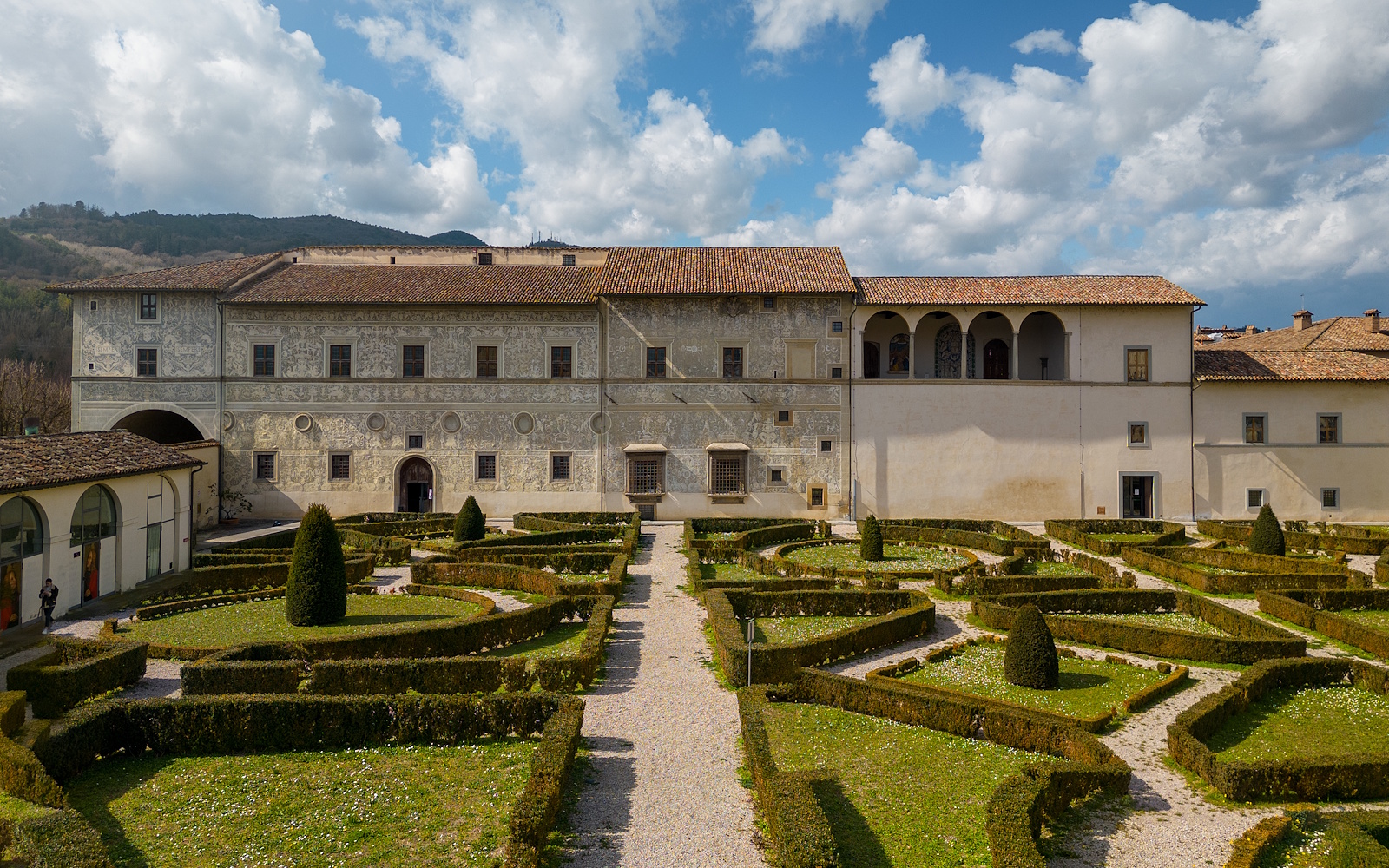
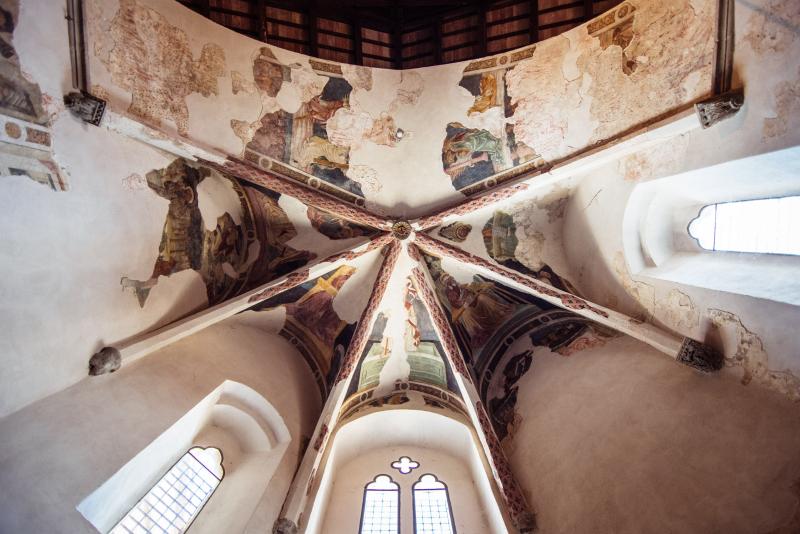
Une église, une pinacothèque et un musée en un seul complexe : San Francesco de Montone
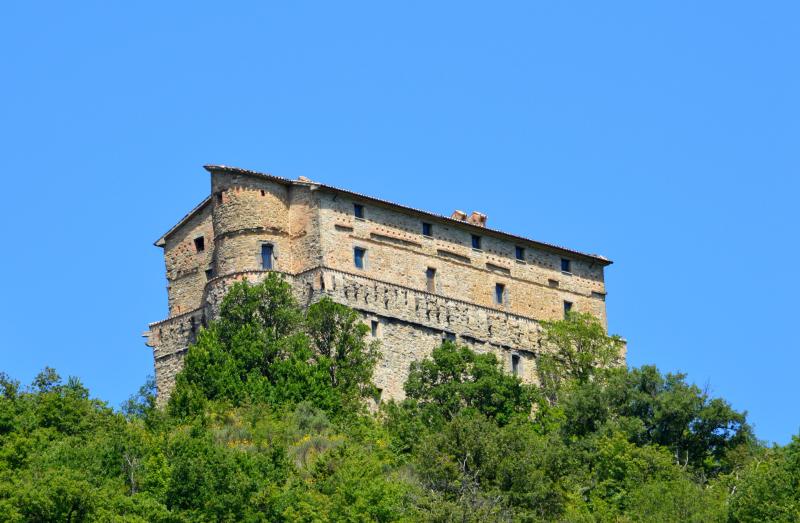
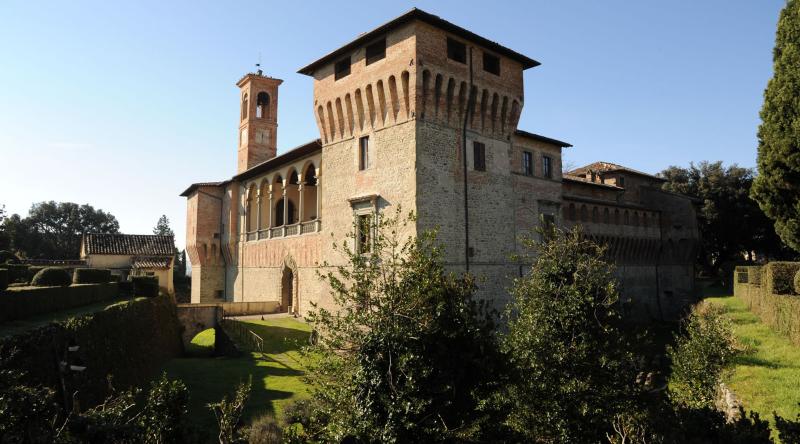
Imposante et majestueuse, entourée d’une végétation luxuriante, se dresse la Rocca di Aries (forteresse d’Aries), qui domine un vaste territoire ayant constitué autrefois une importante voie de communication entre la vallée du Tibre et l’Adriatique.
null
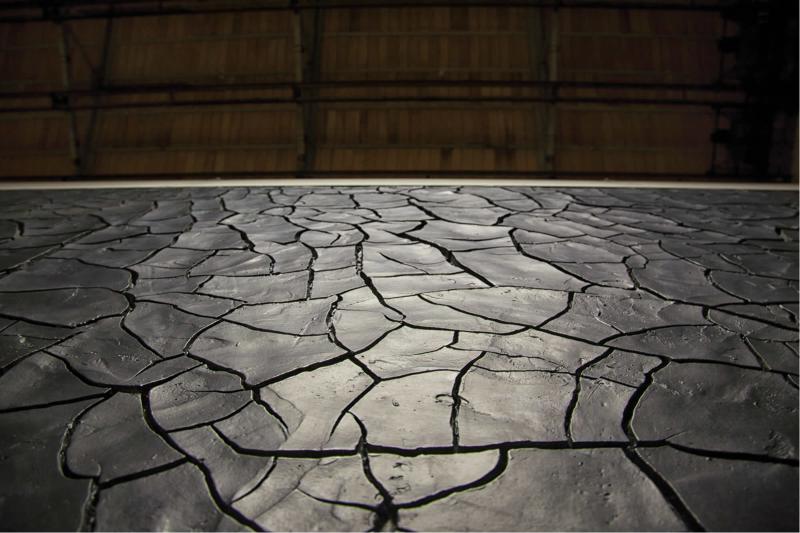
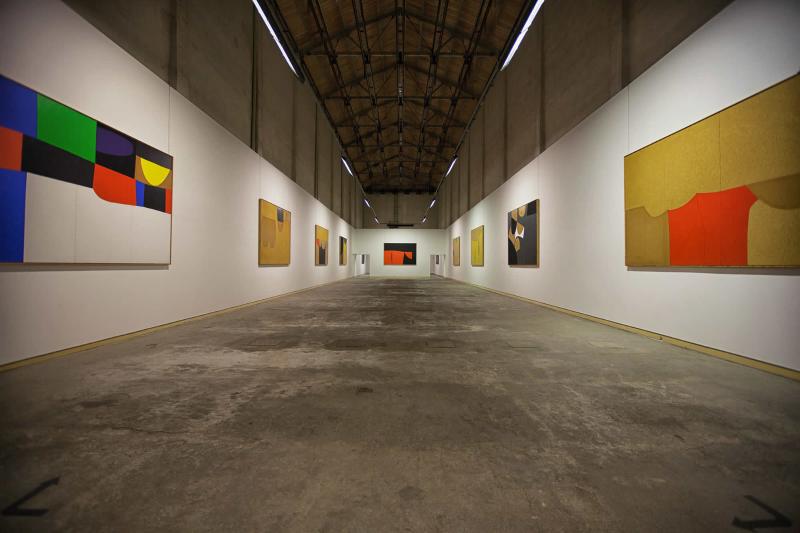
La cathédrale noire de l’art d’Alberto Burri
Le Chemin de Saint François – Chemin du Nord : les étapes ombriennes de Citerna au tombeau de Saint François à Assise.
La terre frontalière qui a échappé aux luttes entre la papauté et la République de Florence, enrichie par la culture de l’ « herbe tornabuona »
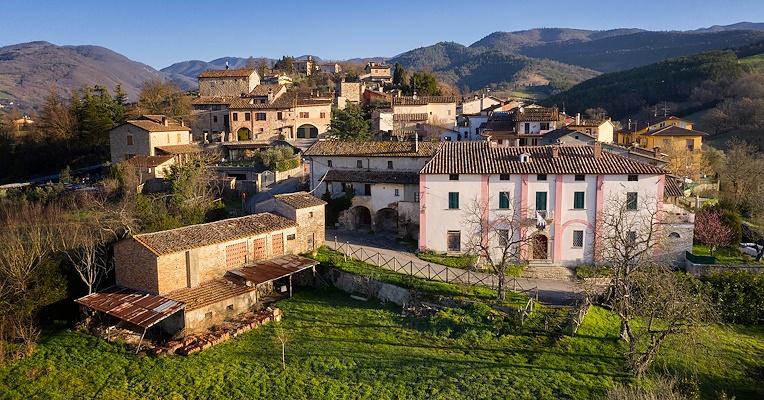
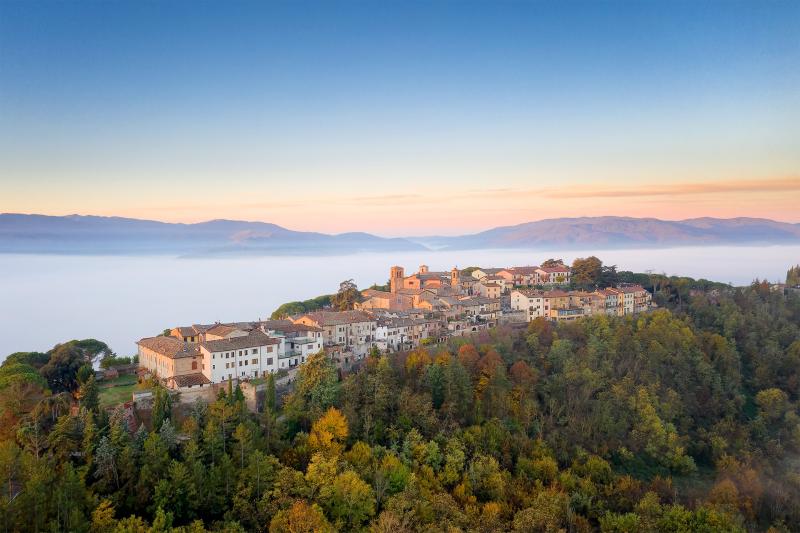
Situated in northern Umbria on the border with Tuscany, Citerna is a delightful medieval hamlet set on a hilltop between the Cerfone River Valley and the plain crossed lengthwise by the Sovara Stream. It looks down onto the Tiber Valley. According to various authors the name Citerna could come from cisterns distributed within the town walls that long ago were used to store water.
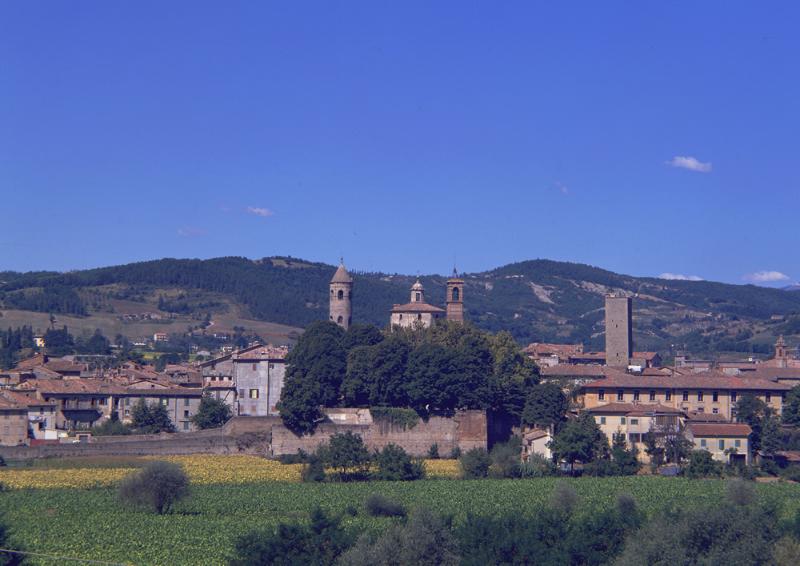
Située dans la partie nord-ouest de l’Ombrie, Città di Castello s’étend le long de la haute vallée du Tibre, à la frontière avec la Toscane. Ne manquez pas les splendides édifices de la Renaissance, la Cathédrale, l’église San Domenico et le Palais Vitelli alla Cannoniera, qui abrite la Galerie municipale. Les musées consacrés à Alberto Burri sont une étape inoubliable pour les amateurs d’art moderne.
Situated in the northeastern part of Umbria, Costacciaro is a characteristic village of ancient origin built on the top of a hill in the shadow of Mt. Cucco. The municipal territory falls with the natural protected area of Mt. Cucco Regional Park, an ideal destination for lovers of outdoor sports (hiking, cave exploring and hang-gliding).
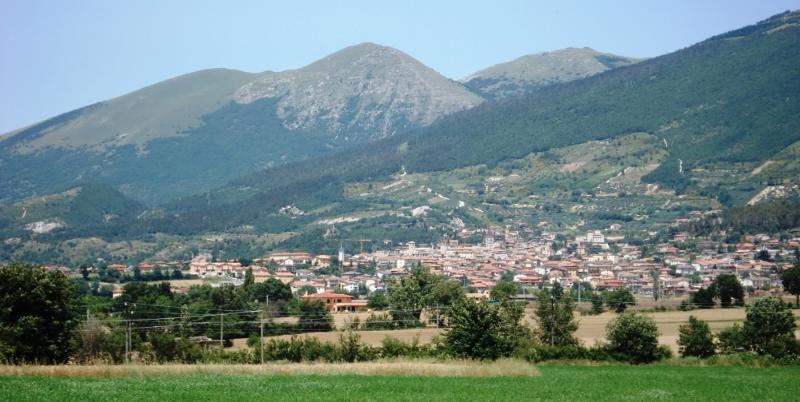
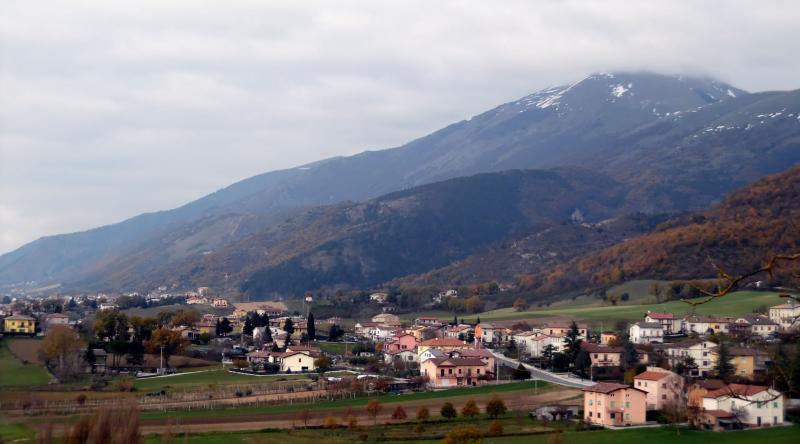
Located in northeastern part of the region at the border between Umbria and the Marche, Fossato di Vico rises at the foot of the Umbro-Marchigiano Apennines, within the natural protected area of Mt. Cucco Regional Park. The old center of town is at the top of a hill; the modern quarter is in the valley below.
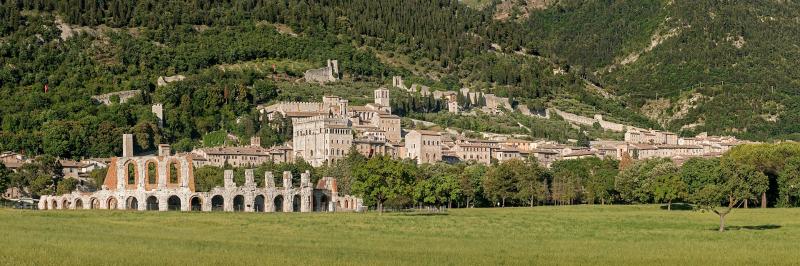
Situated in the north west of Umbria close to the Marche border, Gualdo Tadino stands on the hill named after Sant'Angelo and is dominated by the Rocca Flea fortress. The surrounding area is of great environmental value and the town is an active manufacturing centre specialising in the production of red and gold lusterware. Because of its centuries-old ceramics tradition, Gualdo Tadino is a member of the Italian Association of Ceramics Towns with its certification mark for Artistic and Traditional Ceramics.
La Ville des Cierges
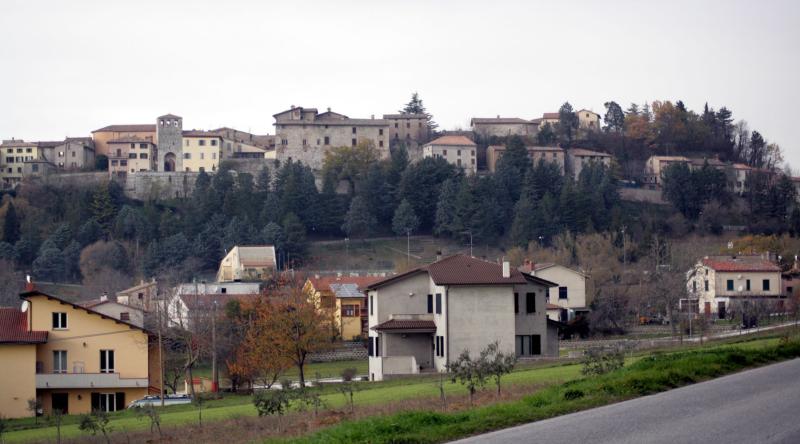
Located in northwestern Umbria on the Tuscan border, Lisciano Niccone is a small village that rises above the valley of the Niccone stream, overlooking the road that links the Tiber valley with Lake Trasimeno and the Valdichiana.
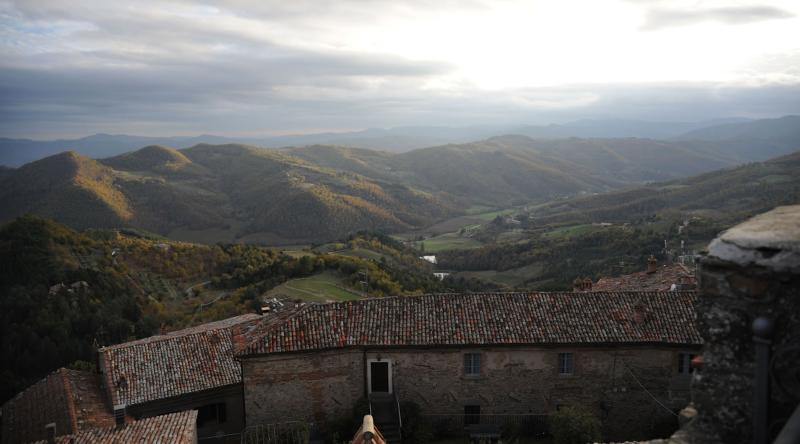
Situated in north-western Umbria near the border with Tuscany, the medieval hamlet enjoys a panoramic position looking down on to the fertile plain crossed by the Aggia stream. It also offers splendid views of of Monte Santa Maria Tiberinathe Umbrian and Tuscan Valtiberina Valley.
L’un des « Plus Beaux Villages d’Italie » et labellisé « Drapeau Orange »
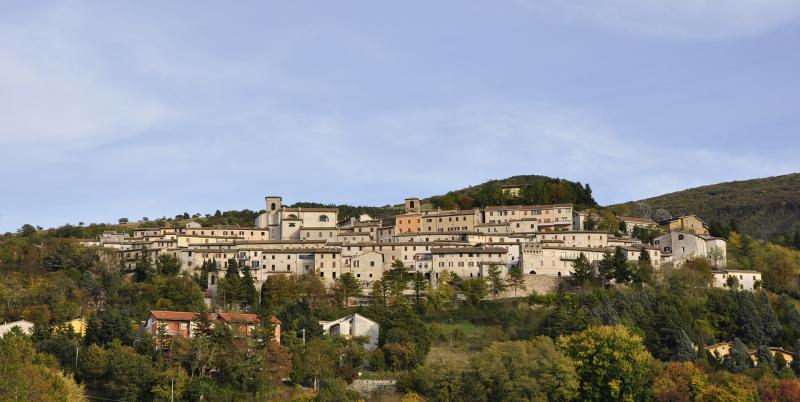
Located in the northern part of Umbria, Pietralunga is a small medieval town that sits on a hill in the northeast area of the Upper Tiber Valley. The surrounding hills, covered with tall pines, offer opportunities for a truly relaxing vacation, enchanting hikes in shady woods and a variety of outdoor sports.
Located at the northern tip of the Upper Tiber Valley in northwestern Umbria on the border with Tuscany, San Giustino, called Melisciano in ancient times, is a small, modern town with an enviable art and natural heritage. Its present-day name comes from a Roman soldier who was martyred in 303 AD, under the emperor Diocletian, for being a Christian.
In the heart of Mt. Cucco Park
Set in the north-eastern part of Umbria on the border with the Marche region, Sigillo is a small town on the slopes of Mt. Cucco.
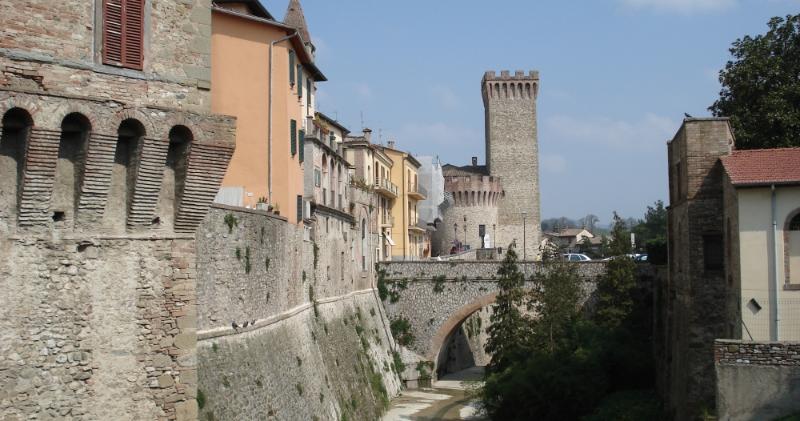
Umbertide is located in the Upper Tiber Valley in northern Umbria, in a green valley lying below Mt. Acuto made very fertile by the Tiber River, which runs through it for about 50 kilometers.
Located in northeastern Umbria, Valfabbrica is a small town of medieval origin built on the banks and along the valley of the Chiascio River. The Assisi-Gubbio Franciscan Peace Path is a favorite for pilgrimages and nature excursions: in 1207 St. Francis traveled this route after his famous renouncement of possessions, clothes and money in the piazza in Assisi.
Que veux-tu me demander?