Northern Umbria, between Tuscany and Marche
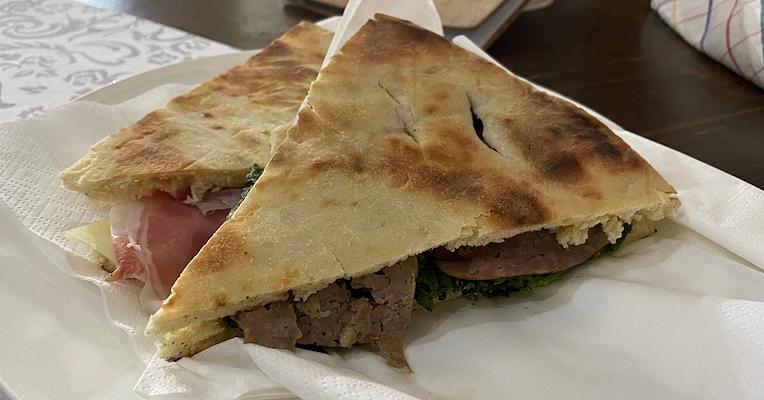
Whoever comes to Umbria cannot fail to taste torta al testo: a traditional regional dish that can be filled with cheese, sausage, vegetables... or any other ingredient that inspires one's imagination! In ancient times, the testo, also known as 'panaro', was a simple flat stone of more or less circular shape. Only in recent times has the use of an amalgam of clay and marble powder in a circular shape taken over, baked, placed on the fire and, once hot, used as a base for the traditional dough.
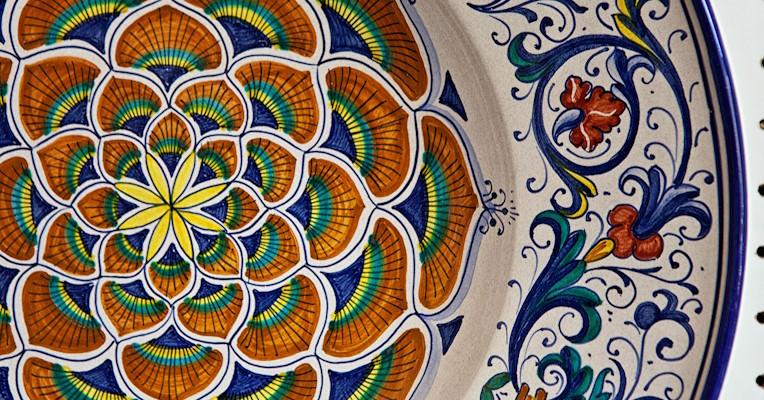
A journey through the places and museums where you can admire the shining Etruscan ceramics, the archaic medieval ceramics, the iridescent majolica, up to the modern masterpieces.
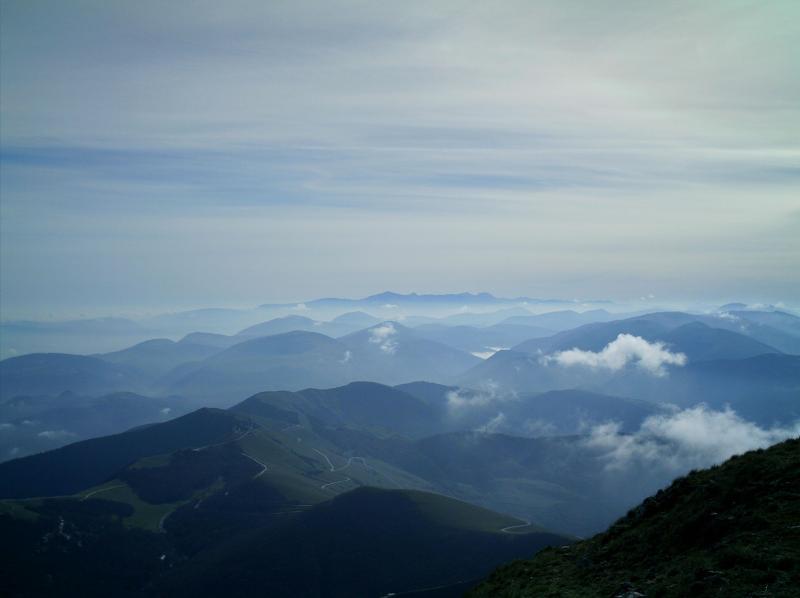
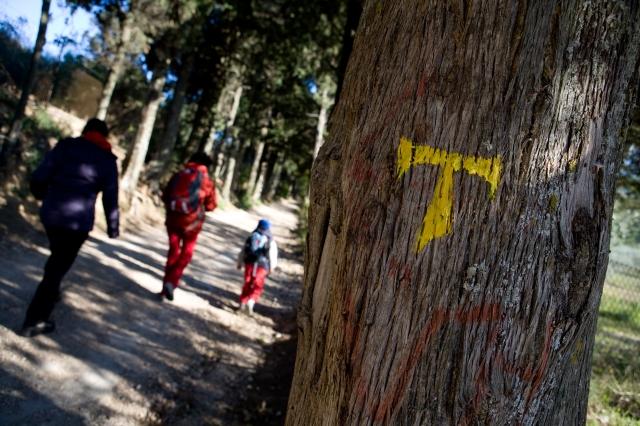
Three hiking trails of varying difficulty to discover the Mount Cucco Park
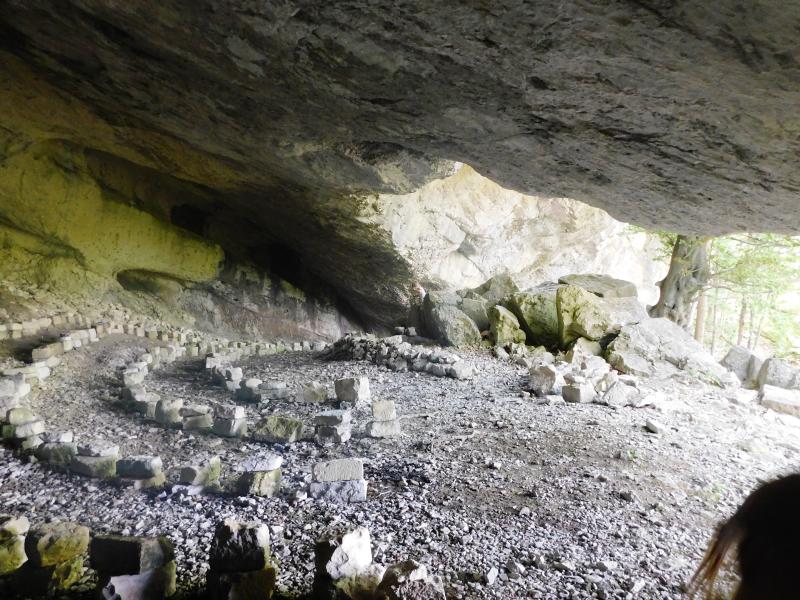
The cave in Monte Cucco Park dedicated to the young Agnese da Costacciaro
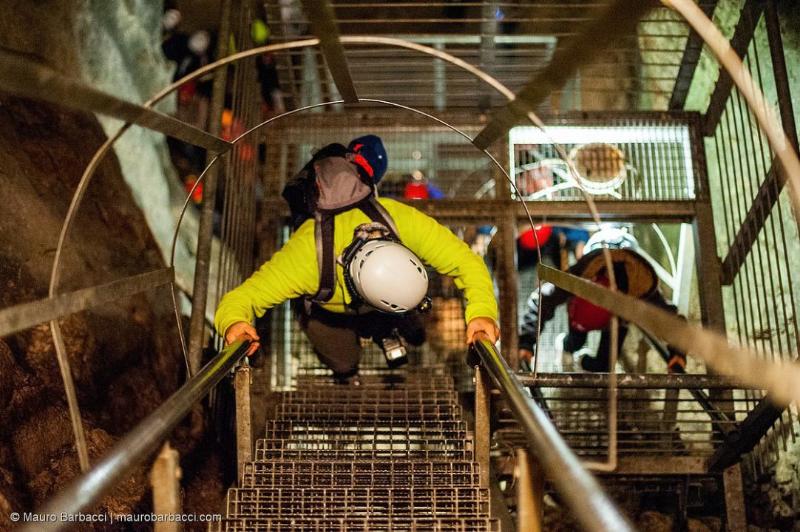
In the bowels of the mountain: The Cave of Monte Cucco
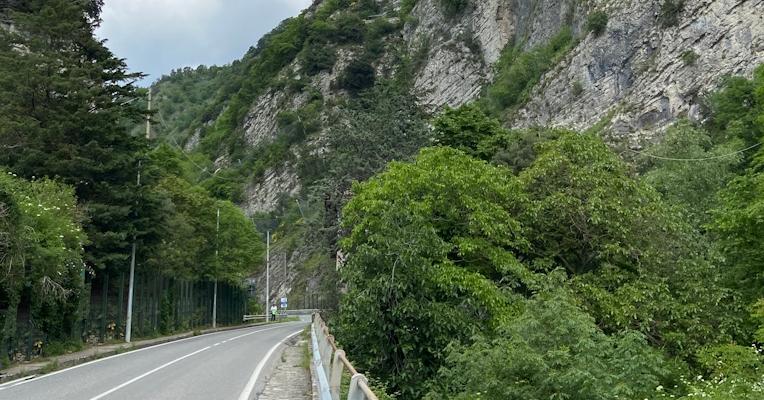
A tour among the traces of the cataclysm that killed the dinosaurs
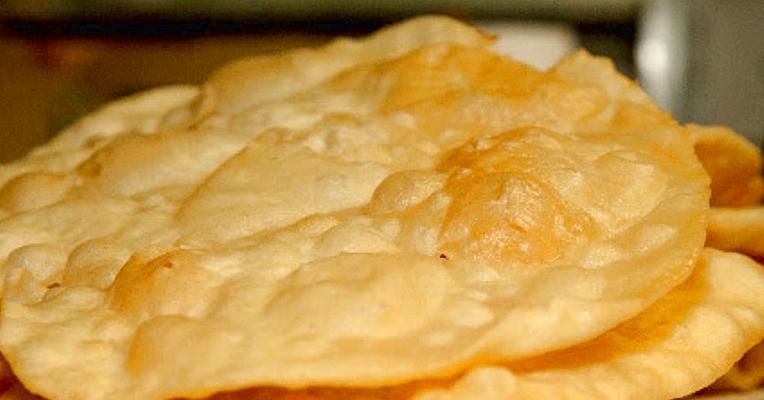
The delicious fried focaccia from Gubbio.
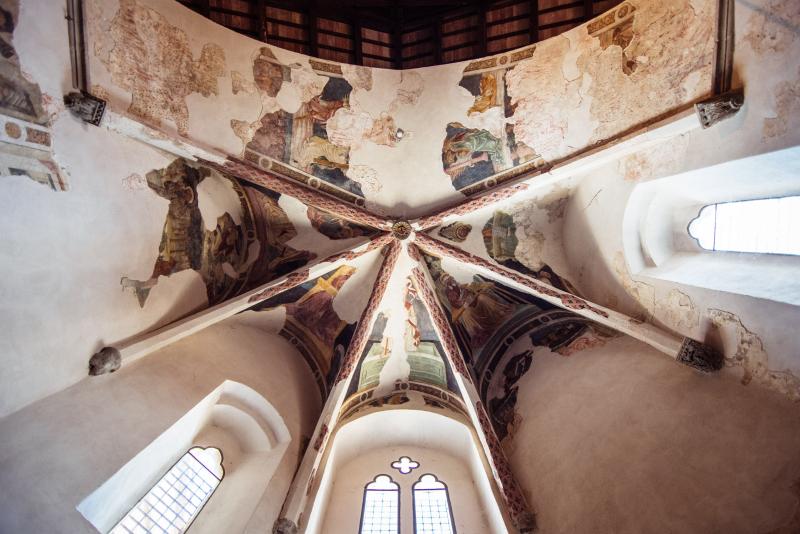
A church, a picture gallery and a museum in a single complex: San Francesco of Montone
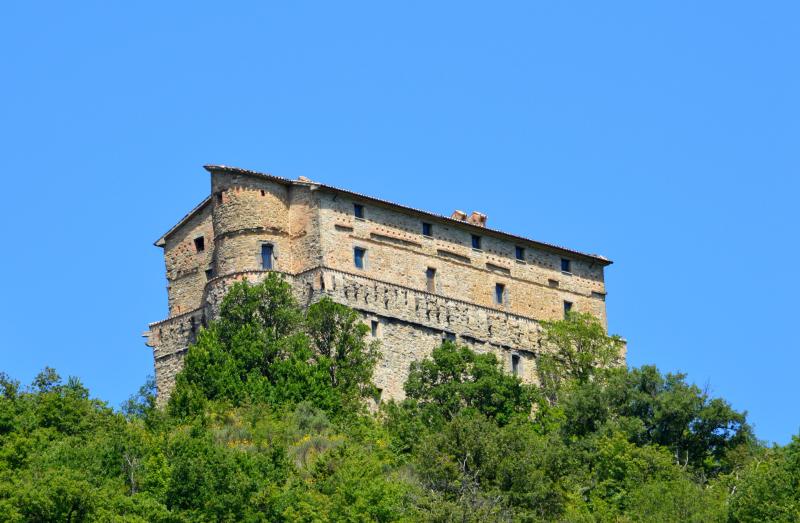
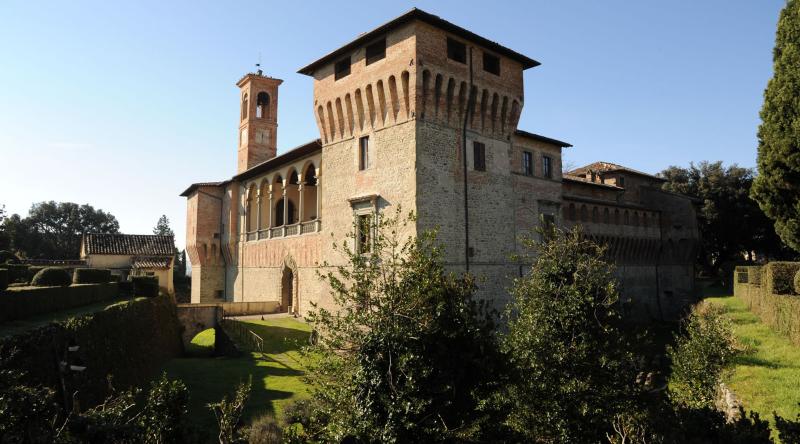
Imposing and majestic, surrounded by lush vegetation, the Rocca di Aries (fortress of Aries) rises over a vast territory that once served as an important communication route between the Tiber Valley and the Adriatic Sea.
The Northern Way of St. Francis: The Umbrian stages from Citerna to the tomb of St. Francis in Assisi.
The border land that escaped the conflicts between the Papacy and the Republic of Florence, enriched through the cultivation of “tornabuona grass”
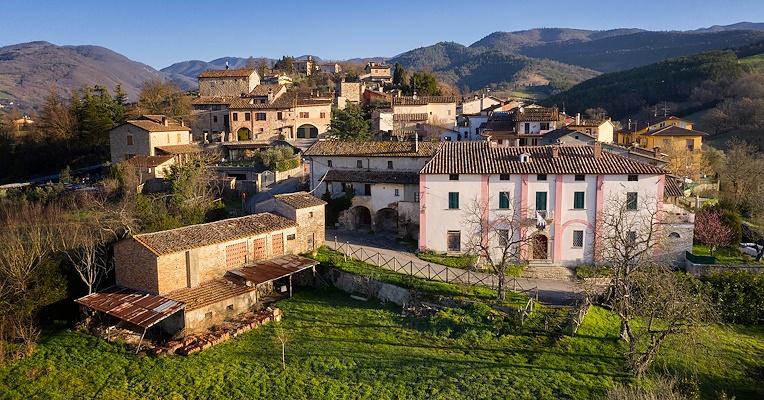
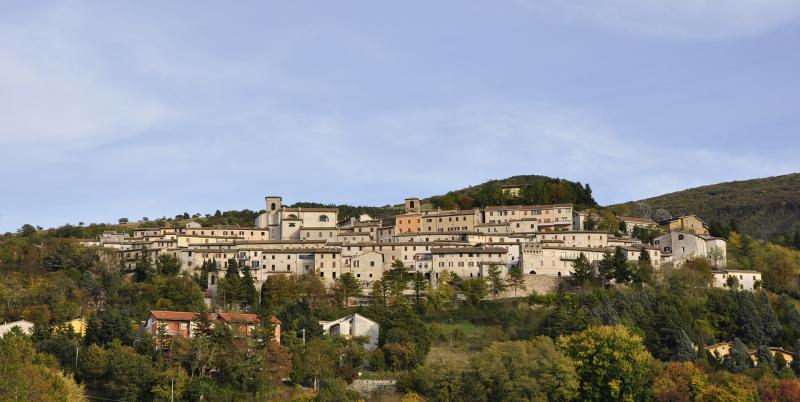
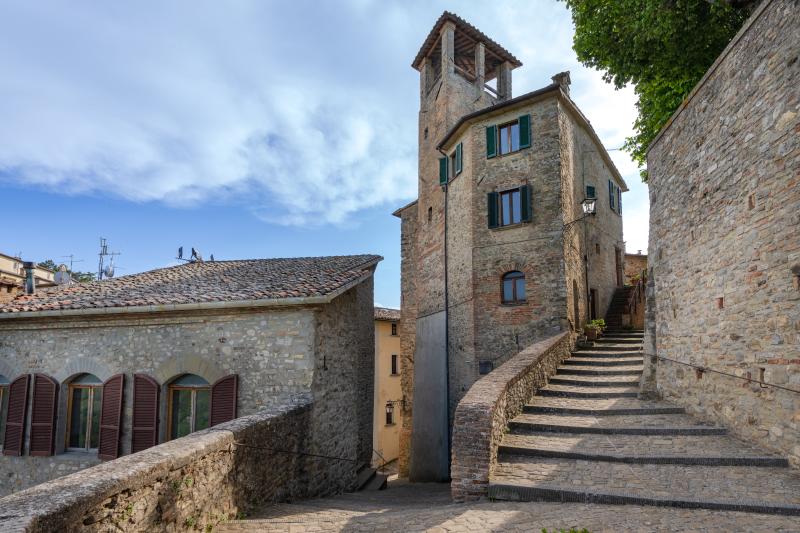
Situated in northern Umbria on the border with Tuscany, Citerna is a delightful medieval hamlet set on a hilltop between the Cerfone River Valley and the plain crossed lengthwise by the Sovara Stream. It looks down onto the Tiber Valley. According to various authors the name Citerna could come from cisterns distributed within the town walls that long ago were used to store water.
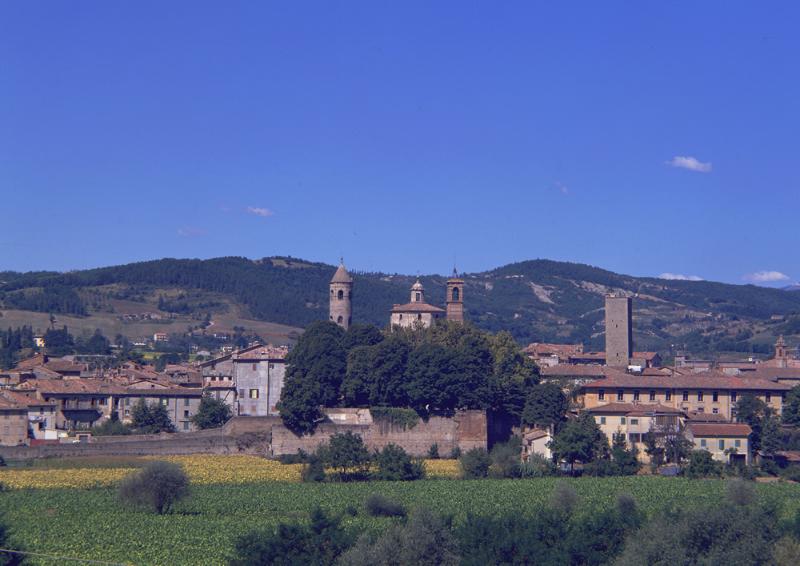
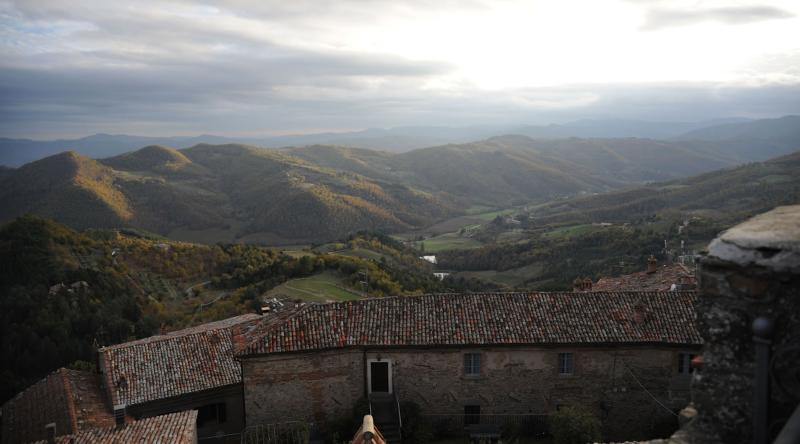
Located in the northwestern part of Umbria, Città di Castello stretches along the Upper Tiber Valley, near the border with Tuscany.
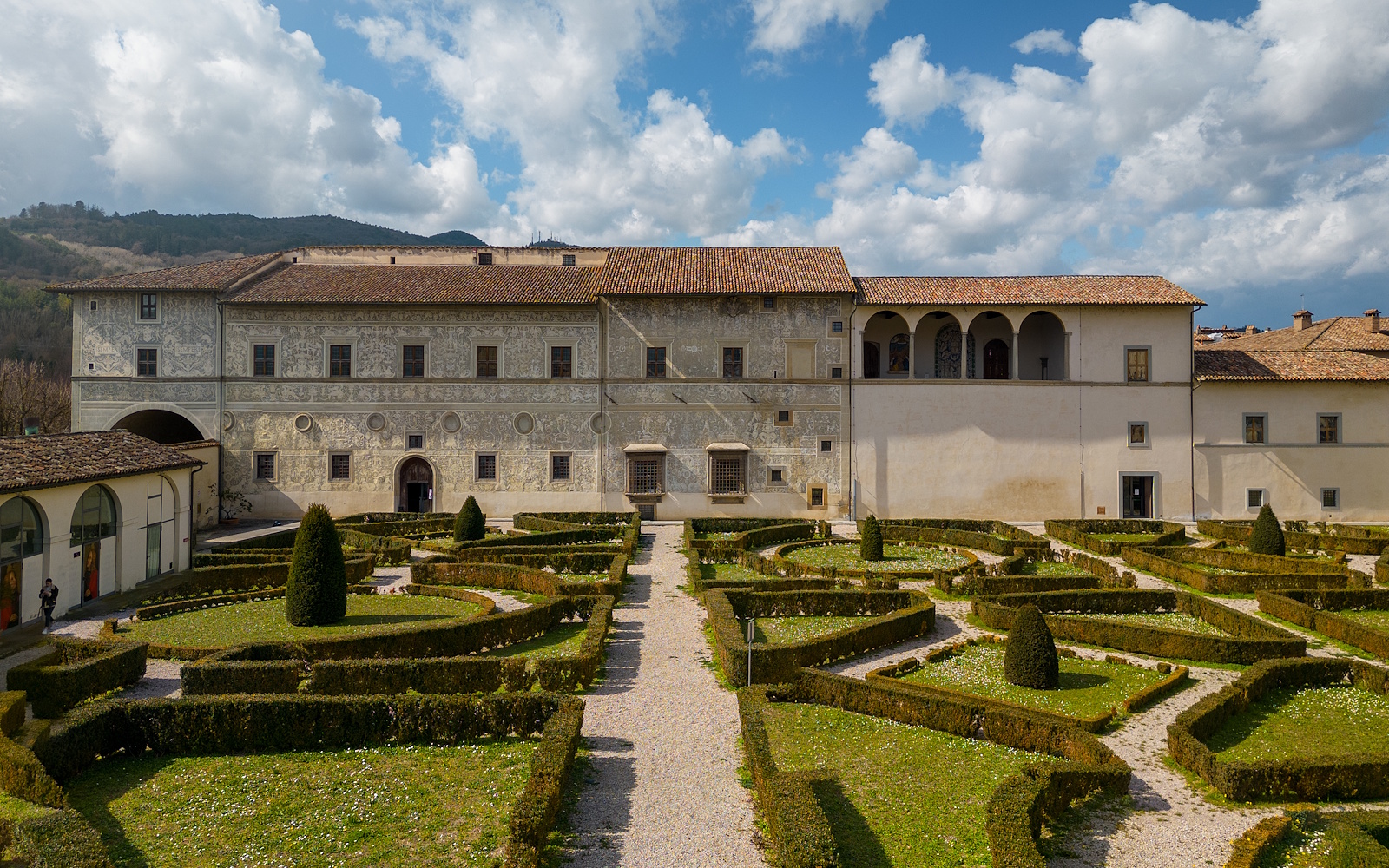
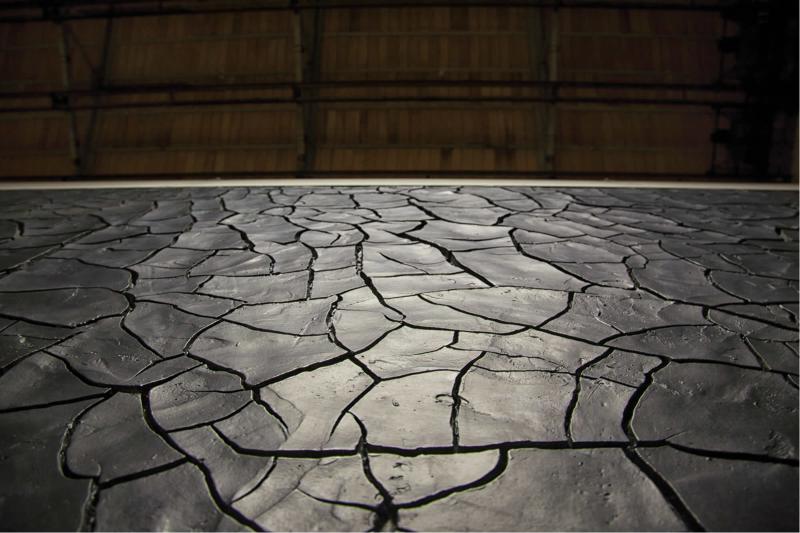
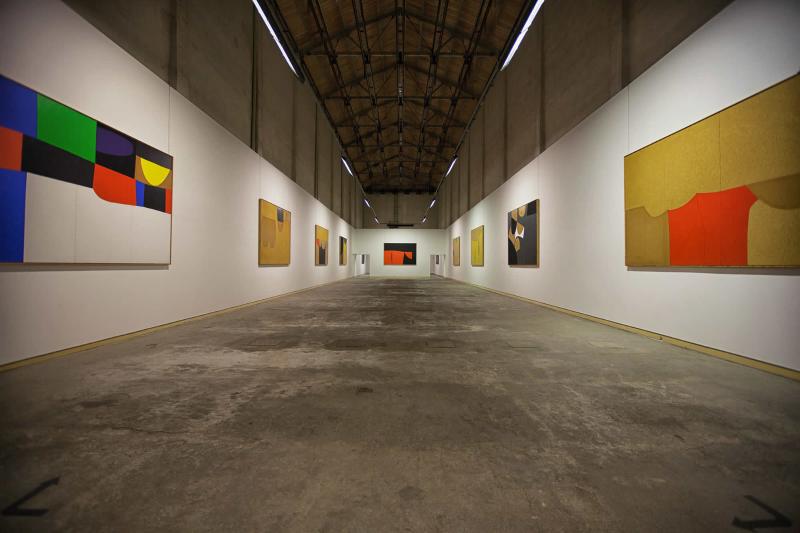
Don’t miss the splendid Renaissance buildings, the Cathedral, the Church of San Domenico, and the Palazzo Vitelli alla Cannoniera, home to the Municipal Art Gallery. The museums dedicated to Alberto Burri are an unforgettable stop for modern art lovers.
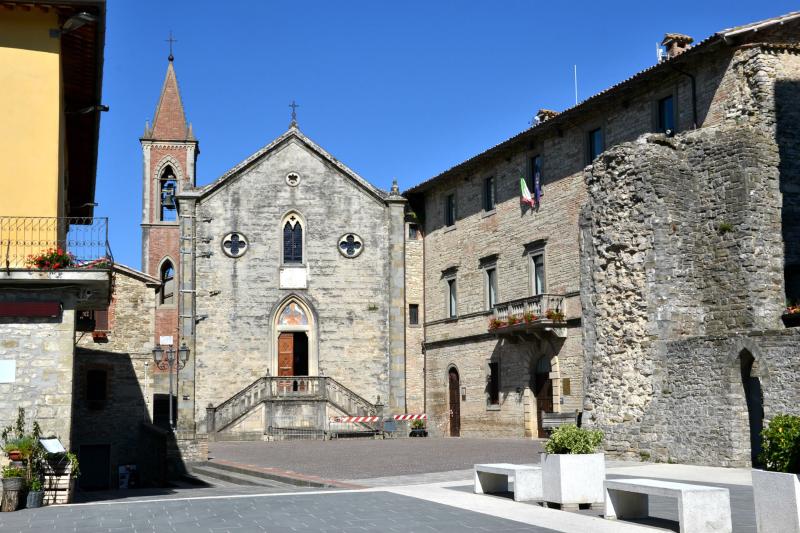
Situated in the northeastern part of Umbria, Costacciaro is a characteristic village of ancient origin built on the top of a hill in the shadow of Mt. Cucco. The municipal territory falls with the natural protected area of Mt. Cucco Regional Park, an ideal destination for lovers of outdoor sports (hiking, cave exploring and hang-gliding).
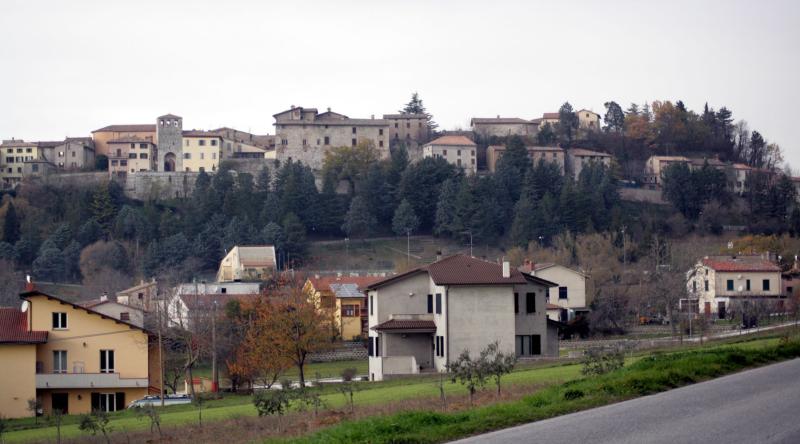
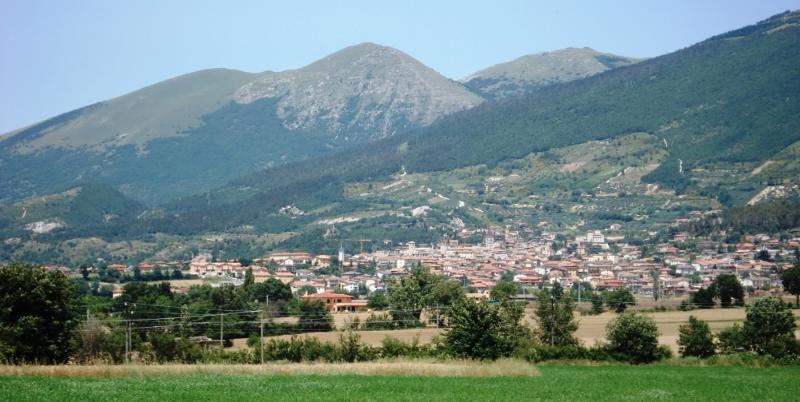
Located in northeastern part of the region at the border between Umbria and the Marche, Fossato di Vico rises at the foot of the Umbro-Marchigiano Apennines, within the natural protected area of Mt. Cucco Regional Park. The old center of town is at the top of a hill; the modern quarter is in the valley below.
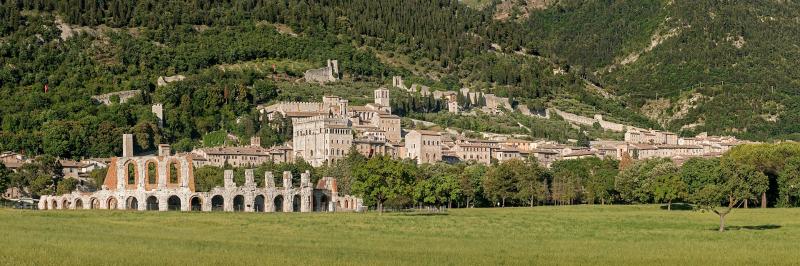
Situated in the north west of Umbria close to the Marche border, Gualdo Tadino stands on the hill named after Sant'Angelo and is dominated by the Rocca Flea fortress. The surrounding area is of great environmental value and the town is an active manufacturing centre specialising in the production of red and gold lusterware. Because of its centuries-old ceramics tradition, Gualdo Tadino is a member of the Italian Association of Ceramics Towns with its certification mark for Artistic and Traditional Ceramics.
Located in northwestern Umbria on the Tuscan border, Lisciano Niccone is a small village that rises above the valley of the Niccone stream, overlooking the road that links the Tiber valley with Lake Trasimeno and the Valdichiana.
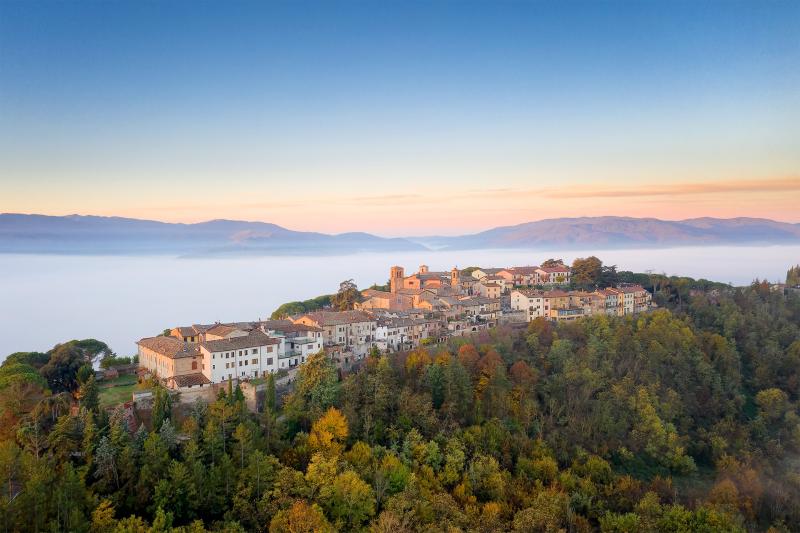
Situated in north-western Umbria near the border with Tuscany, the medieval hamlet of Monte Santa Maria Tiberina enjoys a panoramic position looking down on to the fertile plain crossed by the Aggia stream. It also offers splendid views of the Umbrian and Tuscan Valtiberina Valley.
From ancient historical traces to the Candeleto Oasis
Located at the northern tip of the Upper Tiber Valley in northwestern Umbria on the border with Tuscany, San Giustino, called Melisciano in ancient times, is a small, modern town with an enviable art and natural heritage. Its present-day name comes from a Roman soldier who was martyred in 303 AD, under the emperor Diocletian, for being a Christian.
In the heart of Mt. Cucco Park
Located in northeastern Umbria, Valfabbrica is a small town of medieval origin built on the banks and along the valley of the Chiascio River. The Assisi-Gubbio Franciscan Peace Path is a favorite for pilgrimages and nature excursions: in 1207 St. Francis traveled this route after his famous renouncement of possessions, clothes and money in the piazza in Assisi.