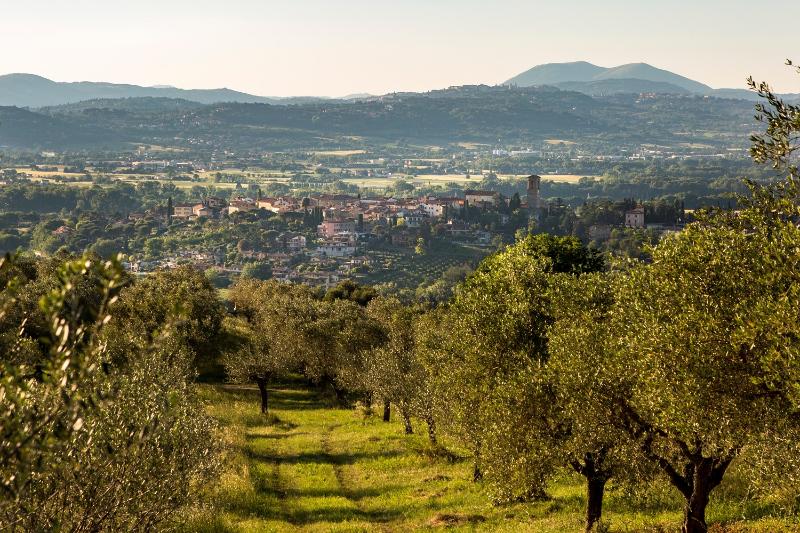
Middle Tiber Valley: an ode to slowness
The thousand-year-old town that belongs to the whole world
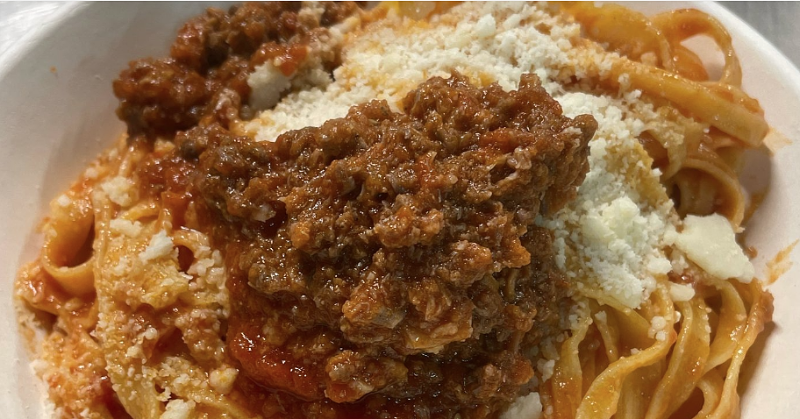
How to prepare this traditional dish from Todi. An absolute must for winter evenings with your family and friends.
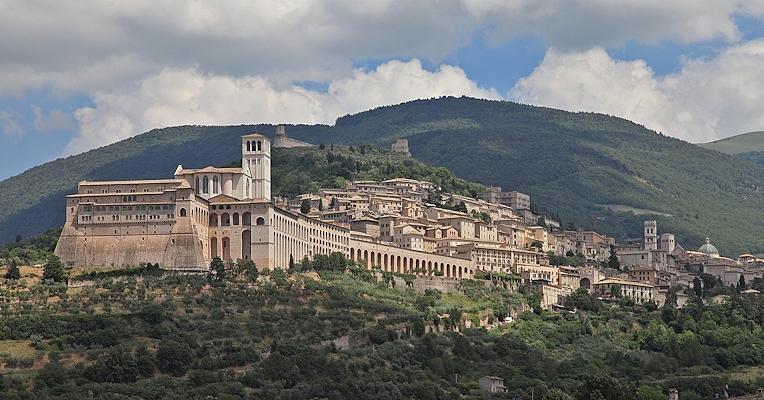
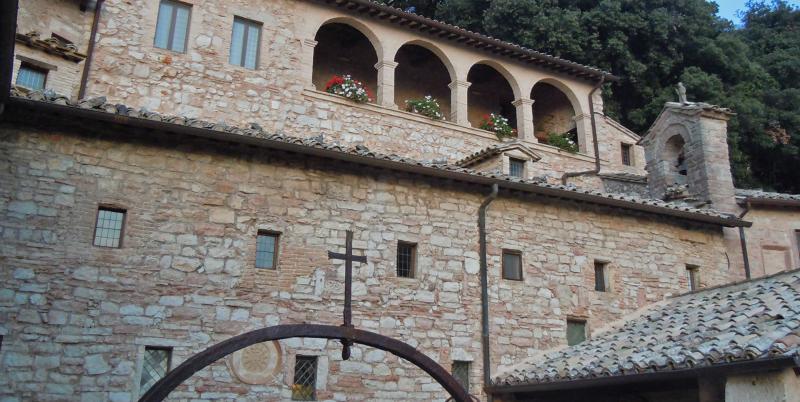
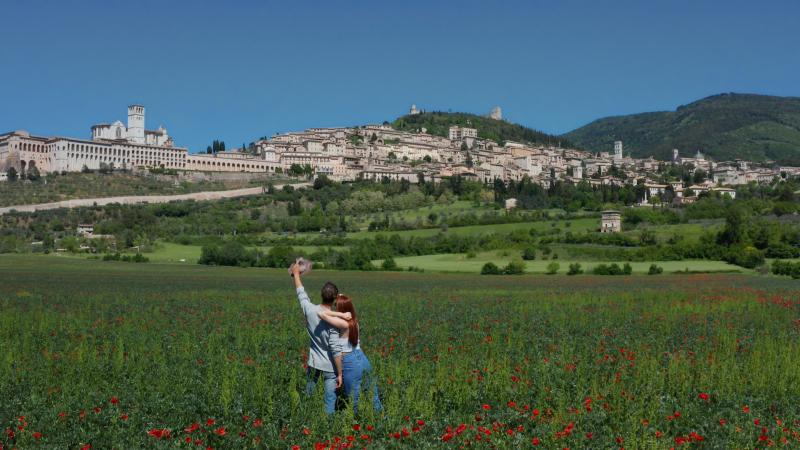
One of the most significant places of the Franciscan experience, on the slopes of Mount Subasio.
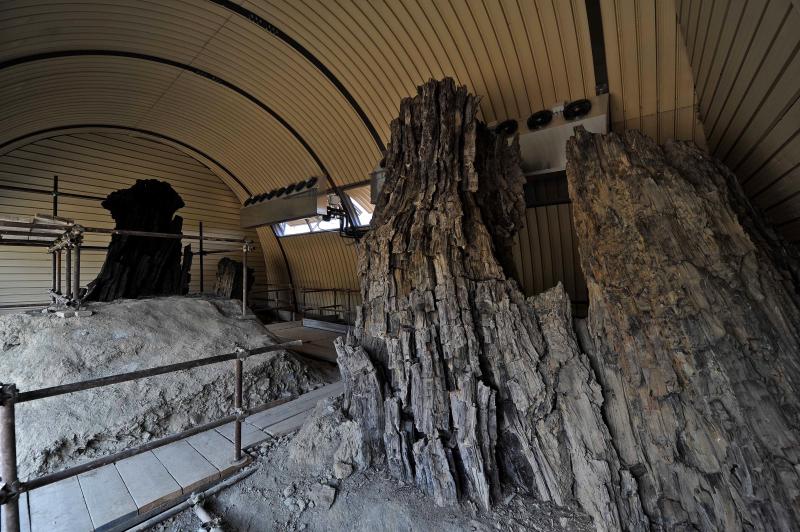
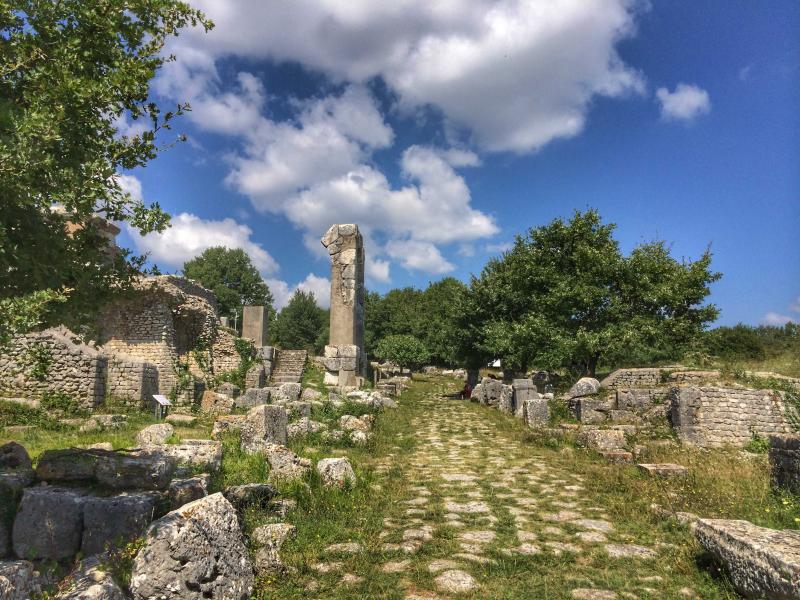
The giant conifers swallowed by the prehistoric swamp.

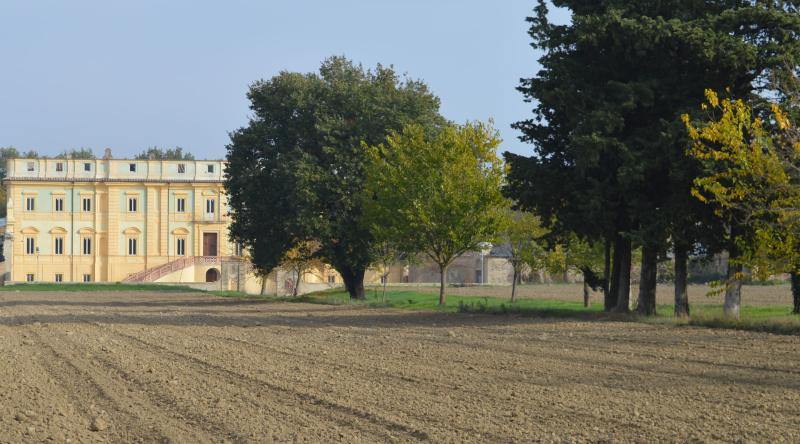
A villa on the plain, set between the Spoleto Valley and the Tiber Valley
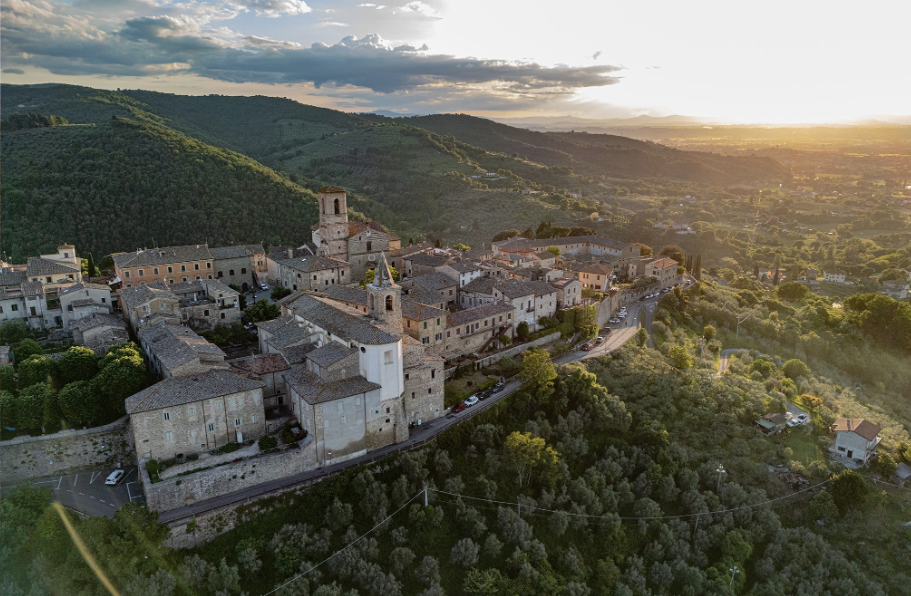
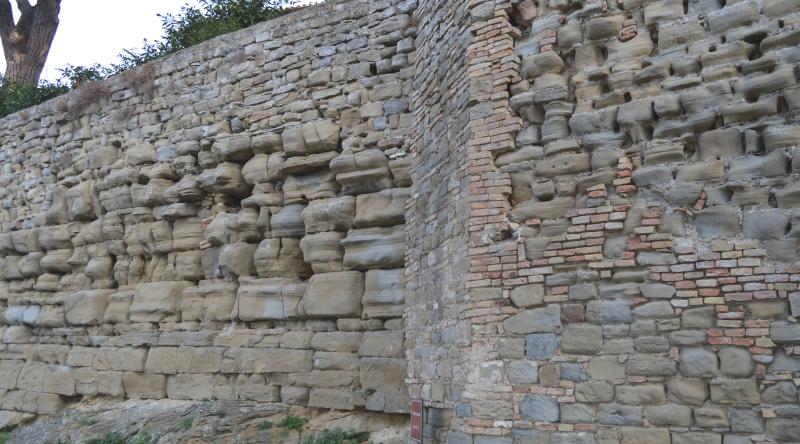
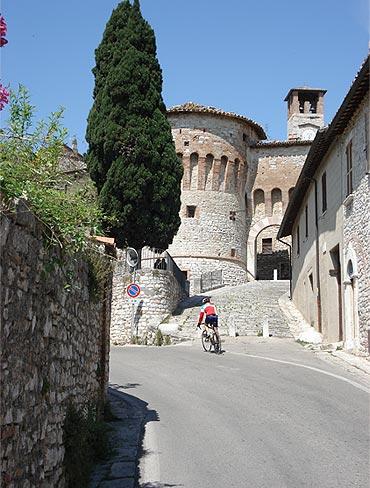
An embrace of walls that enclose and protect
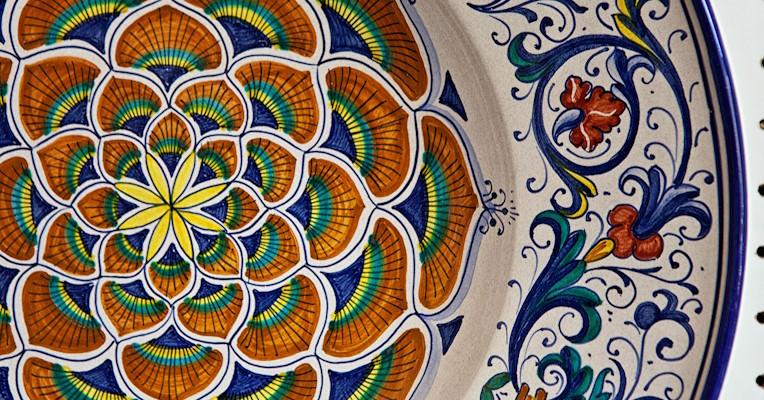
A journey through the places and museums where you can admire the shining Etruscan ceramics, the archaic medieval ceramics, the iridescent majolica, up to the modern masterpieces.
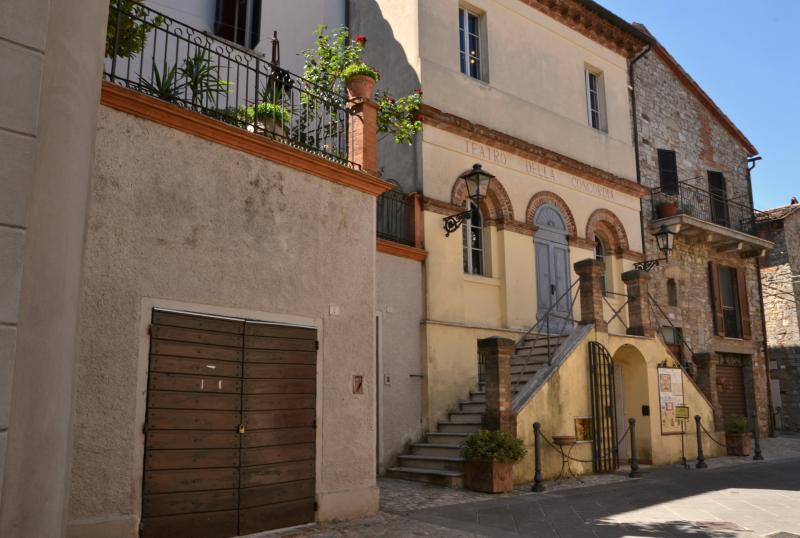
The Concordia Theatre is located in the heart of the historic centre of Monte Castello di Vibio, a small town on a hilltop on the right side of the Tiber Valley, not far from Todi.
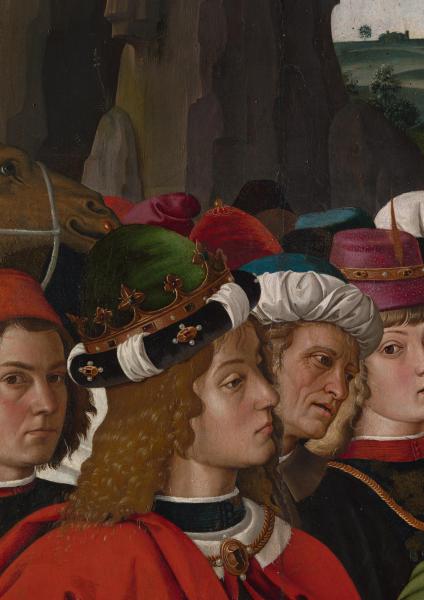
One of Italy's most important museums
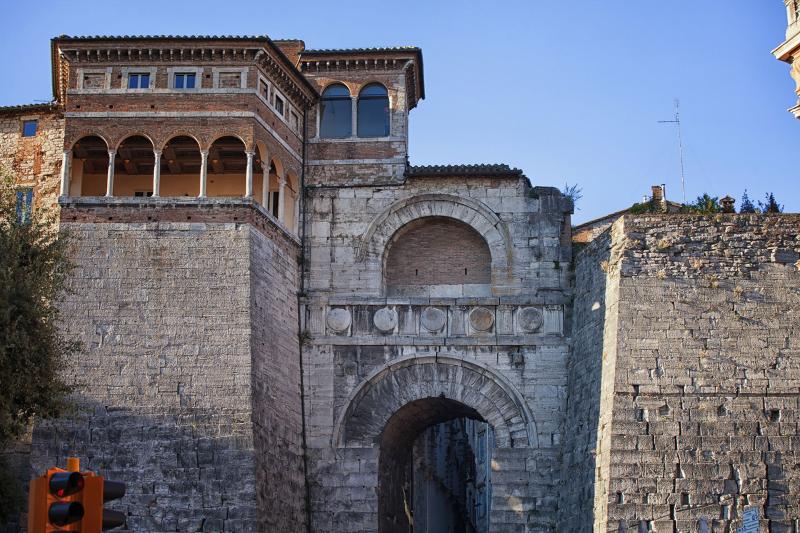
Urban trekking on the places of the founders of Perugia, the Etruscan Phersna

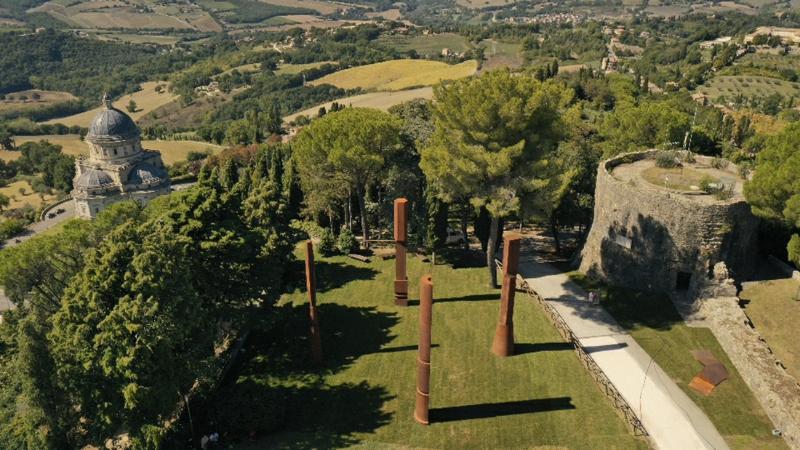
The Beverly Pepper Park in Todi is the first contemporary sculpture theme park in the Umbria region and the first one designed by the great american artist in the world.
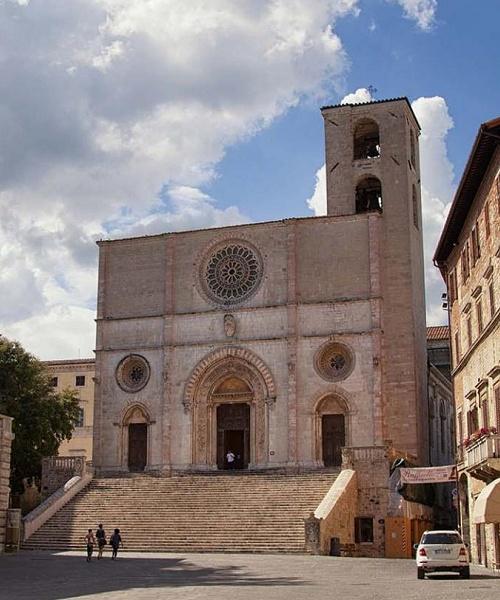
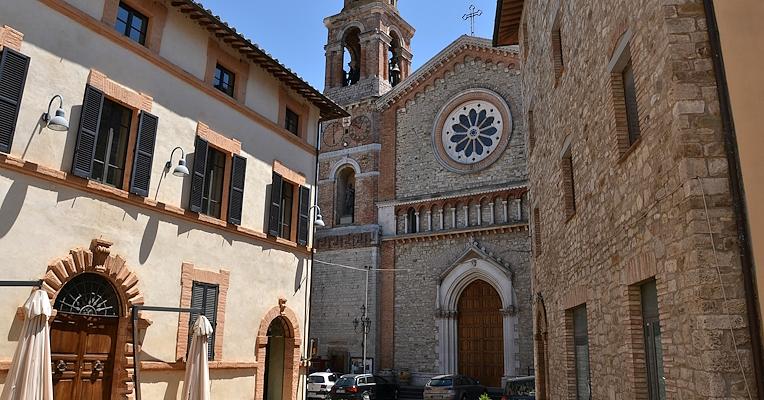
Todi Cathedral is dedicated to Mary SS. Annunziata. It was begun in the 12th century, continued in the 13th but completed only in the 14th century.
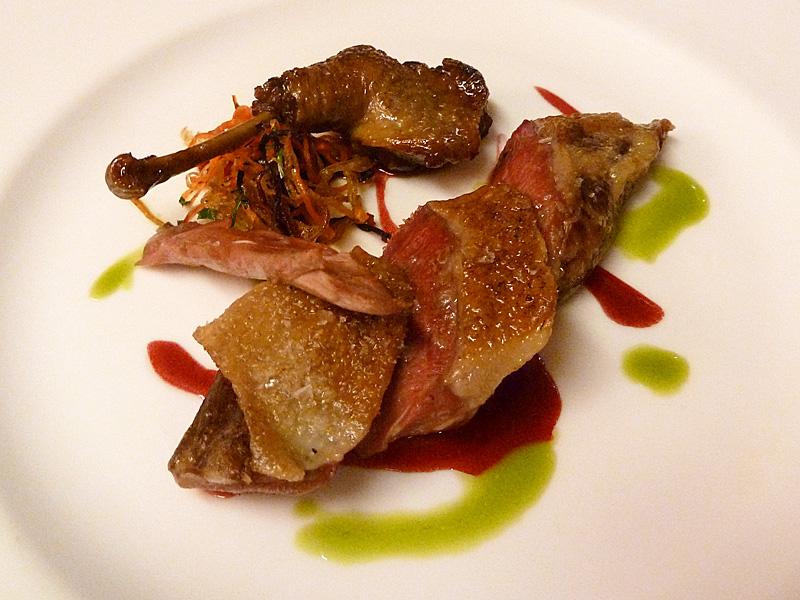
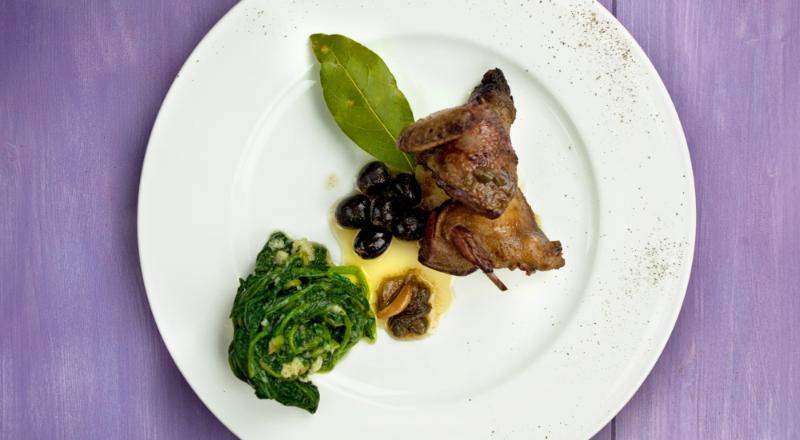
Historically, the pigeon is one of the birds most commonly-used in traditional Italian cooking. It was popular even in medieval times, when each castle had its own pigeon coop. Pigeon meat has always been considered a delicacy and was even used as a commodity in bartering. Today, pigeon meat is consumed far less often, although in recent years it has become a popular addition to the menus of top restaurants.
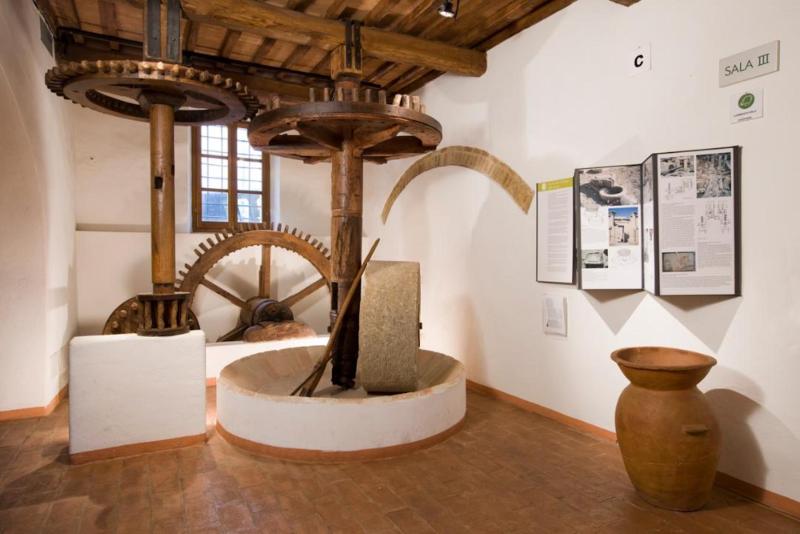
The Museo dell'Olivo e dell'Olio - MOO - is in the village of Torgiano, a renowned centre of wine production between Perugia and Assisi.
A signature dish of Umbrian tradition, rich in flavour and authenticity
Easy route that runs through green landscapes and has as its landmark the small medieval village of Corciano, which has a panoramic view that will leave you speechless.
Day Three: The Mural Painting Itinerary in Marsciano
A relaxing day in a lesser-known but very picturesque area of Umbria, ideal to discover by bicycle
Located in southern Umbria, Acquasparta is a medieval village nestled at the foot of a hill, from which it overlooks the valley of the Naia, a tributary of the Tiber. One of the greenest parts of Umbria, this area was already known in Roman times for the curative properties of its waters, which come from the Amerino and Furapane springs.
Avigliano Umbro is a small town located on the ancient Via Amerina between Todi and Amelia, at the heart of a luxuriant, cultivated hill area. It is the youngest commune in Umbria: in fact, it did not become a municipality until 1975, when its territory was separated from that of Montecastrilli. The municipal territory, which falls within the area of the Croce di Serra Mountain Community, is characterized by hills and mountains rising in the southwestern part of Umbria, between Sangemini and Lake Alviano.
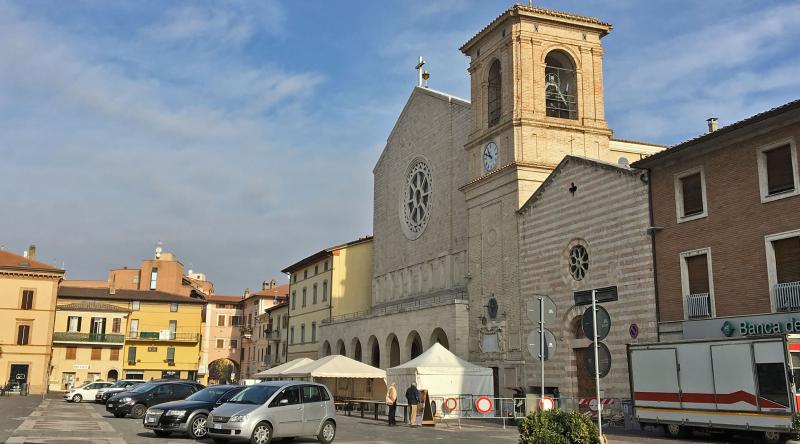
Located in the centre of Umbria, Bastia Umbra is a modern town on the plain carved by the Chiascio River, today a fertile plain where, in the 6th century CE, there was most likely a dry lake bed.
Situated in central Umbria midway between Perugia and Todi, Collazzone is a medieval hamlet standing on a hill covered in oak woods and olive trees, looking down on to the Tiber River Valley.
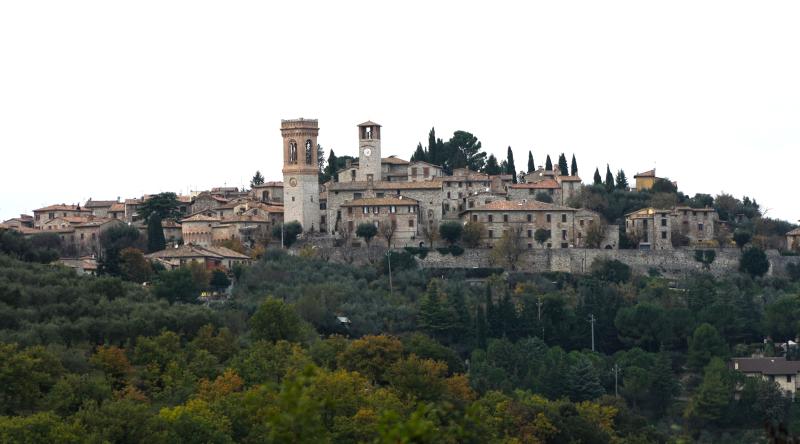
Located in the north-eastern part of Umbria, Corciano is a characteristic medieval town that sits on a hill west of Perugia, which is just 12 km away.
Its natural setting, rich with vegetation, is dominated by Monte Malbe, on which the Colle della Trinità rises.
Because of its environmental, cultural and artistic heritage, it is a member of the Most Beautiful Villages in Italy club.
Located in central Umbria, Fratta Todina is a village set on a small hill with a beautiful view of the Middle Tiber Valley. Situated on the right side of the Tiber, the village spreads down into an area that is mostly flat and very fertile.
Set in the heart of Umbria, Marsciano is located on a wide plain crossed by the Tiber and its tributary, the Nestore River.
The area of Marsciano is a perfect example of the typical Umbrian landscape: there are fertile fields and gently rolling hills dotted with villages steeped in history and witness to a variety of cultures and styles.
Massa Martana is built on the slopes at the foot of the Martani mountains, in central-southern Umbria. Surrounded by a pristine environment, the area offers many opportunities for tourists, with the Martani Trekking nature paths and the San Faustino spa.
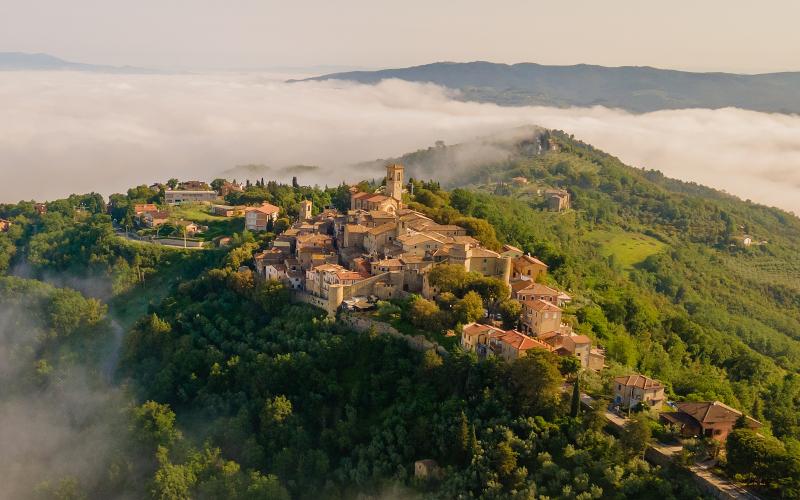
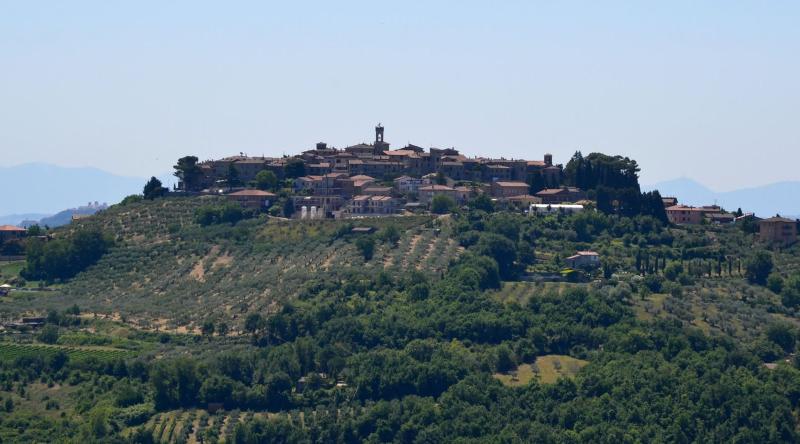
Located in the south-eastern part of Umbria, Monte Castello di Vibio is a characteristic medieval village set on a hilltop that looks out over the Tiber Valley, with views of incomparable beauty.
It has been nicknamed "Paradise Lost" for its gorgeous location.
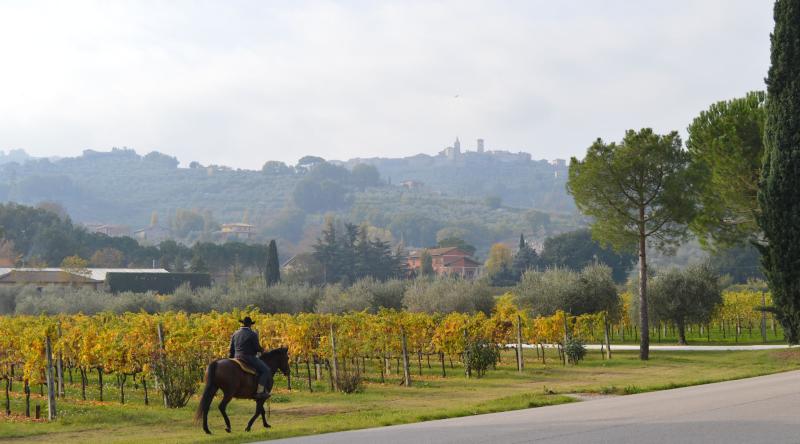
Located in the heart of Umbria, Torgiano is an old fortified medieval village that developed where the Chiascio River meets the Tiber, amid sinuous hills carpeted with vineyards and olive groves.