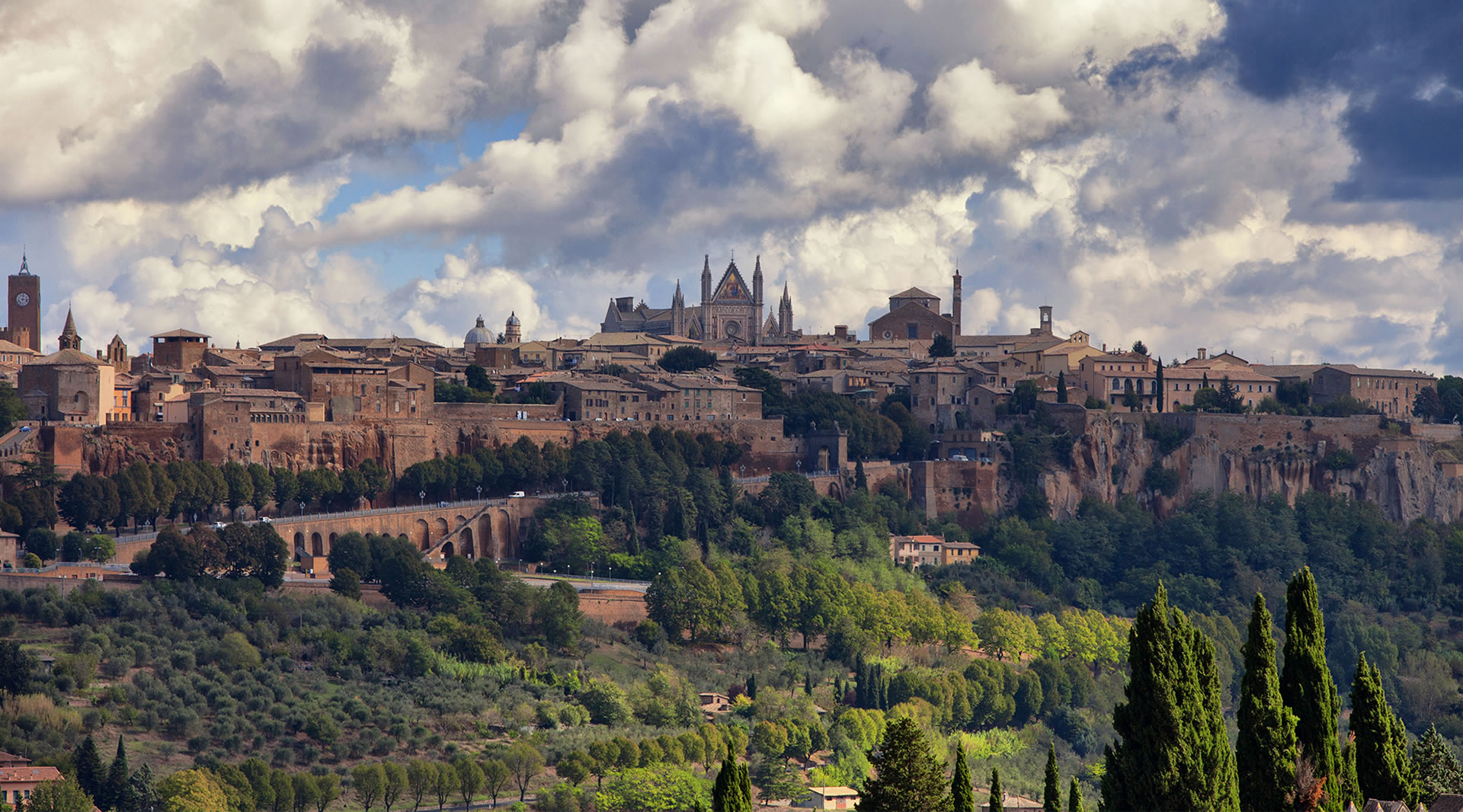
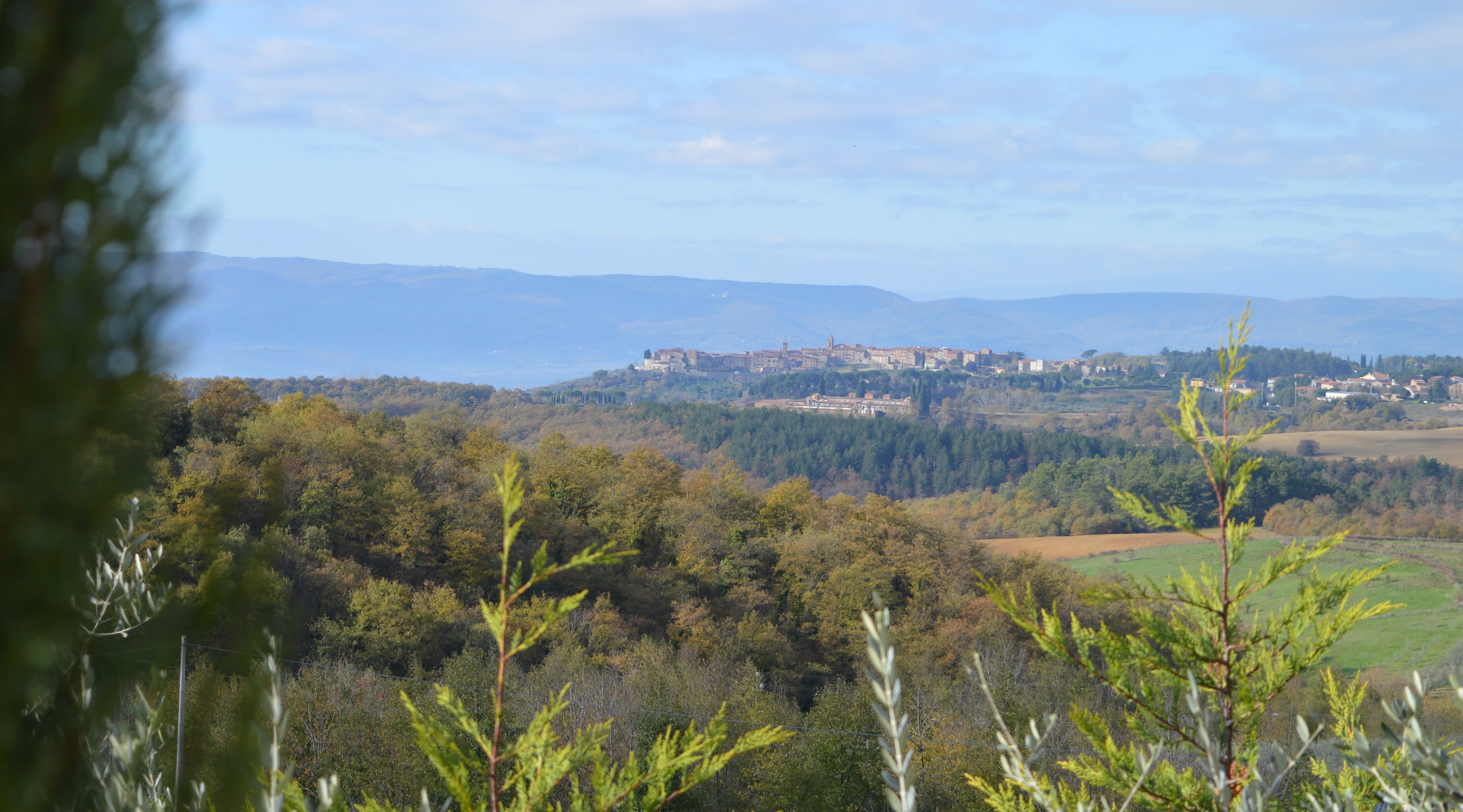
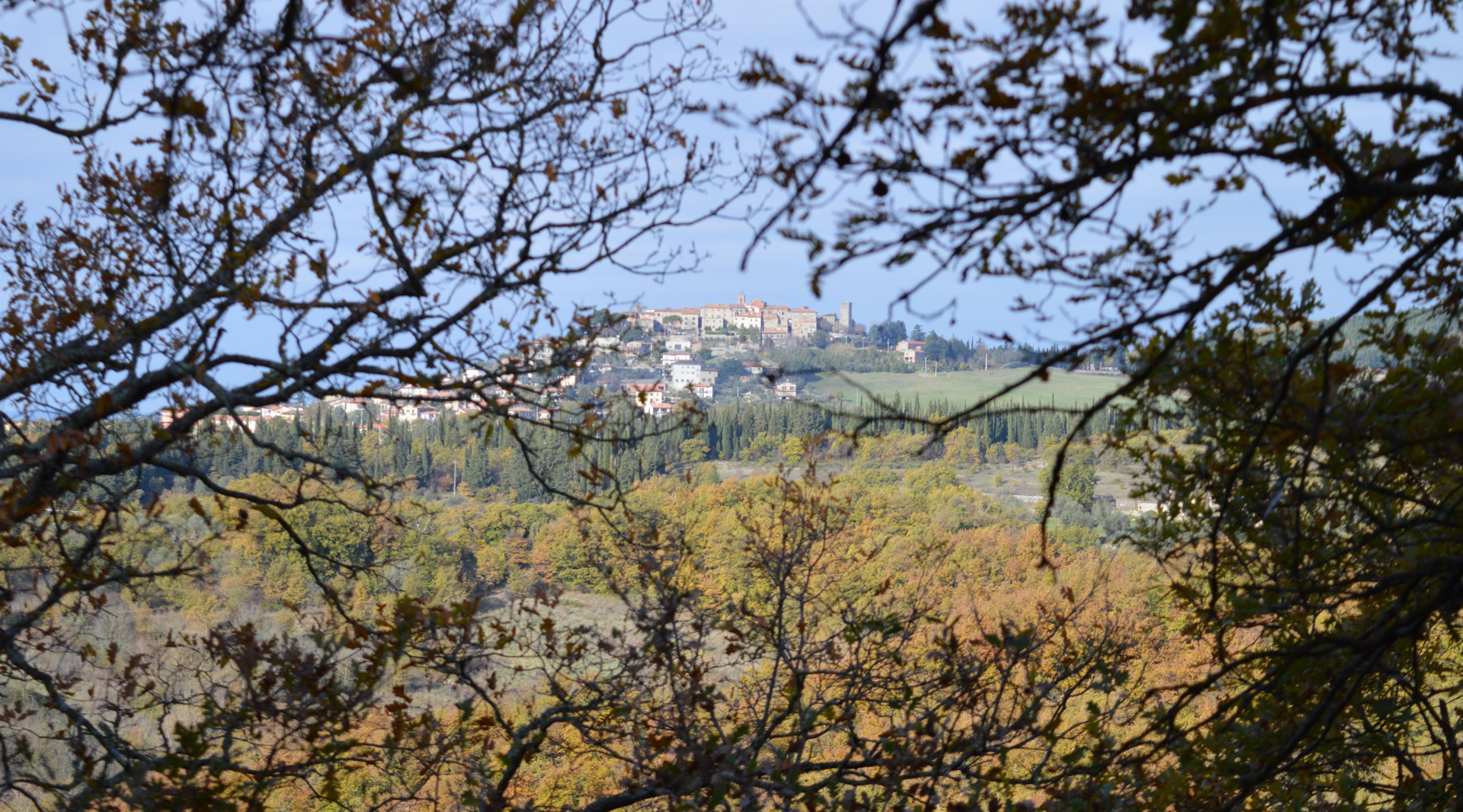
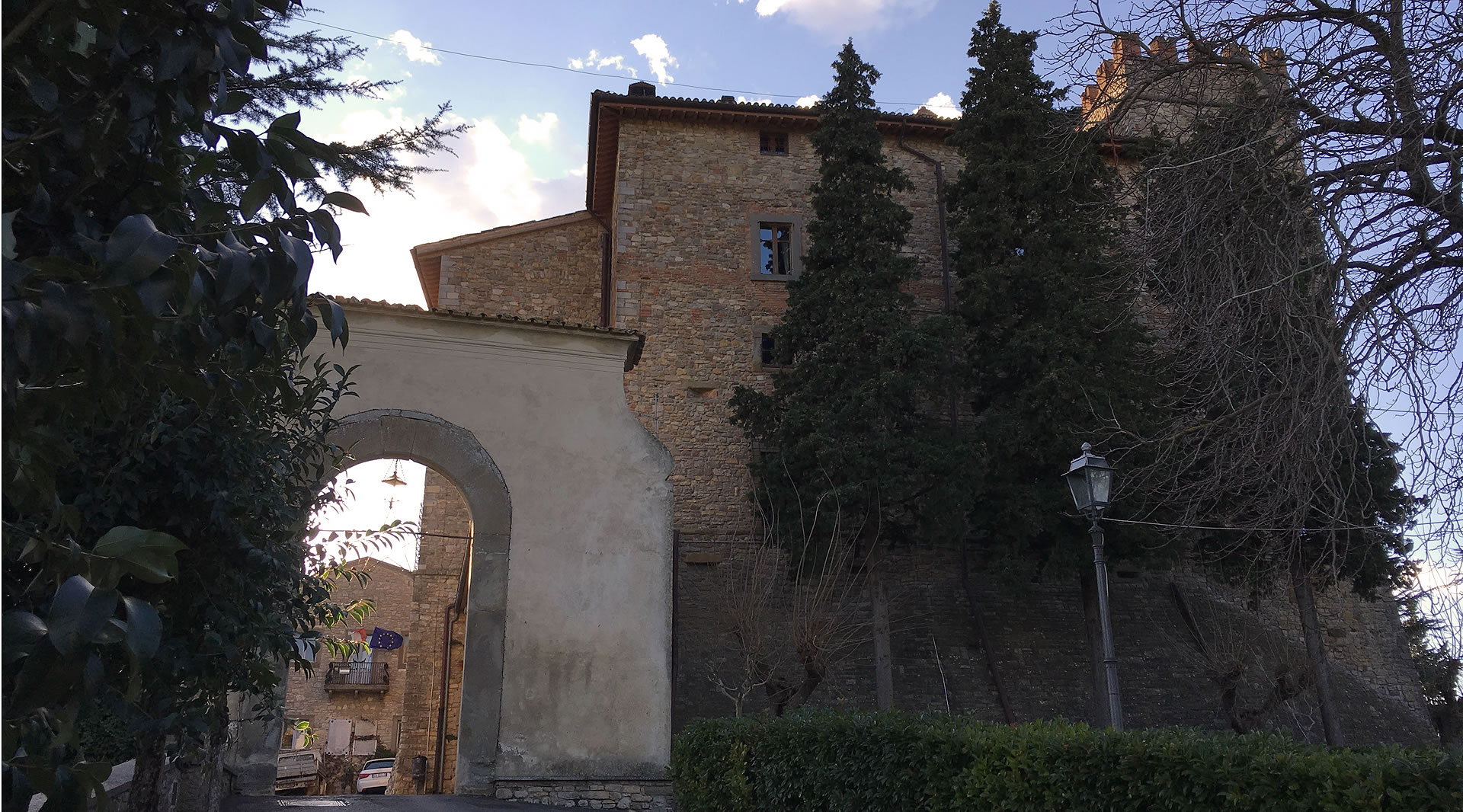
La ville sur le rocher
Un belvédère sur la nature de la Val di Chiana
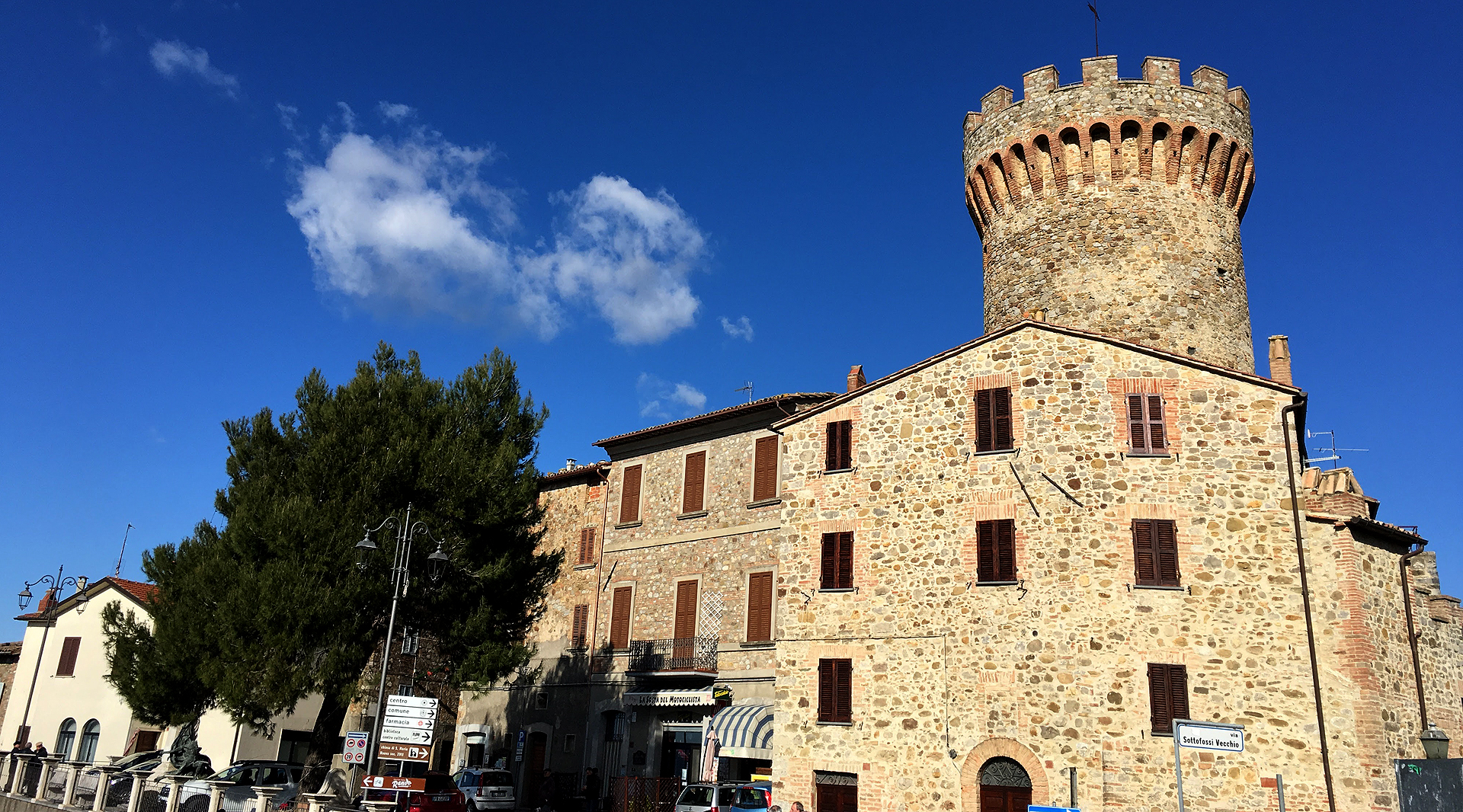
Situated in central western Umbria, Montegabbione is a hamlet perched on a hill looking down onto the Nestore River Valley and the Chiani River Valley. From its hill top, Monetgabbione has a vast panorama that extends from Valdichiana to Mount Cetona and to Città della Pieve.
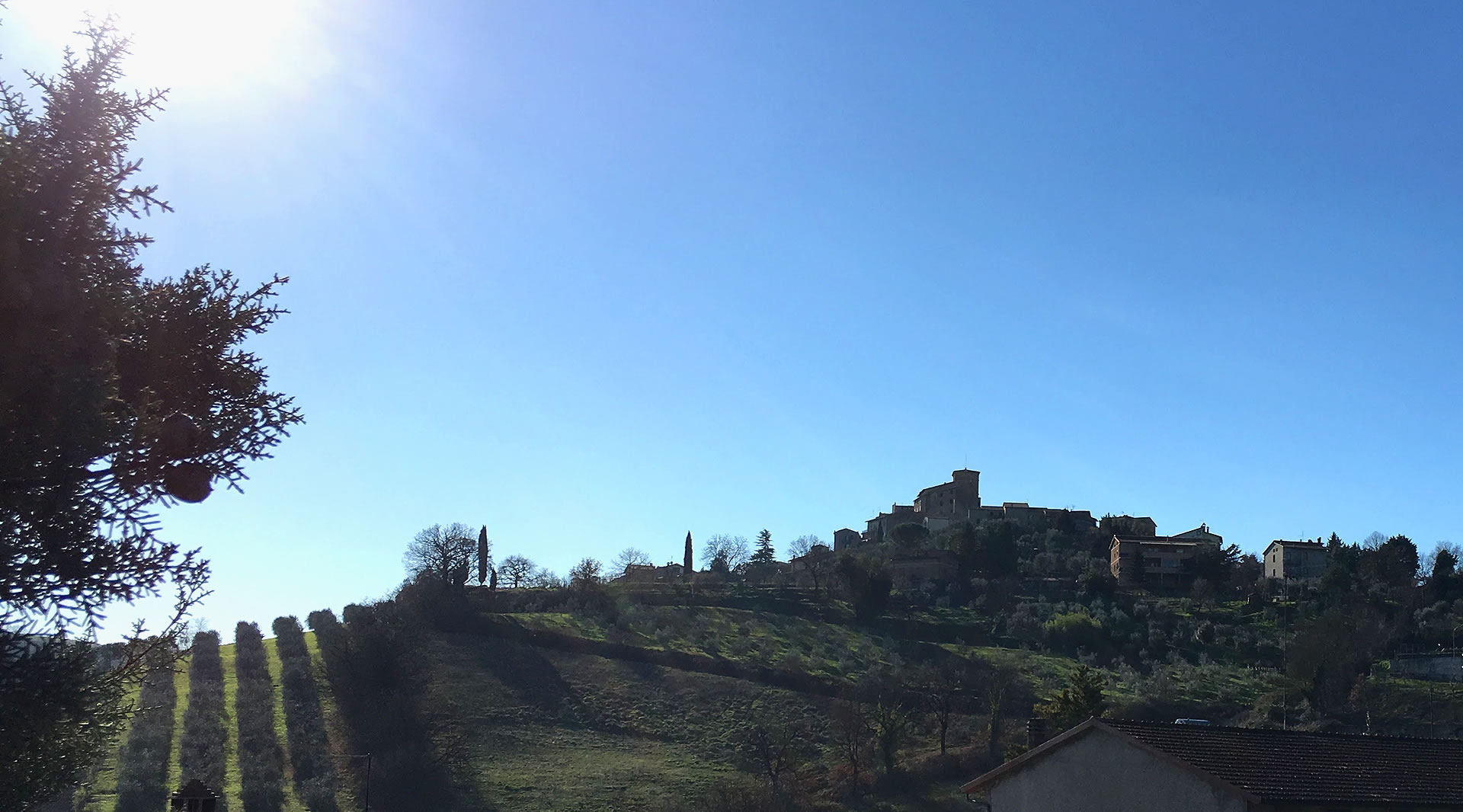
Situated in western Umbria, Parrano is a hamlet offering a vast panorama over the Chiani River Valley to Città della Pieve. Immersed in the Umbrian hills it is a popular health resort due to the many springs used to treat edema.
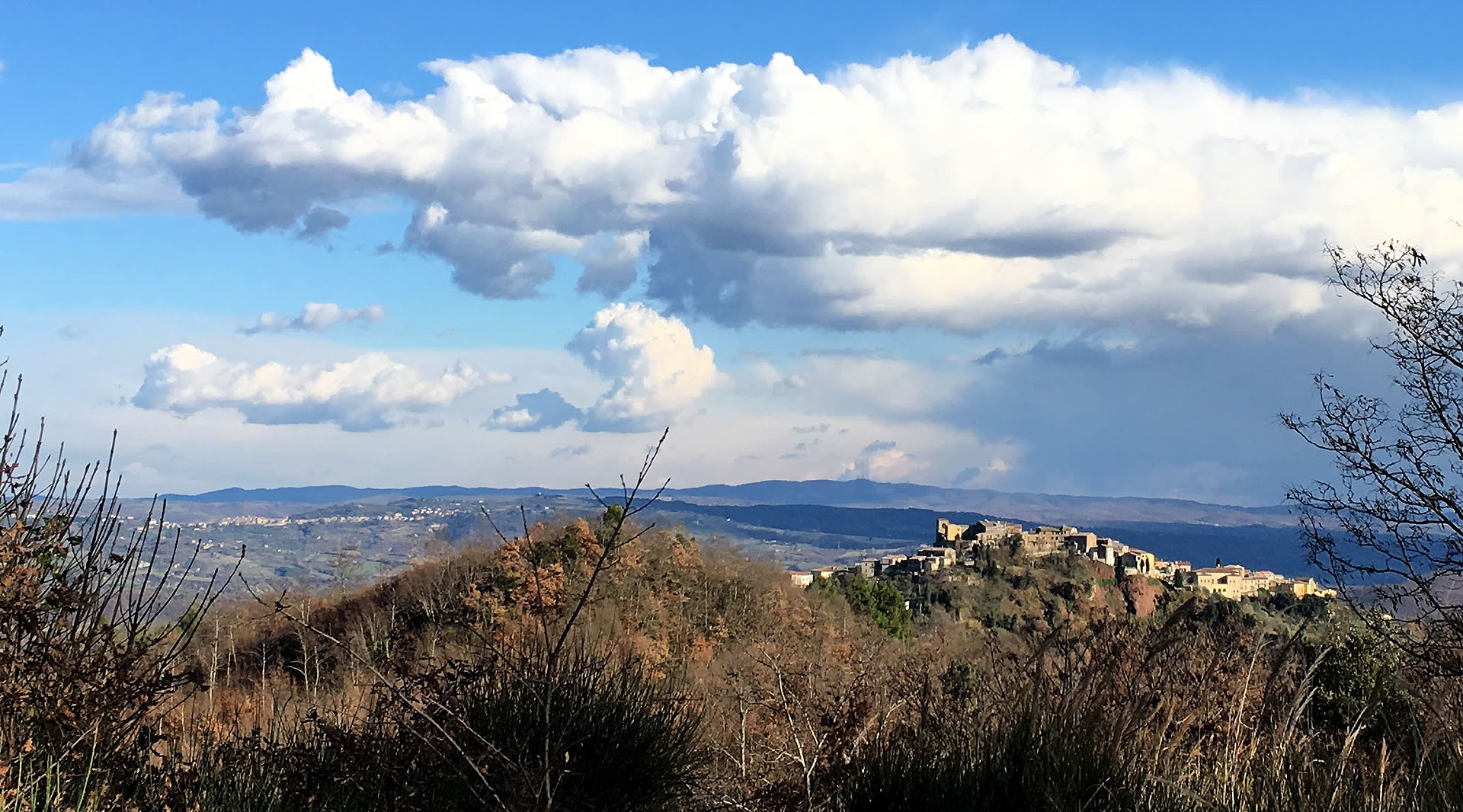
Located in the western part of Umbria, San Venanzo rises on the slopes of Mt. Peglia, in the midst of a natural environment rich in vegetation and mostly covered by woods. The town stands on what was formerly a volcanic area, interesting for the presence of venanzite, a mineral found nowhere else in the world.
The village of Ficulle is on the northern slope of Mt. Nibbio in southwest Umbria, overlooking the broad valley that opens up between the Chiani and Paglia rivers. The making of earthenware pottery, the village's unique historic and cultural heritage, has made it known as the "land of the potters," expert master craftspersons who work the clay with rare skill and proficiency.
Located in southwestern Umbria, very near the border with Lazio and Tuscany, the village of Fabro stands on a rise facing the Chiani stream. Halfway between Rome and Florence along the A1 motorway, the municipal territory touches the provinces of Viterbo, Siena and Perugia.
Situated in the southwestern part of Umbria, Allerona is a small village set on a hill overlooking the STINA Nature Park (STINA - Territorial System of Naturalistic and Environmental Interest), which includes the Selva di Meana-Allerona, Bosco della Melonta and San Venanzo protected areas.
Situated in south-western Umbria, Castel Viscardo is a hamlet perched on a hill close to the Alfina plateau that looks down onto the Paglia River Valley. It was already renowned in the 16th century for its artisan production of brick and clay tiles, as proven by the discovery of ovens used to produce the prime materials for restoration of important monuments such as the Pantheon, the Coliseum and Piazza del Campo in Siena.
Situated in south-western Umbria, on the border with Lazio, Castel Giorgio rises on top of the Alfina plateau that extends from Orvieto to the Volsini Mountains.
Situated in south-western Umbria, Porano is a hamlet of medieval origins standing on a tuffaceous rise in a beautiful panoramic position. It overlooks Orvieto's cathedral and other natural beauties of the Tiber River and Paglia River valleys. The district is dotted with archaeological sites and finds from Etruscan times.
Located in southwestern Umbria at the border with Lazio, Baschi is perched on top of a spur of rock rising high over the valley of the Tiber not far from where it is joined by the Paglia river. Along the road leading to Todi there are luxuriant woods teeming with wildlife and deep karstic sinkholes and chasms.
Situated in south-western Umbria, Montecchio is a medieval hamlet set on the slopes of Monte Croce di Serra that looks down onto a section of the Tiber River Valley. The territory is covered in dense forests of incomparable beauty that are particularly appealing because of the uncontaminated woods where mother nature still reigns.
On the south-western border of Umbria, Guardea is a small town that offers a splendid panorama of the Tiber River Valley that in large part is taken up by Lake Alviano. The Alviano Nature Reserve, protected by the WWF, extends from the territory of Guardea into the Municipality of Avigliano.
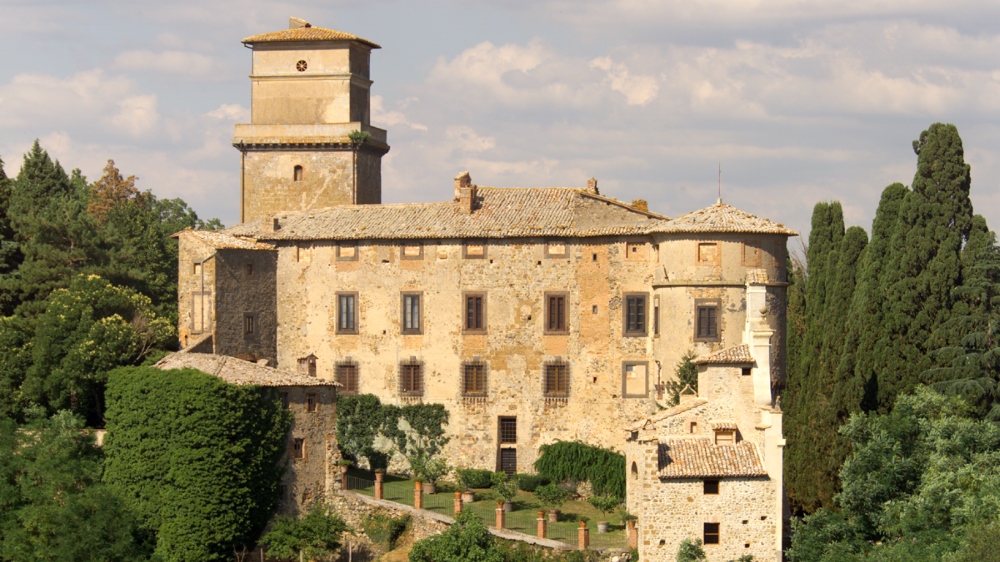
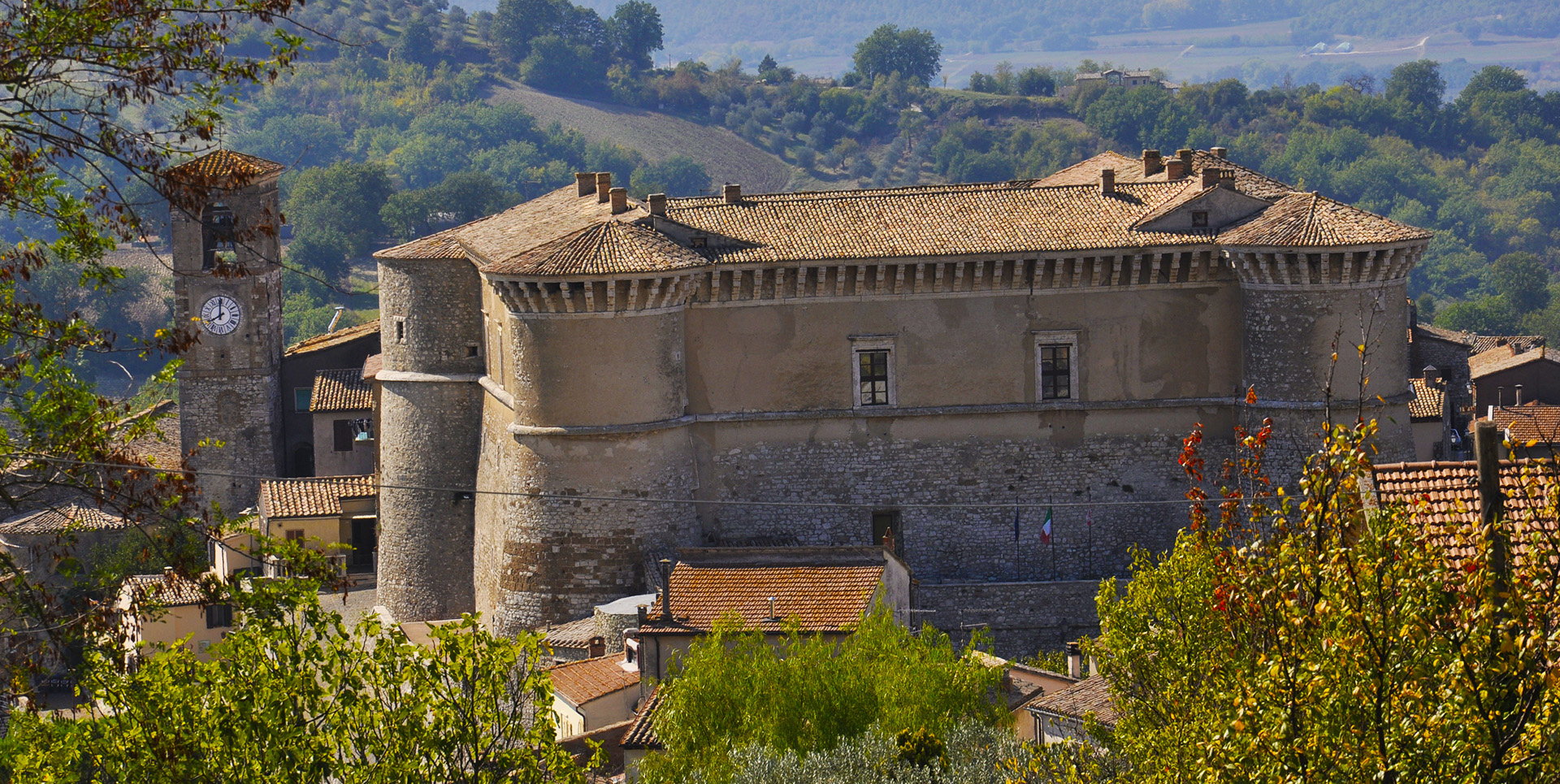
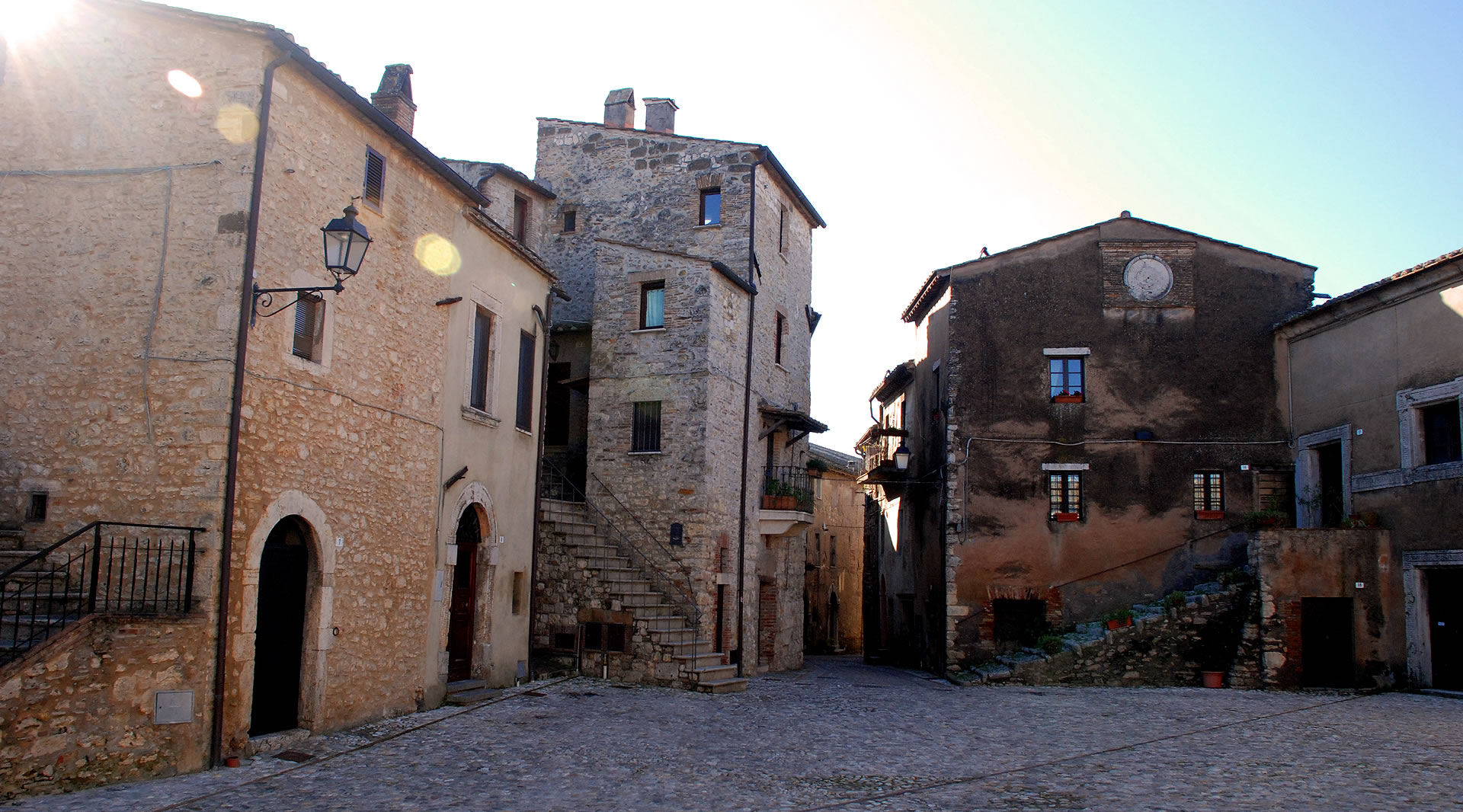
Le village avec son château élégant et imposant et un paysage caractérisé par des ravins, témoins de l'ancienne mer du Tibre.
Located in the southwestern part of Umbria not far from the border with Lazio, Lugnano in Teverina is a small village set gently on a hill that in ancient times might have been a "wood dedicated to Janus" (Lucus Jani), from which the name Lugnano may have derived. The town is entirely enclosed by walls, and commands a splendid scenic view of the Lower Tiber Valley.
Parmi les tilleuls d’Attigliano : souvenirs étrusques et châteaux médiévaux
Un « joug » entre deux vallées : une position stratégique, un paysage à couper le souffle
Straddling the crest of a hill in the southern Umbrian countryside at the border with Lazio, Penna in Teverina rises on a promontory with a magnificent view of the Tiber River flowing below in the valley. This small center is a peaceful, friendly medieval village, the ideal place for Sunday outings in search of genuine foods and wines, peace and relaxation.
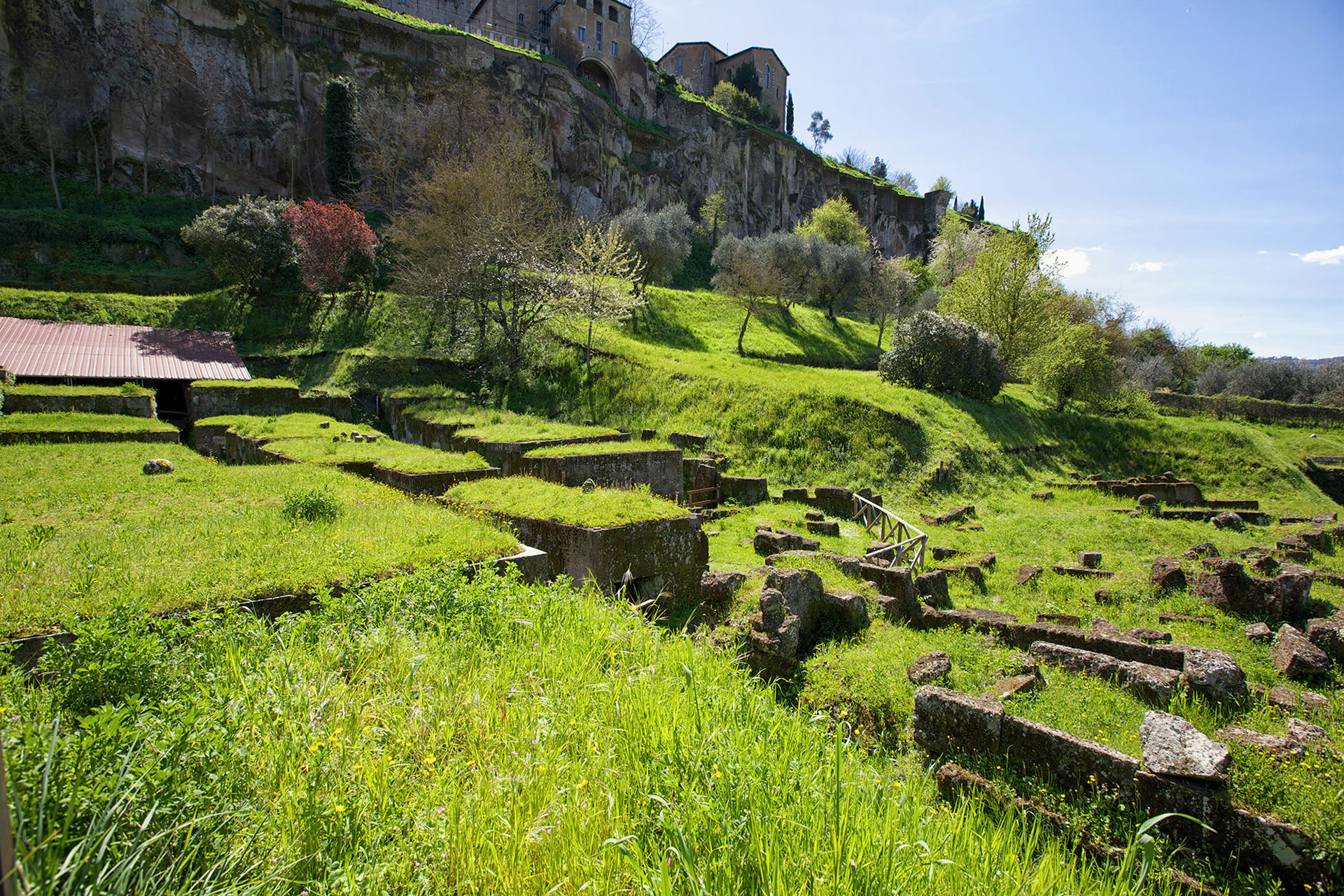
Un voyage à la découverte des sites et de l'architecture de l'époque étrusque dans et autour de la ville d'Orvieto.
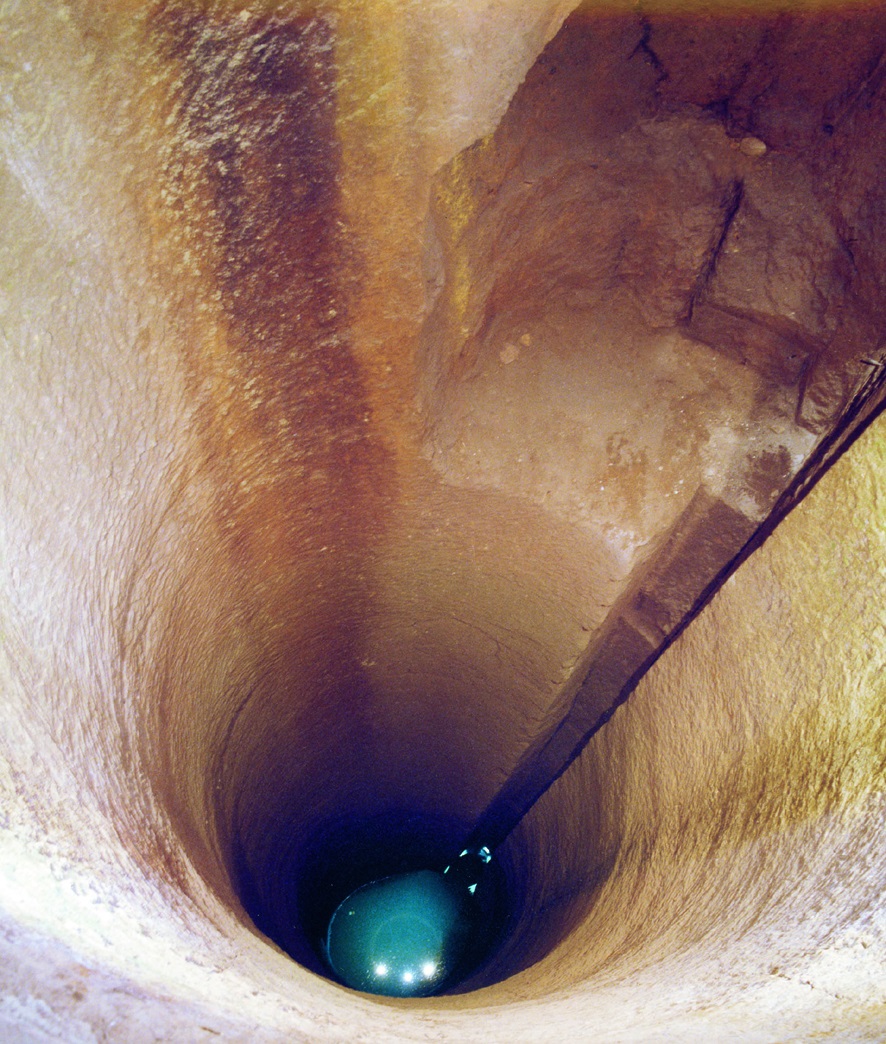
25 siècles d’histoire souterraine
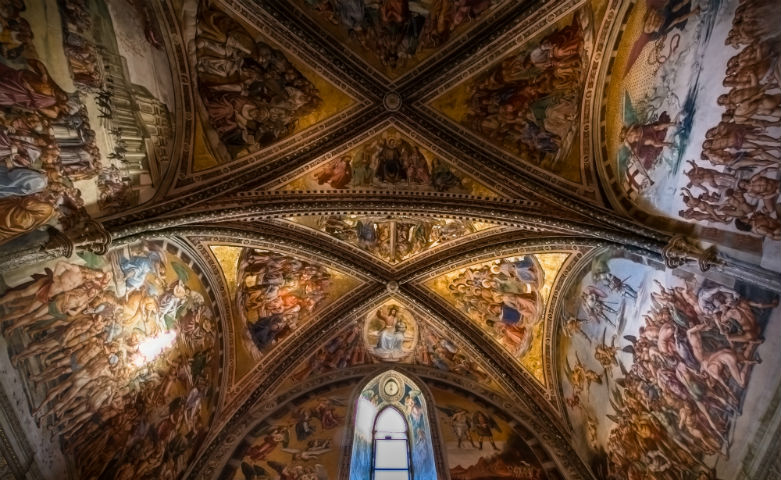
Famed for its marvellous frescoes by Beato Angelico, Benzolo Bozzoli, and Luca Signorelli, the chapel is unique within Italian renaissance art.
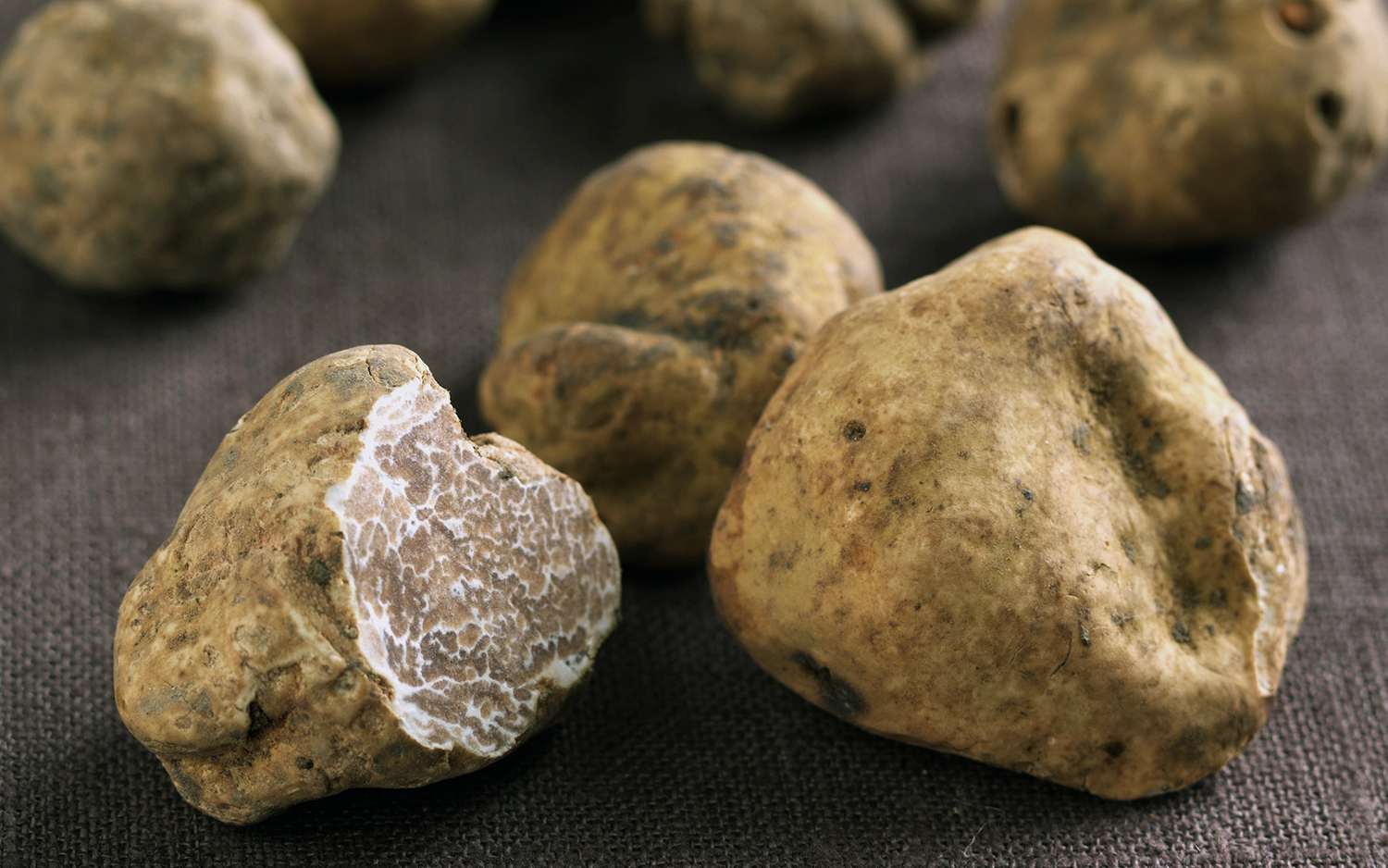
An aroma and flavour that is easy to love. Enjoy it fresh in the simplest of recipes to exalt its special flavour. The truffle tradition in Umbria is very old and there is a wide range of recipes, all you have to do is come and taste it.
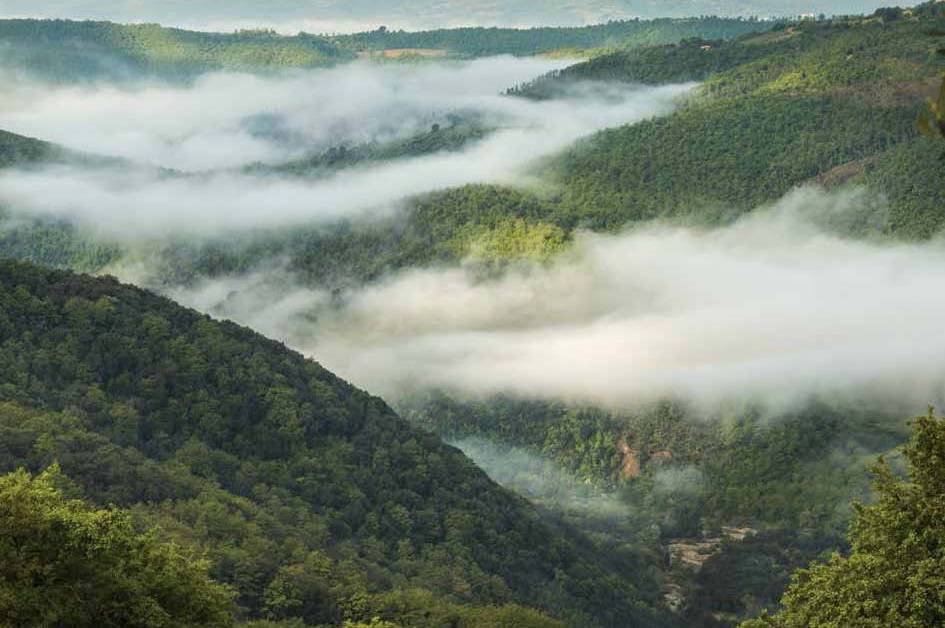
La Réserve Naturelle du Mont Peglia se trouve dans la zone de Terni, nichée entre des bassins fluviaux de la rivière Tibre, qui le délimite vers l’est, et de la rivière Peglia, vers ouest.
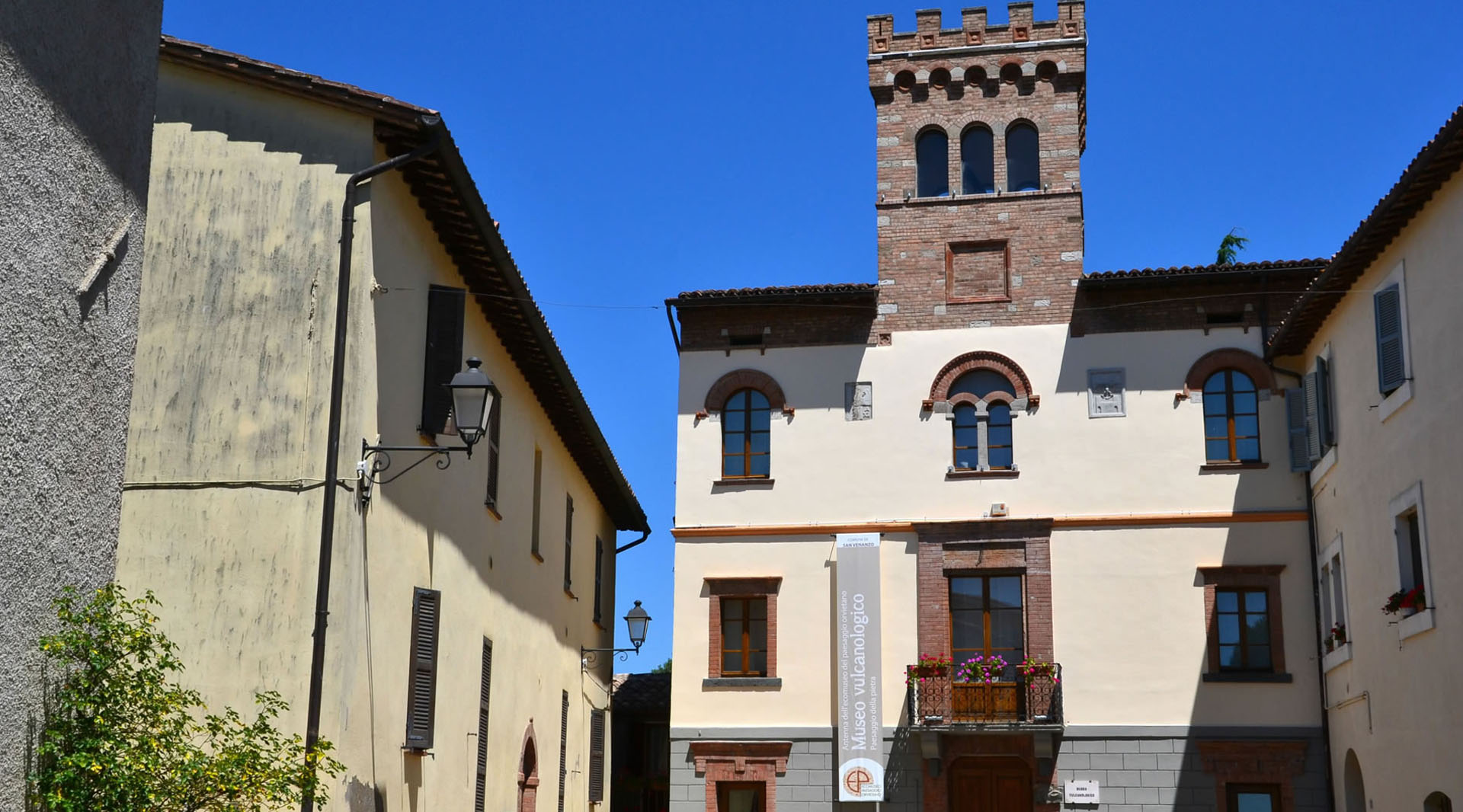
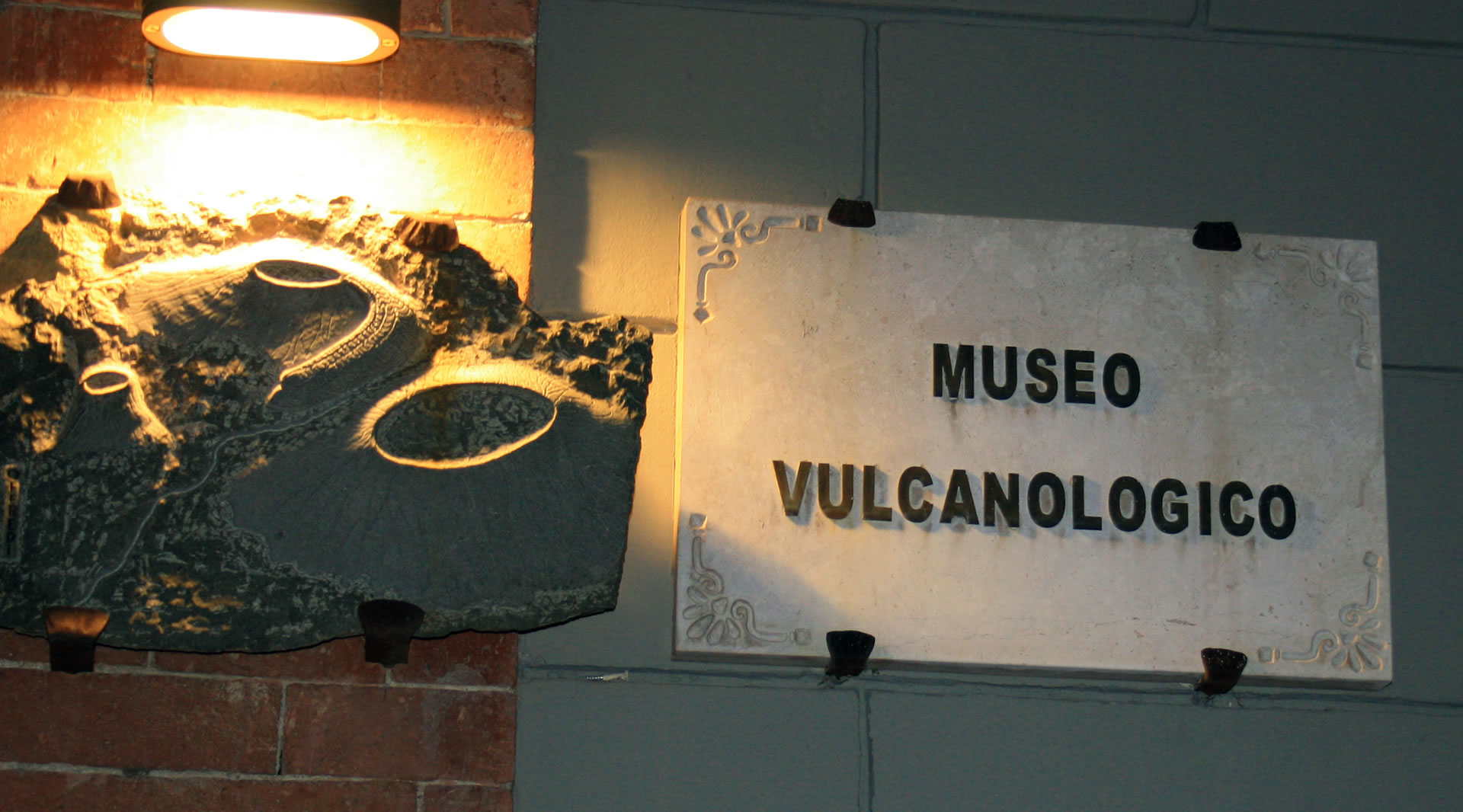
The Museo Vulcanologico is located in the historical city center of San Venanzo, a suggestive burgh in-between the territory of the middle course of the Tiber and Orvieto. The building housing the Museum is an early 19th century edifice adjacent to Villa Faina
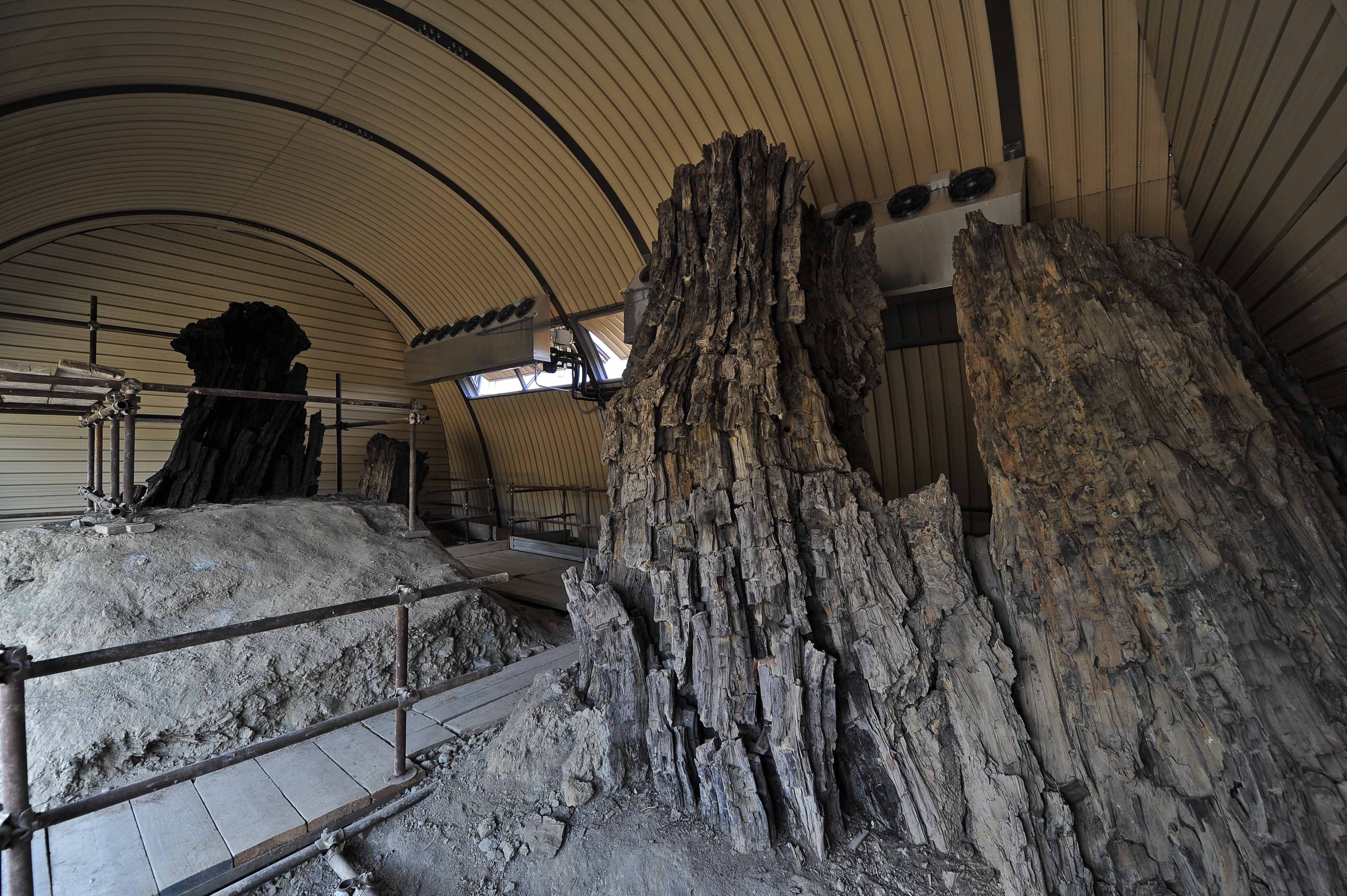
Des conifères géants avalés par des marécages préhistoriques
Que veux-tu me demander?