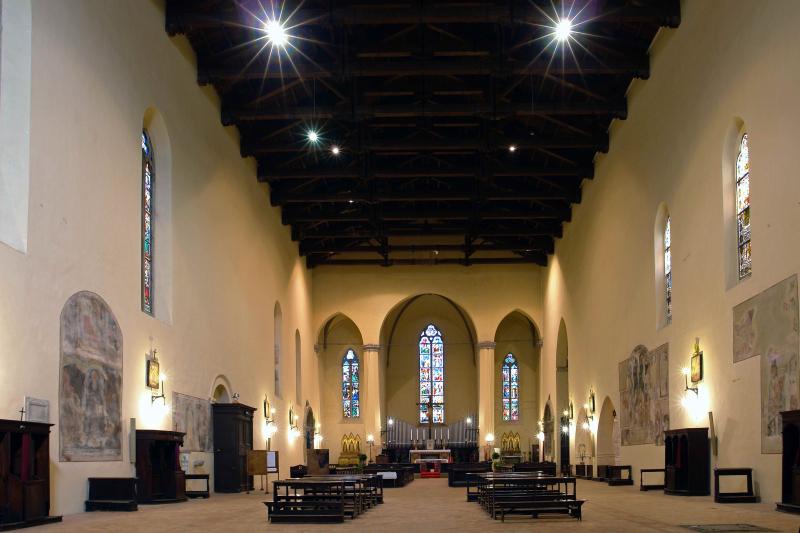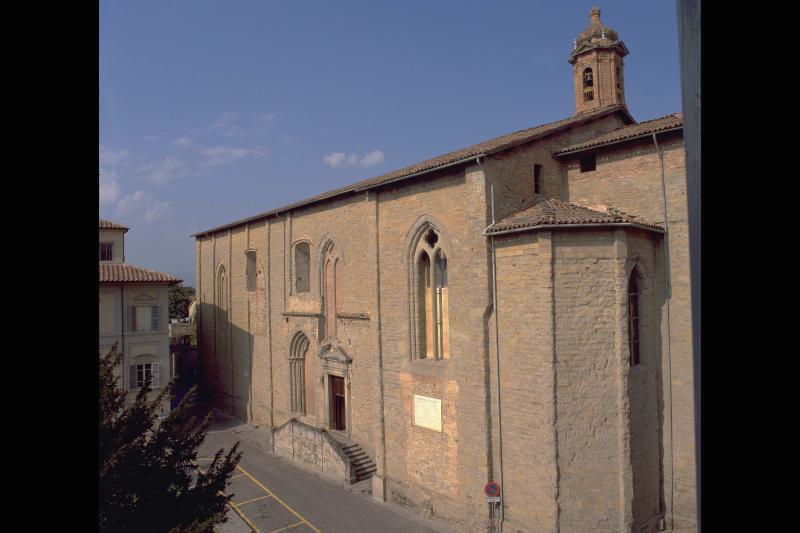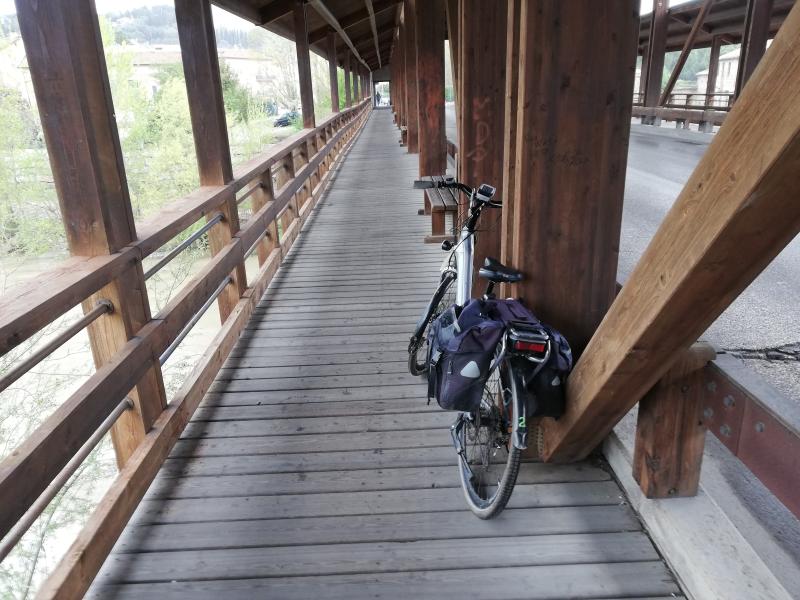




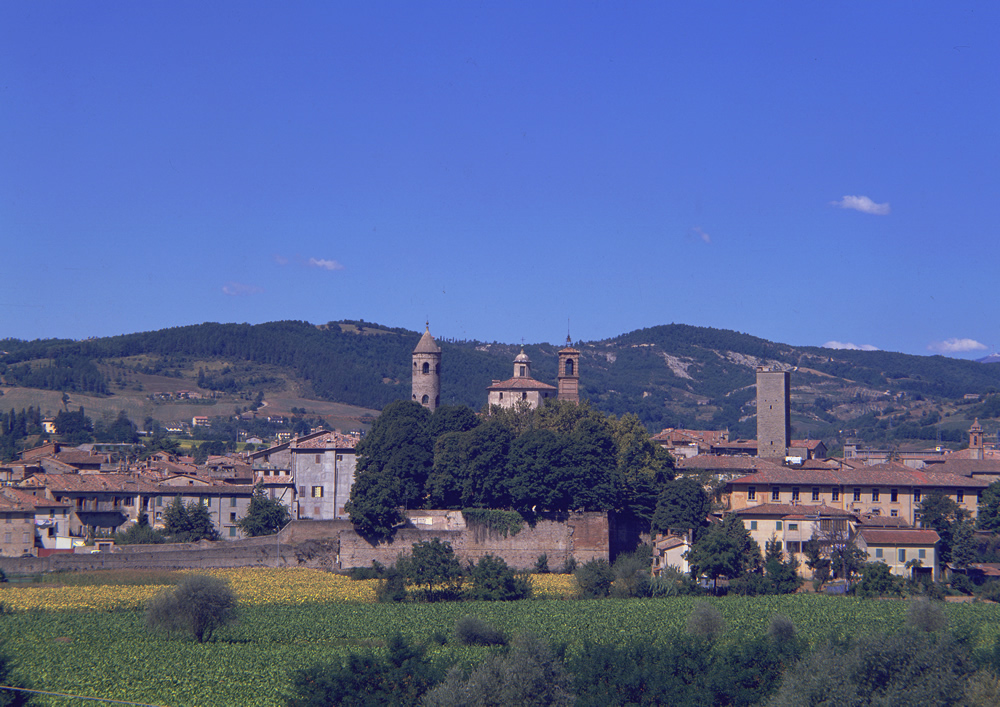
Located in the northwestern part of Umbria, Città di Castello is spread out along the Upper Tiber Valley, at the border with Tuscany and not far from the Marche. The area holds many pleasant surprises for the visitor: steeped in history, it has a wealth of monuments and centuries of culture in an environment where respect for nature goes hand in hand with a thriving industry.
ITS HISTORY
Founded by the ancient Umbrians, Città di Castello became a Roman municipium with the name Tifernum Tiberinum. After being subject to various rules and having been sacked and destroyed by Totila and the Goths (6th century AD), it was rebuilt and fortified and given first the name Castrum Felicitatis, followed by, starting in the 10th century, its final name of Castrum Castelli.
It established itself as an independent commune in the first half of the 12th century, and in the 15th century it was ruled by the Vitelli family. During the Middle Ages it went through periods of independence interspersed with other periods under the rule of the papacy, Florence, and Perugia.
Only in the 16th century that Cesare Borgia took the town once and for all for the Papal States, under the rule of which it remained (except for the brief Napoleonic period) until the proclamation of the Kingdom of Italy (1860).
A JOURNEY THROUGH ITS ARTISTIC AND CULTURAL TREASURES
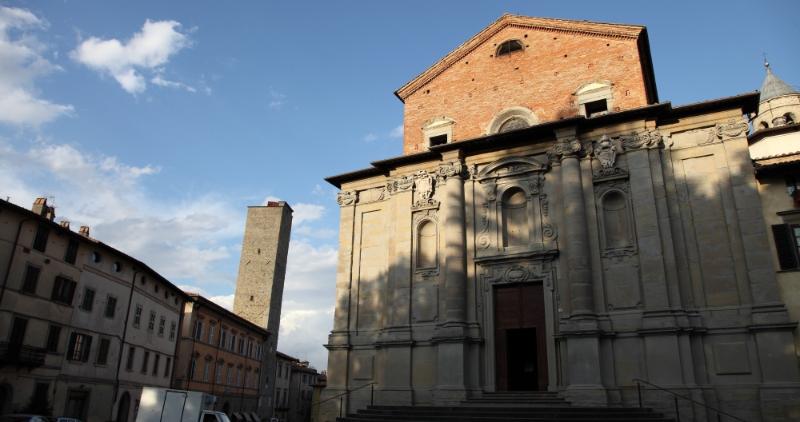
Surrounded for long stretches by 16th-century walls, in Città di Castello the "breath of art" can be found in the enchanting atmosphere of the historic center, in the elegant Renaissance architecture, the courtyards and arcades of noble palaces, the cloisters and naves of churches; from the monumental Cathedral (11th century) with its treasures, to Santa Maria Maggiore, Santa Maria delle Grazie, San Francesco, and San Domenico.
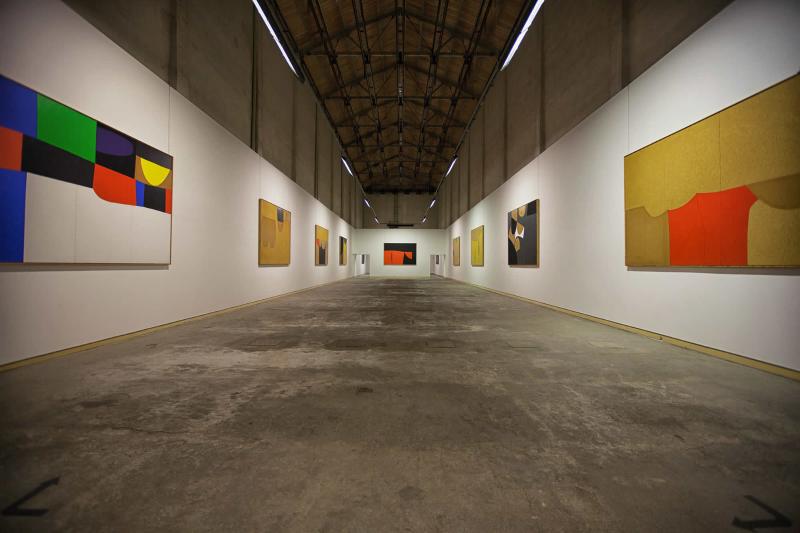
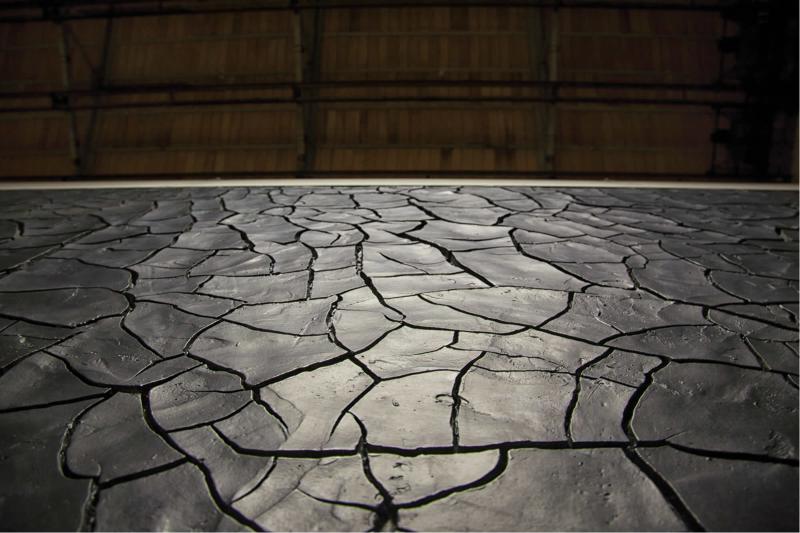
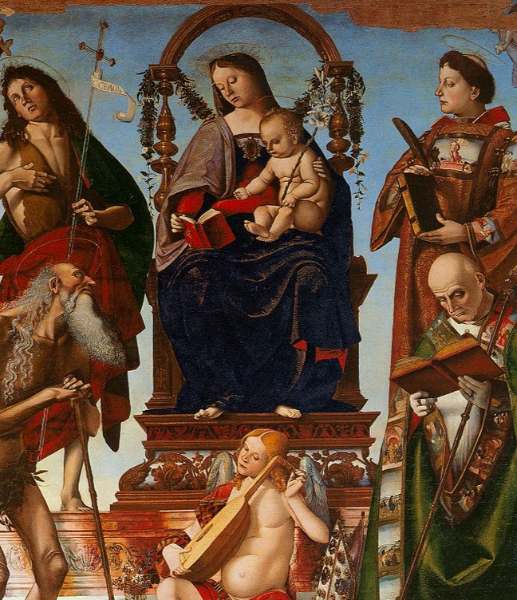
But also in the masterpieces of Raphael and Luca Signorelli, as well as in the sacks, woodworks, sculptures, and cretti of Alberto Burri, one of the great masters of international contemporary art, who left many of his works in the city of his birth.
In the historic center, the Municipal Picture Gallery, housed in Palazzo Vitelli alla Cannoniera, is a must-see: expanded with new exhibition rooms, it preserves masterpieces by Raphael, Luca Signorelli, Ghirlandaio, Raffaellino del Colle, and Pomarancio.
The collection of Alberto Burri’s works is displayed in two important locations: Palazzo Albizzini and the Ex Seccatoi del Tabacco.
Also not to be missed is the Cathedral Museum, adjacent to the cathedral, which houses precious examples of sacred art; the Textile Collection on the second floor of Palazzo Tommasini, which traces the history of the "Tela Umbra" company; and the Grifani-Donati Printing Museum, a key institution in promoting the city’s typographic tradition.
WHAT TO SEE AND DO IN THE SURROUNDINGS
In the surrounding area, the Oratory of San Crescentino in Morra is worth a visit, where some frescoes by Luca Signorelli and his workshop can be seen. Also notable is the Pieve di Canoscio, one of the most important Marian devotion sites in Umbria; the Sanctuary of the Madonna di Belvedere; the Abbey of Badia Petroia, a remarkable example of Romanesque architecture (11th–12th century); and Villa Franchetti "La Montesca", surrounded by a centuries-old park rich in very rare botanical species.
In Garavelle, in the farmhouse opposite Villa Capelletti, is the Center of Popular Traditions "Livio Dalla Ragione", one of the first examples in Italy of a collection of objects linked to rural traditions.