Not only Pinturicchio, Rosso Fiorentino, Signorelli and Raphael: Città di Castello is also the city of Alberto Burri, one of the most important contemporary artists. Practical necessity and artistic aspiration come together in paintings and sculptures created from discarded, highly malleable materials.
The largest collection of his works can be seen in two museum venues. In the city centre, Palazzo Albizzini, built in the late 15th century and restored under Burri’s supervision, presents a selection of works dating from 1948 to 1989, displayed across twenty rooms. Here you can admire paintings, sculptures, graphic works and sketches for the large Cretti and for theatrical sets.
To visit the Former Tobacco Drying Sheds, head to the southern outskirts of the city. Here everything is monumental: the 7,500-square-metre pavilions, entirely dedicated to the physician and artist, house 128 large-scale works created between 1974 and 1993 and arranged in cycles to form a unified body of work. Equally monumental are the sculptures displayed outdoors: Grande Ferro Sestante, Grande Ferro K and Ferro U.
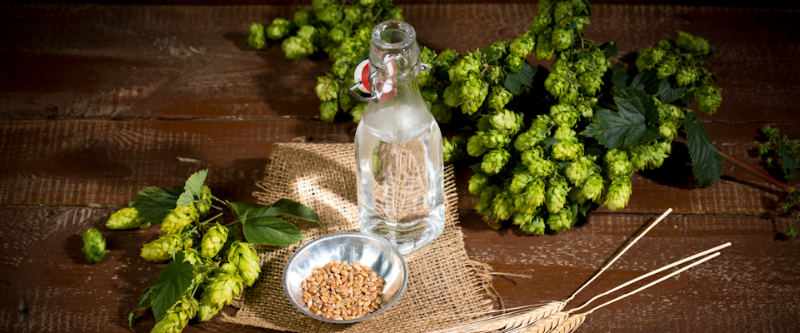
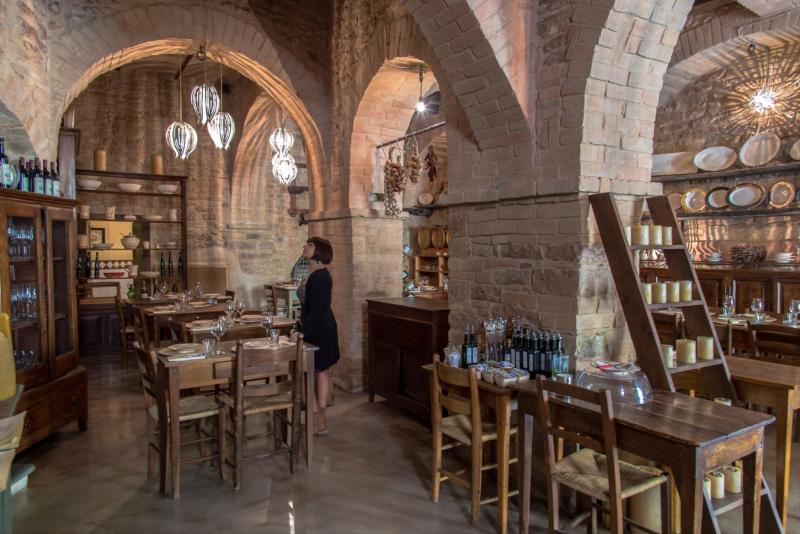
For a delicious break, try yellow tagliatelle with white truffle and Umbria PDO extra virgin olive oil from the Trasimeno Hills, followed by Mazzafegati from the Upper Tiber Valley, a Slow Food Presidium.