








Carnival Wafers
Among the simplest yet most historically rich sweets of the Carnival season in Umbria, few can rival cialde (wafer): thin, unleavened wafers, light and fragrant. Their uniqueness lies in their ancient origins, which still make them one of the most characteristic traditional sweets in some Umbrian towns.
Between sacred and secular: the origins of the wafers
The roots of cialde go back to distant times: the earliest moulds resembling modern wafer irons date as far back as the 6th century, when, during the early Christian period, the custom spread of creating metal tools engraved with inscriptions and sacred images for baking the bread used for the Eucharist.
Over time, those first breads evolved into increasingly simple preparations: a basic mixture of water and flour, cooked on a hot iron that stamped religious symbols onto it — the birth of the host.
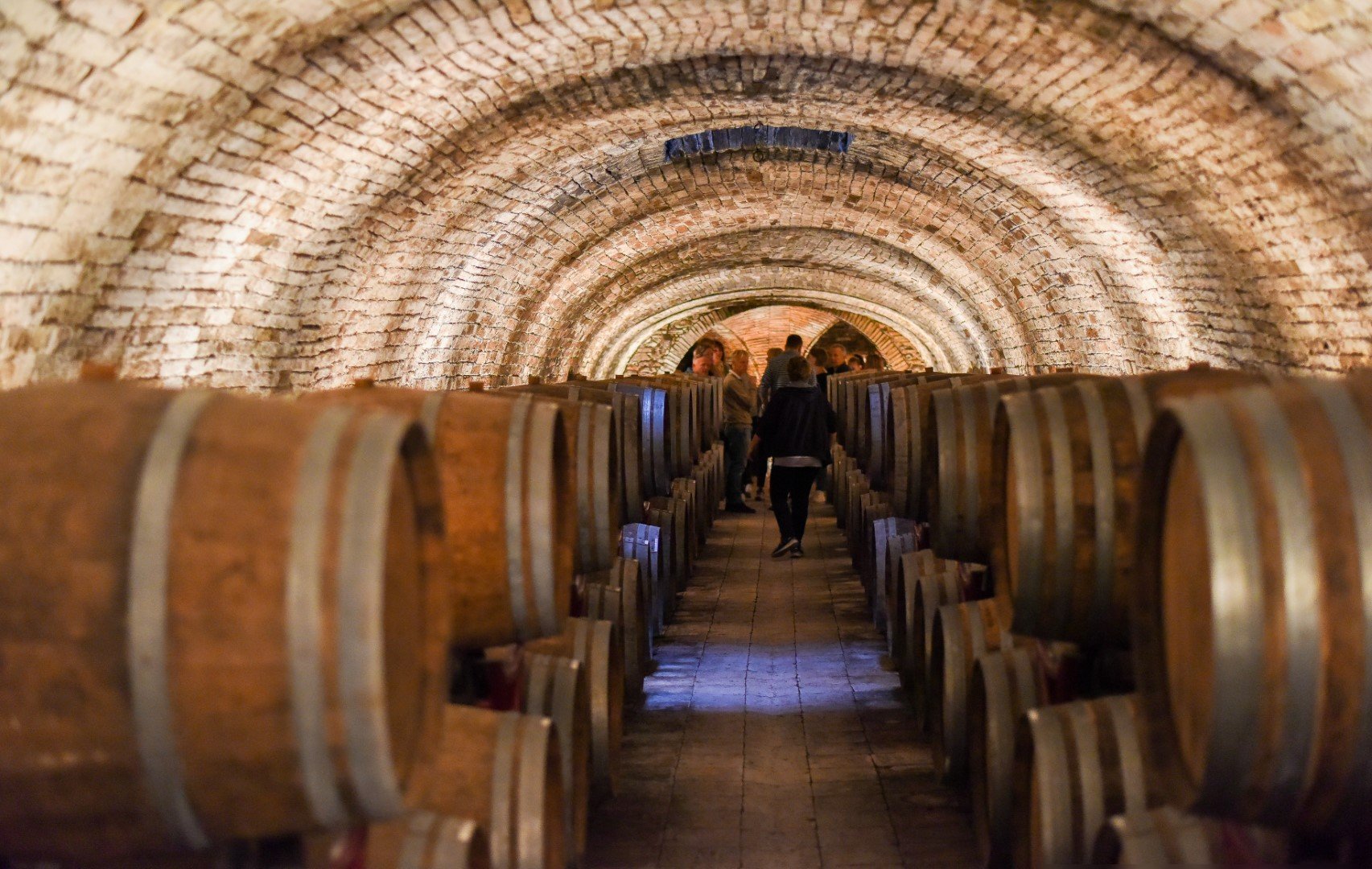
The oldest host irons still preserved today date back to the Middle Ages and are mainly found in central Italy, especially within the former Papal States. The oldest, from the mid-12th century, is now kept at the MUVIT - Wine Museum in Torgiano, alongside many other specimens.
From sacred tool to festive sweet
Over the centuries, these irons gradually moved away from an exclusively religious function and entered domestic life. Sacred images were replaced by the heraldic symbols of noble families, and these wafers, now stripped of their liturgical meaning, were enriched with sugar and spices, becoming cialde, a sweet served on special occasions.
Between the 15th and 16th centuries, especially in the Perugia area, wafer irons experienced an extraordinary period of development. Made with techniques similar to goldsmithing, they became true works of art. Famous is the wafer iron crafted by the goldsmith Francesco Roscetto for the Sforza family, now preserved at the National Gallery of Umbria, bearing witness to how these tools—engraved with coats of arms, auspicious phrases, and mottos—were commissioned for engagements and weddings.


