Listen to the Tuderte
Listen. The Tuderte
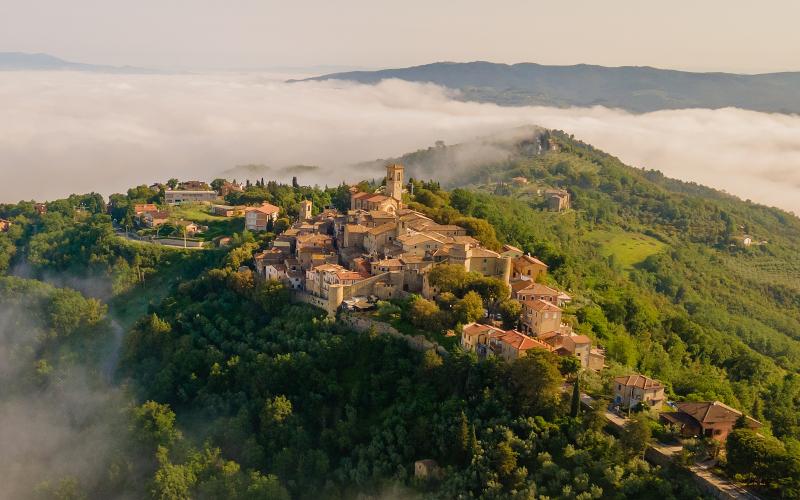
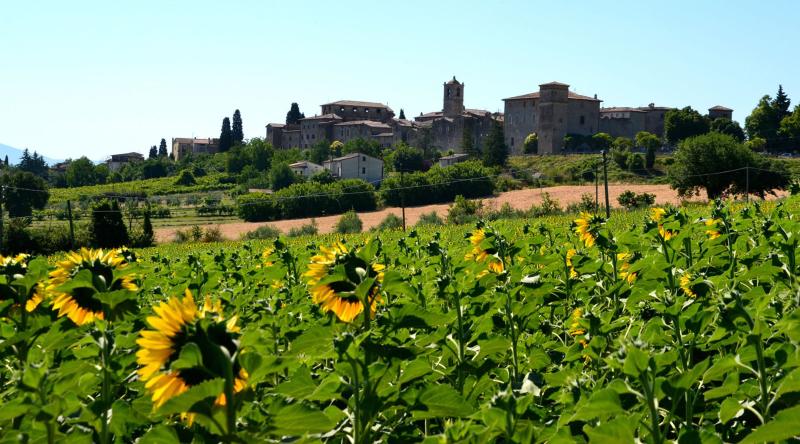
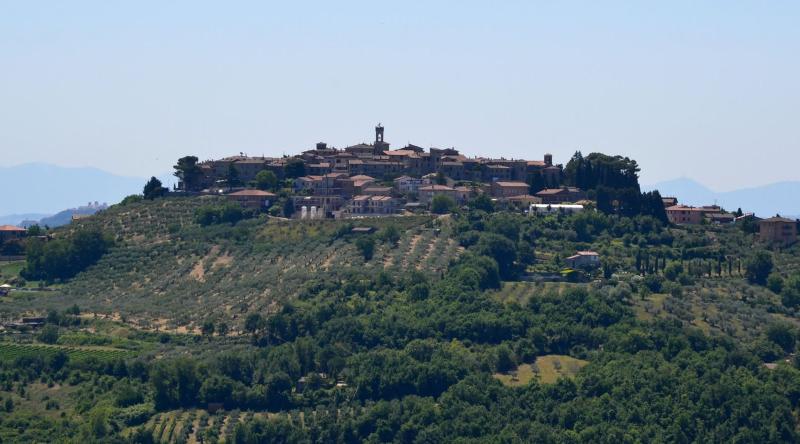
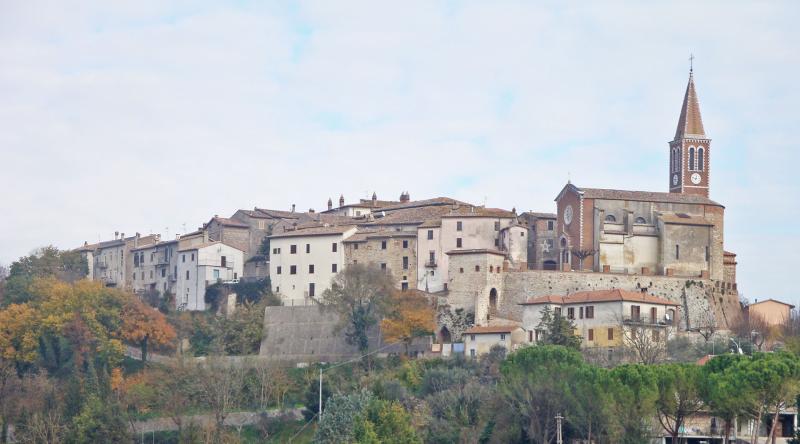
Situated in central Umbria midway between Perugia and Todi, Collazzone is a medieval hamlet standing on a hill covered in oak woods and olive trees, looking down on to the Tiber River Valley.
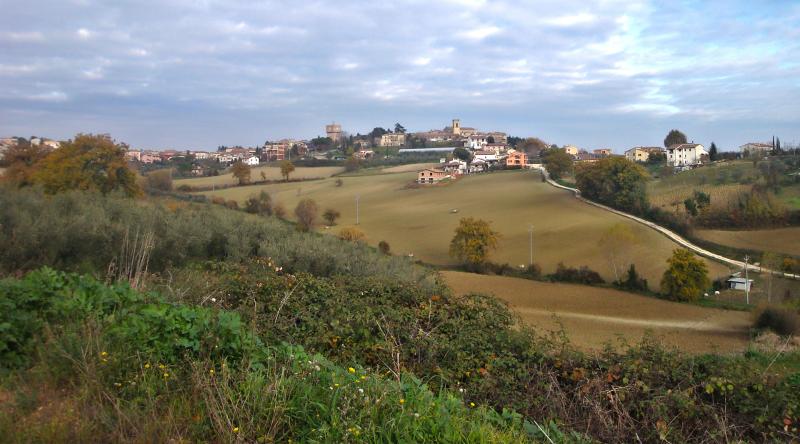
Located in central Umbria, Fratta Todina is a village set on a small hill with a beautiful view of the Middle Tiber Valley. Situated on the right side of the Tiber, the village spreads down into an area that is mostly flat and very fertile.
Located in the south-eastern part of Umbria, Monte Castello di Vibio is a characteristic medieval village set on a hilltop that looks out over the Tiber Valley, with views of incomparable beauty.
It has been nicknamed "Paradise Lost" for its gorgeous location.
Avigliano Umbro is a small town located on the ancient Via Amerina between Todi and Amelia, at the heart of a luxuriant, cultivated hill area. It is the youngest commune in Umbria: in fact, it did not become a municipality until 1975, when its territory was separated from that of Montecastrilli. The municipal territory, which falls within the area of the Croce di Serra Mountain Community, is characterized by hills and mountains rising in the southwestern part of Umbria, between Sangemini and Lake Alviano.
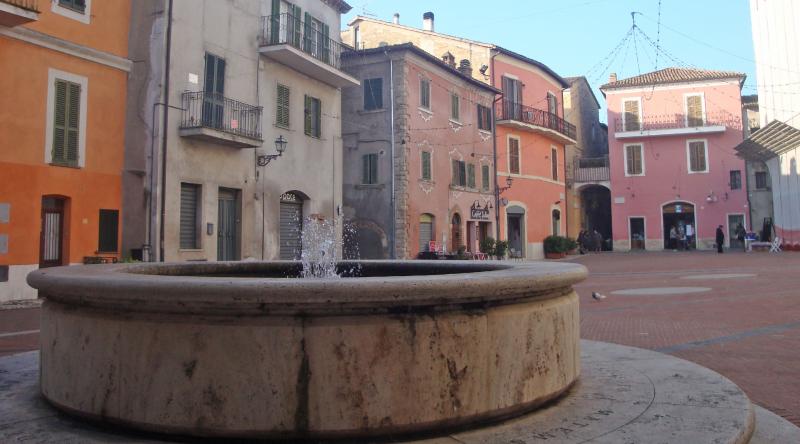
Located in southern Umbria, Acquasparta is a medieval village nestled at the foot of a hill, from which it overlooks the valley of the Naia, a tributary of the Tiber. One of the greenest parts of Umbria, this area was already known in Roman times for the curative properties of its waters, which come from the Amerino and Furapane springs.
Situated in a charming hill area, Montecastrilli has the appearance of a typical medieval village in south-central Umbria, perched at the top of a knoll. The municipal territory includes the outlying hamlets of Castel dell'Aquila, Castel Todino, Farnetta, Quadrelli and Collesecco.
Situated in southern Umbria, San Gemini sits on a hill stretching along the ancient Via Flaminius. Rich is history, it owes much of its fame to a mineral water spring that has been utilised commercially since 1889, which is well-known for its curative properties deriving from the unspoiled habitat of the Martani Mountains.
... where culture and landscape sound beautiful
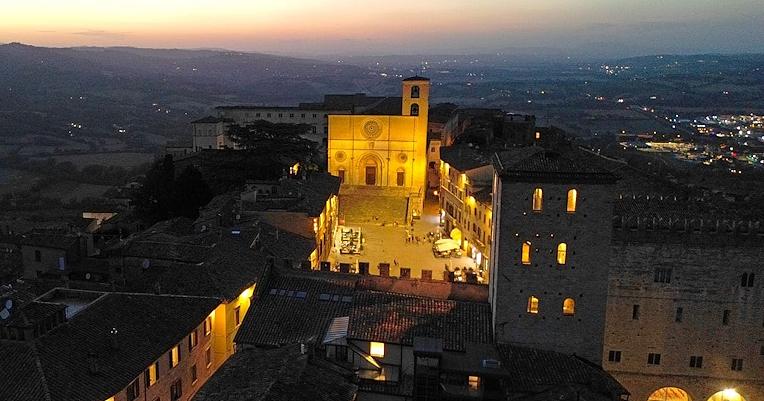
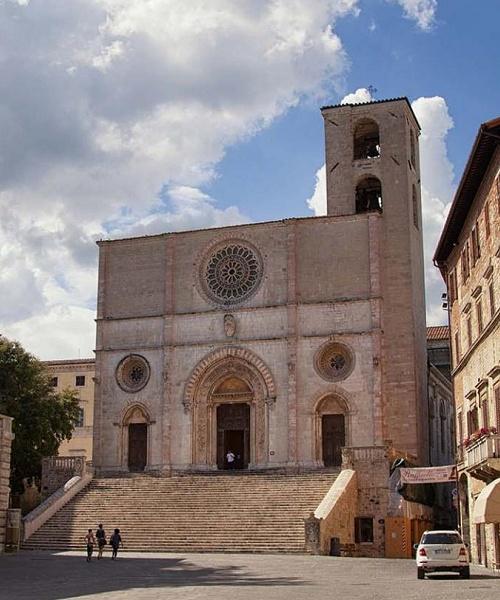
Todi Cathedral is dedicated to Mary SS. Annunziata. It was begun in the 12th century, continued in the 13th but completed only in the 14th century.
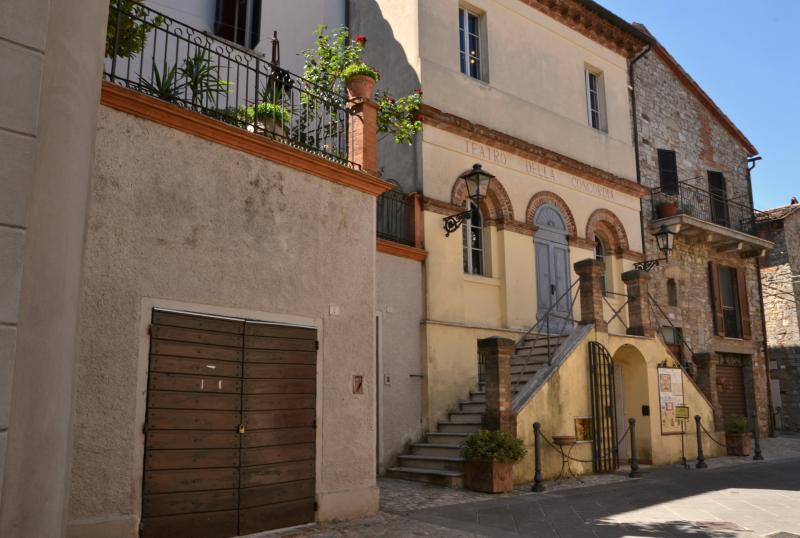
The Concordia Theatre is located in the heart of the historic centre of Monte Castello di Vibio, a small town on a hilltop on the right side of the Tiber Valley, not far from Todi.
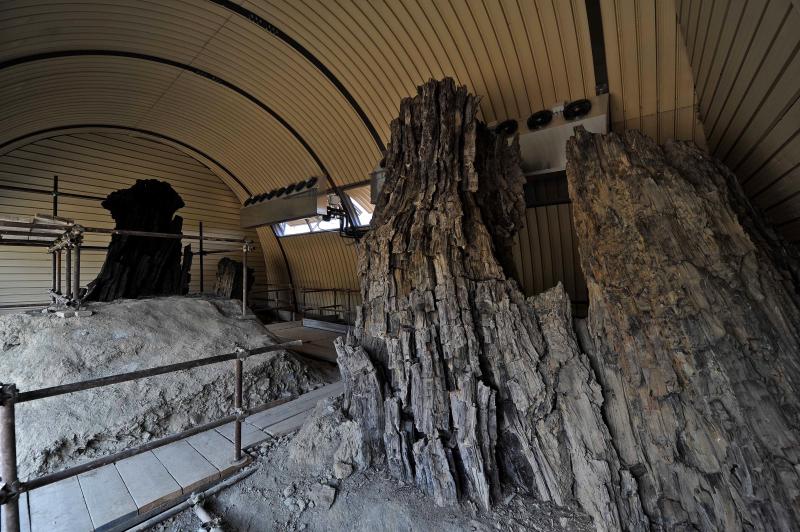
The giant conifers swallowed by the prehistoric swamp.
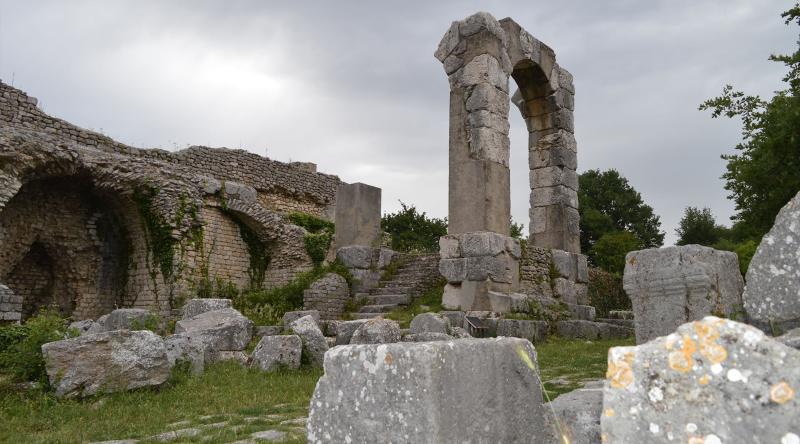
The Lost City on the Via Flaminia
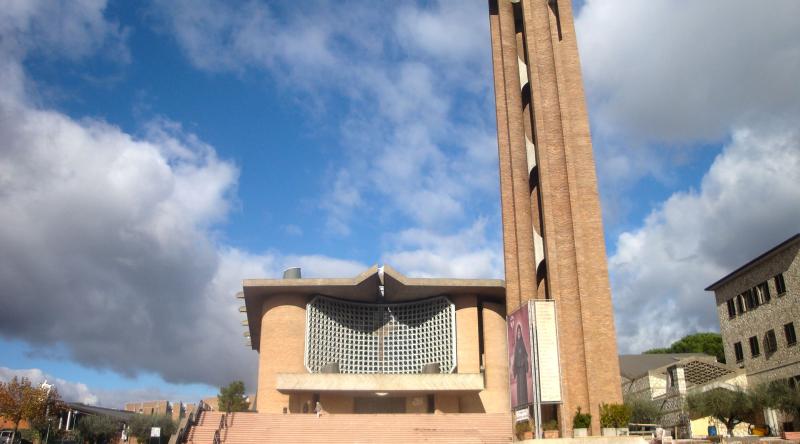
The Little Lourdes of Umbria, linked to the loving figure of Mother Speranza
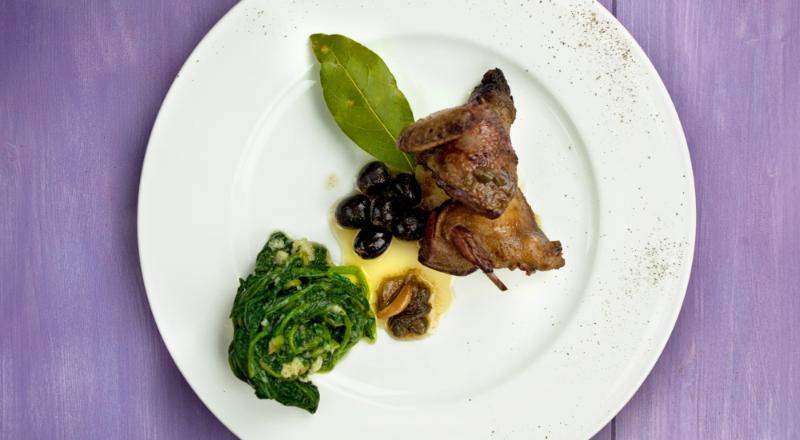
Historically, the pigeon is one of the birds most commonly-used in traditional Italian cooking. It was popular even in medieval times, when each castle had its own pigeon coop. Pigeon meat has always been considered a delicacy and was even used as a commodity in bartering. Today, pigeon meat is consumed far less often, although in recent years it has become a popular addition to the menus of top restaurants.