




The Rocca Paolina
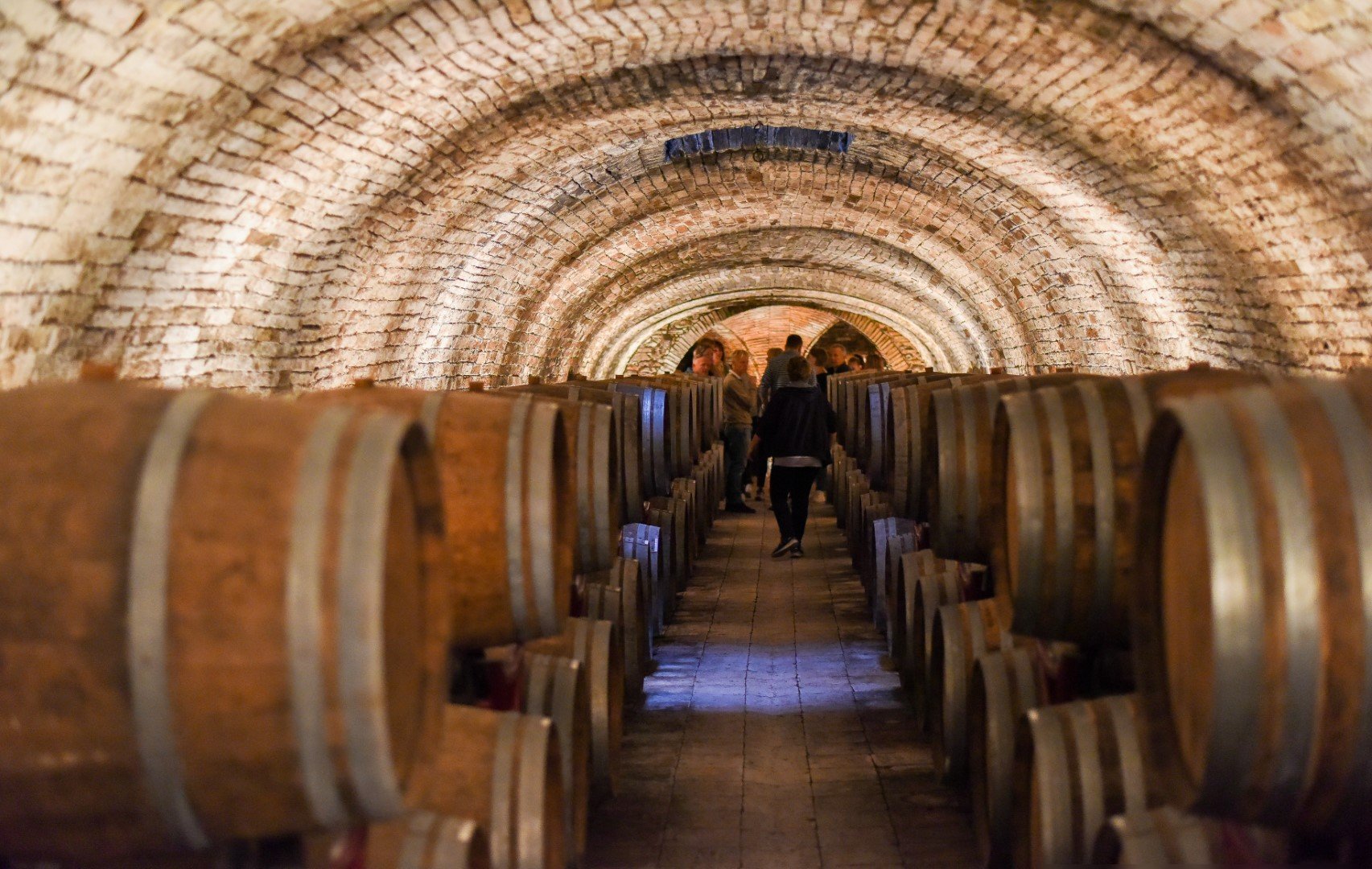
Wandering through the underground passages of the Rocca Paolina, one is enveloped by a unique atmosphere. What strikes the visitor is the feeling of walking through a "buried city", a corner of the Middle Ages where the light of the sky is blocked by a labyrinth of ancient vaults. As the architect Aldo Rossi wrote, the Rocca belongs to the "prodigious" rather than to architecture itself.
A project of power by Sangallo
The history of the Rocca originates from an act of power: in 1540, following the so-called "Salt War", Pope Paul III decided to erase every trace of the Baglioni lordship and to mark the rebellious city with an indelible symbol of papal dominion. The task was entrusted to Antonio da Sangallo the Younger, one of the most celebrated architects of the Renaissance, who conceived the fortress as an articulated complex in two parts: a palace-fortress on Landone hill and, connected by a monumental corridor, the Forte di San Cataldo at the foot of the hill.
Sangallo's preparatory drawings, now preserved at the Gabinetto dei Disegni e delle Stampe of the Uffizi, reveal extraordinary attention to detail. In a vast plan (1678 x 902 mm), the architect meticulously notes every element: "muro della terra" (earth wall), "questo sie lo migliore pozzo di Perugia" (this is the best well in Perugia). Every mark bears witness to the titanic challenge of building on a height difference of almost 50 metres, incorporating medieval pre-existences in a gesture that combined destruction with preservation.
A hybrid architecture between Renaissance and tradition
What makes the Rocca Paolina a unique case in sixteenth-century military architecture is its hybrid nature. Sangallo's drawings reveal a project that looked to the future without forgetting the past: alongside modern solutions for artillery (gun platforms, embrasures designed for grazing fire), archaic elements appear, such as machicolations and decorative corbels that crowned the keep of Forte San Cataldo, direct quotations from fifteenth-century fortresses. Even the façade of the palace-fortress, in the early designs, recalled the elegant forms of Palazzo Farnese in Rome, as if to reconcile the refinement of a princely residence with the harsh necessity of defence. This stylistic ambivalence, which mixed military avant-garde and antiquarian nostalgia, was also reflected in the treatment of materials: as indicated in another Sangallo drawing, "le Cose bianche sono trevertini & le rosse sono di mattoni" (the white parts are travertine and the red ones are brick), underlining a compositional care that went far beyond mere functionality.


