







Citerna - One of the Most Beautiful Villages in Italy
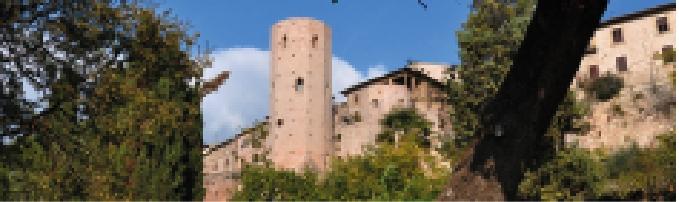
Perched on a hill on the border between Umbria and Tuscany, Citerna is a charming hamlet listed among the "Most Beautiful Villages in Italy"; it is known for its breathtaking panoramic views, which earned it the nickname “the terrace of the Upper Tiber Valley”.
It takes its name from the numerous cisterns (at least seven) built over time by the local population to collect rainwater; the main cistern lies beneath the former Monastery of San Francesco and holds around 450 cubic metres of water.
From Etruscan Origins to the Wounds of the Twentieth Century
The origins of the village date back to the Etruscan era. Flourishing during Roman times under the name Civitas Sobariae, it benefited from a strategic location controlling the transit routes across the Apennines. In the Early Middle Ages, it was destroyed by the Gothic invasion, much like neighbouring Città di Castello. In the following centuries, Citerna developed into a defensive stronghold, caught in the struggle between Ghibelline Arezzo and Guelph Città di Castello, to which it submitted in 1199. Subsequently, it fell under the ambitions of various ruling dynasties, including the Tarlati of Pietramala and the Malatesta, as well as the Papal States. However, it was during the 16th century, under the protection of the powerful Vitelli family of Città di Castello, that the village experienced its period of greatest artistic and urban peak.
In July 1849, it granted refuge to Giuseppe Garibaldi and his volunteers following the fall of the Roman Republic. In 1860, it was annexed to the Kingdom of Italy.The 20th century inflicted severe damage on the ancient urban fabric, both from the devastating 1917 earthquake and the destructive bombings of World War II in 1944; meticulous restoration work has since faithfully restored the village's historic layout.


