





The palomba, or wood pigeon, is a migratory bird related to the common pigeon. Its dark, firm and flavoursome meat has long been regarded as one of the finest game delicacies of autumn.
The expression “alla ghiotta” refers to the traditional cooking method, intented to enhance the bird’s rich flavour through slow cooking. This process makes the meat tender and succulent thanks to a generous seasoning of aromatic herbs such as garlic, rosemary, sage and bay leaves. Some variations of the recipe also include capers, juniper berries, cured ham or anchovies.
The name of the dish derives from the Italian word ghiotta, which originally referred to the dripping pan placed beneath a roasting spit to collect the juices released during cooking. These juices would slowly blend with herbs, wine, vinegar and the bird’s giblets, creating a rich, intensely flavoured sauce. Today, by extension, the term ghiotta also refers to the sauce itself that accompanies the meat.
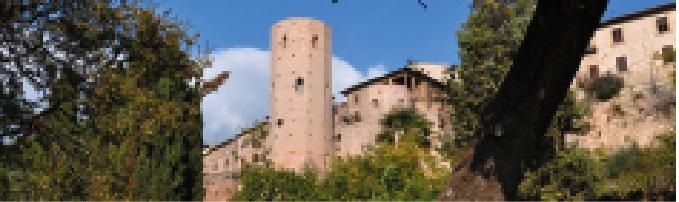
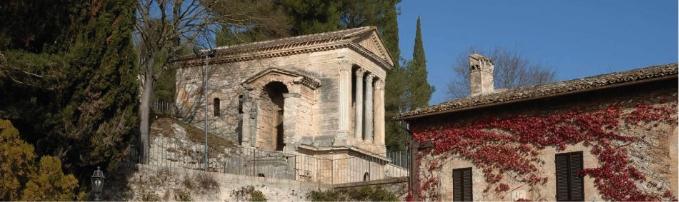
A dish rooted in the history of Todi
Today, palomba alla ghiotta is one of the signature dishes of Todi’s culinary tradition, but its origins lie in centuries-old hunting practices, rural customs and convivial gatherings.
For centuries, wood pigeon hunting, practised from autumn through winter, was a largely a privilege of major landowners. Hunting parties held in the woods and countryside around Todi were prestigious social occasions attented by noble and wealthy families. For the sharecroppers who worked on those estates, however, bringing home a wood pigeon was a rare occurrence: a prized catch that offered an exceptional opportunity to enjoy its meat.
Game birds were also highly valued by the Church. In 1815, Cardinal Bartolomeo Pacca, Camerlengo of the Holy Roman Church, issued an edict regulating the hunting season around Todi, prohibiting any disturbance during hunts and imposing severe penalties on offenders, ranging from fines to corporal punishment.
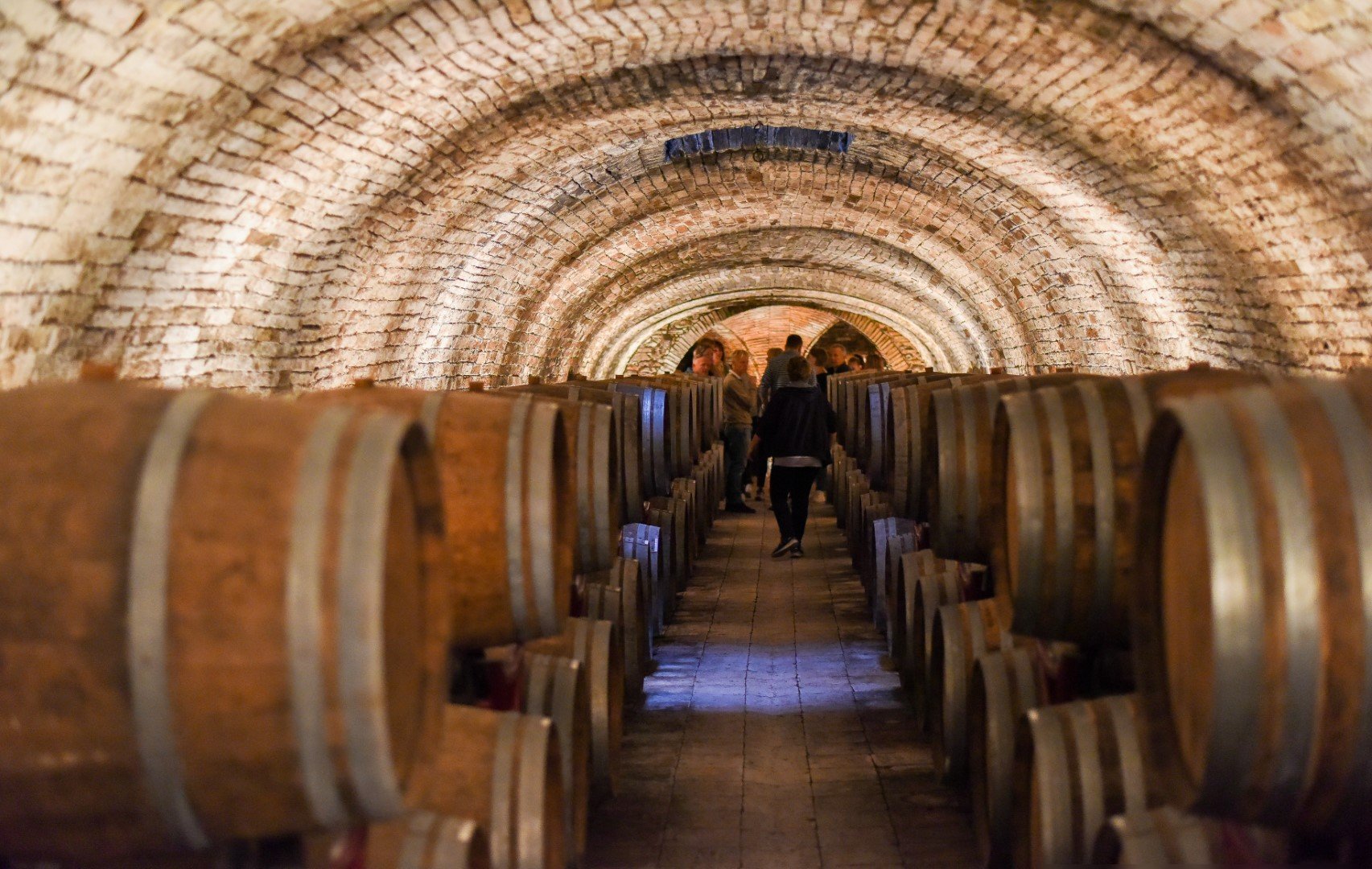
Palomba alla ghiotta still holds a place of honour in Todi’s culinary tradition. Once considered a festive dish, it was prepared especially during the Christmas season, when game was preserved in the traditional underground snow pits belonging by wealthy families. Today it continues to be served on special occasions and during local celebrations, particularly on the feast day of Saint Fortunatus, the town’s patron saint, celebrated on 14 October.
The traditions surrounding this recipe are especially strong in the village of Cecanibbi, which hosted a festival dedicated to promoting the dish for many years. The village is also home to both the Club della Palomba (Wood Pigeon Club) and the Università della Palomba (Wood Pigeon Academy), associations committed to preserving and promoting this distinctive culinary heritage.