A Unique Walk
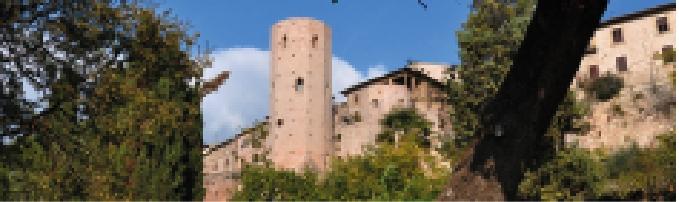
The walkway serves both as an architectural shelter and as a seamless urban link: it allows visitors to cross the heart of Citerna while remaining completely under cover, smoothly connecting the area around Piazza Scipione Scipioni with the town's historic entrances.
Stone barrel vaults, exposed brickwork and terracotta pavers line the route, creating a remarkably intact historical gallery that transports anyone who walks it back in time.
The wide arches opening along the defensive wall frame sweeping views of the Tiber Valley, offering breathtaking panoramic views stretching from the Umbrian hills to the border with Tuscany.
This route is especially magical in the early evening: as the sun sets, the golden light transforms the stone gallery into one of the most romantic and charming paths in the entire village.
Walking through these historic passageways allows visitors to follow in the footsteps of the ancient sentinels, discovering the charm of an architecture originally created for warfare and now dedicated to the beauty of the landscape and the tranquillity of the village.
A Journey into the Hidden Heart of Citerna
Hidden beneath the Town Hall lies an extraordinary heritage of medieval and Renaissance engineering: Citerna's underground complex. Built between the 15th and 16th centuries to withstand prolonged enemy sieges, this space combined the defensive strength of the walls with the community's complete food and water self-sufficiency.
The Granary Rooms: Architecture and Atmosphere
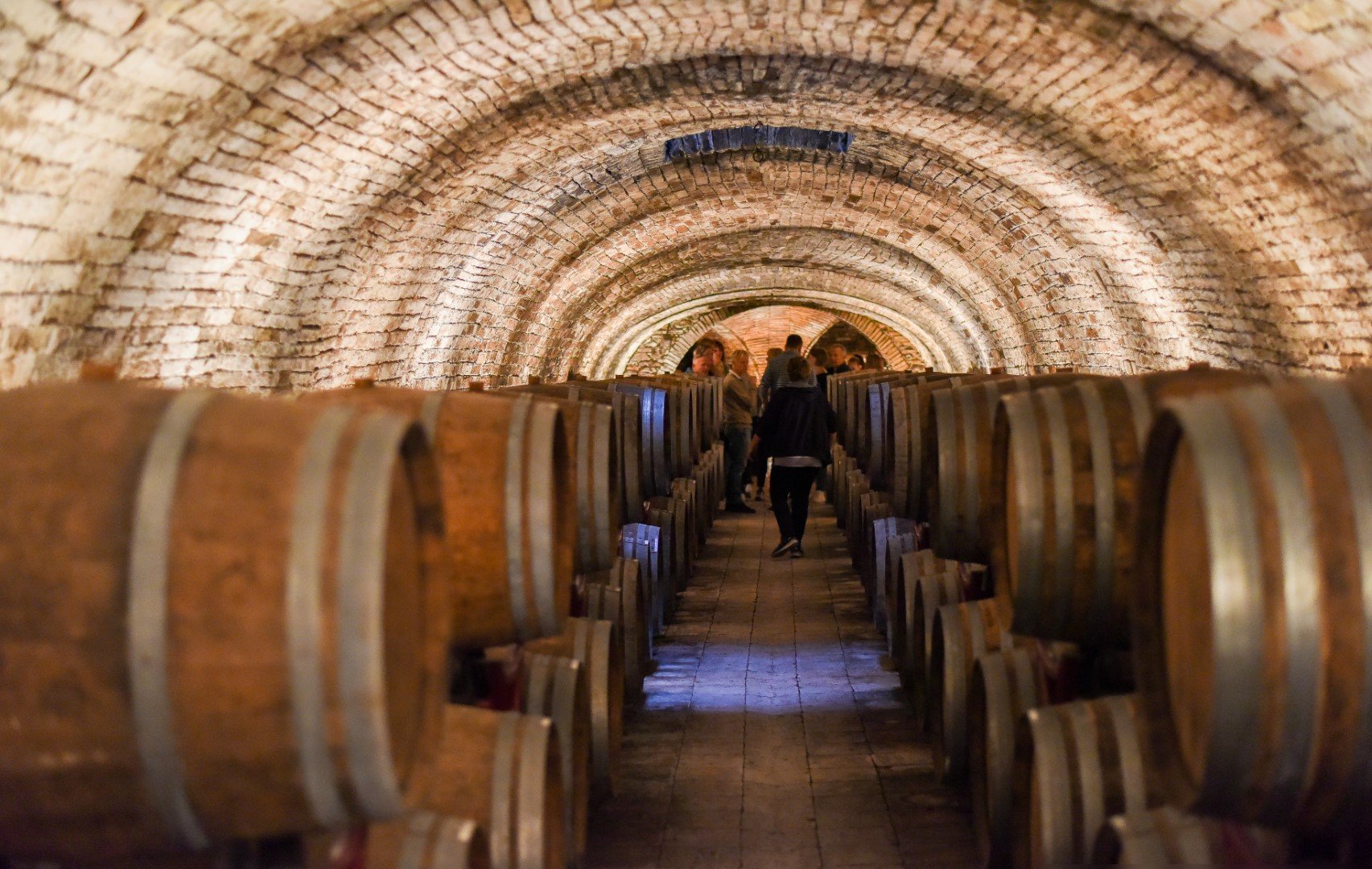
Descending into the underground chambers, visitors find themselves immersed in a timeless atmosphere. The Sale degli Ammassi, originally used to store grain and provisions to feed the population in times of emergency, captivate the eye with their striking architectural features. The rooms are characterized by imposing brick columns and evocative barrel vaults spanned by transverse arches.
Next to the granaries are two impressive underground cisterns. The larger one, with an extraordinary capacity of around 1,000 metric tons (equivalent to 10,000 quintals), was supplied by an extensive network of surface channels that conveyed rainwater underground.
To make the water drinkable for the entire village, a remarkably advanced purification system was conceived: before entering the cisterns, rainwater passed through a large basin filled with sand and charcoal, a natural sedimentation and filtration process that purified it completely.
A Living Heritage: From Defence to Tourism
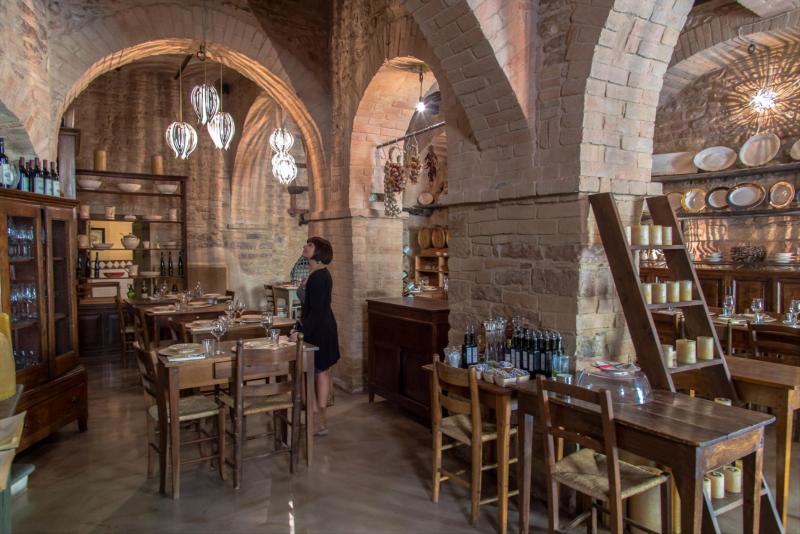
Today, these spaces, skilfully restored by the Municipality of the town, have taken on a new role. Once a strategic military stronghold, they have been transformed into a cultural hub, regularly hosting art exhibitions, conferences and civil wedding ceremonies.
Beyond their historical appeal, the cisterns of Citerna represent a valuable educational resource, reminding today's visitors of the vital importance of water and the intelligent management of natural resources.
For visits, please contact the local Tourist Information Office.