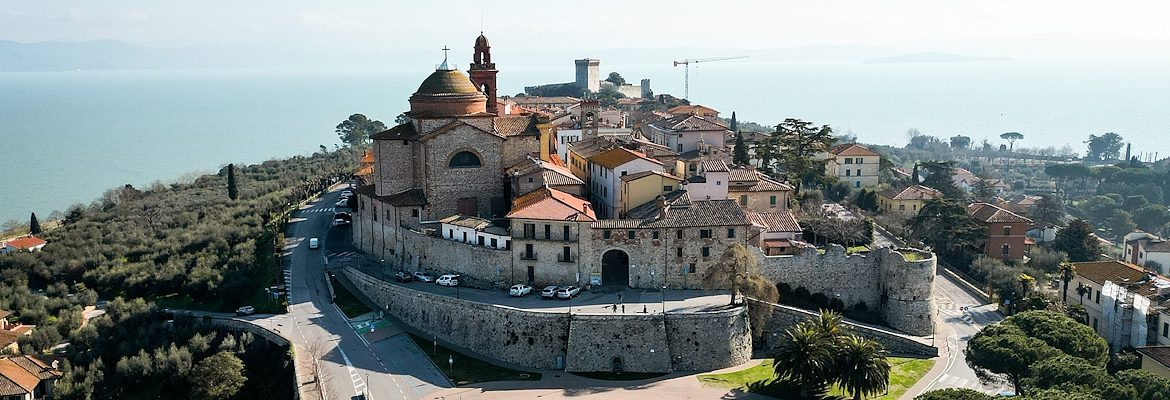
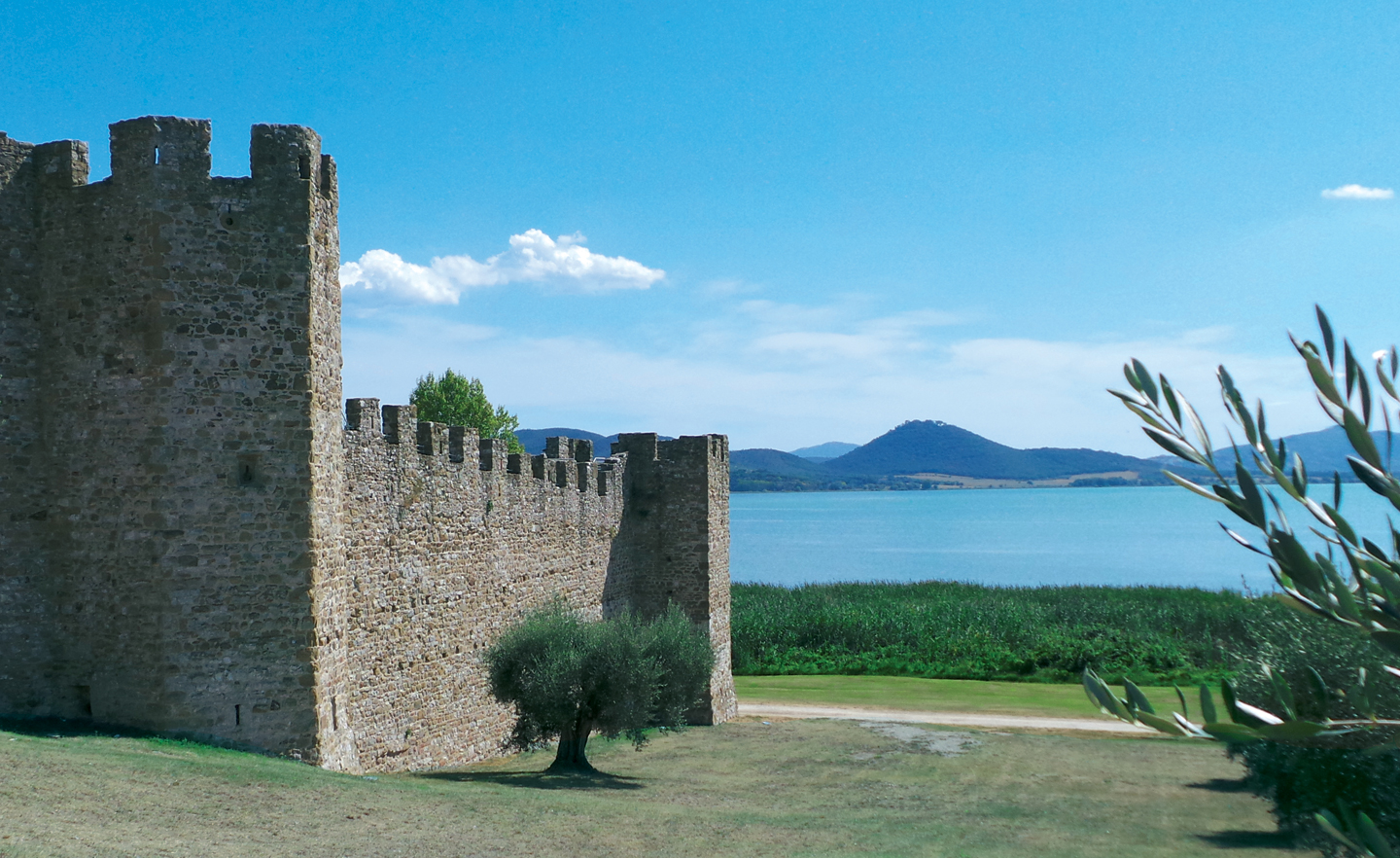
Located on a promontory and surrounded by medieval walls, the village of Castiglione del Lago hosts authentic architectural gems and offers enchanting views of Lake Trasimeno.
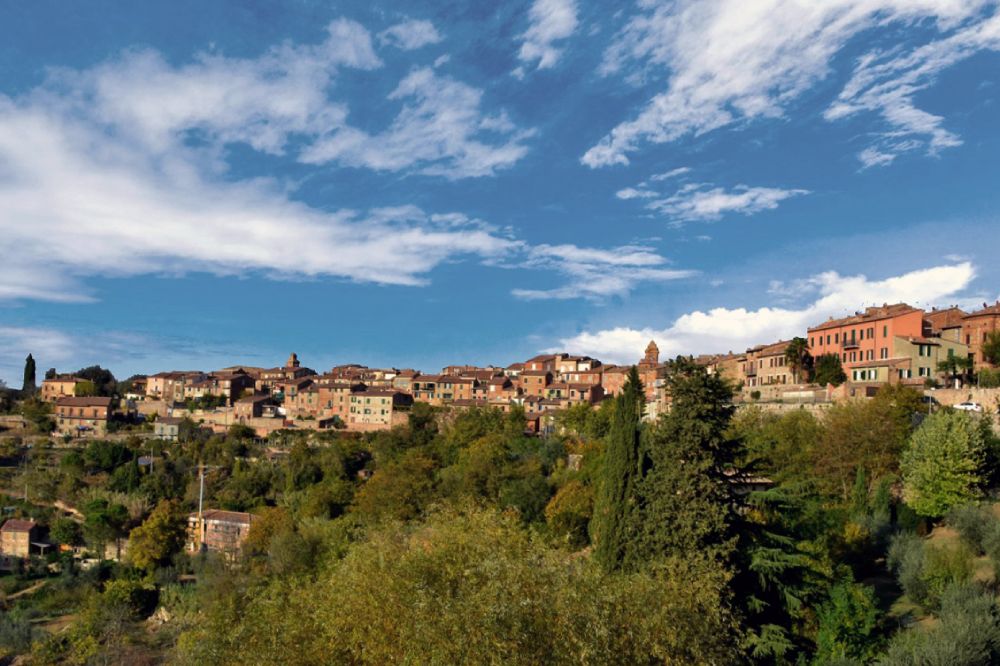
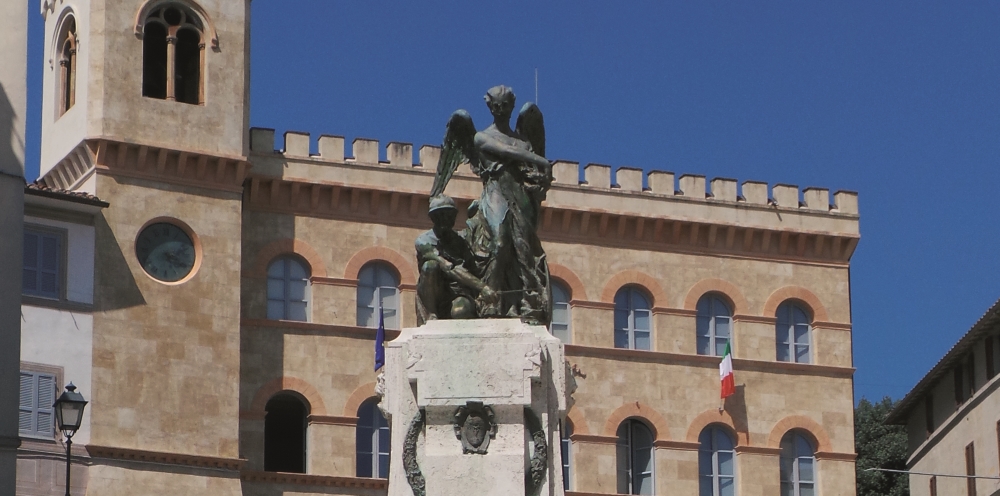
Città della Pieve, an artistic town between Umbria and Tuscany, captivates visitors with Perugino’s masterpieces and its stunning views of the rolling green hills.
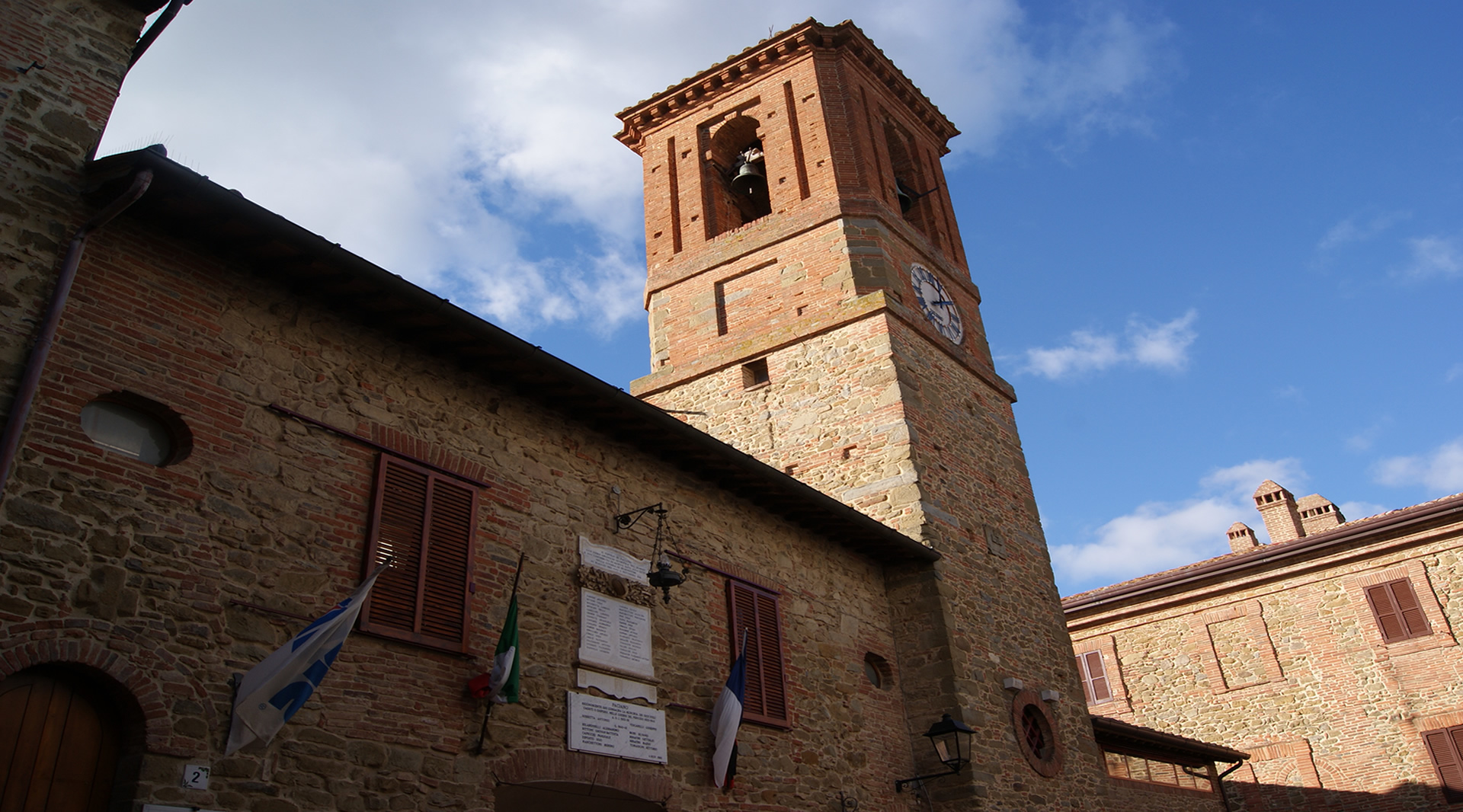
Paciano, a medieval village nestled between the hills and Lake Trasimeno, preserves a rich past enclosed within its walls. Its towers, churches and palaces, now home to charming museums, offer a fascinating insight into the area's cultural and religious heritage.
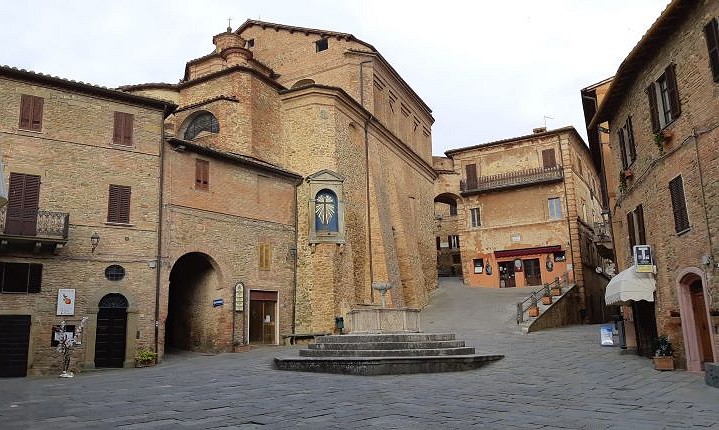
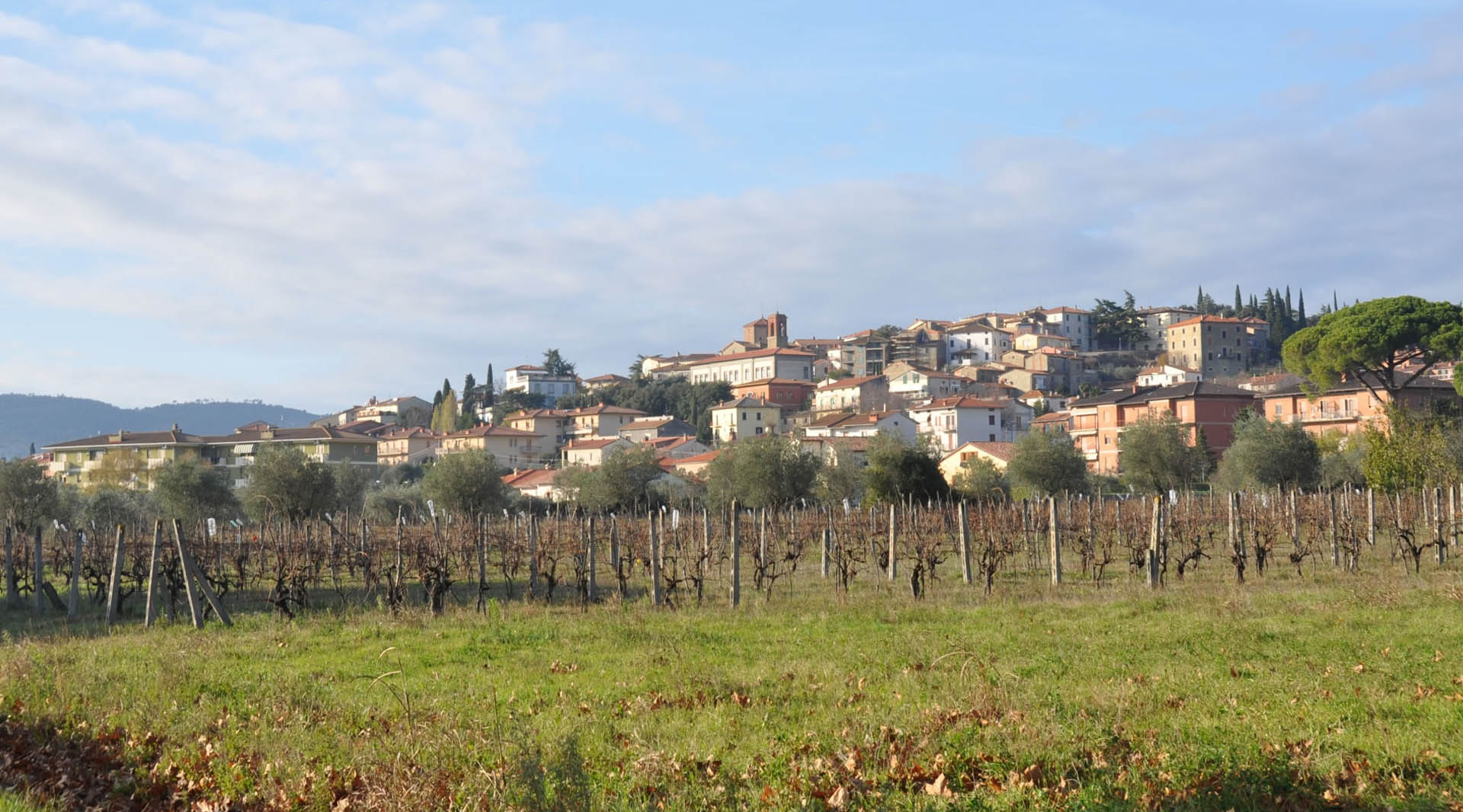
Located in the western part of Umbria, Panicale is a small medieval town set on the gently rolling hills that slope downwards to Lake Trasimeno. From the hill on which the town rises you can enjoy magnificent views over the lake and the valley of the Nestore River.
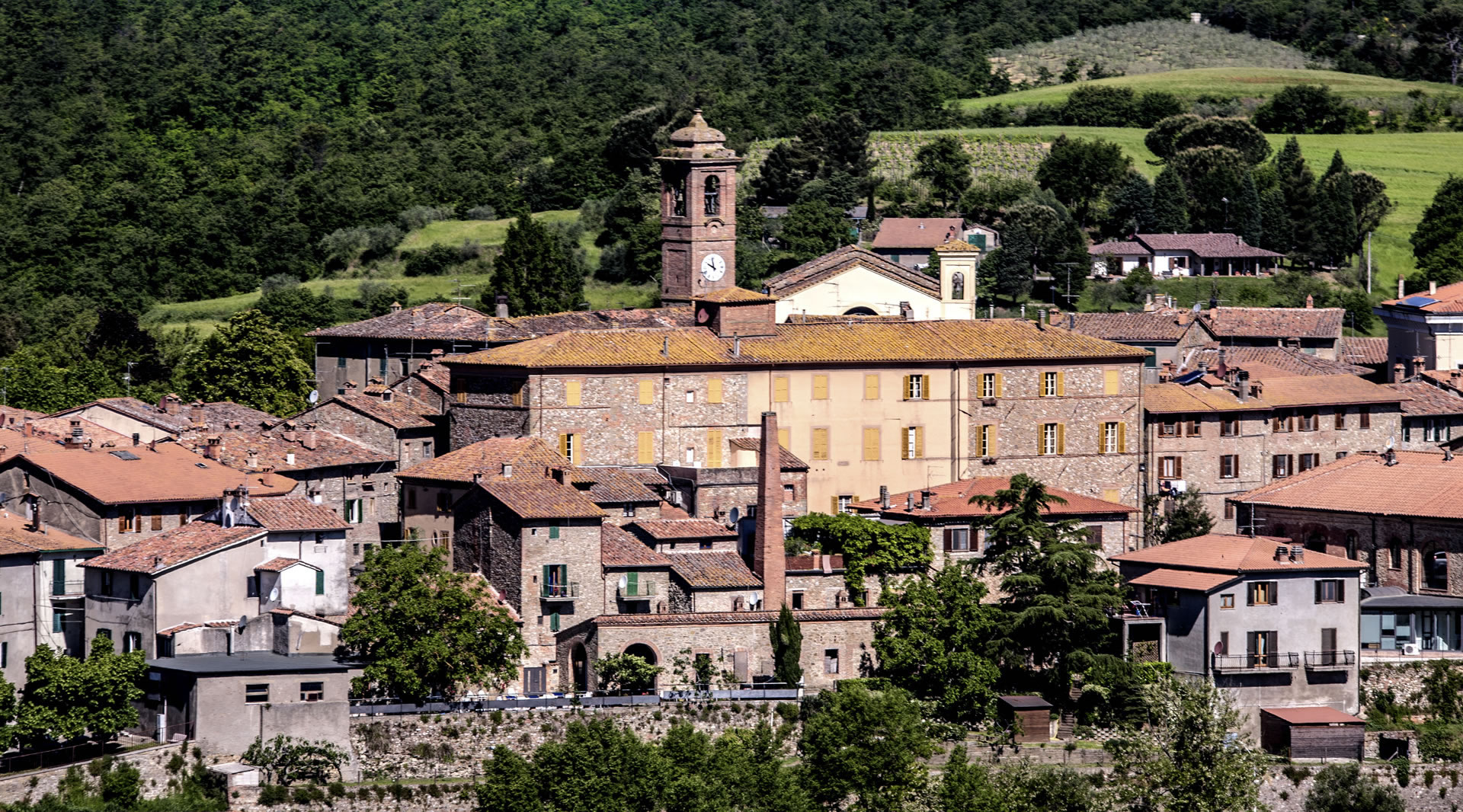
Piegaro, an ancient village surrounded by greenery, offers stunning views of Mount Amiata and the Tuscan valleys. Famous for its glassmaking tradition, it is home to the Glass Museum and boasts picturesque churches and historic palaces.
Magione, a town without walls on the banks of Lake Trasimeno, is rich in history, with castles, futurist frescoes and ancient villages that tell of centuries of passages and plots.
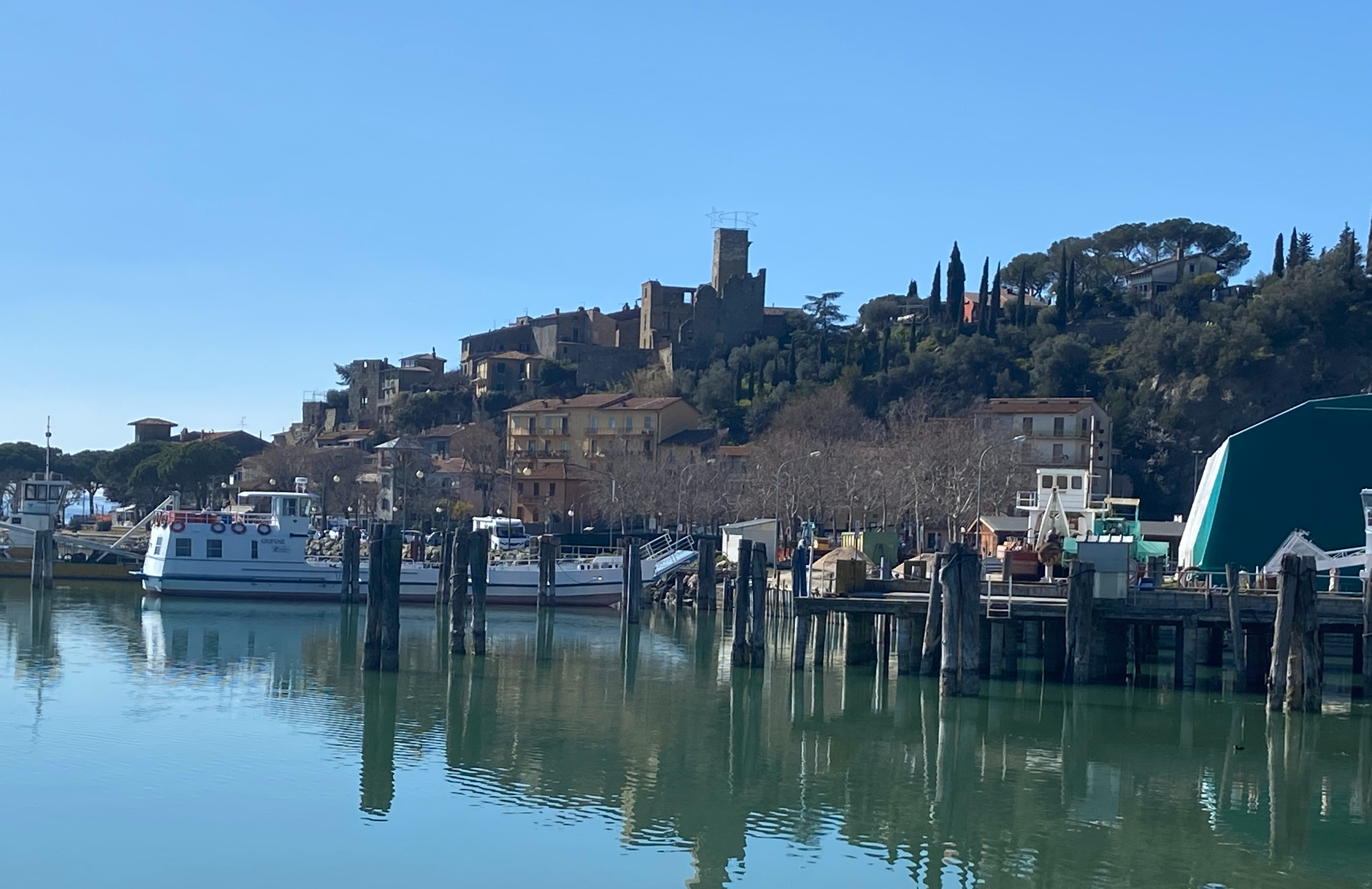
Located on the northern part of the lake, the medieval village of Passignano sul Trasimeno is a popular destination thanks to its charming lakeside promenade and the majestic Fortress, from which you can admire enchanting sunsets in the evening.
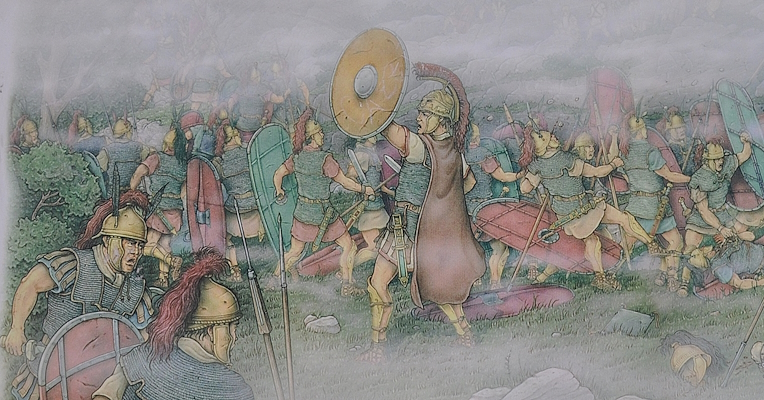
Located on the northern side of Lake Trasimeno, the village of Tuoro preserves evidence of an ancient history linked to the famous Battle of Hannibal.
The second-largest island on Lake Trasimeno, Isola Maggiore is an oasis of peace and tranquillity where natural beauty and artistic works coexist in harmony.
Set in Lake Trasimeno, Isola Polvese is the largest of its three islands. It holds an authentic treasure of historical monuments and natural landscapes.
Monte del Lago is a small village perched on a promontory overlooking Lake Trasimeno, between Torricella and San Feliciano.
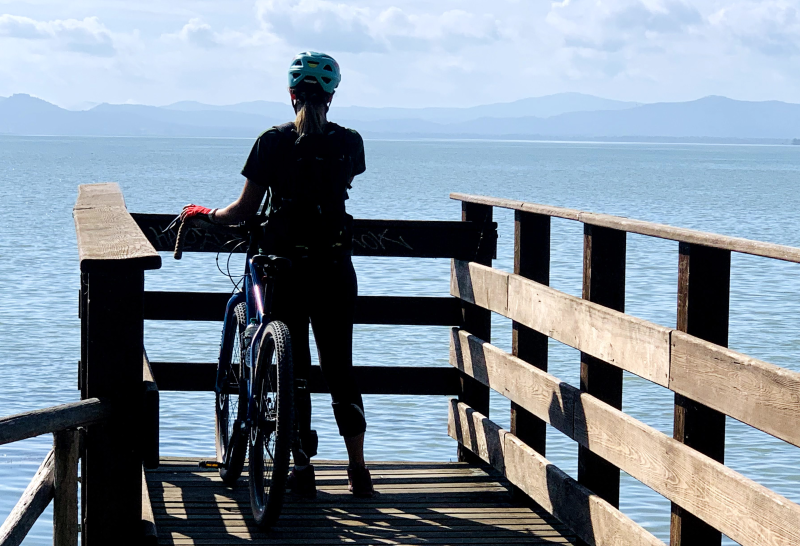
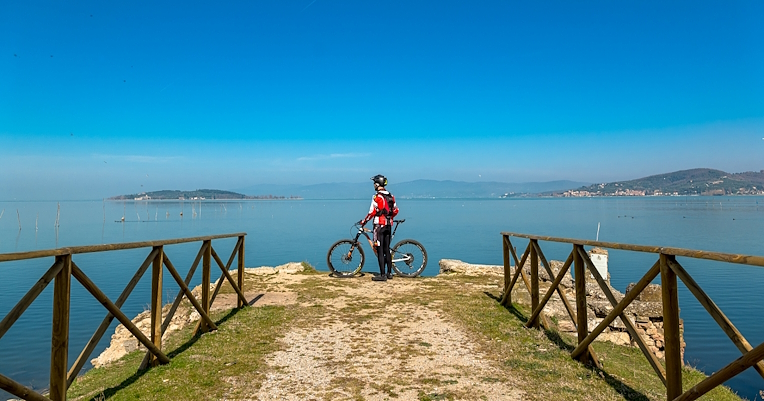
A loop itinerary, mostly on its own track, which runs along Lake Trasimeno offering breathtaking views.
The Palazzo della Corgna is the most important Città della Pieve noble home.
The oratory of Santa Maria dei Bianchi, in Città della Pieve, houses one of Perugino's greatest masterpieces.
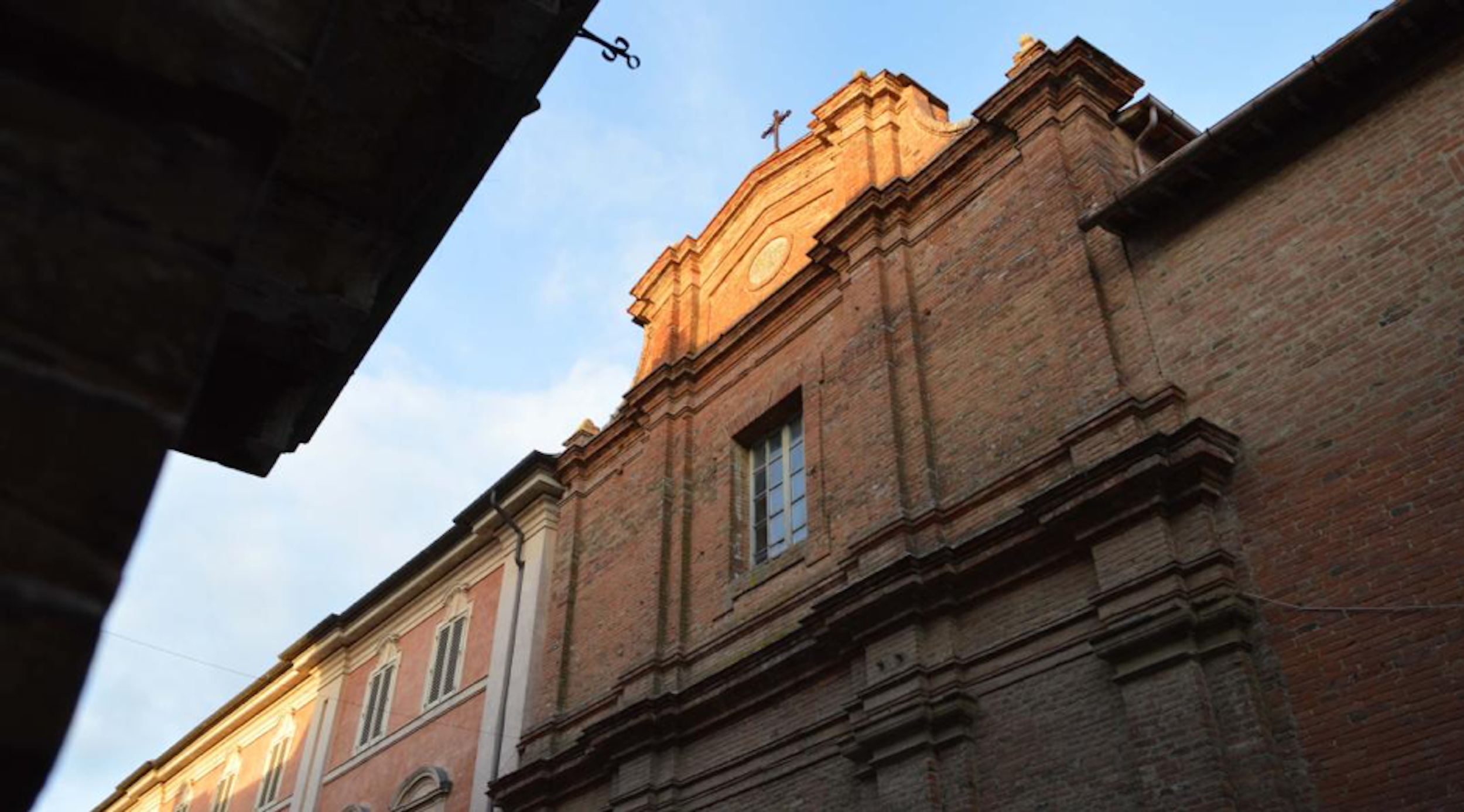
The Gothic church of Santa Maria dei Servi in Città della Pieve, featuring frescoes by Perugino, now houses the Diocesan Civic Museum, part of a fascinating museum circuit.
The Church of Saints Gervasius and Protasius, which is the cathedral of Città della Pieve, is located where Piazza Gramsci and Piazza Plebiscito, the town’s central squares, meet.
The Caporali theatre rises in the heart of Panicale's historical centre and deserves a visit both for the elegance of its richly decorated internal structure and for its theatre performances.
The Sanctuary of Mongiovino or of the Madonna di Mongiovino is within walking distance of Panicale (about 7 kilometres) and just beneath the ancient Castle of Mongiovino.
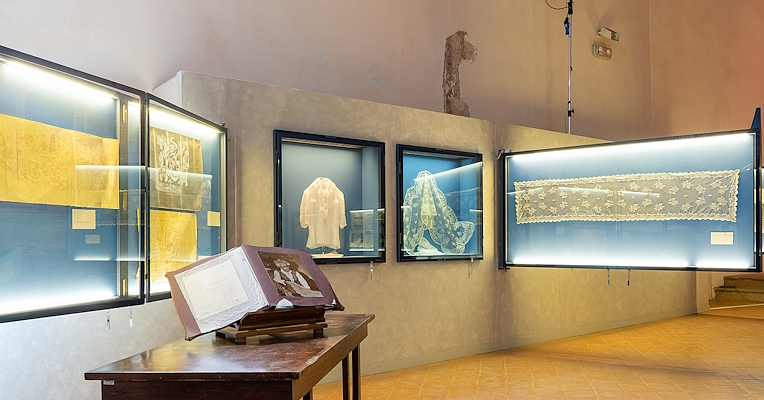
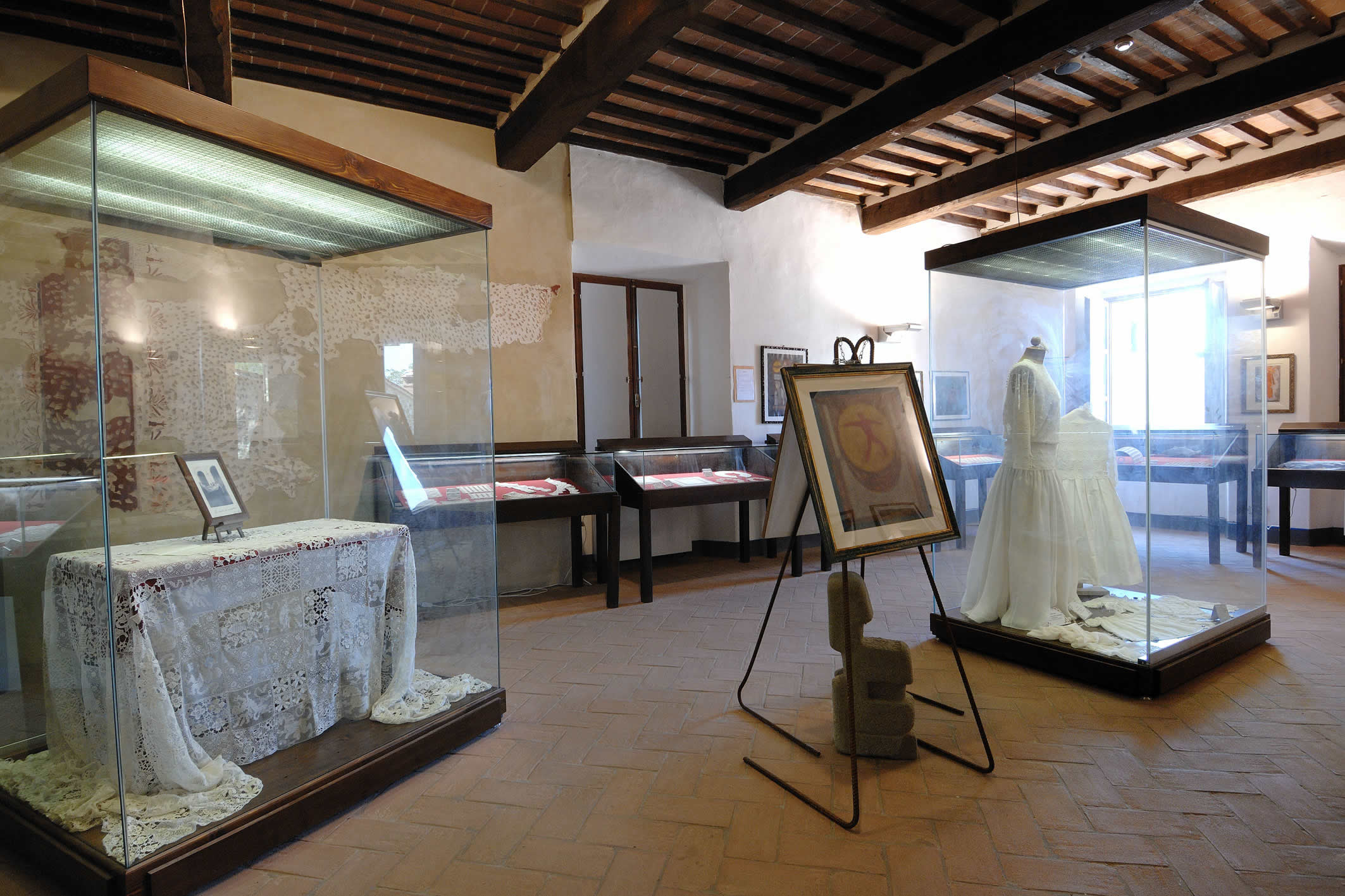
The “Anita Belleschi Grifoni” Tulle Museum in Panicale celebrates Ars Panicalensis, the ancient embroidery on tulle. Founded in the 1930s, it displays refined artifacts such as wedding dresses and sacred vestments.
The church of San Sebastiano was certainly built between the 14th and 15th centuries and was modified to its present form in 1623.
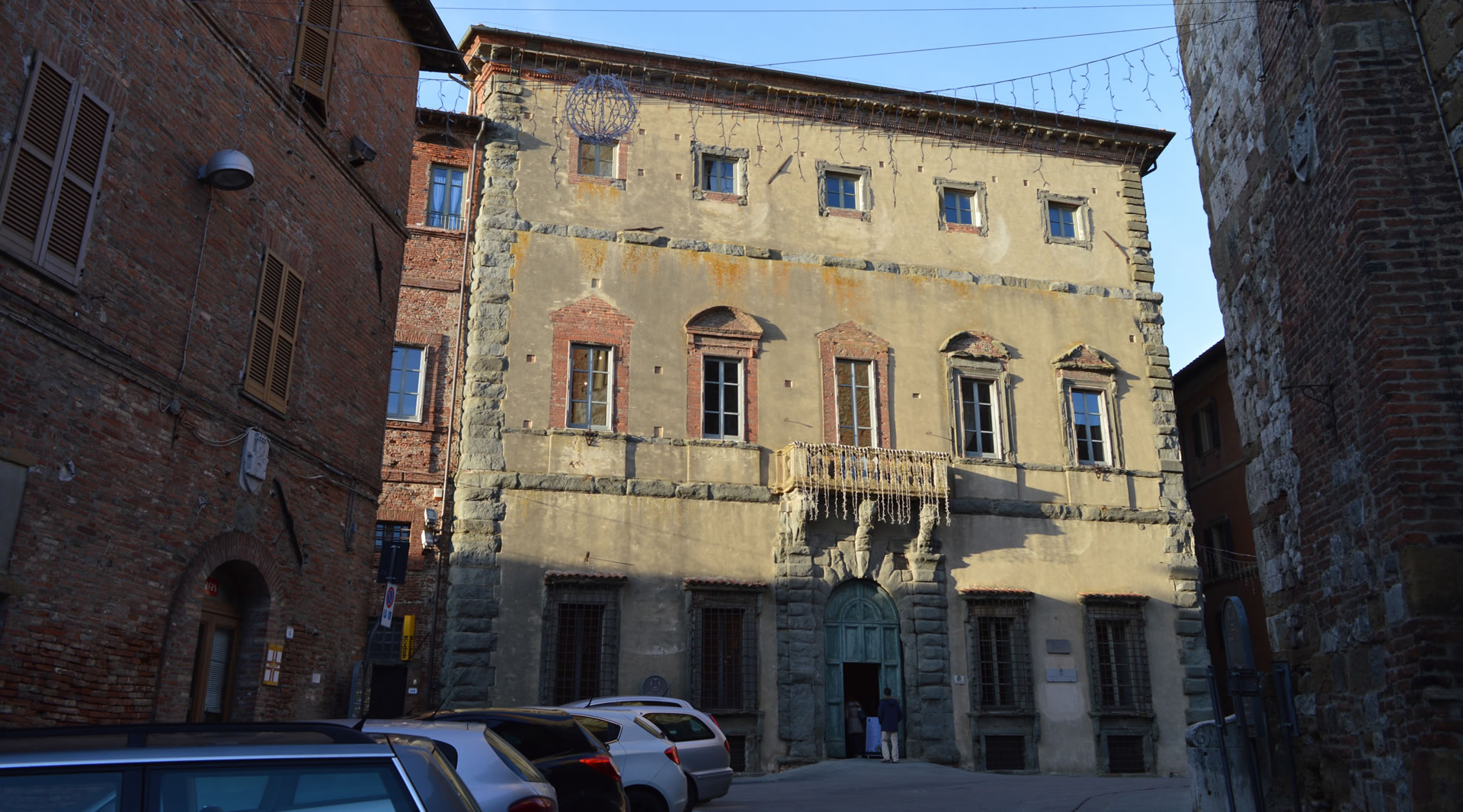
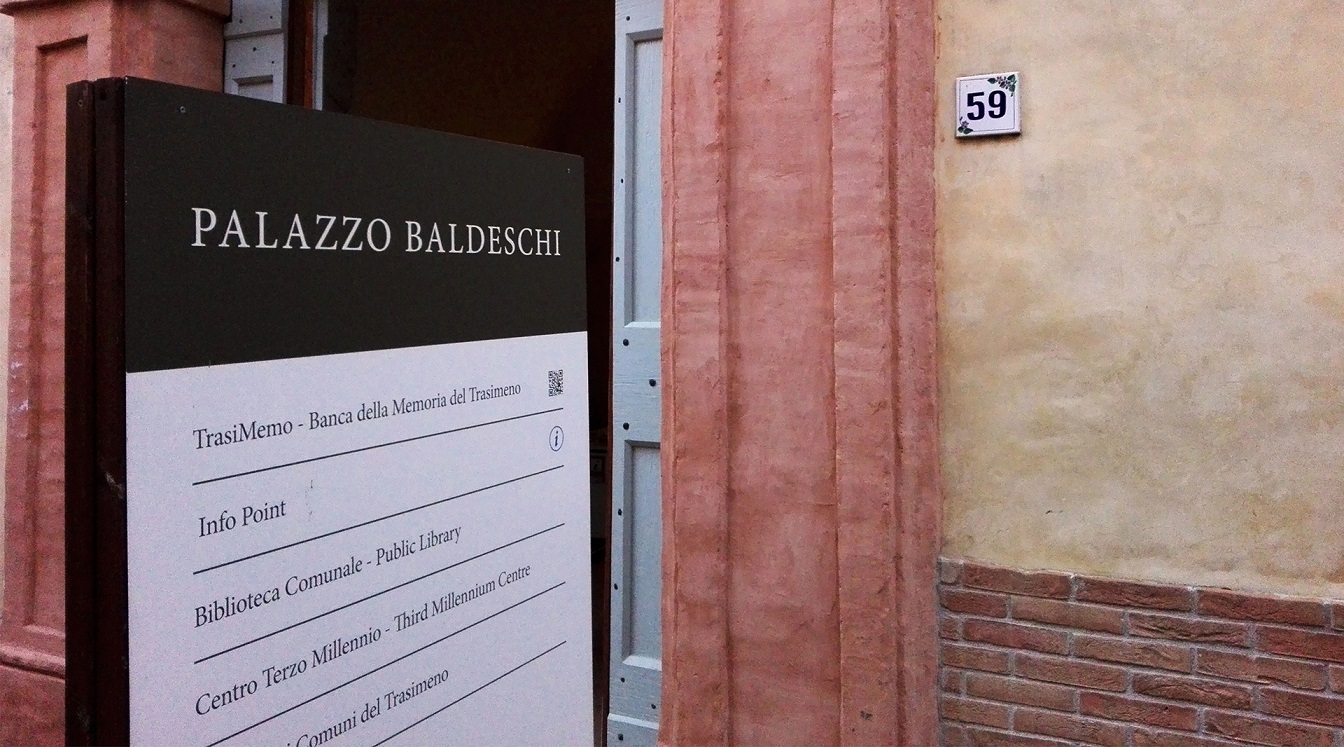
Palazzo Baldeschi in Paciano: the houses the "TrasiMemo" Museum
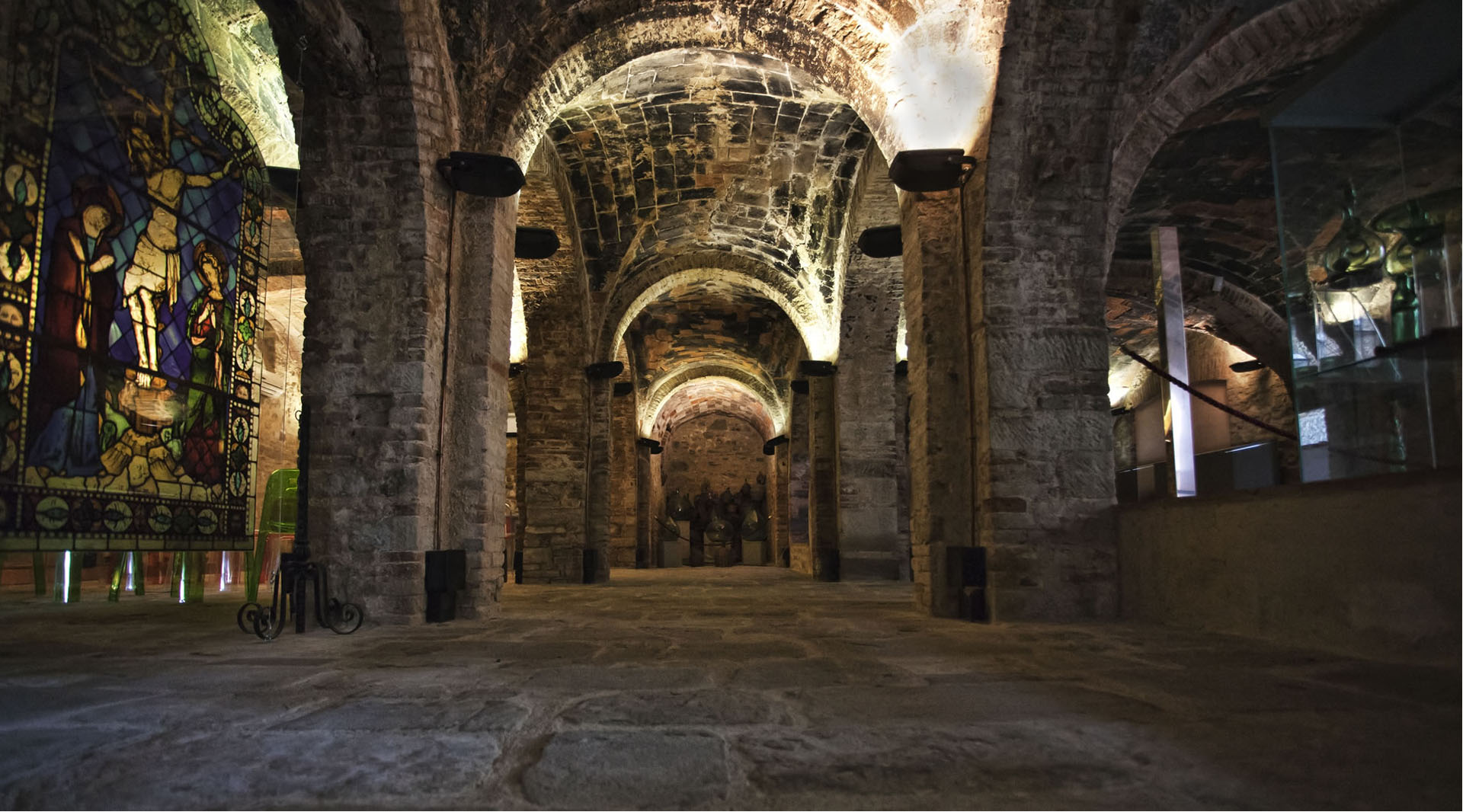
The Glass Museum of Piegaro, an ancient factory that tells the long glassmaking tradition of the Umbrian village, between precious historical artifacts and an emerald-green glass stream.
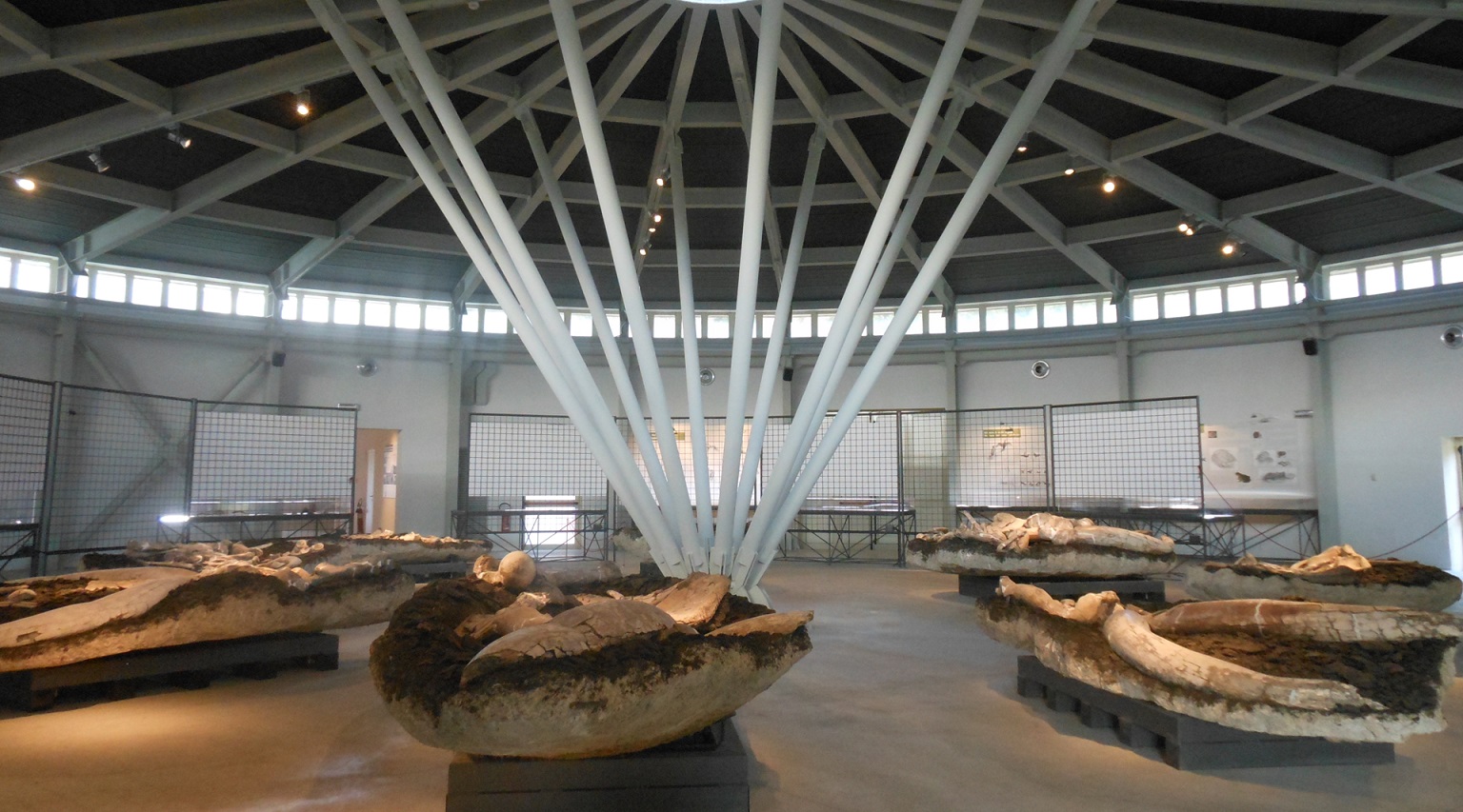
A visit to the Lower Pleistocene, around nature, accompanied by mammoths and more
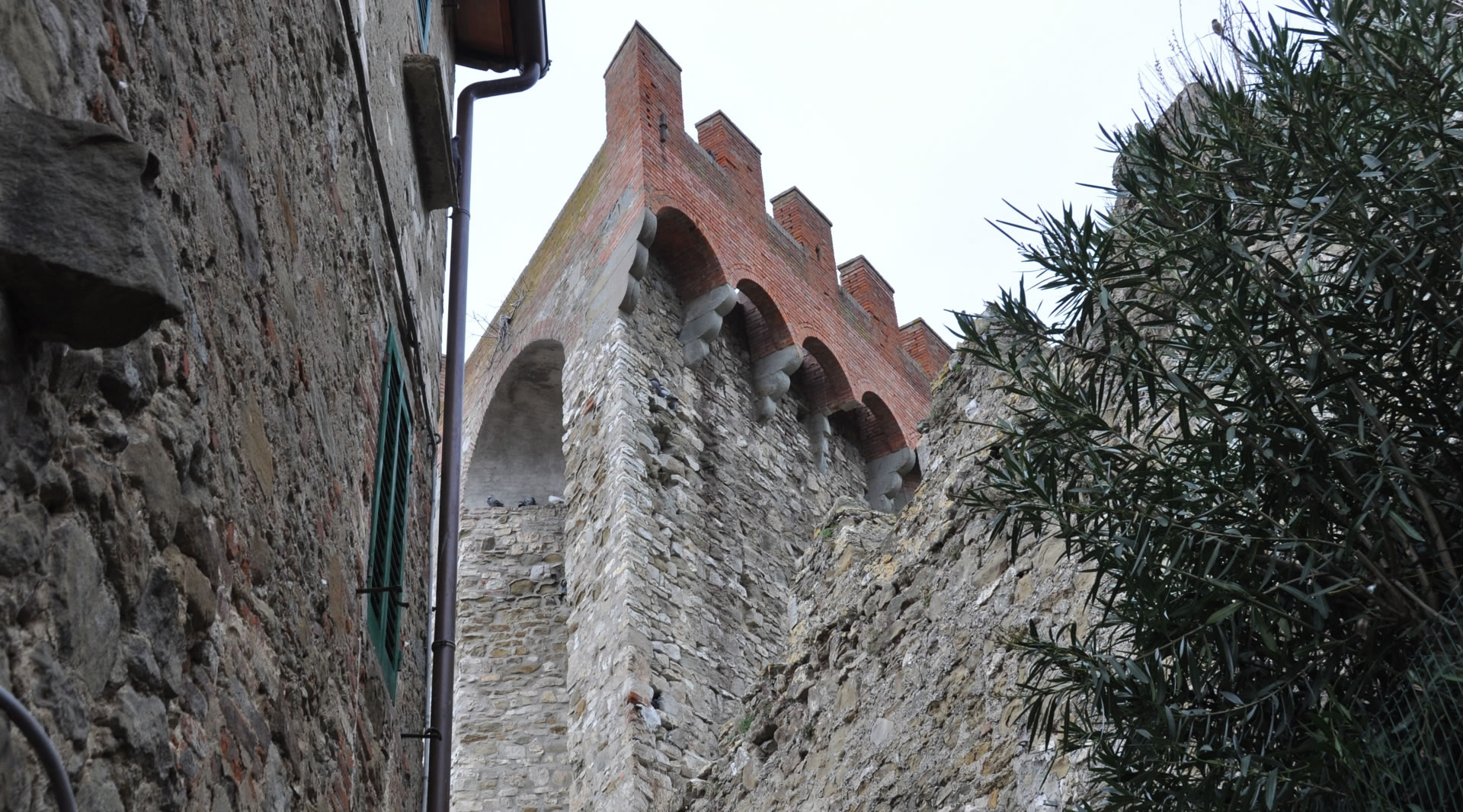
The Fortress of Passignano rises within the village, slightly raised above the town that developed later along the lake shore. Passignano means literally “Place of the Step”. That probably refers to the existence of a Roman military structure that controlled the famous “Step”, a connecting road between the North and South of the peninsula.
In order to reach the shrine of our Lady of Miracles, you have to go to Castel Rigone, a small hamlet of Passignano sul Trasimeno.
A museum to showcase the skill of the women of Isola Maggiore
The Documentation Center on Hannibal and the Battle of Lake Trasimeno in Tuoro offers an interactive journey through 4D videos, multimedia stations, and historical paths to relive the epic battle of 217 BC.
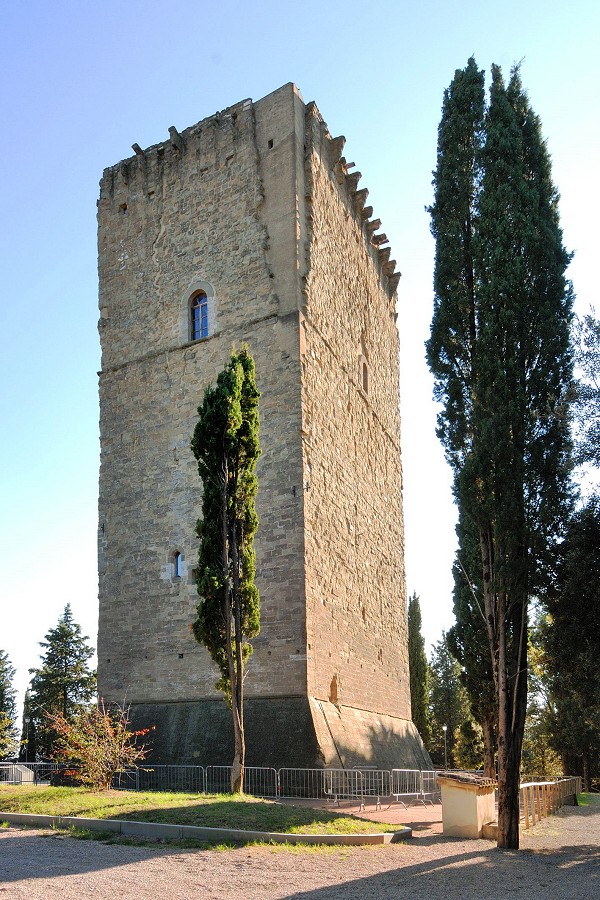
The Torre dei Lambardi in Magione, built by the Knights of St. John, is a historic medieval fortress, just steps from the village, offering breathtaking views.
What do you want to ask me?